
Imbolc and the Moon of Deep Friendship
Sunday gratefuls: Ruth. Mary. Tom. Paul. The Ancient Brothers on Judaism. Snowless Winter. Joe skiing. Eating Mexican on an Army base. Korea. Cold and Snow. Minneapolis. Resistance. Staying in the fight. Teshuva. Tikkun Olam. Tzedek Elohim. Mitzrayim. Religion. Horticulture. Street politics. Dogs. Art. Kate, always Kate. AI.
Sparks of Joy and Awe: Gardening
Life Kavannah: Wu Wei Shadow, my Wu Wei mistress
Year Kavannah: Creativity. Yetziratiut. “Inspiration exists, but it has to find you working.” ― Pablo Picasso
Week Kavannah: Hakarat Hatov. Gratitude.
- Literally “recognizing the good,” it is the practice of acknowledging the positive, often overlooked aspects of life.
- Core Principles: It encourages focusing on what you have rather than what you lack, recognizing the humanity in others, and appreciating the natural world.
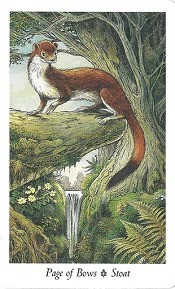 Tarot: Page of Vessels, the Otter
- Playful Energy: The otter represents a need to be curious, lighthearted, and to find joy even in simple things.
- Creativity and Imagination: This card often signals a time to tap into your creative potential and allow your imagination to flow.
- Adaptability: Like an otter navigating water, this archetype encourages flowing with life’s changes rather than resisting them.
One brief shining: As I follow the flow of my life toward birthday 79, I can slip into the water like an Otter, perhaps Maxwell Creek, perhaps Kate’s Creek, perhaps the headwaters of the Mississippi, and feel the current take me, a surge of joy, an ongoing struggle to stay alive, a pool of calm with Shadow and Shadow Mountain home, an embrace of friends and family all carrying me toward the world Ocean where I will become yet another wave.
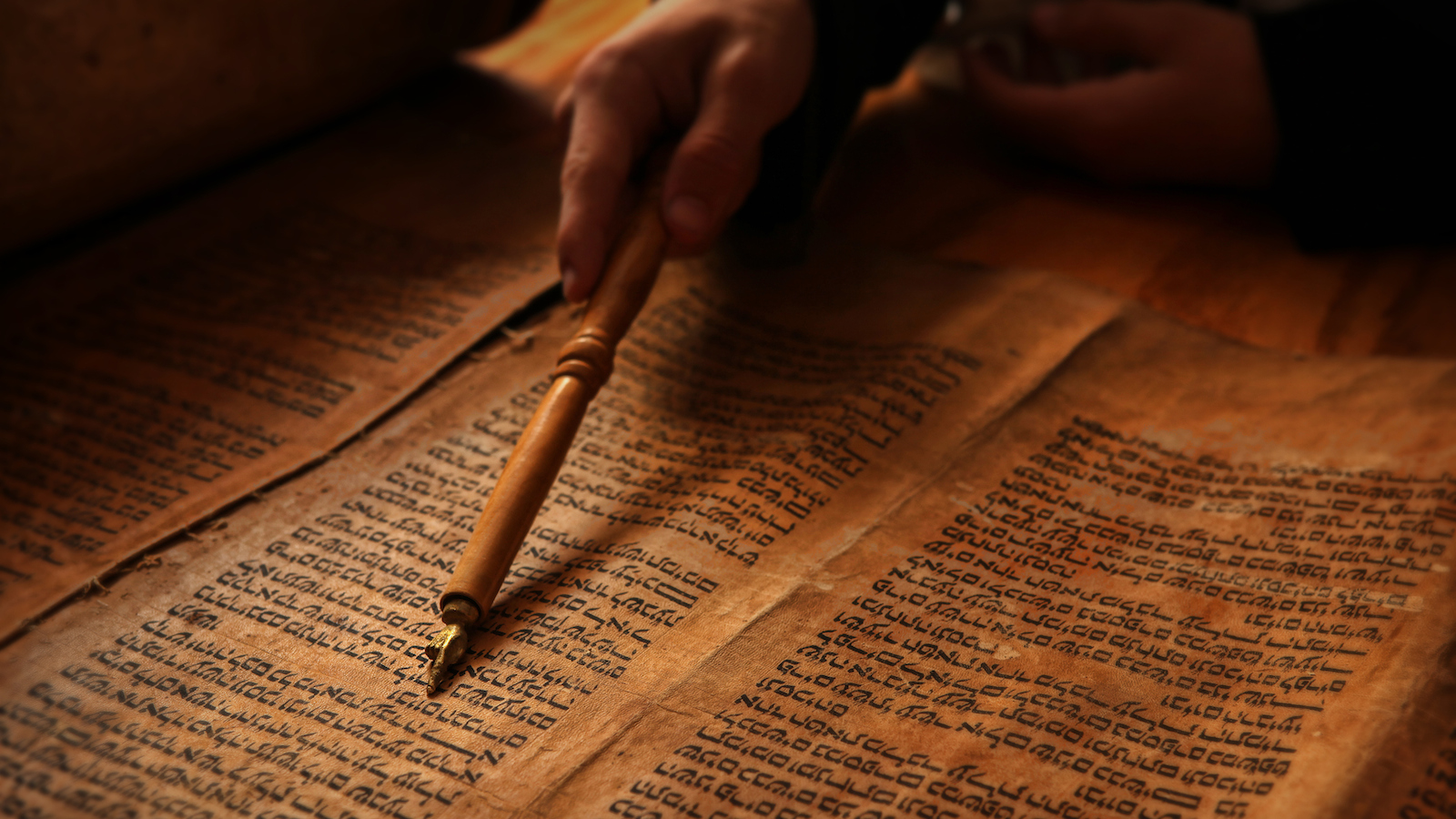
Judaism: My Ancient Brothers have asked me to talk about Judaism. I feel honored. But. How to capsulize this ancient faith, make it come alive for them?
Rabbi Rami Shapiro’s book, Judaism Without Tribalism, will be my guide. In the flensing of institutional accretions Shapiro leaves us with a skeletal view of religion, what it truly supports without the encumbrance of orthodoxy, dogma, belief and how each religion so considered can provide us with enough poetry to live by.
Rami, though a Reform Rabbi, leans into a Reconstructionist perspective when he discusses his own Judaism. A Judaism that rejects the notion of Jews as a chosen tribe. This is Judaism without tribalism. Like Mordecai Kaplan, the founder of the Reconstructionist movement, he rejects an assumed superiority-tribalism, while finding Judaism as culture, as a civilization valuable and well worth preserving.
He says Judaism has two key ideas to share, ideas that can help Judaism fulfill its mission to be a blessing to the whole world. Teshuva and Tikkun Olam. That is, Teshuva, the individual, interior journey of returning to the homeland of your soul, your Buddha nature, your authentic self, and Tikkun Olam, the exterior journey, which focuses on repair of a broken and divided world.
The Jew has several tools from within the tradition that supports both. Among them are Shabbat which releases us from the restrictive narrowness (mitzrayim) of daily life and immerses us in our sacred nature. Zedakah, the just use of money and capital. Gemilut chasadim, the practice of loving-kindness. And, kavanot, setting our intentions toward righteousness.
There is more, much much more, but this gets at the nub of why Judaism has become my spiritual home.
k01urt