Category Archives: US History

Anco Impari.

Fall                                                               Samhain Moon
T. S. Eliot       Little Gidding V

“We shall not cease from exploration
And the end of all our exploring
Will be to arrive where we started
And know the place for the first time.”

The hurry of last week has receded and today is an outdoor day, raspberries and fertilizer. It’s chilly out there, but physical labor adds its own heat.

The end is in sight for both MOOCs, Modern/Post Modern with only two more weeks and ModPo with four.  Like the course I took last year on Greek Myth both of these have been excellent.  The interactive discussion forums and the video lectures in small, accessible chunks work well for the at home classroom.  The reading in all three has been challenging, definitely college and post-grad level material.  Did I mention that they’re free?

The Great Course’s cd and dvd classes, taught by professors of proven teaching ability, are excellent, too.  The lectures in these courses are longer and in more depth, but I have not found the spur to do the reading as I have in the MOOC’s.  That’s me, of course.  And, there is no interaction at all.  An advantage is that you can do them over any time frame and in multiple venues.  The MOOCs require a computer screen.  These are not free.

Though I am at heart an auto-didact and can develop my own reading plans, I appreciate these compressed experiences where an expert in a field alerts you to current issues and literature.  They’re a quicker way in to a broad foundation in a discipline and for an overview of what might have additional interest.

Over the years I’ve pursued in particular the history of ideas, ancient history:  Rome, Egypt, China, mythology, philosophy and literature.  In literature I’ve tended to focus on the classics and on the classical tradition.  These broad areas have fascinated me for a long time.  I plan to challenge myself over the fallow time with calculus.  Kate’s promised time as my tutor.

I suppose I could gamble or drink or run naked through the streets, but, hey.  Each to his own?  Right?
Hubris Masquerading as Certainty

Fall                                                                       Samhain Moon

Read an article on how to respond to the shutdown.  Talk about it, the article said.  So I will.

1.  How can a Republican branded political cult conspire to bring the world’s most vibrant economy to its knees? Pretty easily apparently.  By easily I mean with no conscience for the real world fall out from their racist (stop this black president) and poorly conceived analysis.  The Affordable Health Care Act is not socialist.  I wish it were.  But it just isn’t.  It’s a market based, Republican conceived, Massachusetts advanced plan that goes about 1/3 of the way toward what Dave Durenberger (no commie) calls an American health care system.

2.  Appropriation of the word patriot.  While driving yesterday, I passed a guy with a sign on his car that read Premier House Inspections.  Taped to his back window was a red white and blue sign that read Tea Party Patriot.  The implication of the word patriot here, just like the wearing of American flag decals and the Love it or Leave it bumper stickers of the Vietnam era, represents a noxious form of civic self-righteousness.  We alone love America. We alone understand the Constitution.  We alone have the self-anointed right to do whatever we want in the pursuit of our pure and clean ideas.

No.  Arrogation of  virtue by claiming it is the same as a criminal saying, “I’m innocent.” As a pedophile claiming, “But I love children.” As an evangelical’s “You must be born again.” Bold letters on must in this sentence.  Virtue is not known by words but by deeds.

Threatening the economy and a system of government (which is in the constitution) that has served us well is not patriotism.  It is hubris masquerading as certainty.

3.  On this last point about our system of government.  Holding legislation hostage to matters necessary for the continuation of the government’s functioning violates the constitutional separation of powers, the contract with the American people who expect their congress to resolve public disputes, not create them as well as the tradition of our form of governance–tradition being a hallmark favorite of conservatives by definition.

4.  Final point.  Conservative.  I find a lot in the conservative philosophical position to commend it.  Retaining that which works is a key to civilization’s progress.  Not the only key, surely, but definitely one of them.  The world of religion and art, both containers for tradition, have been important to me my whole life, in particular for the reservoir of human wisdom and insight they preserve.  Likewise the conservative insistence on justifying a break with what’s working makes sense to me.  To paraphrase Carl Sagan extraordinary measures require extraordinary rationales.

The conservative-liberal dialectic is a necessary driver of human social life and it is a dialectic.  That is, the juice is in the tension between the two, the vibration that occurs when make it new, let’s just get on with solving the problem confronts we’ve always done it this way, let’s stop and think about it.  That tension is a good thing.

Radical positioning on either end of the dialectic snaps the tension and destroys the useful energy created as these opposing inclinations tussle.  Doing that requires an extraordinary rationale.  Not liking a President and wanting to stop legislation already law are not extraordinary save in one regard, their level of stupidity.

It’s Just Not Exactly Clear

Fall                                                                       Harvest Moon

What the?

Politics has been a dominant thread in the fabric of my life.  If the fabric of my life were, say a tartan plaid, the bright red threads would form some of the whole blocks.  Political awareness for me surfaces for the first time during the Stevenson/Eisenhower election in 1952, the long night of November 4th and the early morning of November 5th to be exact.  That night my father and I sat up watching the flickering black and white screen of our still very new television as the votes came in from across the nation.

We, I followed my father’s preference here, assured that it was the best one, were Stevenson supporters.  It was not the last night my heart would beat fast as votes overwhelmed hope, but it was the first.  What I remember most is the television screen and staying up very late as sober voiced men reported votes “as they came in.”  And staying up late with my dad.  I was 5.

Given the strength of this memory I’m sure somewhere prior to this I’d become aware of politics.  As a newspaper editor, Dad had an important community role, sort of judge and teacher, sorting out candidates for endorsement and informing the town of what they all stood for plus the bare mechanics of the electoral process.

All this is to say that I consider myself an informed participant/observer of the political scene, locally, nationally and internationally.  Politics in all forms still fascinate me, 61 years later, and I’ve only recently (within the year) stepped away from an active role.

And I don’t get it.  I don’t get the train wreck happening in Washington right now.  Sure, I understood ideological purity and intransigence, I’m a card carrying 1960’s radical.  What I don’t get is that these guys are on the inside, part of the system, elected to Congress.  In that role ideological purity and intransigence have limits.  That’s what a legislature is for, the mediation of public disagreement.  The mediation.  Not the my way or no way politics of the Republican far right.

And I don’t get it.  The climate change deniers.  The science piling up and up and up and up.  A long time ago.  The evidence all pointing in the same direction: anthropogenic.

In both instances the far right remind me of Thelma and Louise, only in this case it would be pomade hair underneath those scarves and the scarves would be made from U.S. flag material and the top down convertible they’re driving would be an October, 1929 Nash.  There it goes, over the cliff.


Zeitgeist

Lughnasa                                                               Honey Moon

It’s happening again.  Today.  We’re getting all historical and misty over an event that happened in my lifetime, while I was in high school.

That speech in 1963.  When I went to Washington, D.C. in March I walked past the Obama Whitehouse out to the Lincoln Memorial.  There’s a plaque there, on one of the steps, that marks the spot where MLK stood.

I’d like to say I remember the speech and the reactions to it, but I don’t.  Or, at least, those memories have become submerged in the later, copious reactions in print and in other media.  I can hear his voice, as I imagine you can, soaring and dipping.  “That check came back marked insufficient funds.”  “I have a dream.”  It was the rhythm of call and response preaching, a hallmark of the black church, a tradition that retained, and retains, a respect for rhetoric, for the art of speaking persuasively.

In those days, those same tumultuous times, President Kennedy had authorized American military adviser’s presence in Vietnam.  So even as Dr. King spoke in Washington the seeds of another great domestic conflict were sown, the dragon teeth of Cadmus, and they would come to life in a great battle fought conterminously with the expanding civil rights movement.

And there was more.  As the civil rights movement and the anti-war movement blossomed into a decade of radical protest, another cri de coeur had begun to gain critical mass, the feminist movement.

This was at the end of my first phase, all this roiling pitching crowded press, idea upon idea, action upon action, analysis followed analysis into praxis with the quiet, inhibited era of the post-war atomic age bulging at its anger constricted arteries, veins pulsing with affronted blood.

How could I not have been shaped, reshaped, torn down and built up again by exposure to the racism, the militarism, the sexism that was my birthright, a right mess of potage handed down to me as God’s honest truth?  No wonder those old ties sundered, split apart by cultural sclerosis.

It was King, yes, but it was also the times, the zeitgeist.  This was a moment almost out of time, a moment when the old was no longer adequate, when antiquity could no longer be a reason.  It was a time like the one Ralph Waldo Emerson wanted:

“Our age is retrospective. It builds the sepulchres  of the fathers. It writes biographies, histories, and criticism. The foregoing generations beheld God and nature face to face; we, through their eyes . Why should not we also enjoy an original relation to the universe?  Why should not we have a poetry and philosophy of insight and not of tradition, and a religion by revelation to us, and not the history of theirs?”

Today we are still learning how to put enough into the bank so the check will not come back marked insufficient funds.  Today we are still learning how to control a military adventurism that displays American imperialism and idealism in equal measure.  Today we are still learning how to integrate women into all phases of our social existence.  And more.  Now we are learning, too, the same for LGBT citizens, for Muslims, for the disabled and the old.

Yes, things have grown quieter again, but that is only because the zeitgeist is not one of boiling change.  At least not here in the U.S.  That does not mean the problems have been solved or that the need for protest is past.  It will come again.


Back Then in Nowthen

Lughnasa                                                                   Honey Moon

800IMAG0839

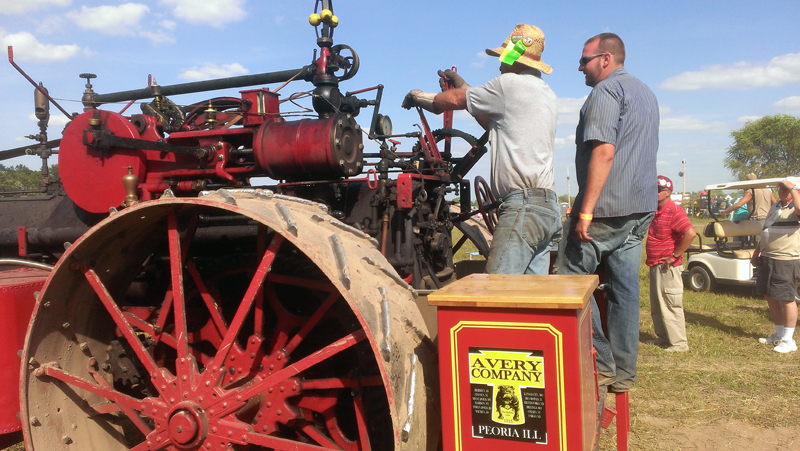
nowthenlogoThe Nowthen Threshing Show.  I’ve seen the notices for this event since we moved up here 20 years ago, but never got around to going.  This year Kate and I drove over.  It’s only a few miles away.  I imagined a few steam driven machines, maybe some old tractors.  Boy was I off.  This event had acres of cars parked east of a huge exhibit area with a track for the Parade of Power that ran around a circular railroad track for the small gauge Nowthen Railroad.  On the south side of the tracks sat food trucks with “walking IMAG0826tacos” and “BLT tacos.”  Behind them, further south, was a large flea market.  I remarked to Kate that it would have been interesting in Ecuador, here not so much.

On the north side of the tracks was a small depot for the Nowthen Railroad and behind it, across the track for the Parade of Power (any older farm machinery that moved on its own) was a blacksmith’s shop with three forges and older men with younger apprentices working metal.  This building also had a woman spinning thread.  A craft building had hooked rugs, quilts, knick-knacks and a bit of pottery.

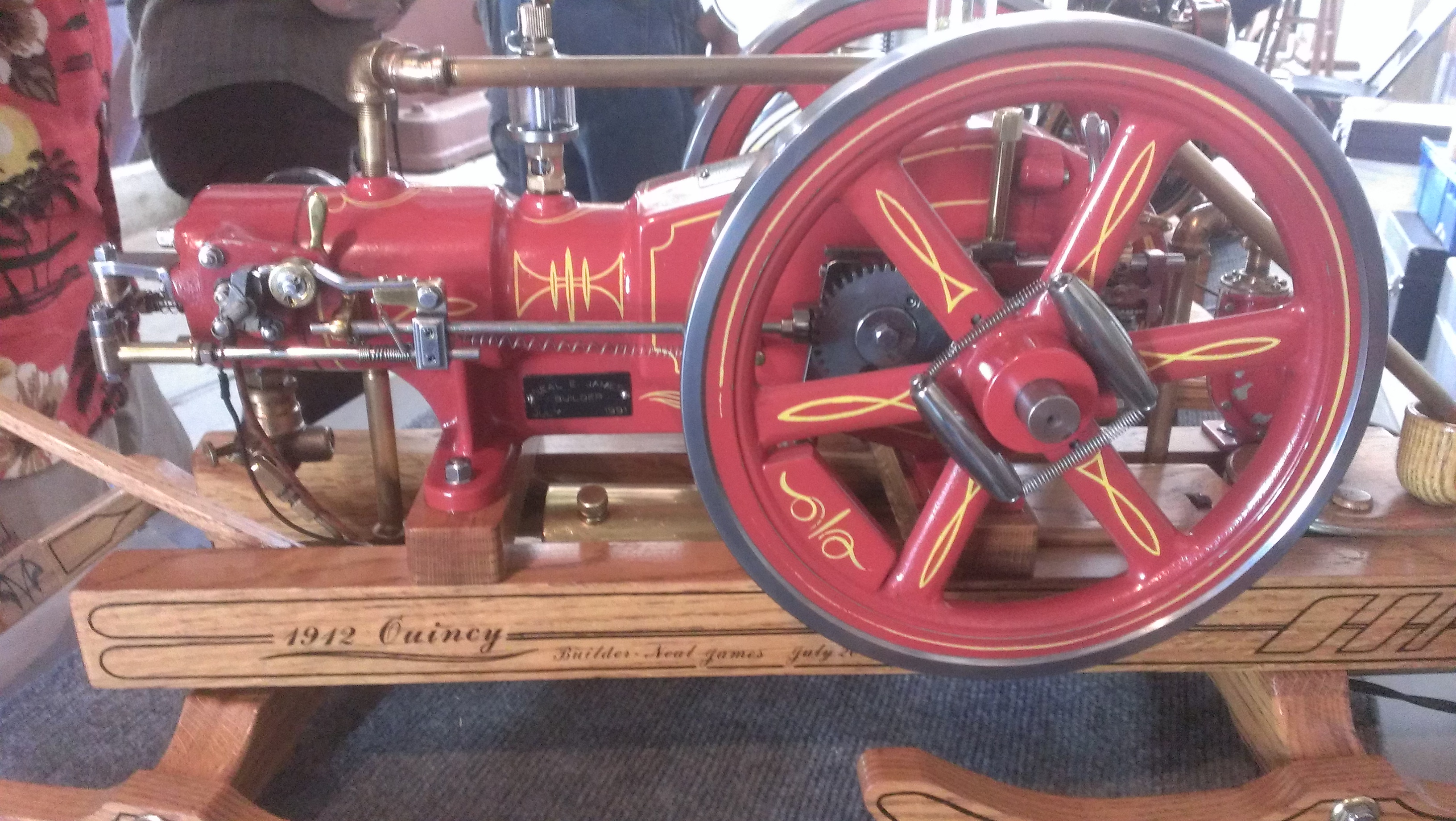
There was a letterpress building with an old Heidelberg letterpress, a small press versionIMAG0831 of the giant Heidelberg that printed the Alexandria Times-Tribune in my youth.  Behind the press was a building labeled Steam Machines.  In it were several steam pumps, all working, a large piston driven wheel that worked a generator in a long ago electricity generating plant and a crowded table about 10 feet long full of miniature steam engines powering miniature machines.

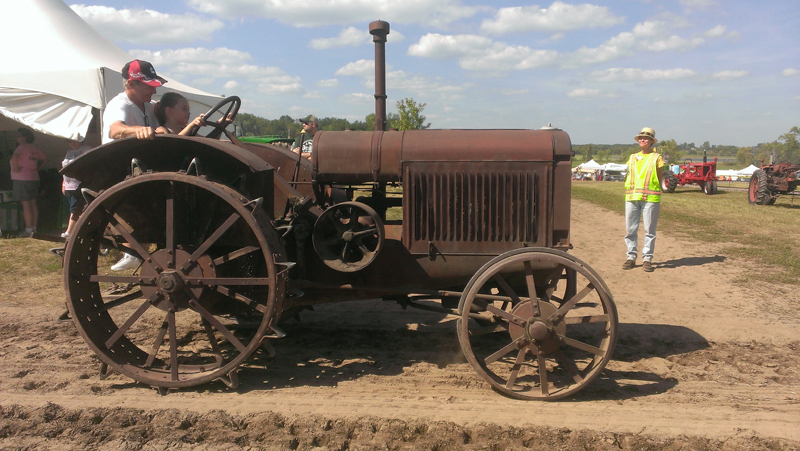
As Kate and I wandered among the buildings, the Parade of Power was underway on the 800IMAG0821track which ran between two rows of buildings.  The announcer would give the name of the equipment, its age and the owner who had restored it and, probably, drove it.  I say probably because as you can see in this photo one of the traditions of farm life was underway on this old tractor, a young girl drives it.

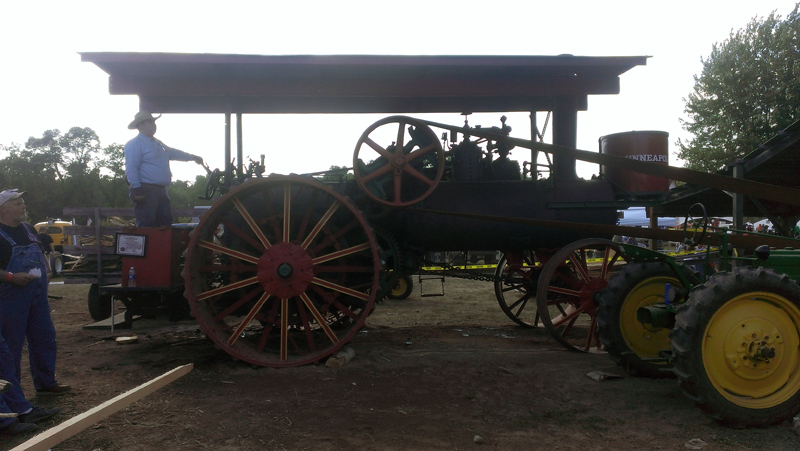
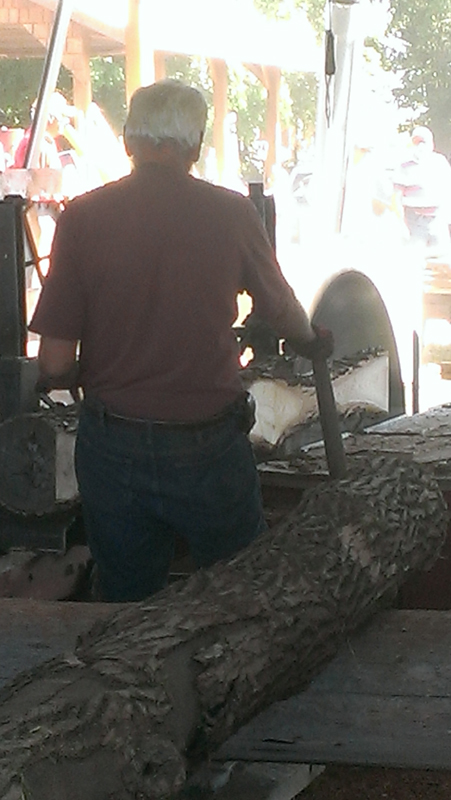
My favorite exhibit was the old saw mill which had this huge mobile engine driving it. 800IMAG0833The tree trunks passed through the saw shown here.  This was dangerous work, as you can see by the open saw blade, but equally dangerous were the power belts that connected the steam engines to the threshers, sawmills, silage grinders, or hay balers.

800IMAG0835

These, too, are my people.  Political radicals, docents, environmentalists, scholars, poets and writers, and farm folk are the milieus where I feel comfortable.  As we left the parking lot later in the day, a man signaled I could come into the exit lane with the familiar flick of the right index finger above the steering wheel.  I signaled thanks the same way.

Of course, these kind of things have to interest you, but if they do, every third week of August tiny Nowthen becomes a happening place for motorheads, old farmers and folks curious about how things used to be done.


Americana

Lughnasa                                                                      Honey Moon

800IMAG0801cropped

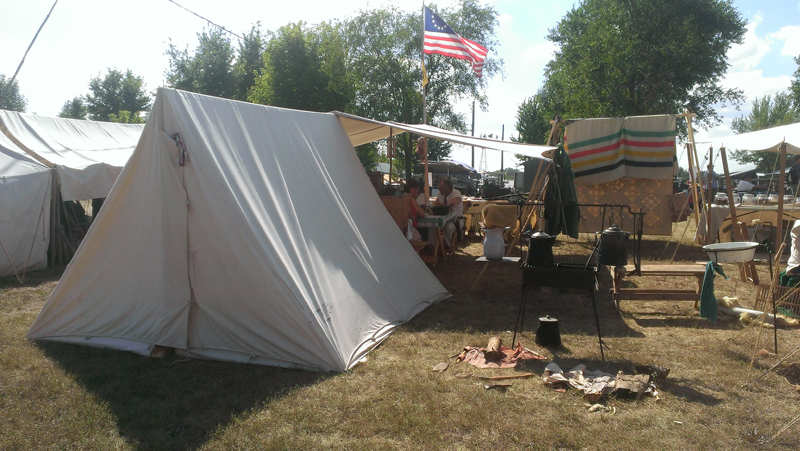
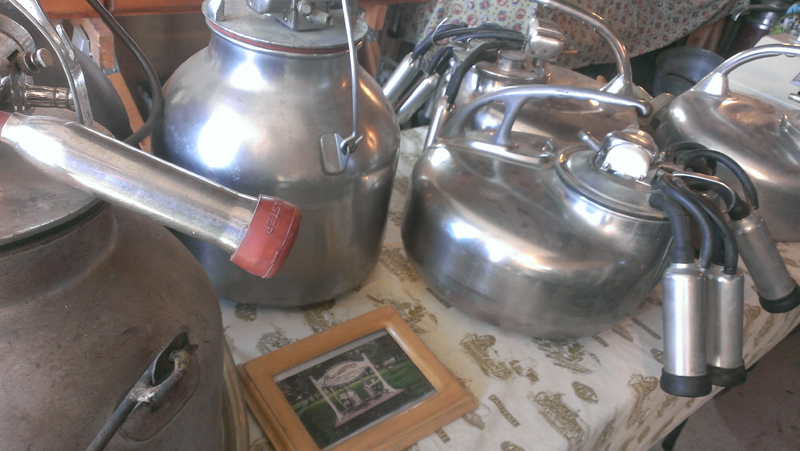
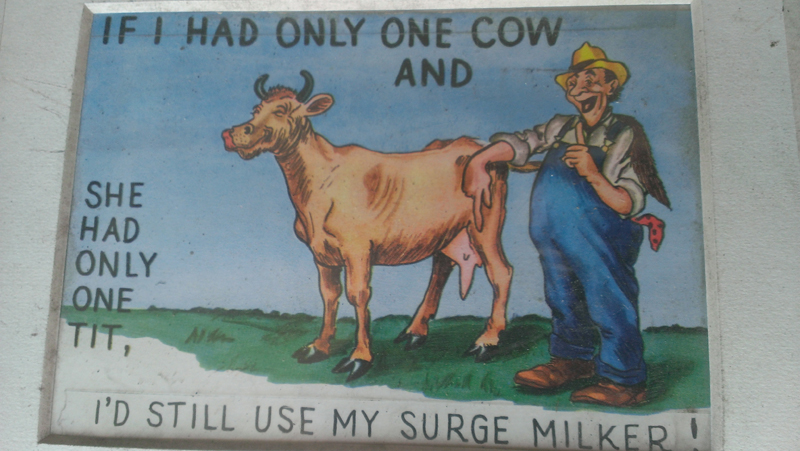
Two slices of Americana, one yesterday and one today.  The first pictures are from the Fabric Outlet Store, a place owned by a funny Jewish guy who liked my hat.  The second are from an event that happens not 6 miles from our home every August, but to which we went for the first time today, the Nowthen Threshing Show.  I’ll let the pictures speak for themselves.

800IMAG0806800IMAG0807800IMAG0839800IMAG0821800IMAG0833800IMAG0813800IMAG0823800IMAG0825800IMAG0835

This One Is A Miracle

Summer                                                            Moon of the First Harvests

What a wonder.  A black president speaking as a black man about the lived experience of young black men.  Trayvon Martin, he said, could have been him 35 years ago.  A young black man in hoodie, suspected of, what?  WWB?  Walking while black.  Maybe about to do, something.  And something, wrong.  Bad.  Hearing clicks on car door locks as you walk by.  Being followed in stores.  Indelible and seemingly inevitable.

Yet, of course, he is not Trayvon.  No, he is the president of the most powerful nation the world has ever known.  Maybe the most powerful it will ever know.  And even he, with all that power at his disposal, literally at his command, can imagine himself into the life of a young man seen, paradoxically, as both powerless and invisible and all too visible and dangerous.

Racism and its even more evil progenitor, slavery, stand out as the original sin, the stain on this city on a hill, this beacon of freedom and hope.  We white folk have done this and that, but not too much and now the time of our dominance is passing.  This nation will become a colorful quilt with white as one shade among many rather than the shade against which all others stand inferior.  May that day come soon.

There are many things I feel privileged to have witnessed.   The civil rights movement. The anti-war movement.  Feminism and the rise of women. A world in which the whole planet must be taken into account when making decisions.  A man walking on the moon. Routine space flight. The discovery of extraterrestrial planets.  The discovery of DNA.  The global recognition that the people can challenge their government.  And win.  So many things.  These and more.

But, this one, a black president speaking about the lived experience of being a young black man.  This one is a miracle.

Technology

Summer                                                                  Moon of the First Harvests

What’s the railroad to me?

What’s the railroad to me?

I never go to see

Where it ends.

It fills a few hollows,

And makes banks for the swallows,

It sets the sand a-blowing,

And the blackberries a-growing.


About This Poem

Henry David Thoreau was cautious about the effect of technological progress on mankind, feeling that it often could be a distraction from the inner life. In his book Walden he famously writes, “We do not ride on the railroad; it rides upon us.”

American Prairie Reserve and its conceptual partners

Summer                                                             First Harvest Moon

Make no little plans.  Daniel Burnham

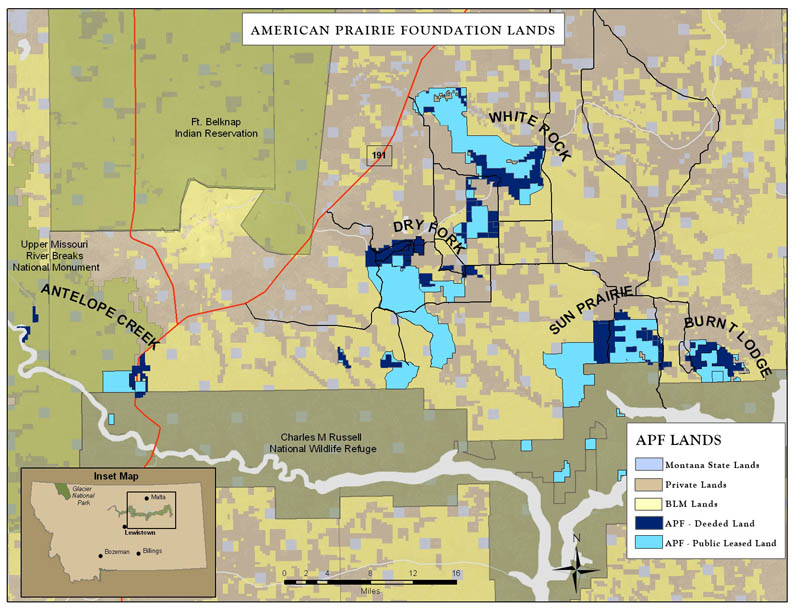
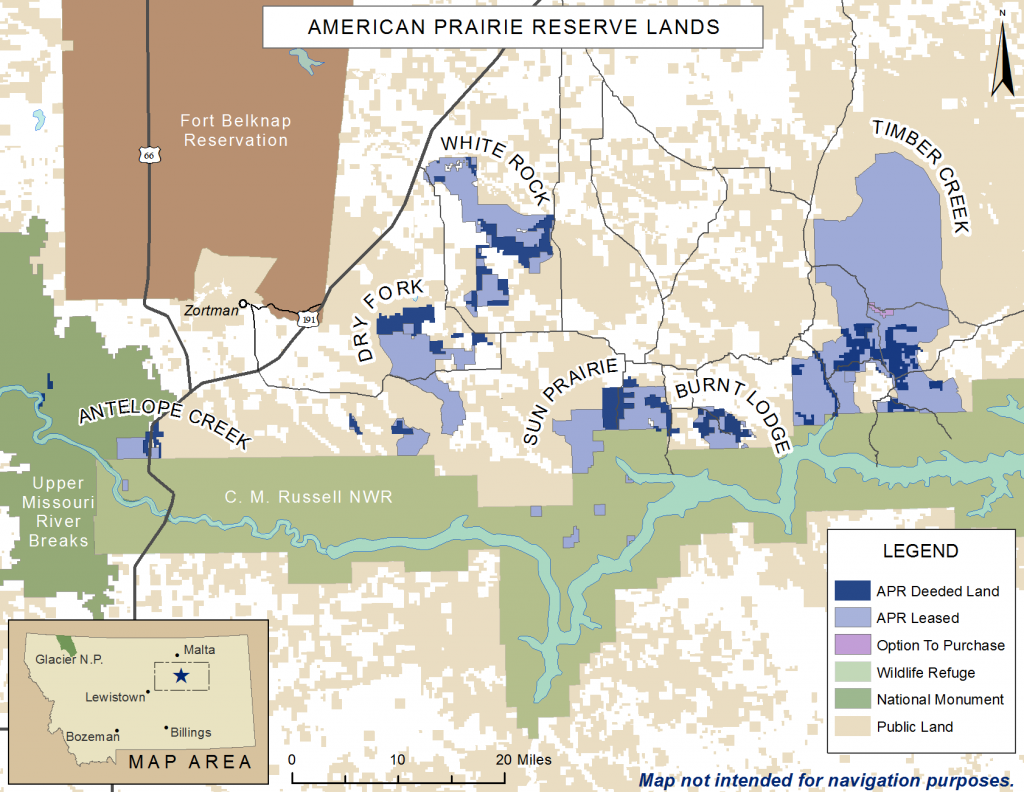
The American Prairie Reserve fits Burnham, a macro-thinking architect of Chicago.  This is a plan to knit together lands under public management by a private foundation’s purchase of lands from willing sellers.  The goal:  an intact grasslands eco-system, 3,000,000 acres in size, the size conservation biologists estimate is necessary to preserve what was once a dominant ecology in the middle and western U.S.

They’re well on their way as the maps below can show.

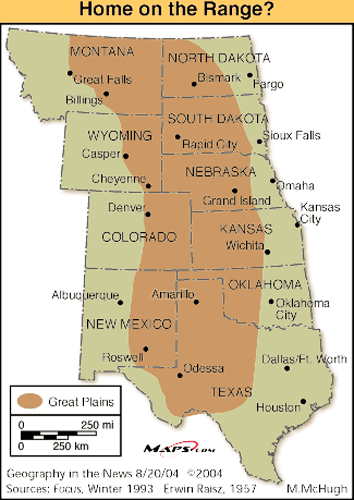
A similar idea that I recall from a NYT magazine article years ago is the Buffalo Commons. And the wikipedia information. Apparently it still has some life, too.  It was in part a response to the unsustainable agricultural practices in the mapped area.

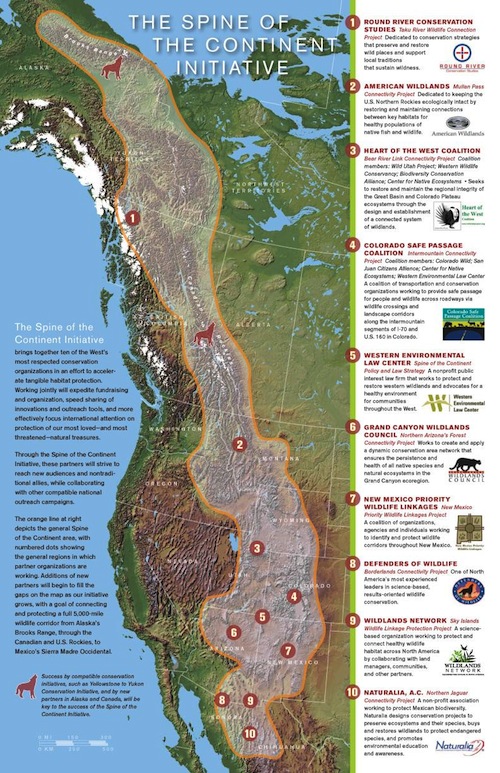
And, there’s one I hadn’t heard about, the Western Wildway.  See maps below.

IMAGINE

a grassland reserve of THREE-MILLION acres – a wildlife spectacle that rivals the Serengeti and an AWE-INSPIRING place for you and your children to explore.

Imagine helping to
build a national treasure.

Two maps, the bottom map is current.


The Beginning of the End of Summer

Summer                                                             Solstice Moon

July 4th is the midpoint of summer for me.  It’s not in terms of the calendar or meteorology, but in my visceral sense of times ongoingness, the one that tells me when I am, I now am between the 4th and Labor Day.  I suppose that harkens back to school days when there would be the 4th of July parade, then Labor Day marked the beginning of school.  What remains is a vestigial feeling that the next big thing to happen is the ringing of school bells.

(that’s me, second from the left on the first row)

The school bell has long ago faded and even the summer pace of work is gone, for me now almost 25 years.  Yet that sense that summer has reached its climax and now speeds its way toward the denouement still sends its signals.  The garden does pick up speed now with plants maturing, more and more vegetables ripening, fruit, too.  The arc of the garden though does not know Labor Day, does not have a building and a bell in its lexicon.  It knows the growing season, the gradual warming, then cooling of the daytime and nighttime temperatures.

With Latin on hold I’ve begun to work outside a bit more regularly since I no longer feel as crunched for time in the mornings.  That means I can participate more fully in the garden’s life.  Many garden plants, especially vegetables, run through their entire life cycle during the growing season, going from seed to stalk to leaves to fruit, then senescence.  The school year that I inherited was one sensitive to this rhythm.  It allowed the kids to come home from school during the months their labor was crucial on the farm, during the height of the growing season.  The need for that passed long ago as the number of family farms has steadily declined.

Yet like my inner sense of time the school system continues on, its memory of the days of the family farm institutionally intact.