Category Archives: Great Work

The Arc of Summer Begins to Bend Toward Fall

Summer                                                            Moon of the First Harvests

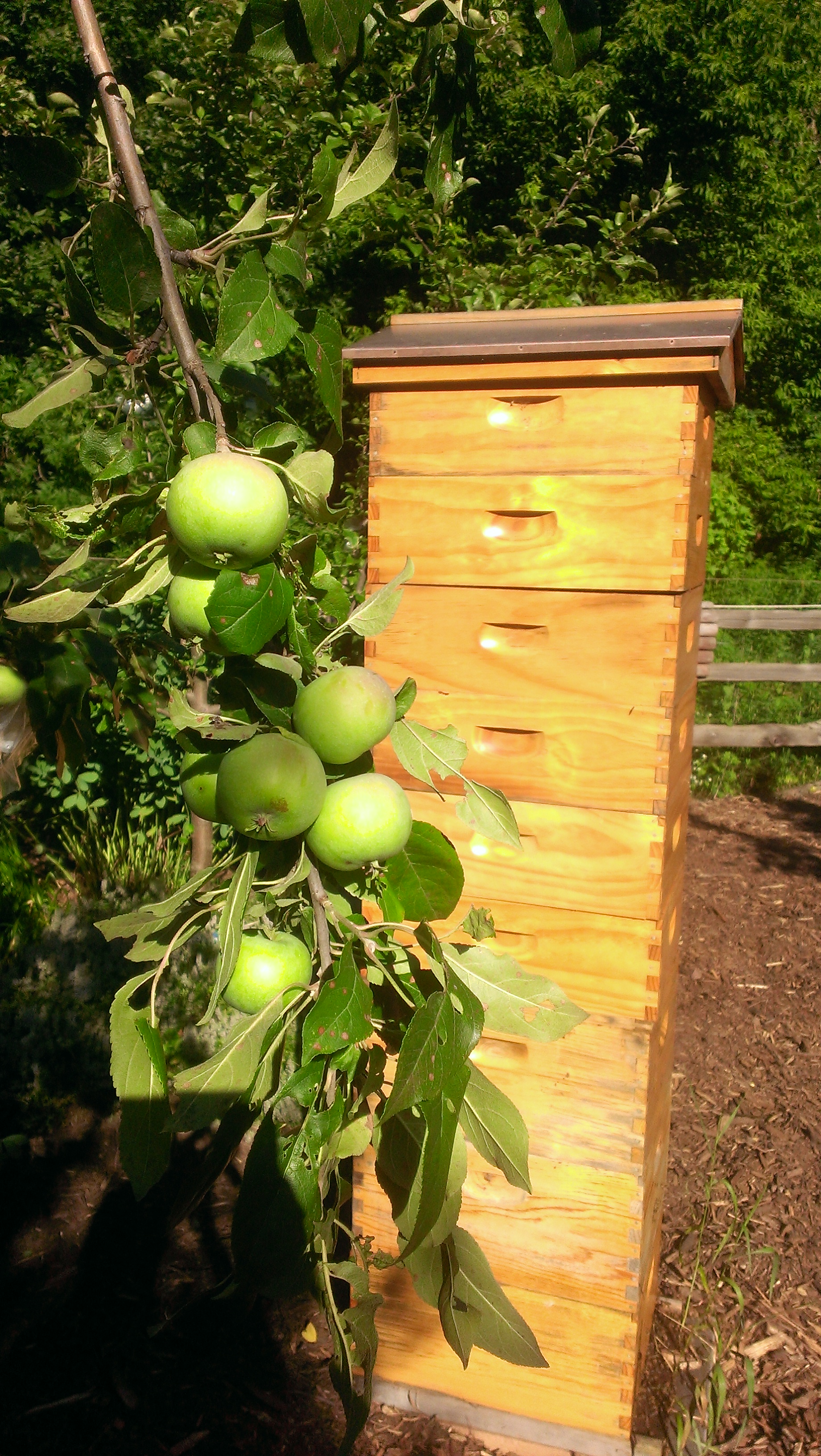
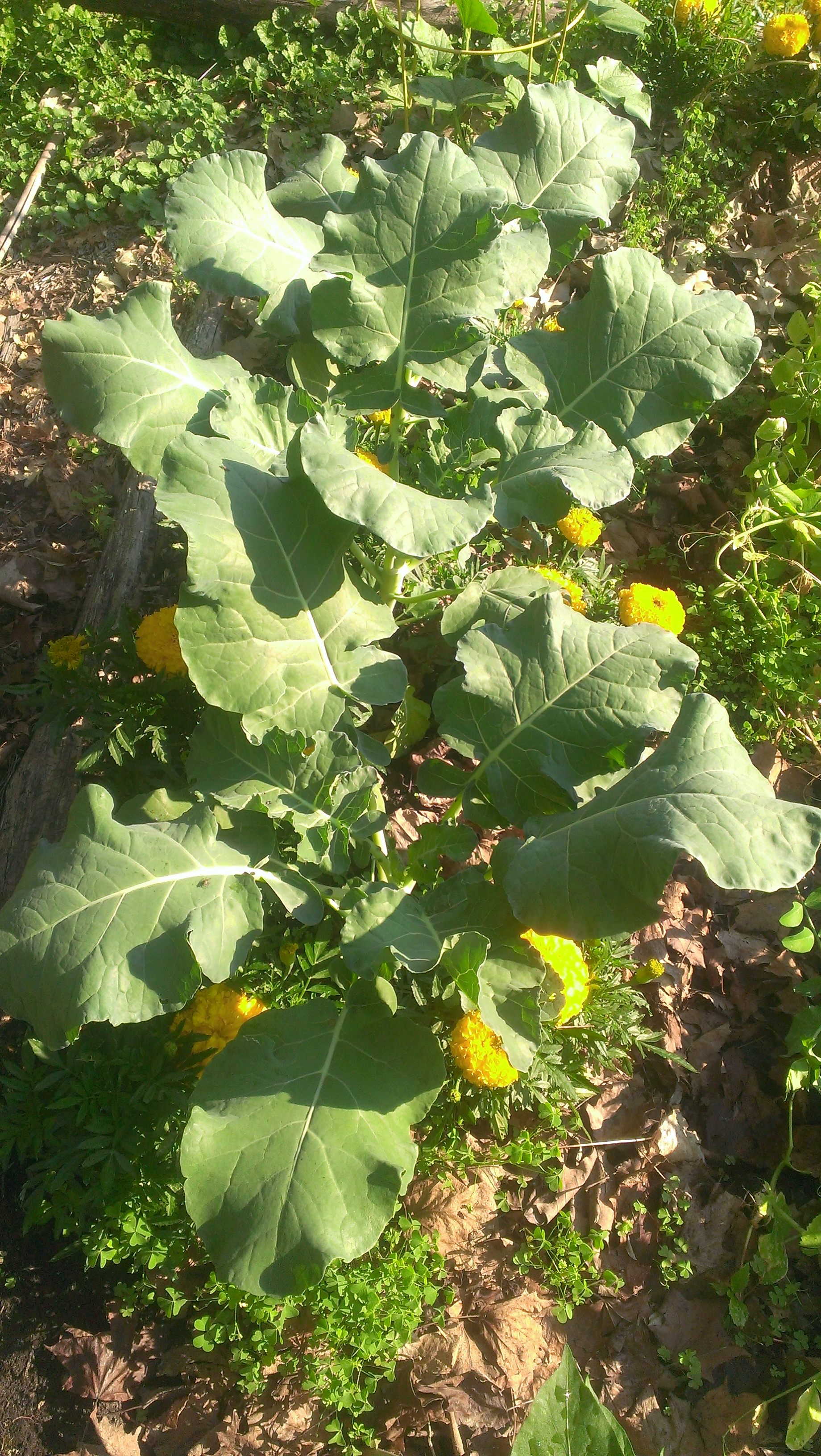
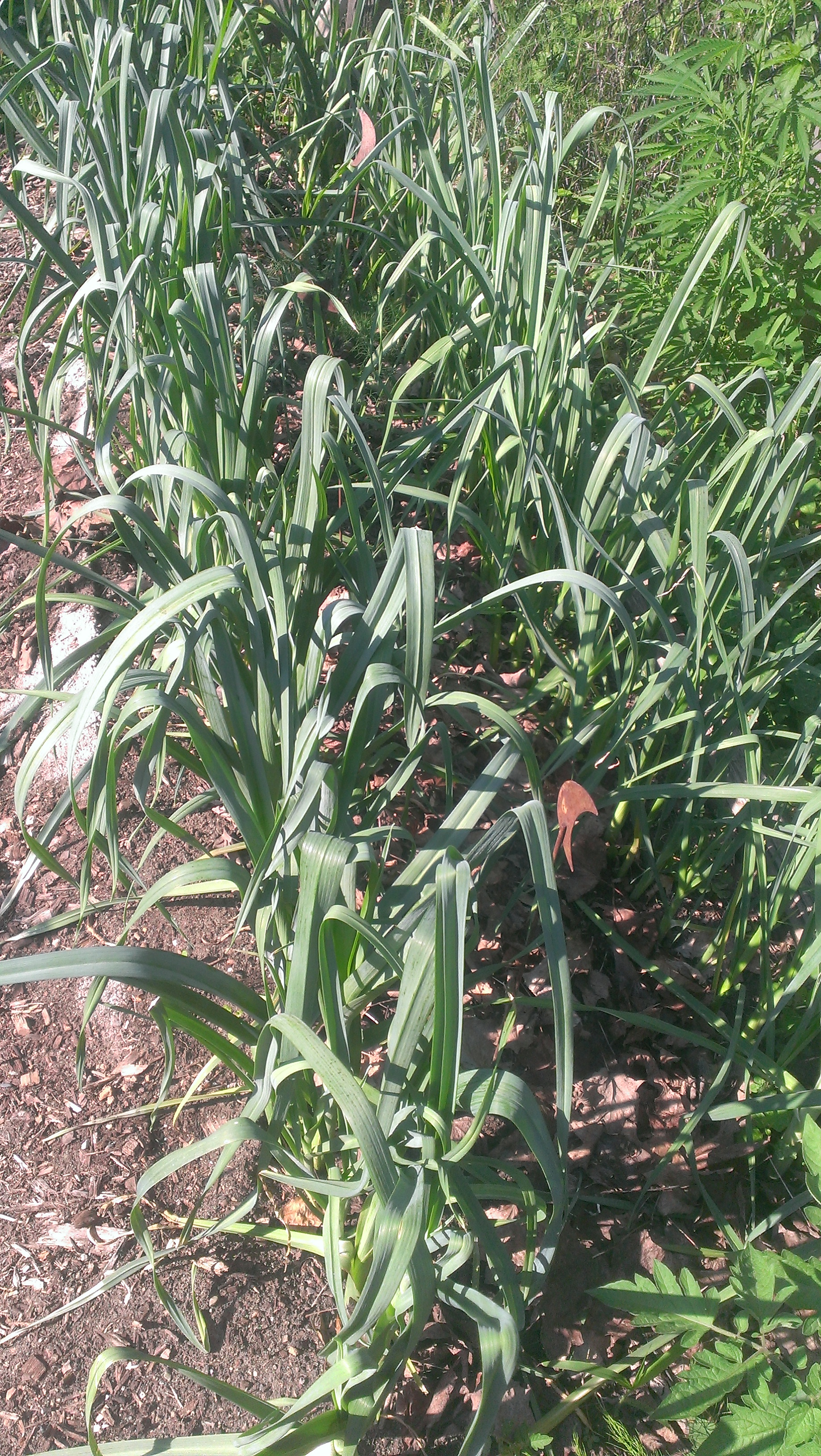
A light rain falling as I went out this morning.  The garden continues to look strong, the tomatoes are about to enter their bearing and ripening phase, maybe a week, maybe a little more, then Kate will have the stove filled with canning and the counters with canning equipment.  Later on the raspberries, which is a bulk harvest, too, and the leeks, even later, will also be a bulk harvest.  Around the time the leeks are ready, the apples should begin to ripen.
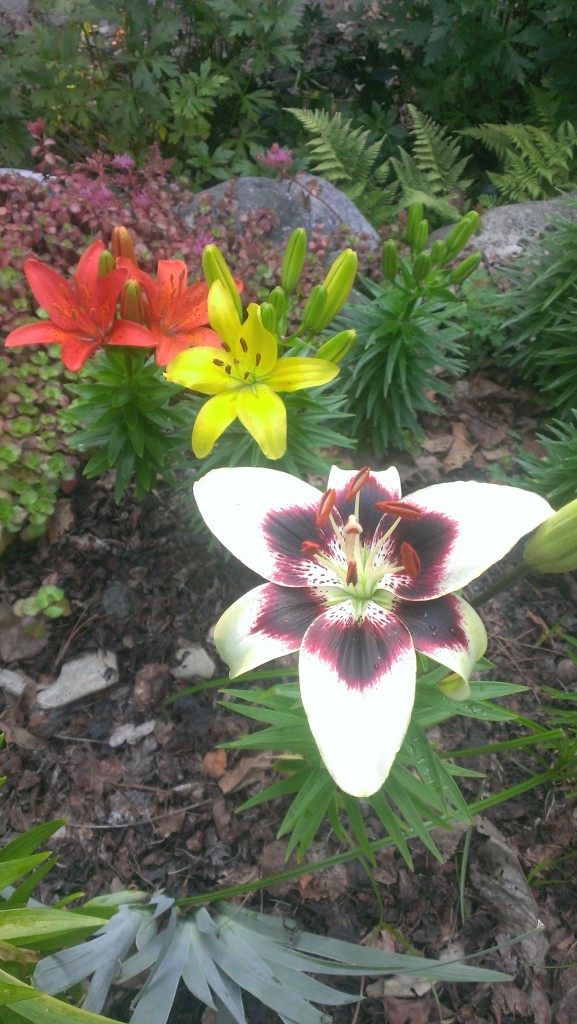
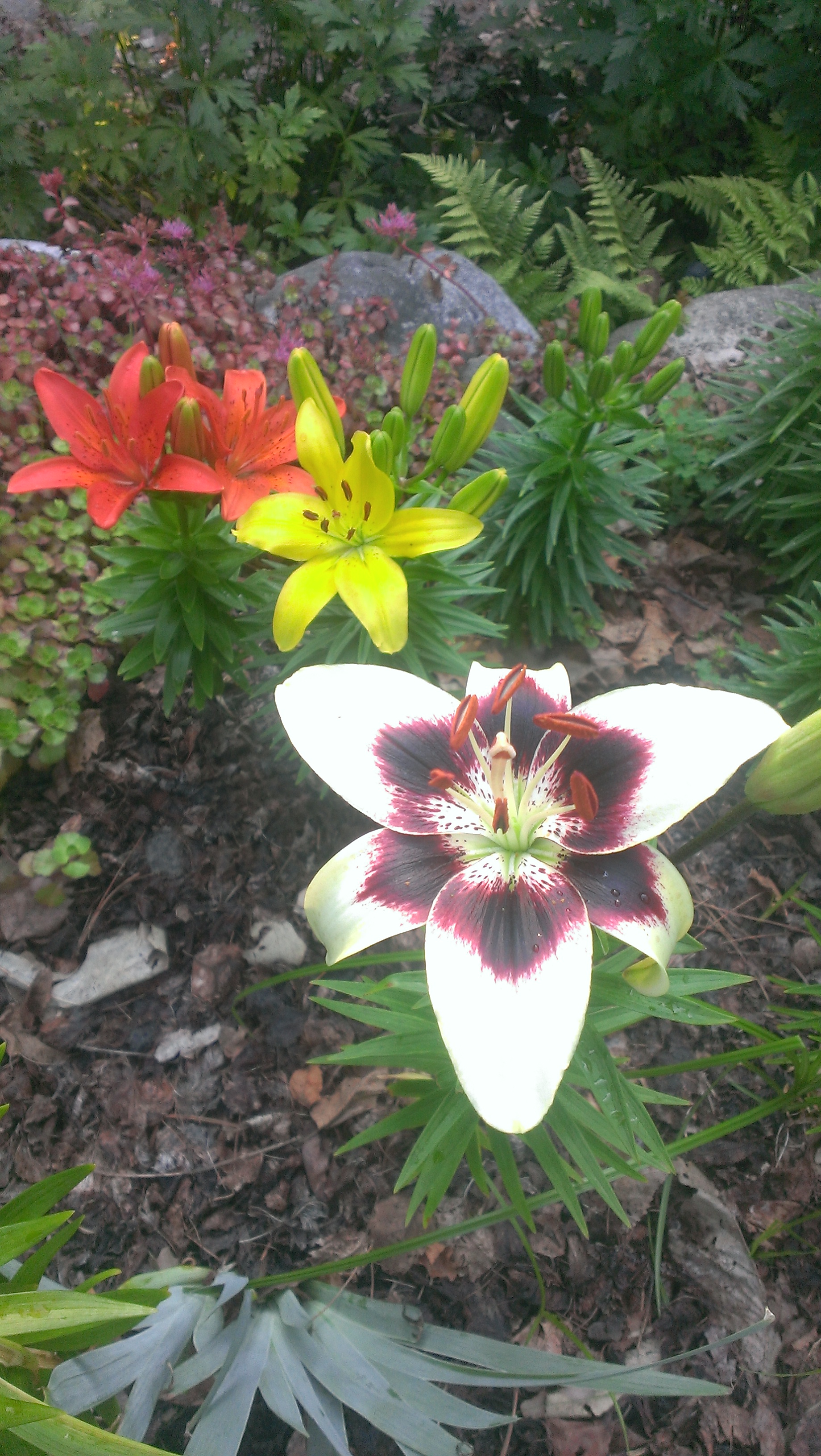
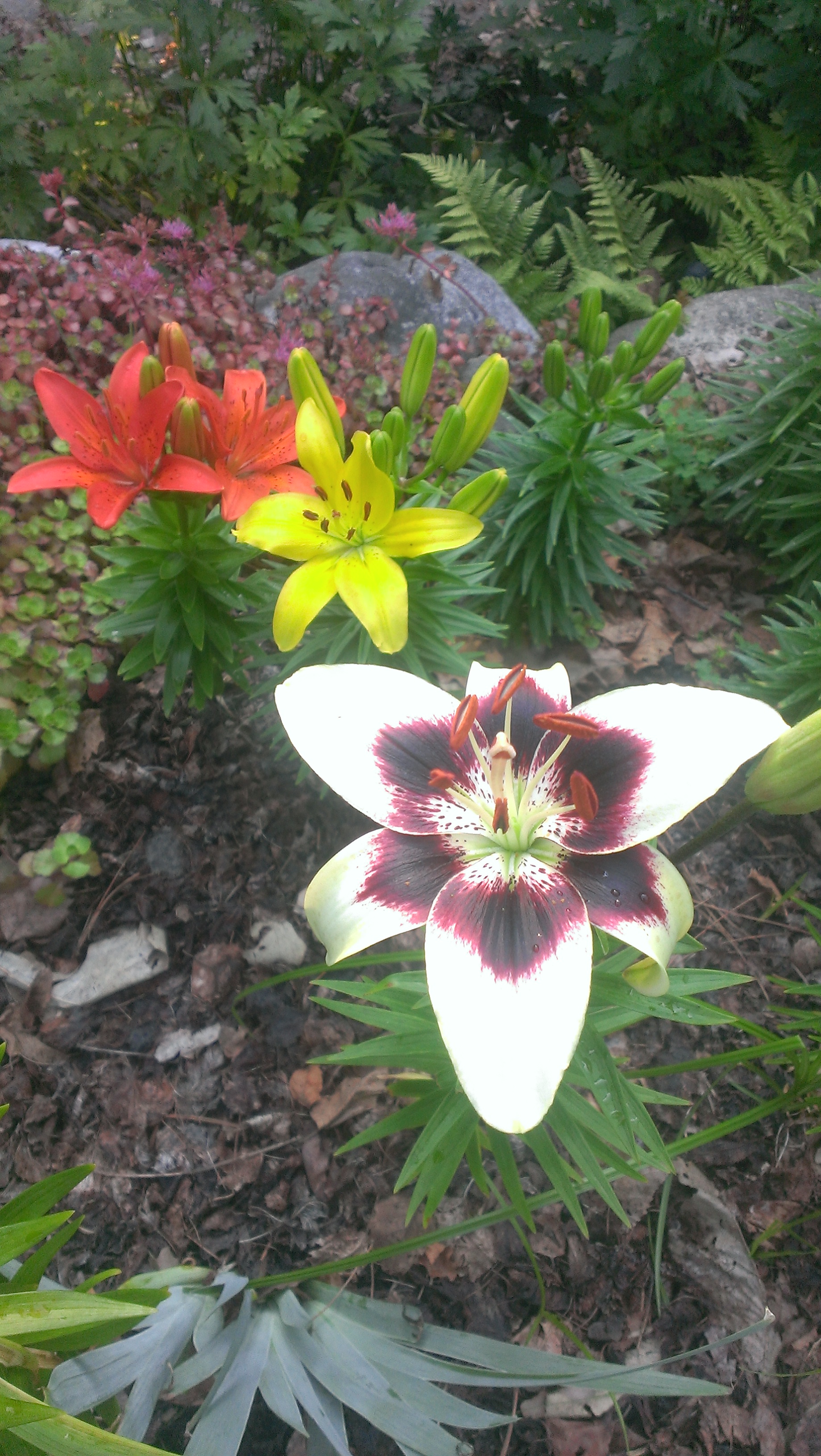
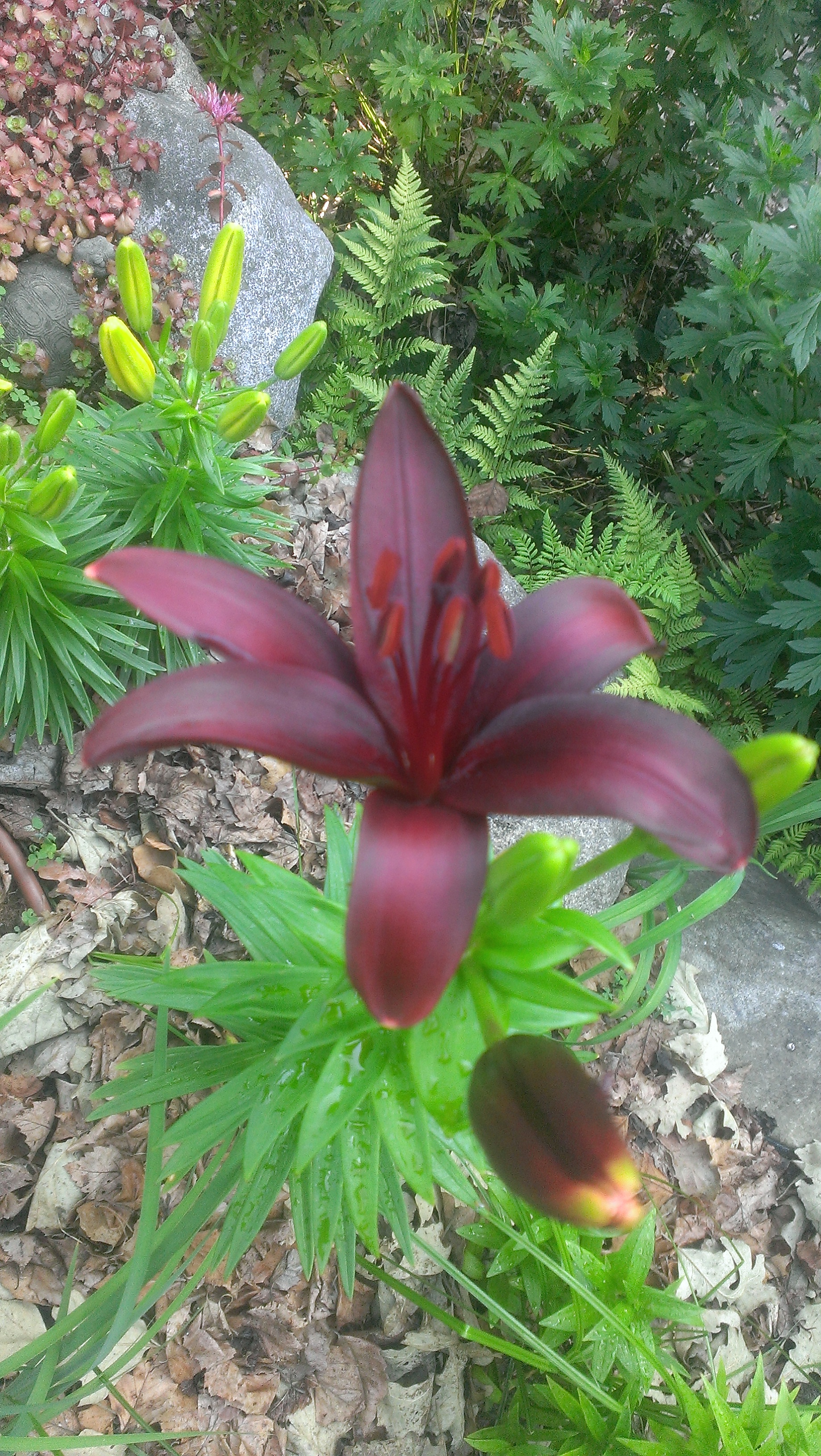
I’m especially pleased with my new lilies from the Northstar Lily society:  the dark purple, the trumpet of white with yellow, the cream colored vase shaped, bright yellows and pinks. Their colors are vibrant.  They pulsate.  Mid-July is my favorite flower season.  Well, mid-July and early spring.  I also love the spring ephemerals.  The rest I enjoy, but these flowers make my flower growing season.

Sprayed again this morning, this one an oil based spray to strengthen the plants against insects.  It does seem to be the case, with the exception of the beets and the cabbage that insect predation is down from years past.  This has been such an odd year, especially compared to last year–hot and dry, that it’s a little hard to generalize.  It does seem to be the case that stronger plants equal better insect control, by the plant.

While the Woollies were here, I commented on the amount of money we’ve put in the outdoors.  Initially, the landscaping by Otten Brothers.  Then clearing the land for the vegetable and orchard areas. (cost here mostly stump grinding and renting the industrial strength wood-chipper.) The raised beds.  Then the ecological gardens work with the orchard and some in the vegetable garden.  Fences around the orchard and the vegetable garden and the whole property.  Irrigation zones.  The fire pit.  Mulching the orchard and the vegetable garden.  Bulbs in the fall for many years.  We’re raising expensive tomatoes.
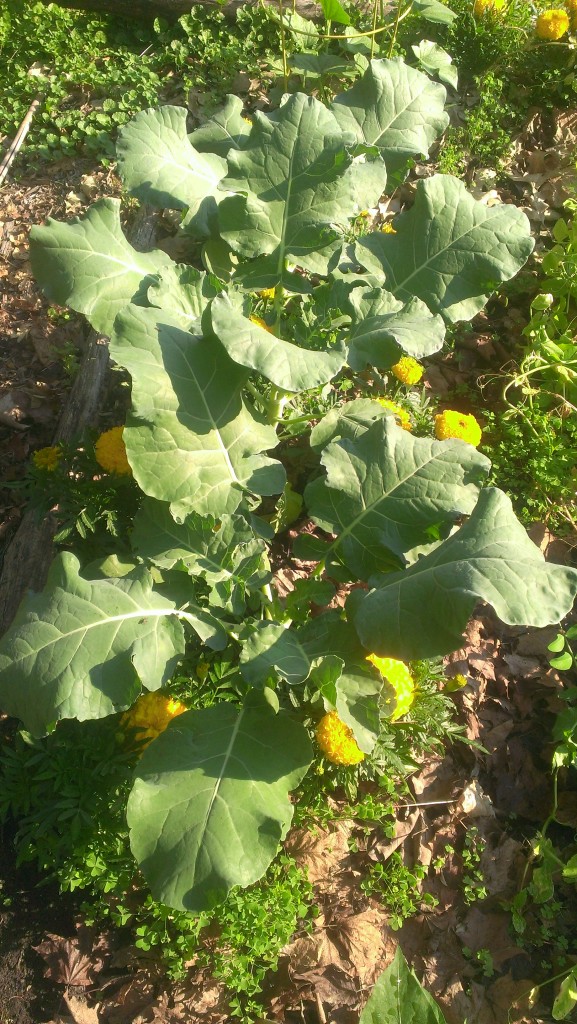
But, this kind of accounting leaves out the most significant parts of all this work.  It keeps us outside, using our bodies.  The whole grounds are a joint effort, in work, planning, and hiring.  It also allows us to produce a good part of our vegetables at quality we effect and flowers for our tables.  Fruits, too.

Best of all it keeps us focused on the rhythms of the earth.  Winter puts the garden to sleep and relieves us of its care (for the most part).  Spring sees our fall bulb planting rewarded and our earliest vegetables planted.  Summer finds us intensely involved with weeding, thinning, managing the various crops for the year.  Fall finishes the harvest and brings senescence.
 

High Brix Gardens

Summer                                                                          Moon of the First Harvests

I’m almost one and a half months into the  International Ag Labs supplement program called High Brix Gardens.  This morning I sprayed a product for general plant health, fish oil, mainly.  When I look at the tomatoes, eggplants, tomatillos, peppers, carrots and beets, I see healthy, vigorous plants with lots of fruit or roots.  The healthy, vigorous look seems to have come from the supplements.

Over the weekend I’m going to use friend Bill Schmidt’s refractometer to measure the brix value of fruits and vegetables from our garden and orchard.  “When used on plant sap it is primarily a measure of the carbohydrate level in plant juices.”

“…mineral composition is not the only component of nutrition to be found in plants. It is the cheapest to analyze and is the foundation of al the other nutritional components of plants such as vitamins, amino acid profile, enzymes, sterols, and essential oils among many others. Since all these components contribute to the total dissolved solids we use the brix readings as the general indicator of quality and the mineral composition as the specific indicators of quality.”  High Brix Gardens


Lilies, Leeks and Lumber

Summer                                                       First Harvest Moon

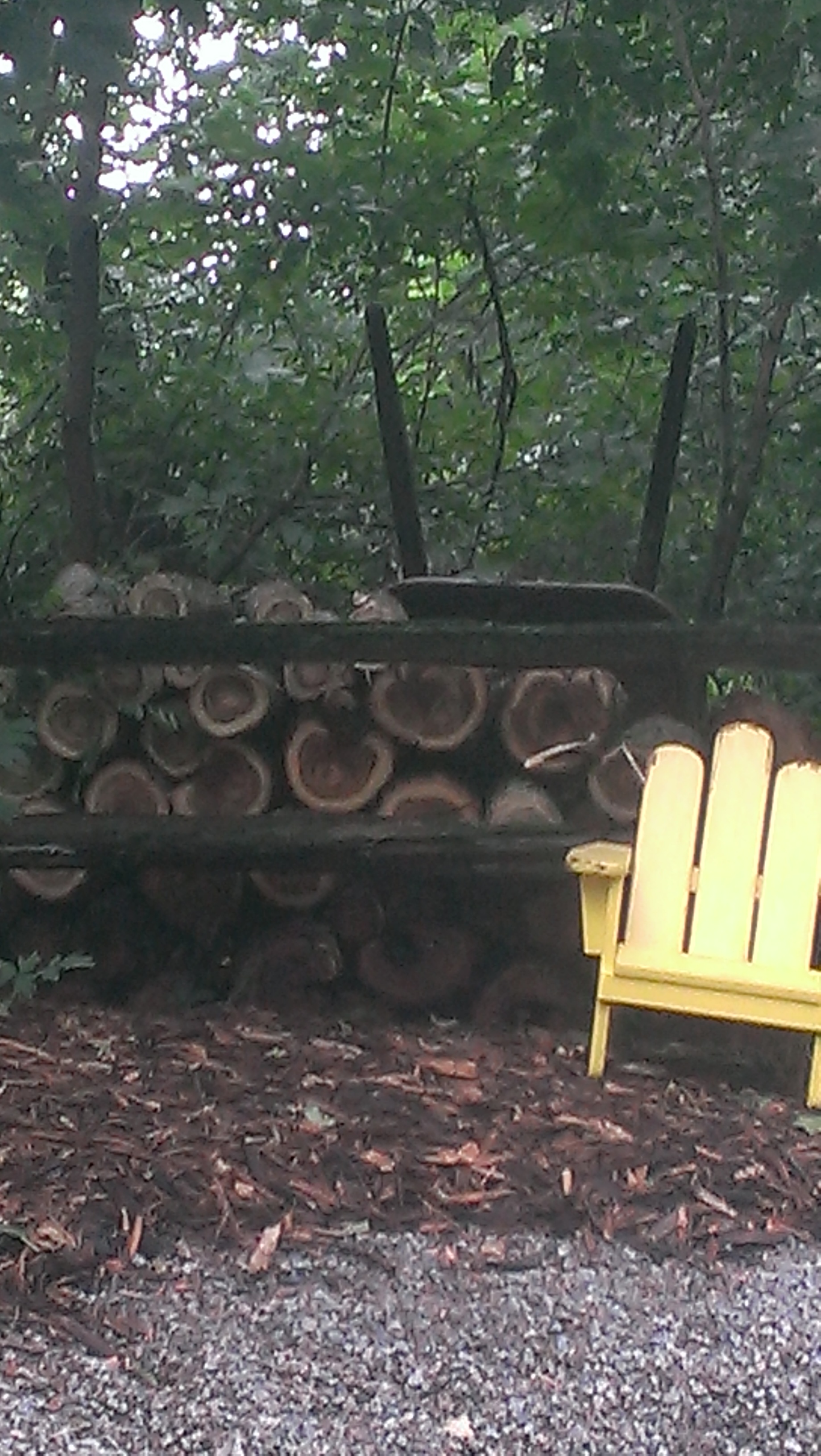
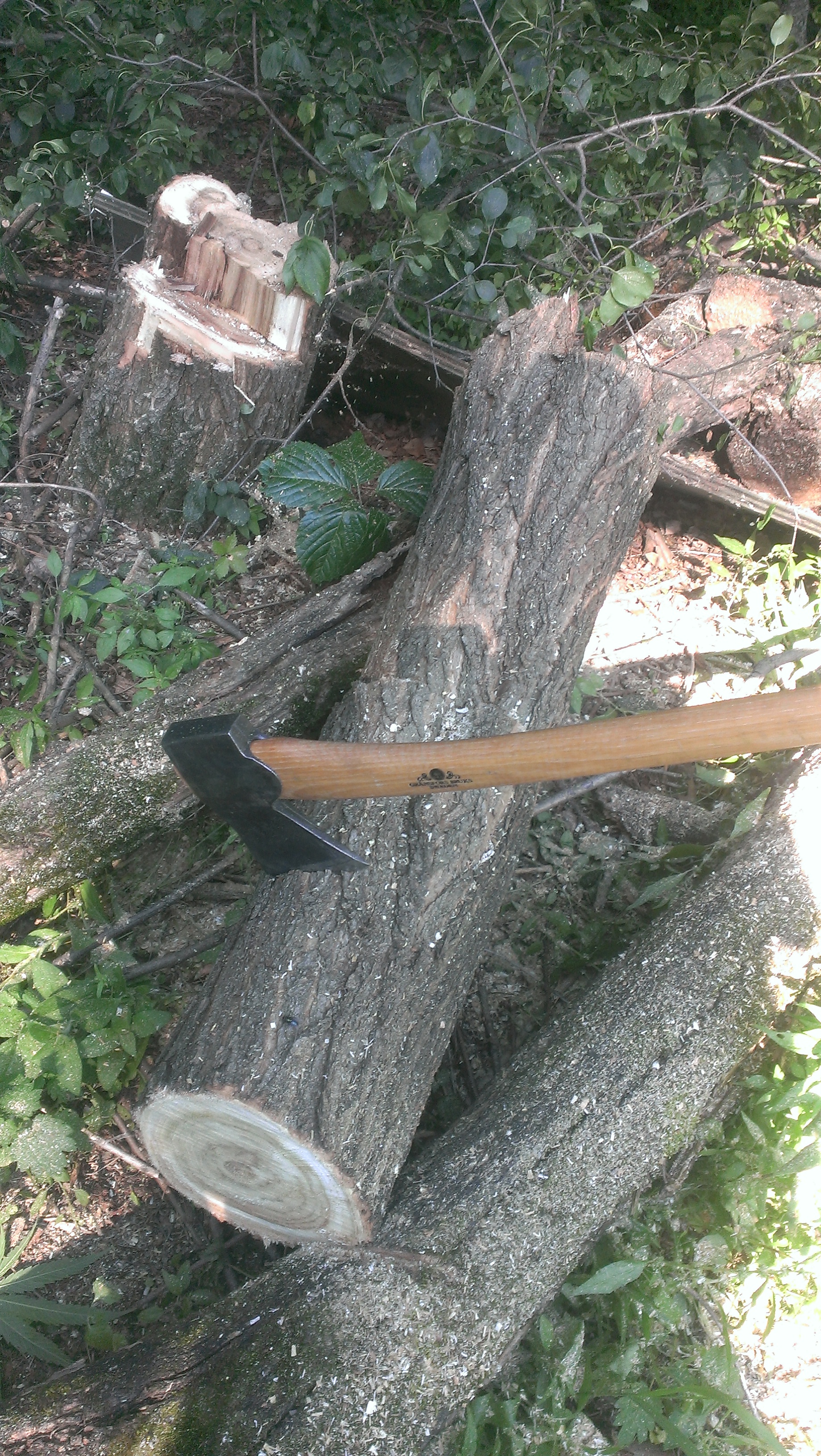
Today, again, harvesting trees.  This time black locust, a thorny tree that grows fast and germinates easily.  In olden days fence posts, foundation posts, anything requiring a sturdy rot-resistant wood were common uses of the black locust.  This tree will get used as firewood for the great Woolly ingathering here on Monday.

Other hardwood trees like oak, in particular, but ash and maple and others as well, require a year or two of drying to get their moisture content below 20%.  Black locust is a low moisture wood even when it’s alive.

In felling this tree my directional cut was at a slight angle and the tree came down on our vegetable garden fence.  But.  Fortuna was with me.  The main branch that hit the fence landed right on top of a fence post, square cedar. It didn’t mind at all.  May have sunk a bit lower in the earth. A slight dent in the gate where a smaller top branch made impact, otherwise, the fence came through fine.  Whew.  Felling trees is art as well as science and I mishandled this one.

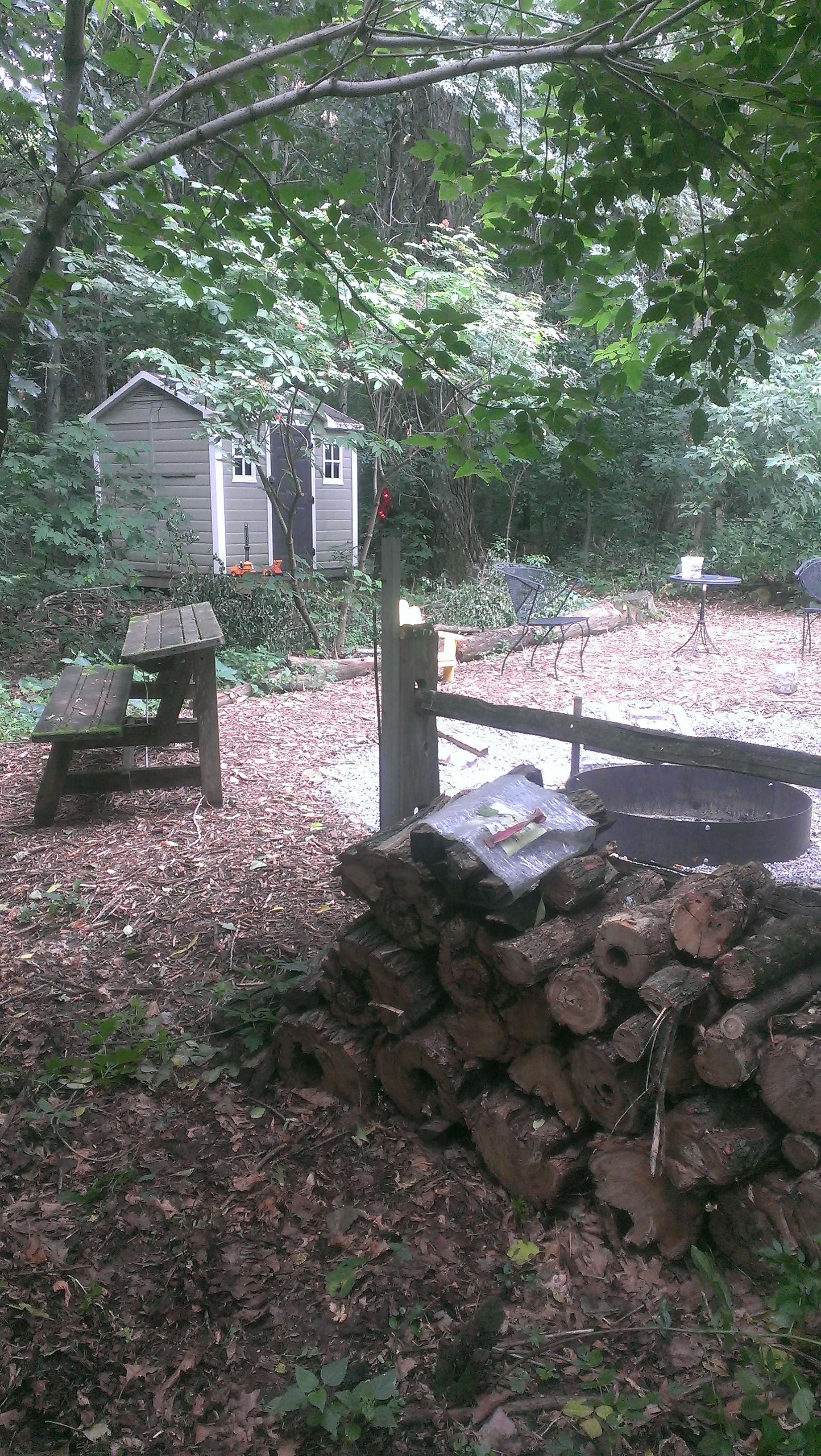
Early this morning I sprayed Enthuse, a product to generally spiff plants, give them an energy boost.  That was over all the vegetables and the blooming lilies.  The lilies are my favorite flowers by far and almost all of the varieties that I have I purchased at the North Star lily sale last spring.  These are lilies grown here, hardy for our winters.  Here are pictures of the current state of the gardens and preparations for the Woolly homecoming.

Pruning the Woods

Summer                                                              First Harvest Moon

Felled an oak today, about 8 inches thick.  It was too close to other oaks, competing with them.  As I build up our firewood supply, I also think about pruning the forest, trying to put into practice advice given to me years ago by a member of the DNR’s forestry team.  It has taken about 18 years to get started; I don’t like to rush into things.

Every time I use a chainsaw it takes me back to the not-so Peaceable Kingdom.  That was my first and most all-in back to the land moment.  I gave up urban life, a good job and seminary to move onto the 80 acre farm Judy and I bought.  You know the story, she leaves for good shortly after I get there.

That left with me a woodburning stove for heating and one for cooking, so I had to have firewood.  On our 80 there was a small forest, larger than the one out here with plenty of firewood ready for harvest.  I’d put my Jonsered in the bed of my green International Harvester pick-up, drive into the woods, cut down a tree or two, cut them up, toss them in  the truck, then head back to the house.

I stacked the wood there, unless it was dry already.  If it was dry, I’d start splitting it for use right away.  The stuff that wasn’t dry waited until deep winter when the cold would do some of the work.

The wood cutting and using the wood stoves were highlights of that time, a modest form of self-sufficiency, off the grid as far as fuel oil went.

The muscle memory lingers and pops into play every time I yank the starter cord.  Good memories.

Whole

Summer                                                                   First Harvest Moon

Without the Latin I’ve had considerable time to focus on revising Missing.  I’m finding the rhythm of garden work and writing very satisfying.  I can work outside in the earlier morning, then revise until lunch, and pick up the revising again after lunch and until I work out.  This means a steady pace, one that leaves me feeling whole at the end of the day.

Feeling whole means that I’ve kept up with my commitments.

There’s a part of me that feels bad about letting the Latin lie, I’ve put so much energy into it up to now, but the feeling of wholeness I’m gaining suggests I had spread myself too thin.  It may be that I’ll work on the Latin only after garden work falls away sometime in September, then drop it again in May.  I like to adjust my life to the seasons and that would be another way to do it.


American Prairie Reserve and its conceptual partners

Summer                                                             First Harvest Moon

Make no little plans.  Daniel Burnham

The American Prairie Reserve fits Burnham, a macro-thinking architect of Chicago.  This is a plan to knit together lands under public management by a private foundation’s purchase of lands from willing sellers.  The goal:  an intact grasslands eco-system, 3,000,000 acres in size, the size conservation biologists estimate is necessary to preserve what was once a dominant ecology in the middle and western U.S.

They’re well on their way as the maps below can show.

A similar idea that I recall from a NYT magazine article years ago is the Buffalo Commons. And the wikipedia information. Apparently it still has some life, too.  It was in part a response to the unsustainable agricultural practices in the mapped area.

And, there’s one I hadn’t heard about, the Western Wildway.  See maps below.

IMAGINE

a grassland reserve of THREE-MILLION acres – a wildlife spectacle that rivals the Serengeti and an AWE-INSPIRING place for you and your children to explore.

Imagine helping to
build a national treasure.

Two maps, the bottom map is current.


Among the Buckthorn

Summer                                            Solstice Moon

Cleared buckthorn, again, from the area around the grandkid’s playhouse and the fire pit, leaving in serviceberry and small ash trees. Rejuvenating the understory is difficult to impossible with buckthorn present since it chokes out most things shrub size and below.  In certain areas of our woods it’s a remediable problem, those areas not on the boundaries with the neighbors.

Sitting outside now in the evening, watching the fire, has me more tuned up to work in the woods, since up to this point the woods have been an amenity, but not a place where we spent much time or energy.  This kind of work is hard labor, perfect as an alternative to the computer, the mind, the writing.

A local guy, biologist Mark Davis of Macalester College, has a different take on invasive species like buckthorn:

“Davis…believes it’s time to raise the white flag against non-native species. Most non-native species, he said, are harmless—or even helpful.

In a letter published in the journal Nature this past June, Davis and 18 other ecologists argued that these destructive invasive species—or those non-native species that cause ecological or economic harm—are only a tiny subset of non-native species, and that this tiny fraction has basically given all new arrivals a bad name.”

As may be.  As may be.  But I still don’t like the way buckthorn crowds out the serviceberry, ninebark, dogwood, columbine, trillium and jack-in-the-pulpit.  Somehow it doesn’t seem to deter the poison ivy.  If it did, well…

Svalbard

Summer                                                                            Solstice Moon

Friend Tom Crane and his wife Roxann are going polar.  Not bi polar, but north polar, getting all the way to the 78th parallel.  Pretty damned far north when you consider the pole itself is 90 degrees north.  On a long list of populated areas by latitude there are only three closer to the north pole and I’m guessing they’re not the kind of places you’d go to get lost in.

(Svalbard in brown on a polar projection.)

Two years ago Kate and I visited Ushuaia, Argentina, the fin del mundo, as it bills itself.  It’s where expeditions for Antarctica set forth.  By contrast it is only at the 68th parallel, a full 10 degrees closer to the equator than Svalbard.

This is one lonely location, though it’s not as isolated, interestingly, as the Hawai’ian islands.  But, I’ll bet when you’re there, it feels more isolated.  Tom says he’s drawn to this trip by the very high caliber naturalists who are along to give lectures and guide.

Svalbard came to my attention, as perhaps to yours, not as a tourist destination for an Arctic experience, but as the home of the Svalbard Seed Vault.

(The entrance and the portion under glass were designed by Norwegian artist, Dyveke Sannes.)

What is it?  Here’s a quick explanation from their website:

“The Svalbard Global Seed Vault, which is established in the permafrost in the mountains of Svalbard, is designed to store duplicates of seeds from seed collections around the globe. Many of these collections are in developing countries. If seeds are lost, e.g. as a result of natural disasters, war or simply a lack of resources, the seed collections may be reestablished using seeds from Svalbard.”

Here are two typically nordic answers as to why they chose this location, especially the last sentence of reason 2.

1. Svalbard, as Norwegian territory, enjoys security and political and social stability. Norway understands the importance of preserving Svalbard as an area of undisturbed nature, which is now an important research and reference area. The seed vault fits ideally into this concept.

2.  Svalbard has an isolated position far out in the ocean, between 74° and 81° N and only 1000 kilometres from the North Pole. The archipelago is characterised by an undisturbed nature. Permafrost provides stable storage conditions for seeds. Besides which there is little risk of local dispersion of seed.


the moon

Summer                                                                    Solstice Moon

The super moon has come and gone, the moon only its normal lunarity tonight.  Deciding that each moon at perigee is a super moon strains the adjective too far.  The marginally larger and closer moon would be truer.

The lead up to the super moon did reignite my never far dormant moon watching passion.  This Japanese ritual seems very well suited to life’s third phase.  Quiet, dignified, can be done without glasses at home.  No money changes hands.  A glass of tea, or a shot of single malt, a beer.  Some cheese and the moon beside us on the deck.

As our closest neighbor in the overwhelming emptiness that is our universe, the moon has a special place, a unique place in our lives.  It illumines the night, goes through its phases each lunar month, defining tides and creating romantic moments.

I’m finding it hard to describe why the moon fascinates me so much.  Not about astronomy.  Or moon walks.  Something about its floating, silvery presence.  A silent partner to the dark its moods changes with the seasons.  The floating harvest moon, round and large and orange differs from the white full moon that passes through the cold skies of the winter solstice time.  The moon of the summer can preside over long evenings outside, a dim lantern providing just the right amount of just the right kind of light.

It also figures in story and myth.  The goddess Diana and her crescent moon, which appears in so many portraits of the virgin mary, especially our Lady of Guadalupe.  Lon Chaney’s version of the Wolfman:  “Even a man who is pure at heart, and says his prayers by night, may become a wolf when the wolfbane blooms and the autumn moon is bright.”

Not quite getting there and I’m tired.  Will try again soon.