Die Wand

Samhain                                                        Thanksgiving Moon

Die Wand.  So, I cooked my rack of lamb, put the beets and greens and mashed potatoes on my plate, and sat down to watch a movie whose description had me in the I’ll watch 10 minutes of it and if I don’t like it, I’ll do something else mode.

1 h0ur and 38 minutes later with dogs lying all around it was clear doing something else would not be necessary.

This movie struck several chords within me.  German.  Strange.  Beautiful.  Integration into the natural world.  Survival.  They played, together, a melody of isolation and yet freedom, a symphony of what it is like to be a human, a woman, a dog alone.  A man.

The Wall of the title, Die Wand in German, reflects an unexplained occurrence at the very beginning of the movie.  A woman, whose name we never learn, has gone into the Alps to a mountain cottage with friends.  They leave soon after arrival to walk back down to the village.  Their dog, Lynx, stays behind.

(the novel from which the film was adapted)

The next morning the friends, an elderly couple, have not returned from the village.  The woman and Lynx set out on the road for a walk.  At a point some distance from the cabin the woman reaches an impenetrable, invisible barrier.  The wall.  Over time she learns it encloses a large area around the cabin, but does isolate her from everyone.  No one comes to find her.

The rest of the movie is the story of her gradual adaptation, often unhappy and despairing, to a solitary life.

At one level this is a movie about the essential barrier we all find between our true selves and the world, and the people, around us.  At another about how women adapt to the world and the violence men bring to their lives.  At another, and the most meaningful to me, about the integration of our humanness with the natural world that is our true home.

No aliens.  No cops.  No serial murderers.  All the stuff that often draws me into a movie.  Just a meditation on life.  Wonderful.
 

And NASA. Thanks For NASA’s Cassini

Samhain                                                                    Thanksgiving Moon

All these photographs taken by the Cassini Spacecraft.  All either of Saturn or its moons and rings.

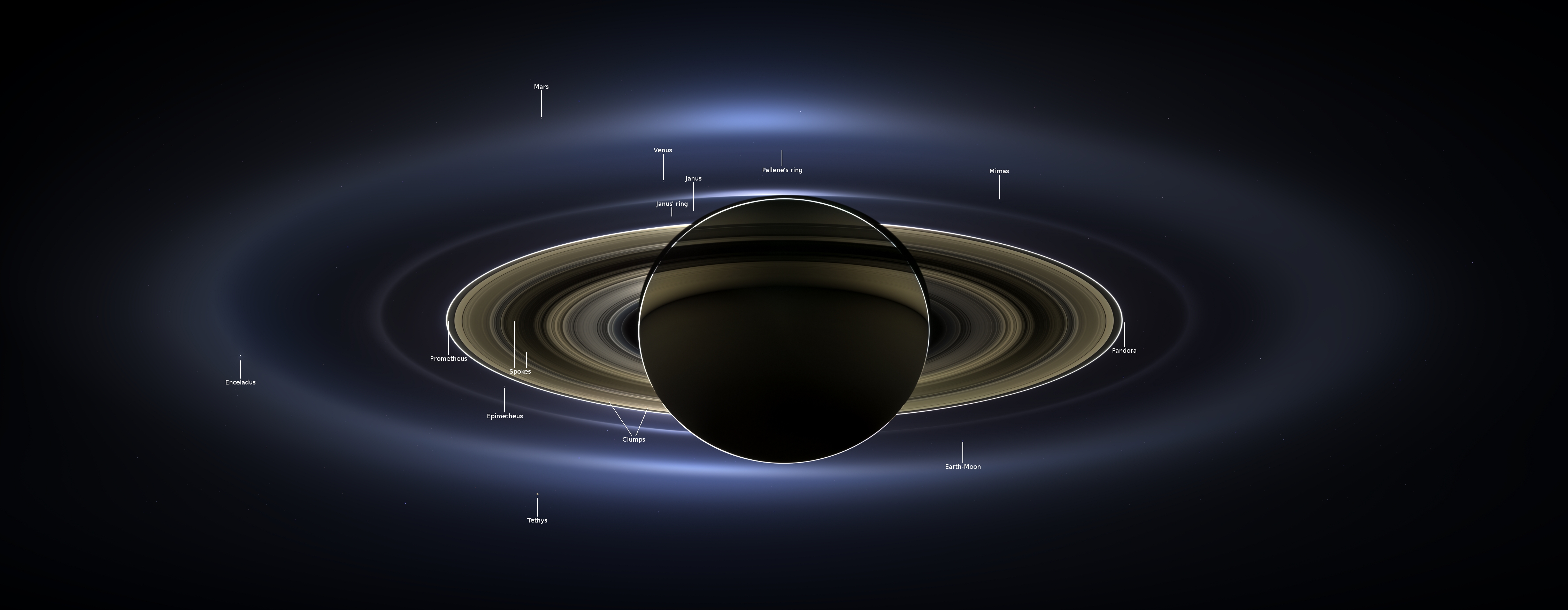
annotated Cassini Saturn shot with earth

I posted this one before in a smaller shot.  The title hanging below the lower right portion of Saturn’s rings says, earth-moon.

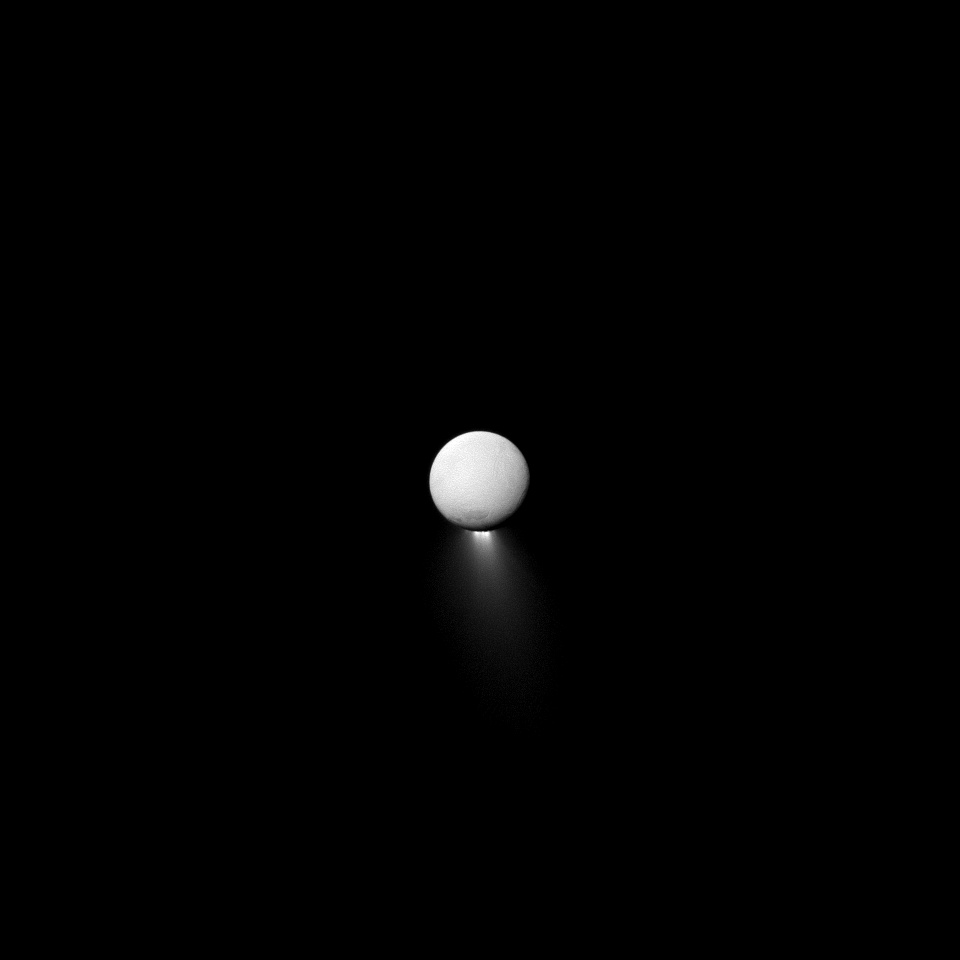
Enceladus  Cassini  one of the more active bodies in the solar system

Enceladus Cassini one of the more active bodies in the solar system (moon of Saturn)

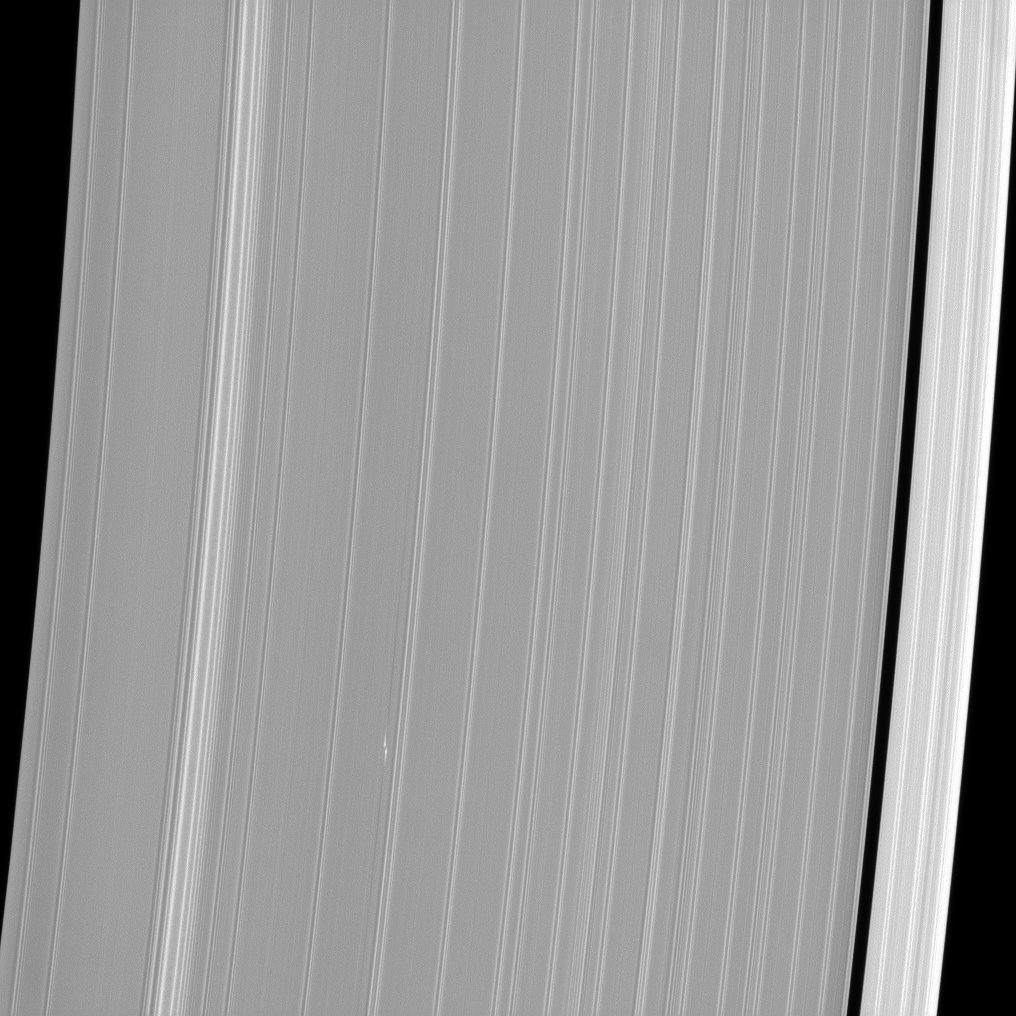
Hiding within Saturn’s rings are thousands (maybe millions) of tiny moonlets, each no more than a kilometer across. Cassini discovered this shortly after arriving at Saturn

Hiding within Saturn’s rings are thousands maybe millions of tiny moonlets each no more than a kilometer across. Cassini discovered this shortly after arriving at Saturn

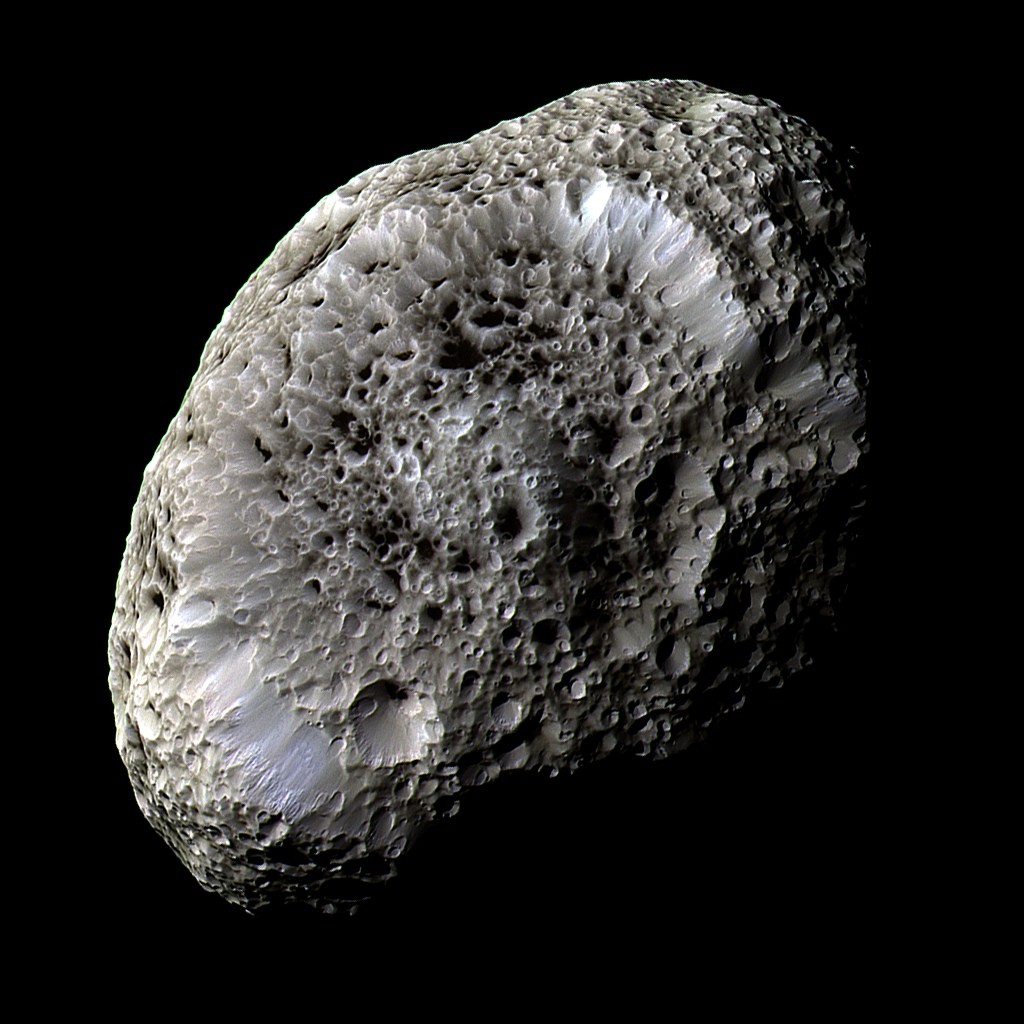
Hyperion. This irregularly shaped moon looks like a honeycomb. It behaves weirdly, too, neither spinning at a constant rate nor maintaining a constant orientation

Hyperion.

This irregularly shaped moon looks like a honeycomb. It behaves weirdly too neither spinning at a constant rate nor maintaining a constant orientation

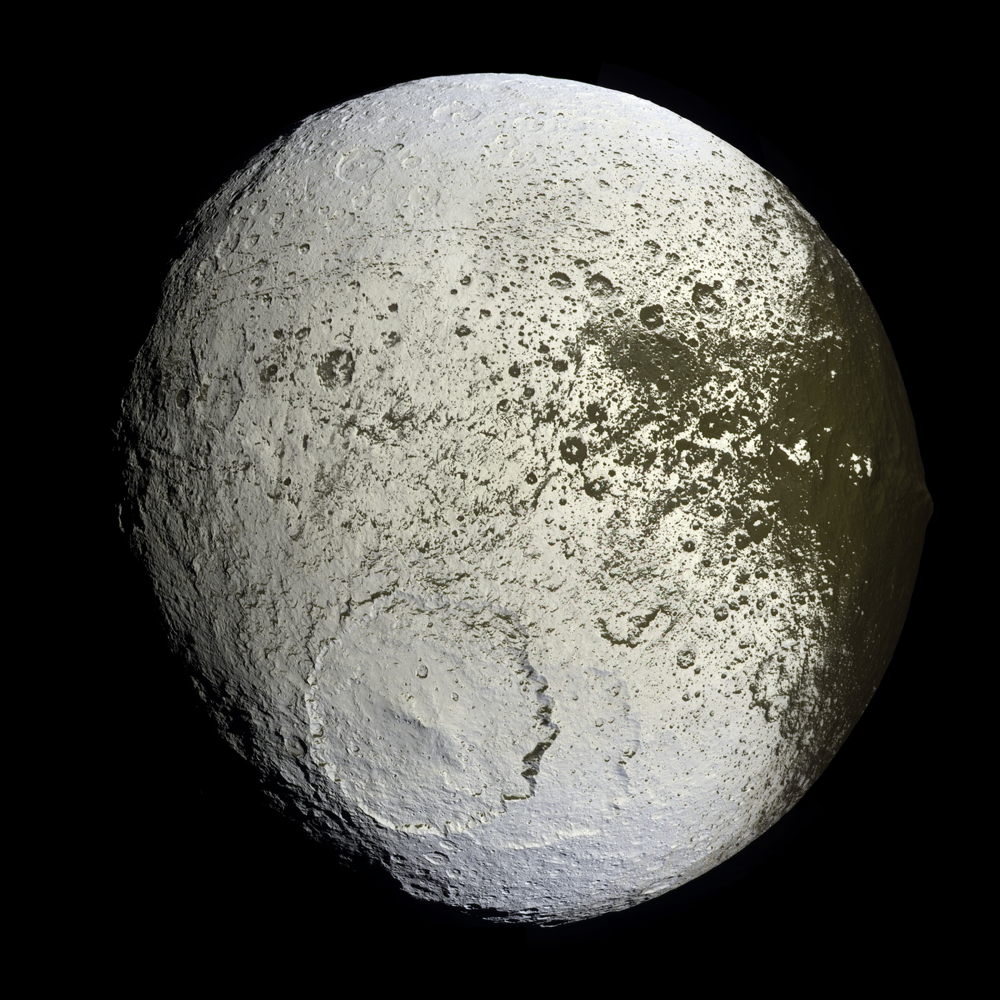
Iapetus21000

Iapetus

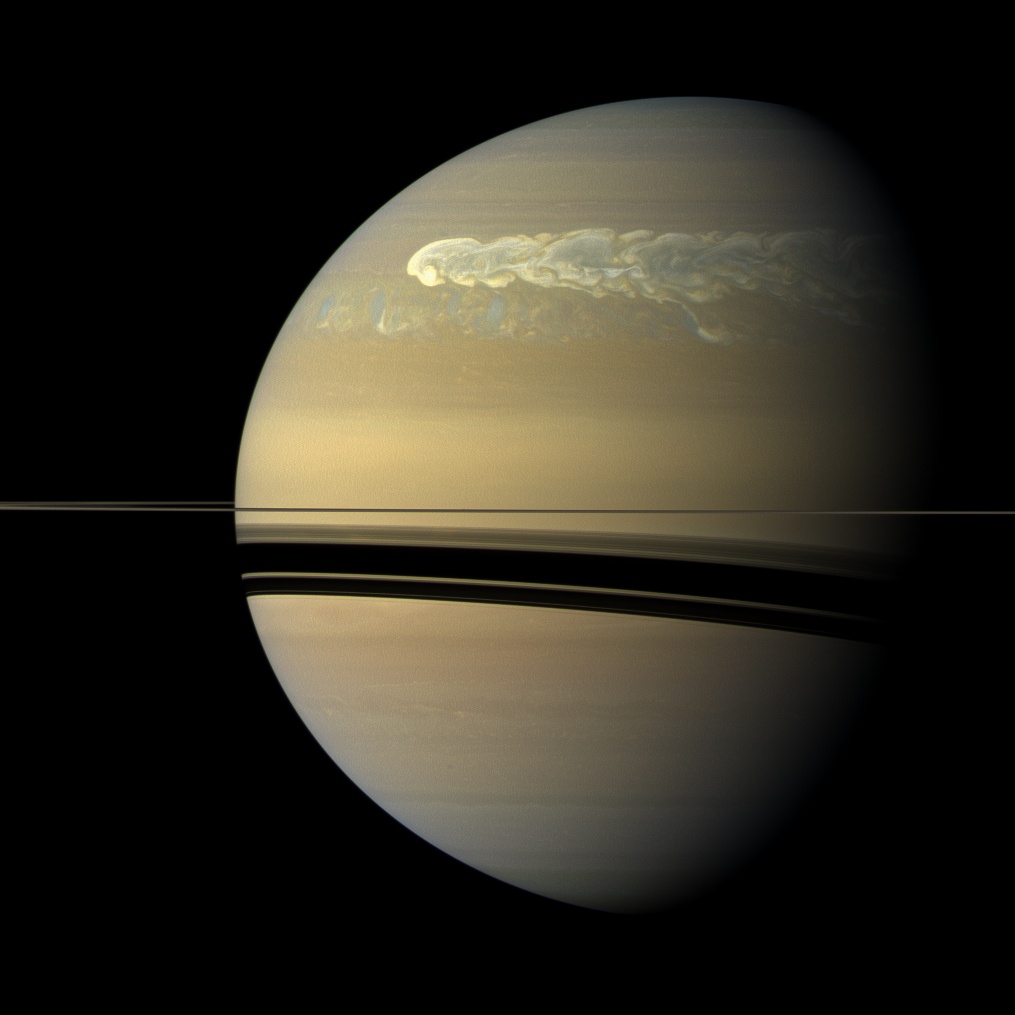
late 2010, a massive storm began churning in Saturn’s northern hemisphere.   the storm stretched over rou

late 2010, a massive storm began churning in Saturn’s northern hemisphere. the storm stretched over 190,000 miles.

Saturn Cassini1000

Saturn Cassini

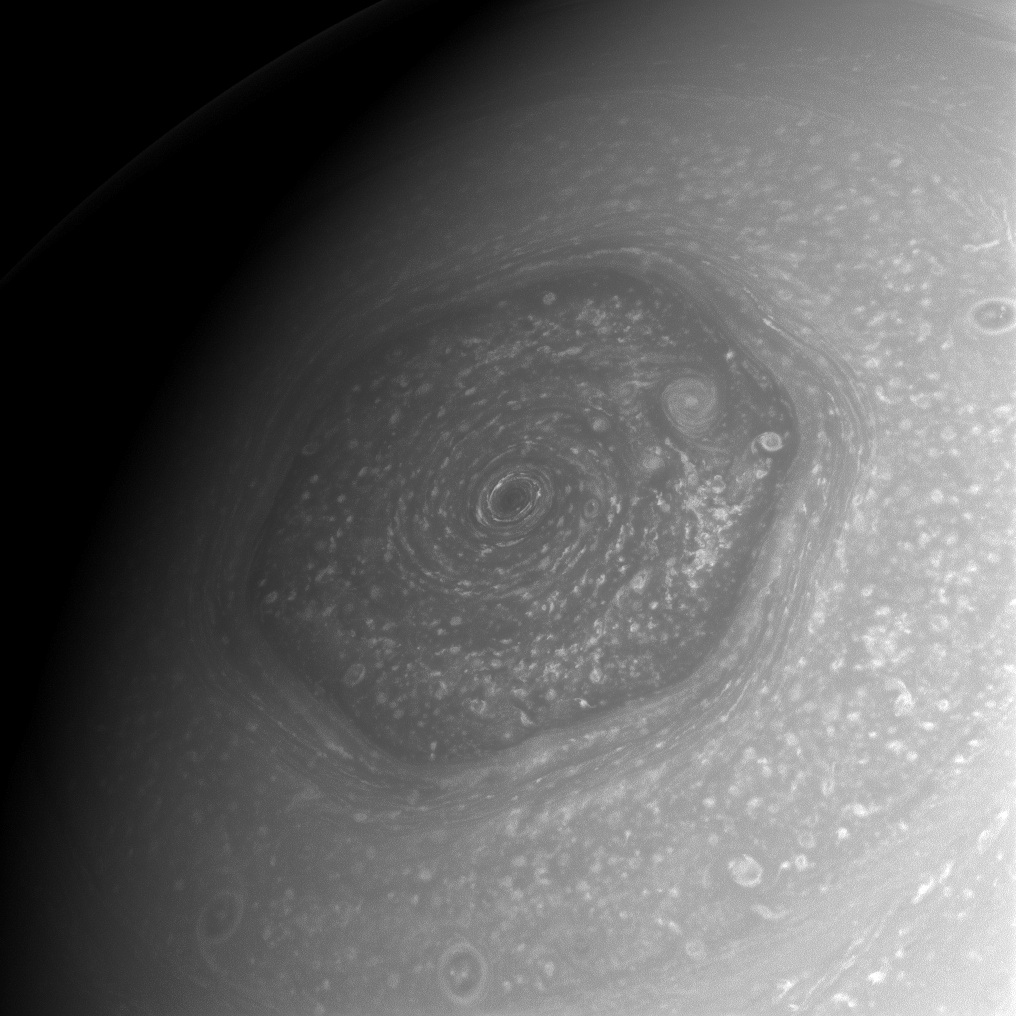
Saturn’s north pole is home to an enigmatic hexagon

Saturn’s north pole is home to an enigmatic hexagon

Though they measure nearly 200,000 miles across, the rings are incredibly thin. The main rings average only a few stories tall.

Though they measure nearly 200,000 miles across, the rings are incredibly thin. The main rings average only a few stories tall.

Tiny Mimas is the smallest spherical body in the solar system. Less than 250 miles across

Tiny Mimas is the smallest spherical body in the solar system. Less than 250 miles across

Titan   Titan is the only other body in the solar system with liquid on its surface. It has hydrocarbon lakes and seas, shores and rivers, and seasonal rainfall like on Earth

Titan Titan is the only other body in the solar system with liquid on its surface. It has hydrocarbon lakes and seas, shores and rivers, and seasonal rainfall like on Earth