
Lugnasa Harvest Moon
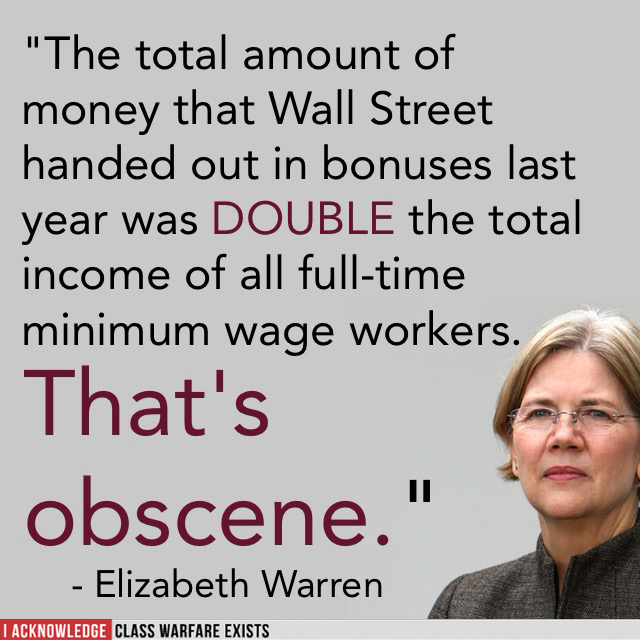 It’s just capitalism. Epi pens. Martin Shkreli. Hey, let’s corner a market on something a bunch of people need desperately, then raise the prices high, high, high. As Shkreli said, my shareholders expect me to make the most money possible for them. Or, as Heather Bresch, CEO of Mylan Pharmaceuticals said, “I am running a business. I am a for-profit business. I am not hiding from that.” NYT, Aug. 26, 2016
Clarity of ethical purpose makes decisions easy. If my highest ethical goal is, say, to make money, then I just do what it takes. No matter what. And I’ll sleep fine at night, thank you, all you poverty stricken doubters. I’ll laugh at you and your silly ideas about human welfare all the way to the bank.
If, on the other hand, my highest ethical goal is the well-being of fellow humans, then I’ll just do what it takes. If that means reasonably priced medication and less profit, so be it. That’s what we’ll do. If that means whacking down carbon based fuels because they put the whole human race at risk, then that’s what we’ll do.
With American capitalists like Shkreli and Besch hard at work while the Donald stumps up and down the U.S. for putting beaners back on the other side of a grate wall we need no further examples for American exceptionalism.
Seems like Wordsworth would work here, too: “The world is too much with us; late and soon, Getting and spending, we lay waste our powers…”