Summer Most Heat Moon
1968. Martin dies. Bobby dies. The Chicago riots at the Democratic National Convention. Local boy Hubert challenges Richard (enemy’s list) Nixon and Nixon wins with a knockout 301 electoral votes. This brought Spiro (nattering nabobs of negativism) Agnew into office, too. Oh, what a time it was.
On the outside, including certain rioters at the Chicago convention who would become famous as the Chicago 7, was a massive, incoherent largely college student uprising known as “the movement.” In those days there was a split within the movement about whether to engage the political system, the establishment (a term borrowed from American thinker Ralph Waldo Emerson), through protests and (usually) alternative candidates for election like Dick Gregory, or, to drop out.
Tune in, turn on, drop out was a favorite mantra of those who contended the establishment was too corrupt to change and instead must be ignored while a new culture was built. This was the time of communes and the back to the land movement. The split within the movement identified hippies who wanted to live together in a participatory democracy, often rural, but not always, and radicals, who thought protest and work in congress could bring an end to the Vietnam War and usher in an era of peaceful, socialist-style politics.
These two groups, the hippies and the radicals were, within the movement itself, seen as opposite, if not opposing camps. At its core it was a political equivalent of the debate within Western Christendom between quietist monastics who retired from the world into a life of prayer and contemplation and the engaged church which tried to influence the lives of people in their worldly home.
Today the camps divide less obviously but they cluster around, on the one hand, folk who might have a “Be the change you want to see in the world.” bumper sticker, and on the other, those who have a 99% button or a Sierra Club hiker on their car.
I never understood the conflict myself. I became a committed back to the lander, purchasing a farm in northern Minnesota while remaining, at the same time, committed to political action. It still seems to me that living the change and acting politically go together. They are points on a continuum of belief turned toward action, not dialectical opposites.

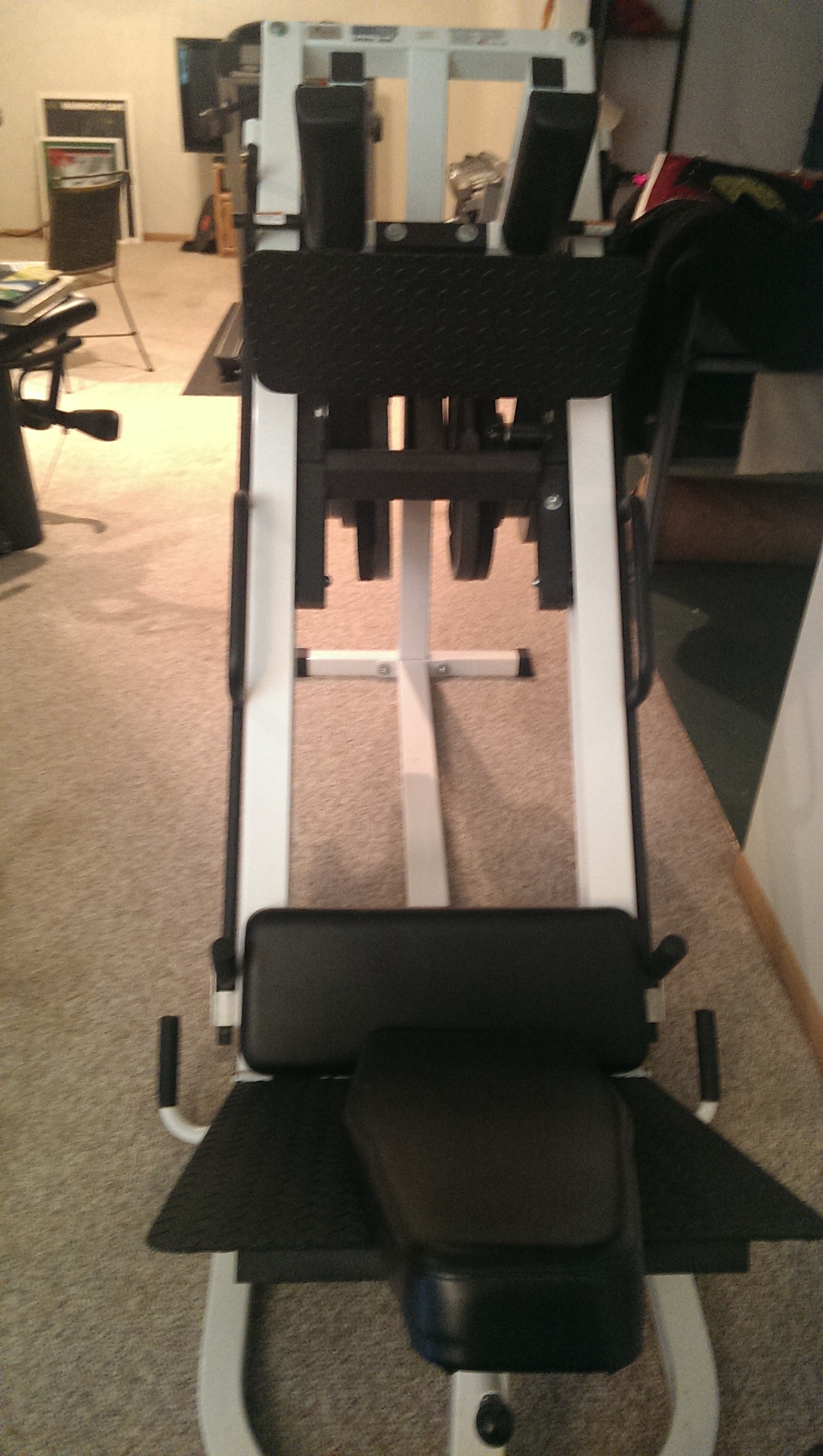 2nd wind for a small fraction of their original price. But, as I said, we amortize that cost over the many years we’ve had them, the gym fees we didn’t pay and the travel time we saved. We come out ahead, plus we’ve had that commitment to fitness they encouraged.