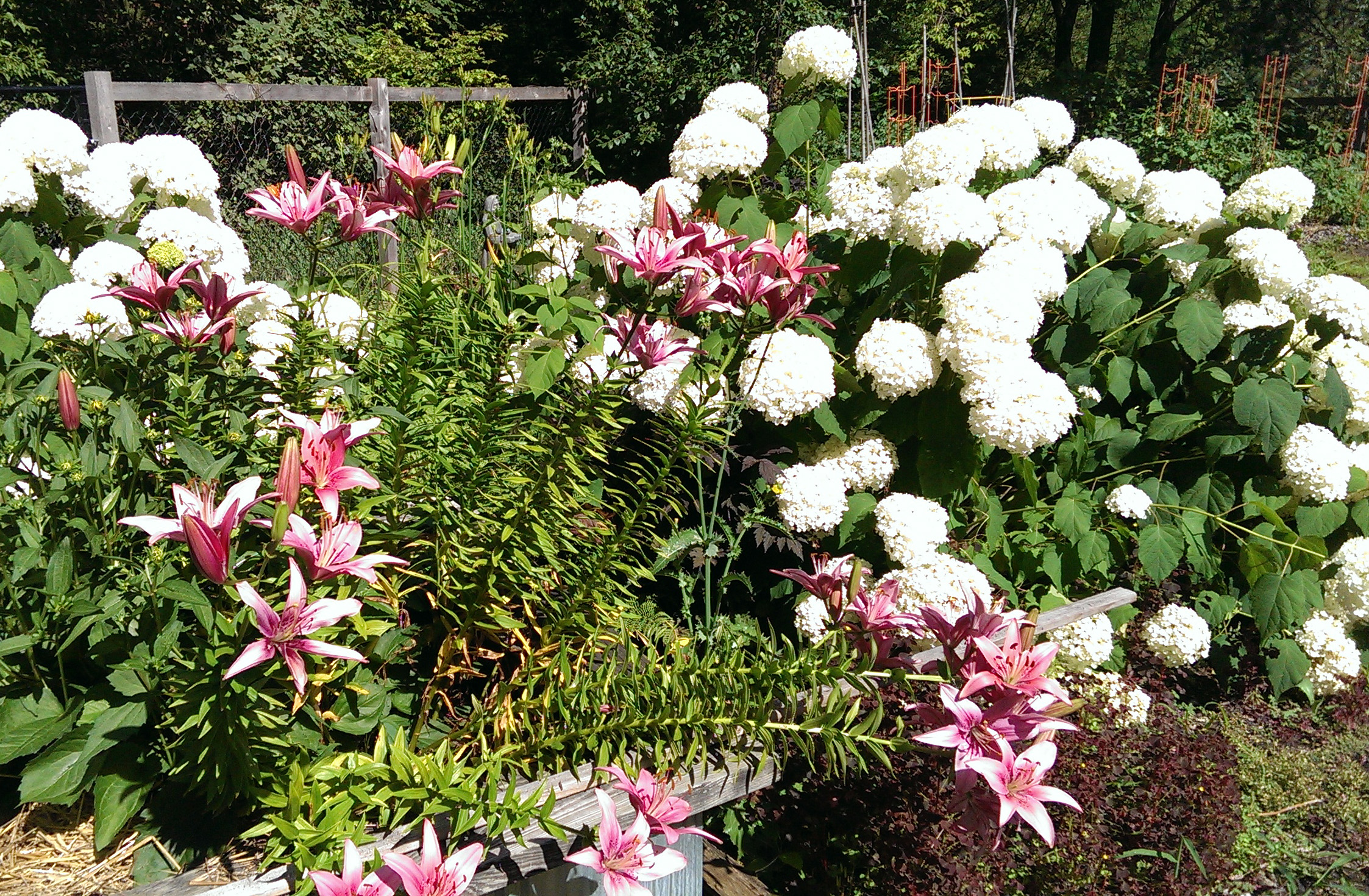
Nocturne

Summer                                                          Most Heat Moon

The increasing pace of the harvest is plant life telling us that the seasons that matter are cropped0017changing. What seems like the height of summer to us presages not more summer, but fall and the big harvests of September and October. That’s what the plants know and in their distinct and ancient language they’re reminding us the time to gather in foodstuffs is now. Right now.
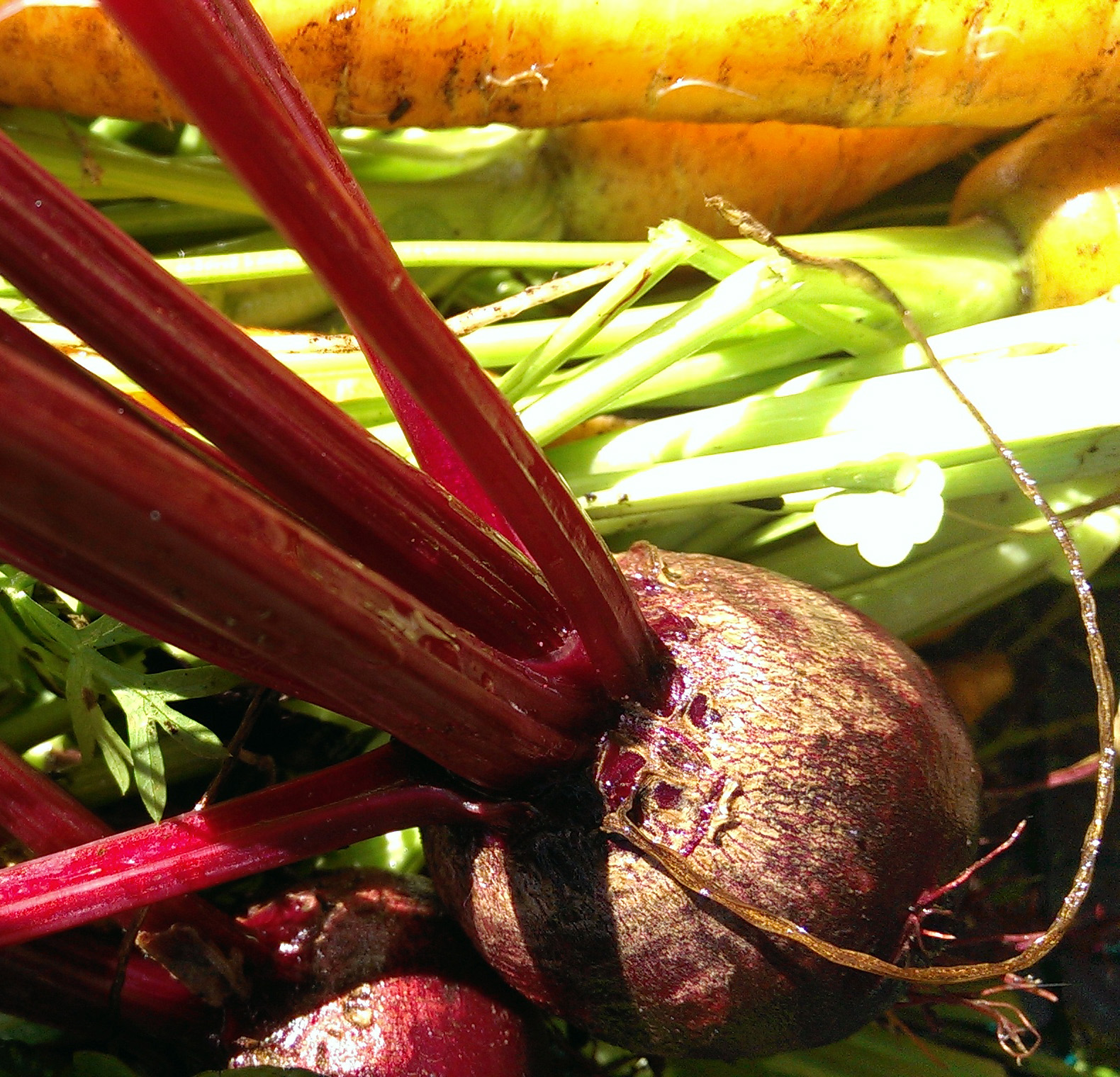
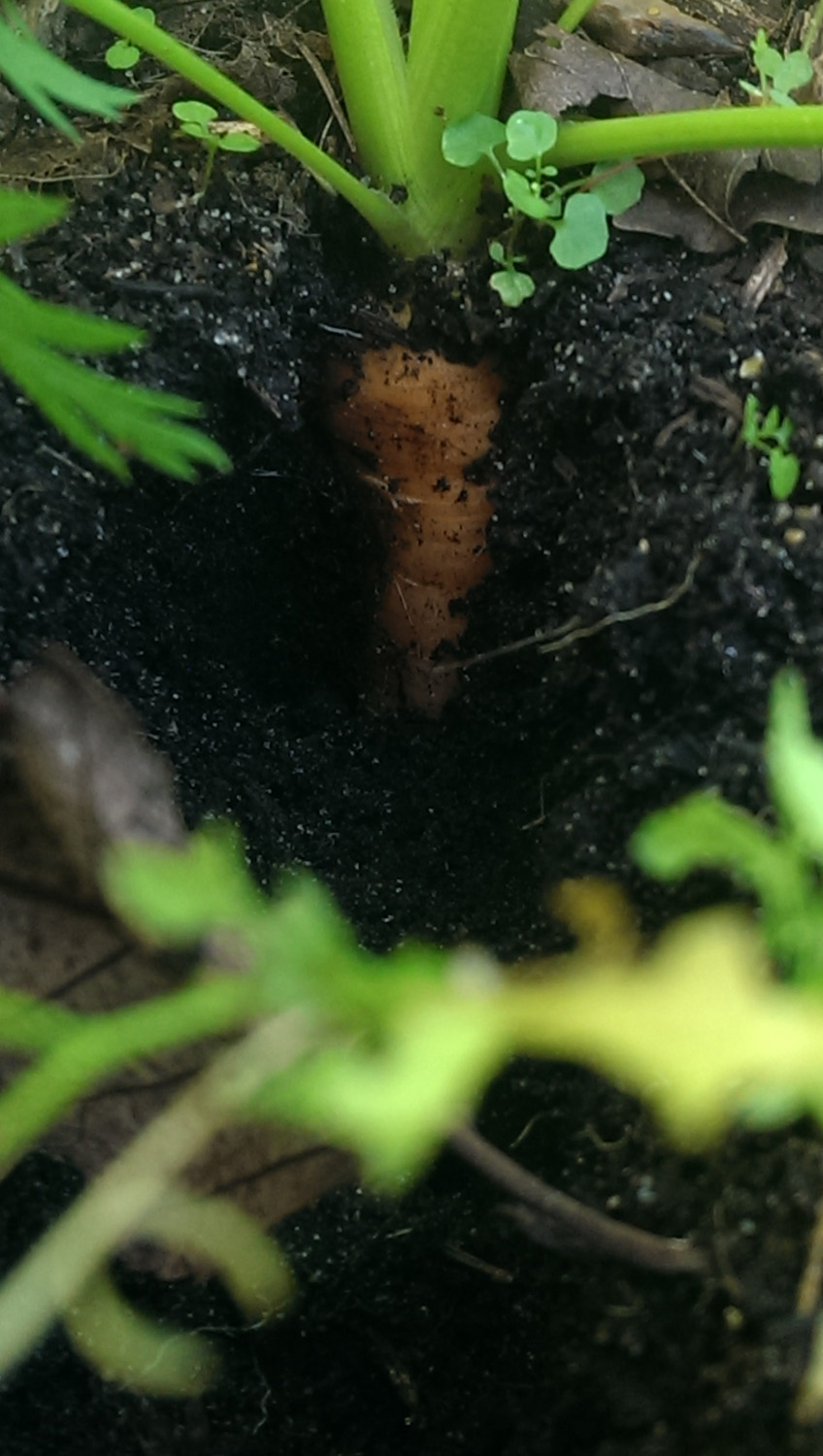
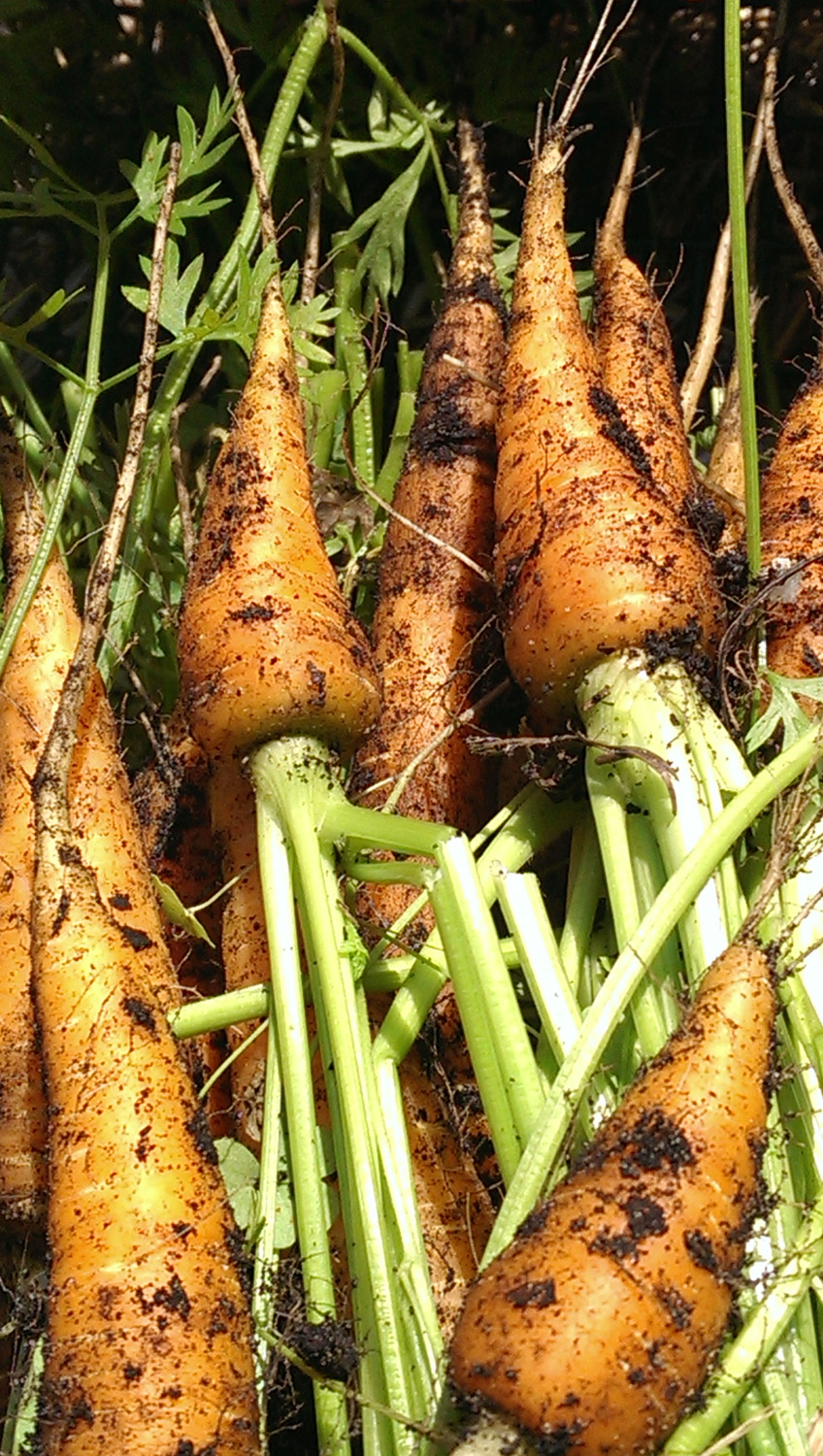
Pressure cookers and canning kettles across the Midwest have begun to heat up, too. That’s another sign. 5 pints of carrots went into the jars today and beets go in tomorrow, green beans as well. In a less complex economy this work would decide whether some of us would live or die through the long winter. Even with our garden I’m grateful for grocery stores. We would have to devote so much more of our time and energy to growing food if it were not for them.

Still, it’s not bad to have a reminder that the complex market system that brings vegetablescroppedIMAG0327 and fruits and meats and processed foods of all kind into our grocery stores is just that, a human system. That means it can be disrupted by war, by natural disaster, by disease, by insects, by normal seasonal fluctuations in temperature and by climate change.
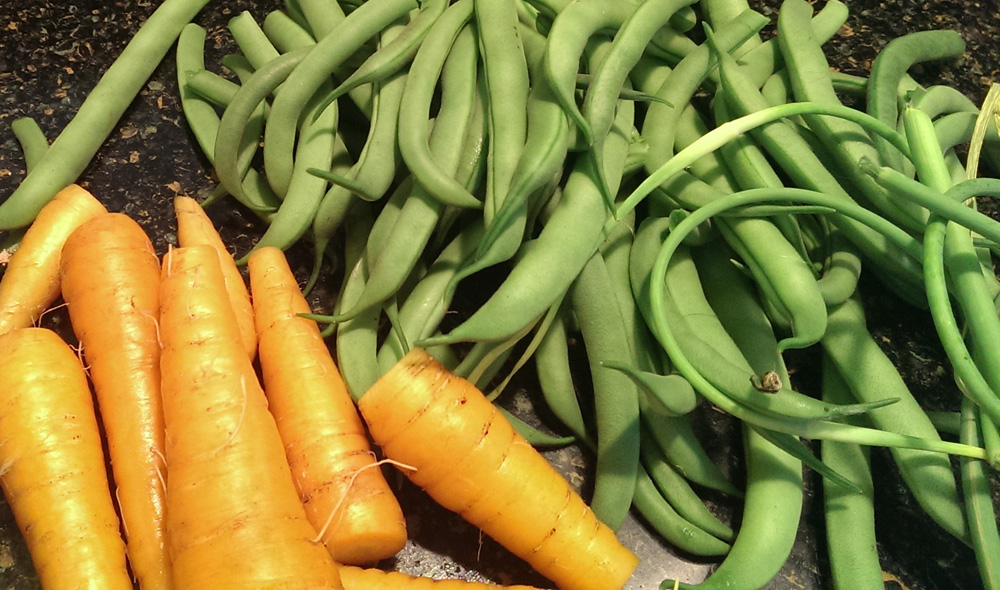
It feels good to have those chicken-leek pies in the freezer. Those red glass jars of pickled beets and the golden ones of carrots. The jarscroppedIMAG0347 of honey and pints of green beans, tomatoes and sauces. Frozen greens and peppers. Dried onions and garlic. Grape jam, currant and gooseberry pies. All the various herbs dried. And last year all the apples and cherries, plums and pears. Next year, probably, too, with the help of bees. (but we won’t be here, most likely, to make that happen.)
Gratitude

Summer                                                                        Most Heat Moon

The mid-summer harvest has well begun with the first crop of beets now almost all picked,cropped1500IMAG0368 about a half of the first carrot crop and early green beans. The garlic, though late, is getting close and several of my onion stems were lying down yesterday, a sign they want to come out of the ground for drying.

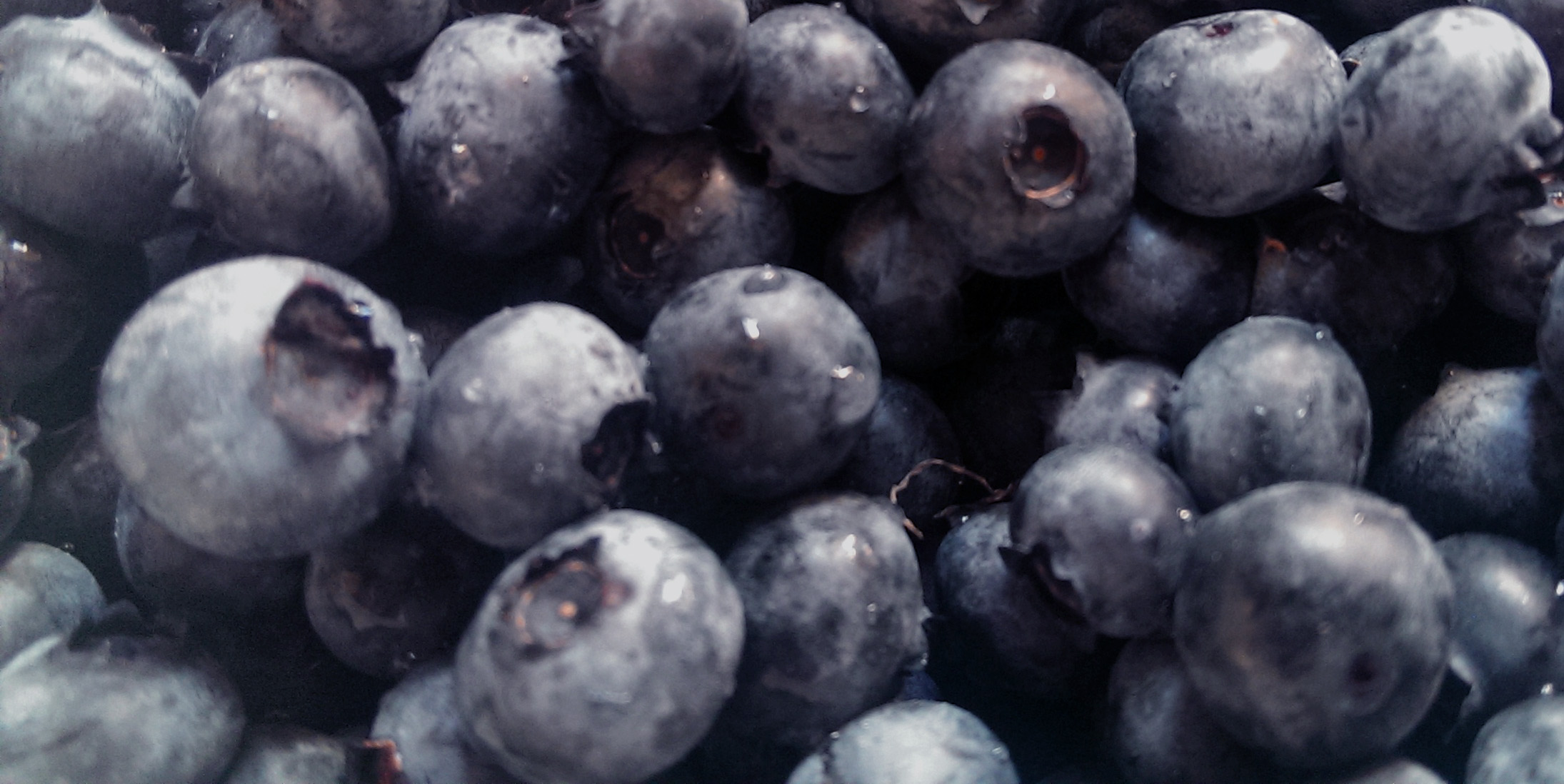
I have a second crop of beets and carrots already on their way to maturity and a third planting in some places sporting two or three leaves. The tomatoes have begun to flesh out and I expect, with some heat, that we’ll begin to see ripe tomatoes in the next week. Kate picked a large batch of blueberries yesterday and I had some for breakfast this morning.

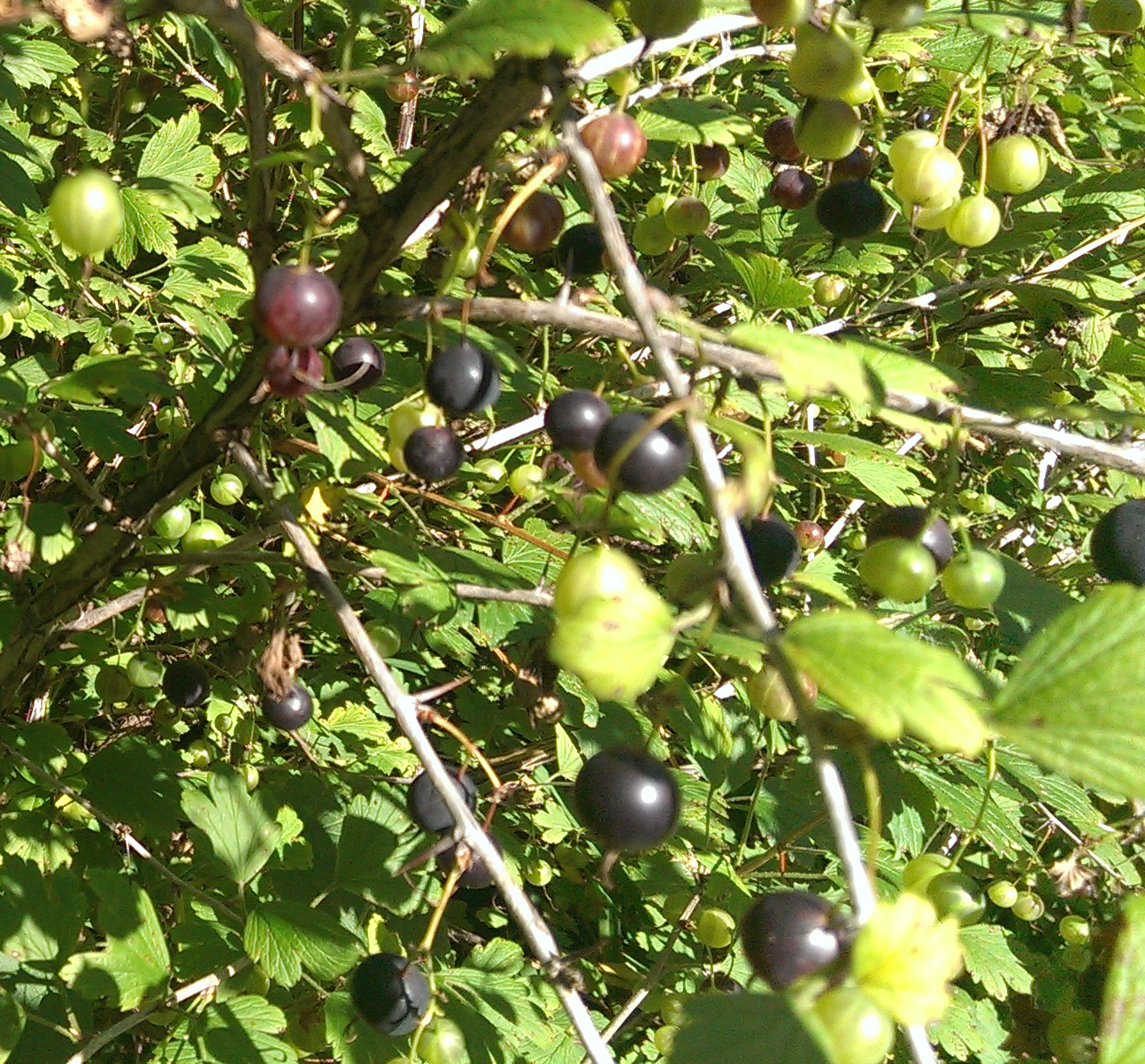
The fruit trees are disappointing. Almost no apples, cherries and no plums and very few pears. Kate may have the right croppedIMAG0360diagnosis (her real gift in the art of medicine). No bees. There are, as always, many many currants and our crop of gooseberries is as big as it’s ever been. I’m going to pick them tomorrow. We also have a sizable hazelnut crop this year.

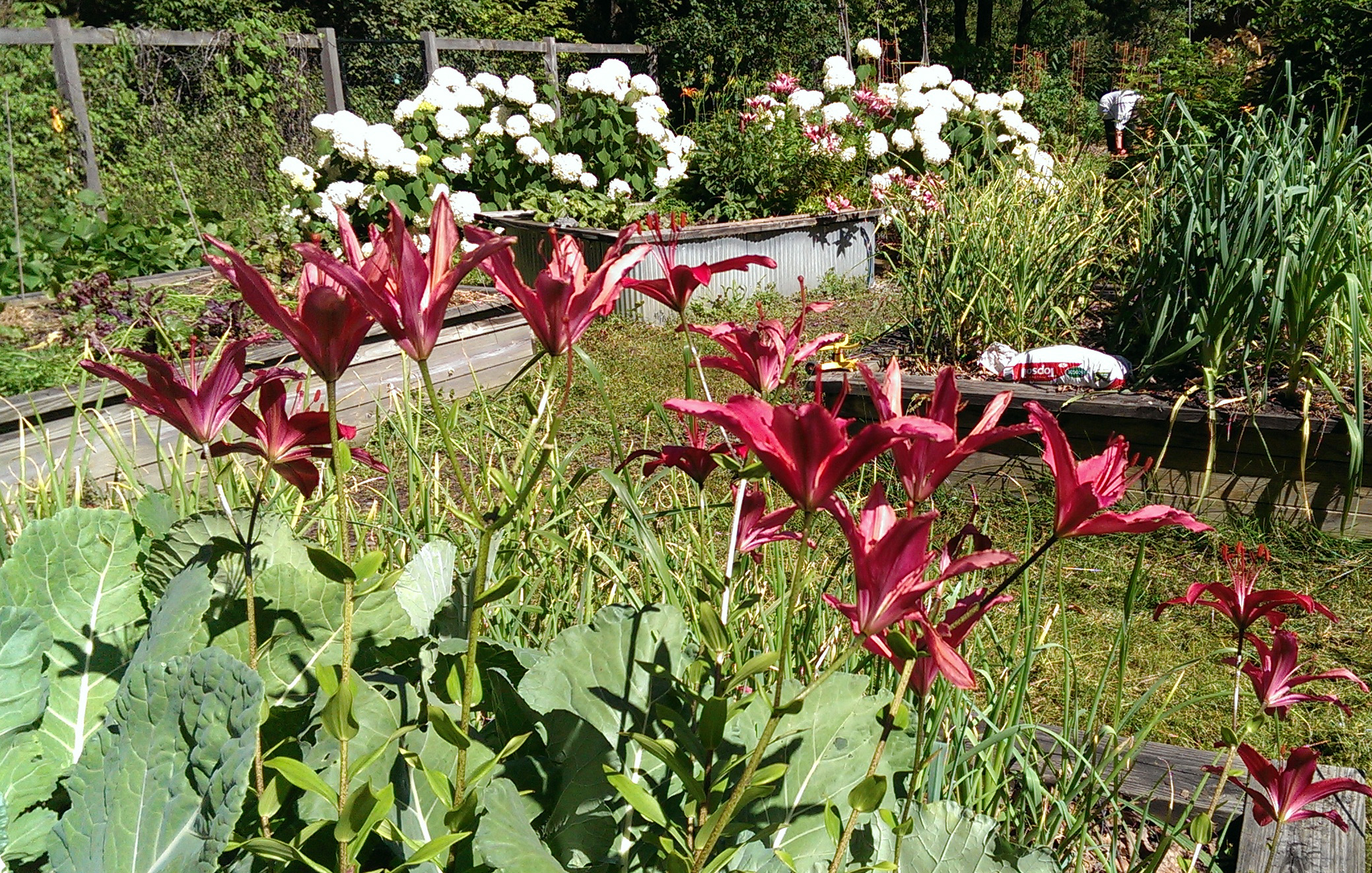
As usual the garden’s bounty varies, but as far as the vegetables go, this is as good a year as I’ve seen in our 20 years here.

(gooseberries)

Itchy Palm? Too much odonatology?

Summer                                                                  Most Heat Moon

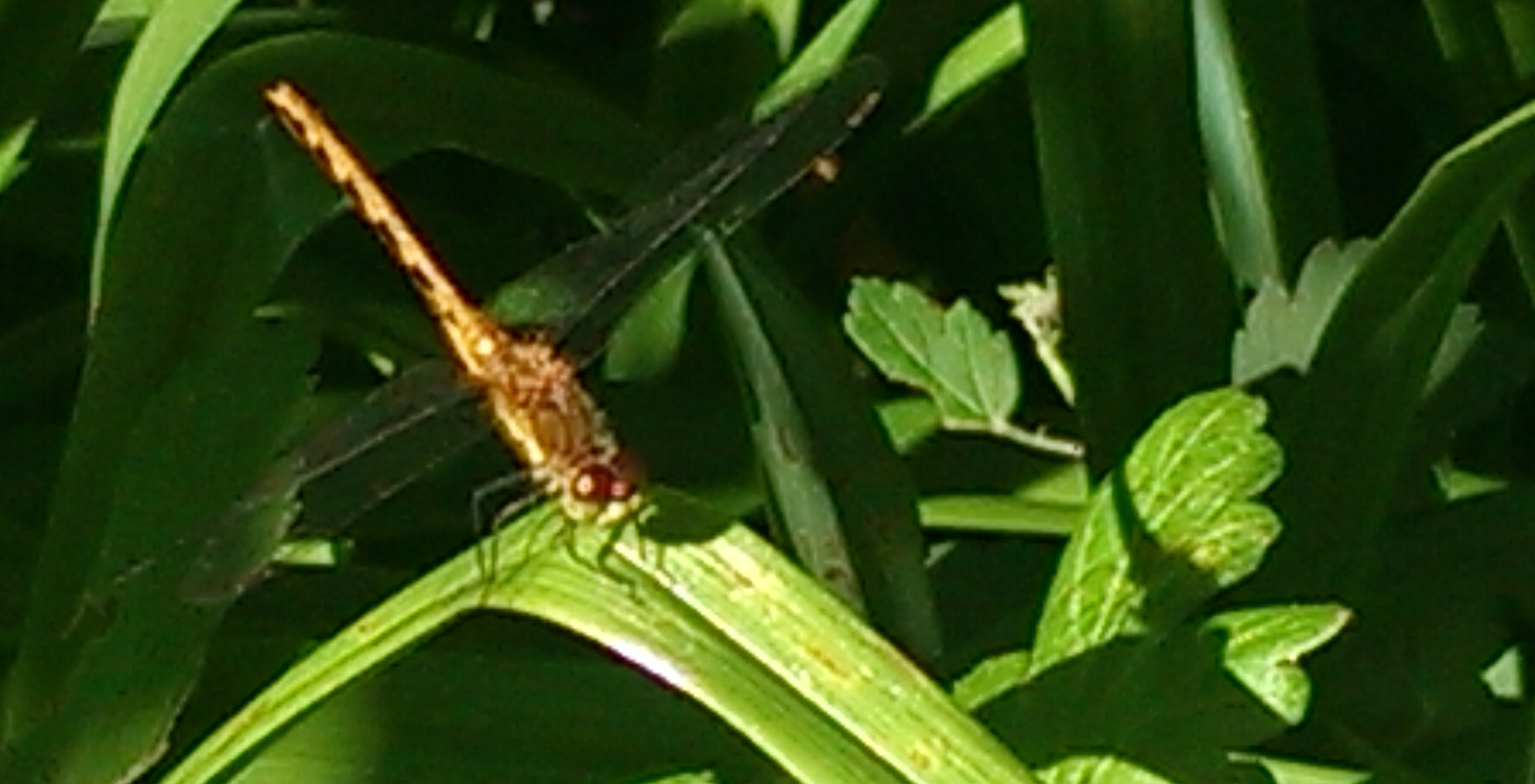
The dragonfly came up in conversation yesterday because I saw one outside the window at Running Aces and remarked I’d read they hadn’t changed in 300,000,000 years. A remarkable fact to me and one I confirmed in some quick internet research this morning.

Tom then added that they were unique in their ability to vector their prey, that is, calculate the prey’s path and their own so they would intersect. All other apex predators chase their prey. Very interesting. (see video below)

A little more poking around found a few more interesting facts about the dragonfly, but I put the most remarkable one (to me) last.


1. The study of dragonflies, and sometimes damselflies, is called Odonatology. Dragonflies are referred to as Odonates.

2. About 5000 species of dragonflies and damselflies are known

3. Top speed for a dragonfly is between 30 and 60 km/h (19 to 38 m.p.h.)

4. A dragonfly needs warmth to fly and you will notice they will often land when
the sun goes behind a cloud.

5. Because of their compound eyes, dragonflies can see in many directions at once

6. Fact: They Calculate Velocity For A Perfect Kill

The dynamics of capturing an object in mid-air are staggeringly complex, so much so that it’s usually something that’s only done by animals with complex nervous systems, like seagulls, or humans. To intercept something moving with its own velocity, you have to be able to predict where it will be in the future. When researchers began studying dragonflies in 1999, they found that rather than “track” their prey—follow it through the air until they caught up with it—they would actually intercept it. In other words, dragonflies ensure a kill by flying to where their prey is going to be.

That indicates that dragonflies calculate three things during a hunt: the distance of their prey, the direction it’s moving, and the speed it’s flying. In the space of milliseconds, the dragonfly calculates its angle of approach and, like a horror movie monster, it’s already waiting while the hapless fly stumbles right into its clutches.

7. Most of a dragonfly’s life is spent in the naiad form beneath the water’s surface…They breathe through gills in their rectum, and can rapidly propel themselves by suddenly expelling water through the anus.[6