Lughnasa Lughnasa Moon
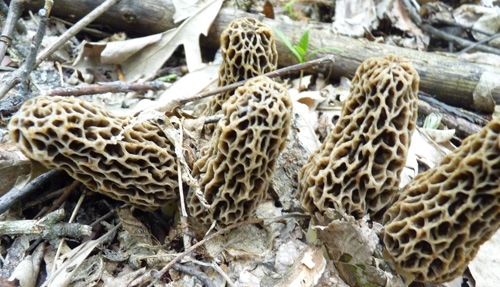
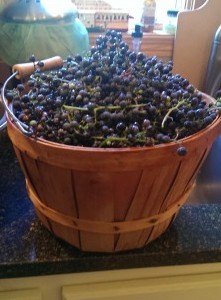
 A cool breeze predicted autumn as I picked wild grapes this morning . These wild grapes have overgrown our amur maples and will get cut back when the lawn restoration work is done later in the fall. That will hardly diminish their presence though because wild grapes grow all over our woods, some branching out from vines thicker than my upper arm. The woods also provides morels in the spring.
Over the years I’ve highlighted the opossum, the great horned owl, wild turkeys, pileated woodpecker, woodchuck, salamander, newt, toads, frogs, dragon flies, deer, rabbits, chipmunks, squirrels, bumblebees, raccoons and snapping turtles that live on this property, too. A significant aspect of living in the exurbs is the diversity of wild flaura and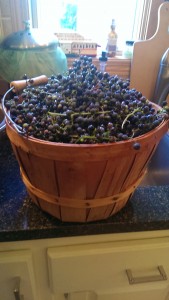 fauna, often on the chunk of land on which you live. This is a melding of the human built and the wild.
The Denver Post recounts encounters with bears, mountain lions and rattle snakes. In Minnesota residents encounter bears and wolves, perhaps the occasional lynx. Most of these encounters occur because human habitation encroaches further and further into formerly wild lands.
These predators are certainly part of the wild eco-system, but the bulk of wild life are prey species, amphibians, reptiles and birds. It’s these we humans encounter most often and which we often discount, as if their small size or lack of tools for killing make them less significant. Yet the woodchuck, or land-beaver, that occupied a tree here for a day, is a wild animal just as much as the wolf or bear. So, too, the opossum and all those others that flee when humans arrive, who try to keep their visibility to a minimum.
We are co-habitants, not owners really, of this land. Though we will sell it to other humans, we are not selling the wild life. Their lives will adapt to the new humans just as they adapted to us, either by leaving or hiding or just going on about their day.
The wild flaura includes not only morels and grapes, but ironwood, jack-in-the-pulpit, oaks white, red and burr, elm, ash, black locust, cedar, nine-bark and rhus radicans, or poison ivy. Barring a clear cut of the woods, which I consider unlikely, they, too, will remain.