Summer’s Last Day Lughnasa Moon
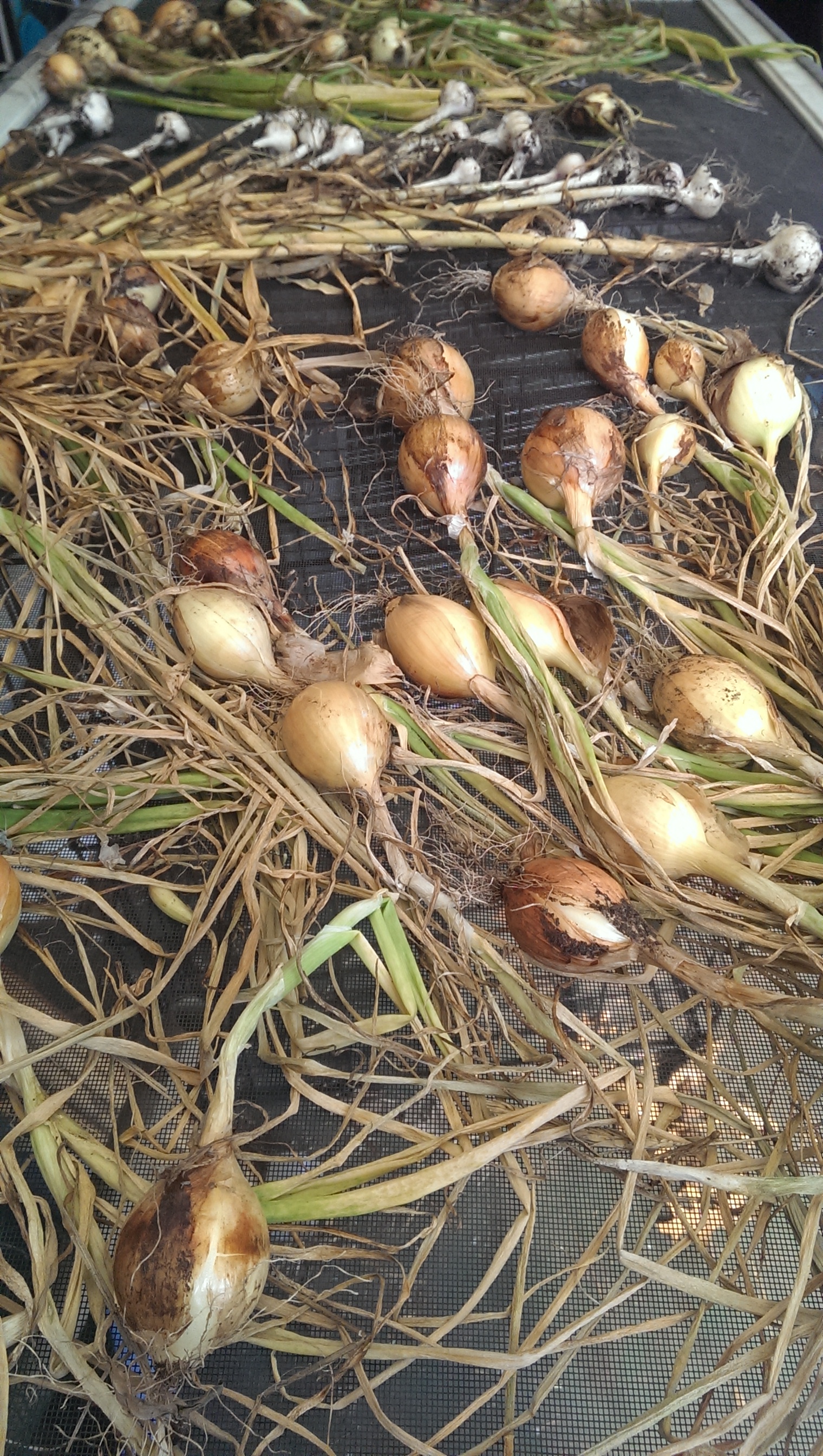
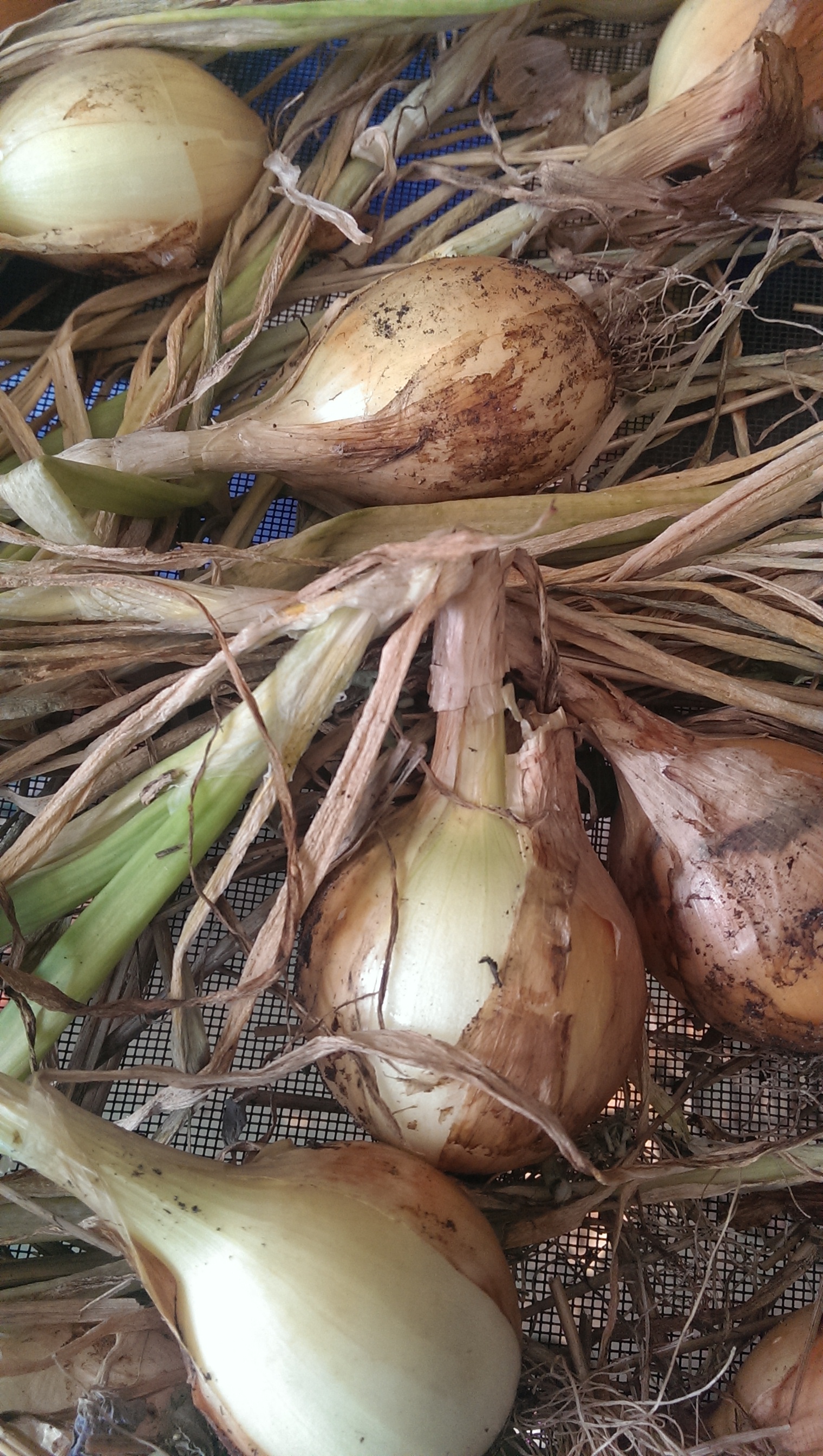
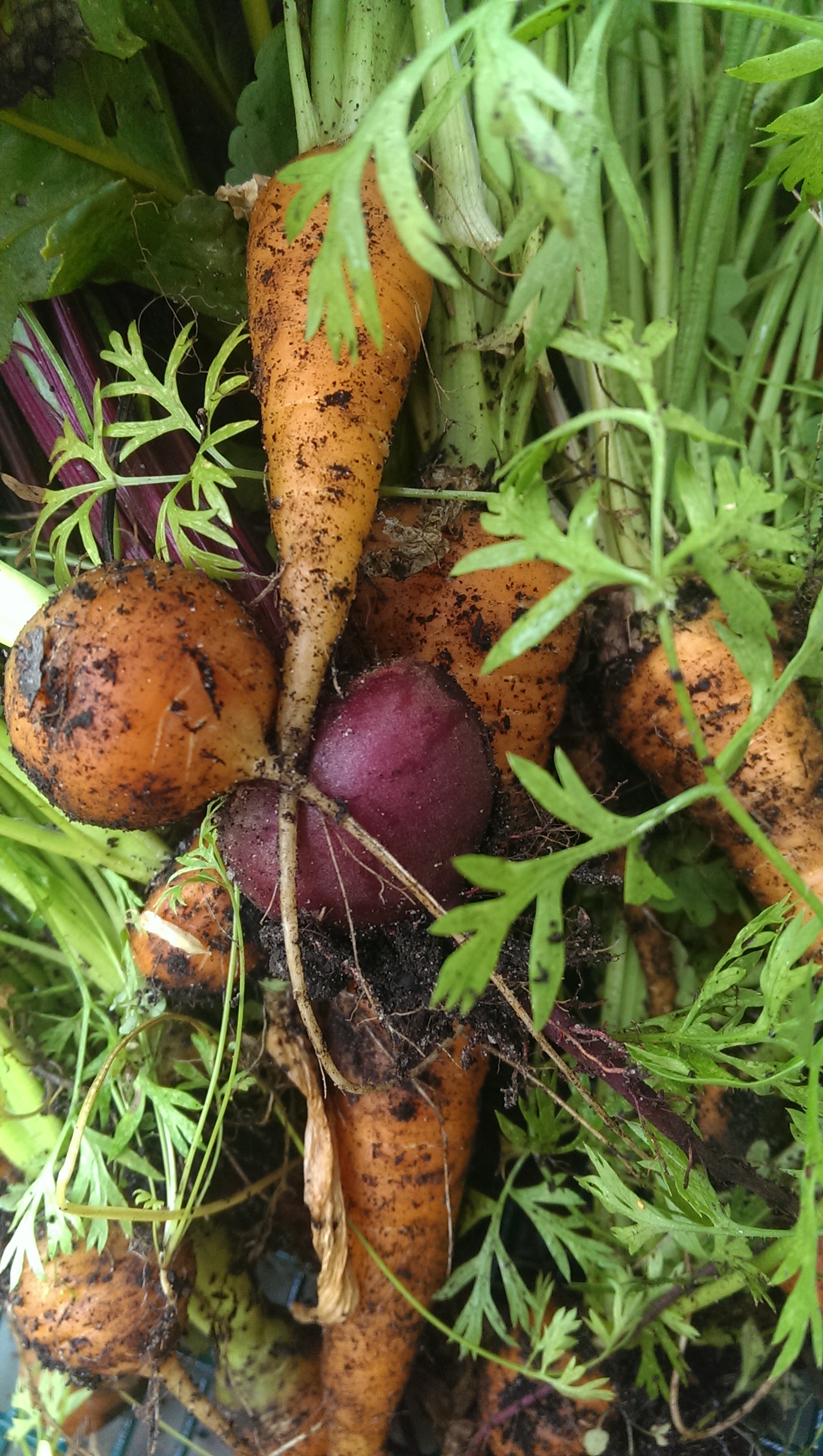
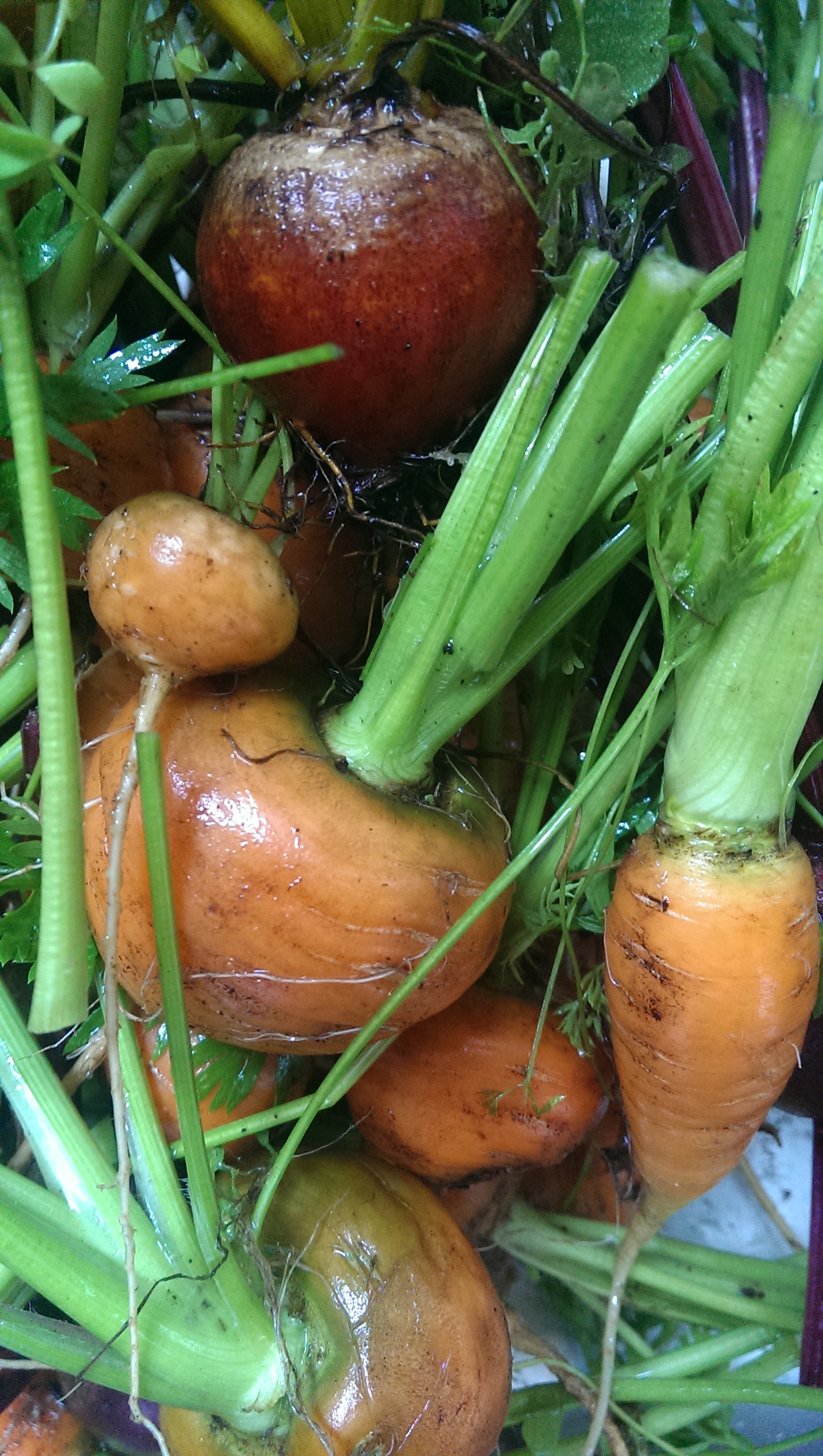
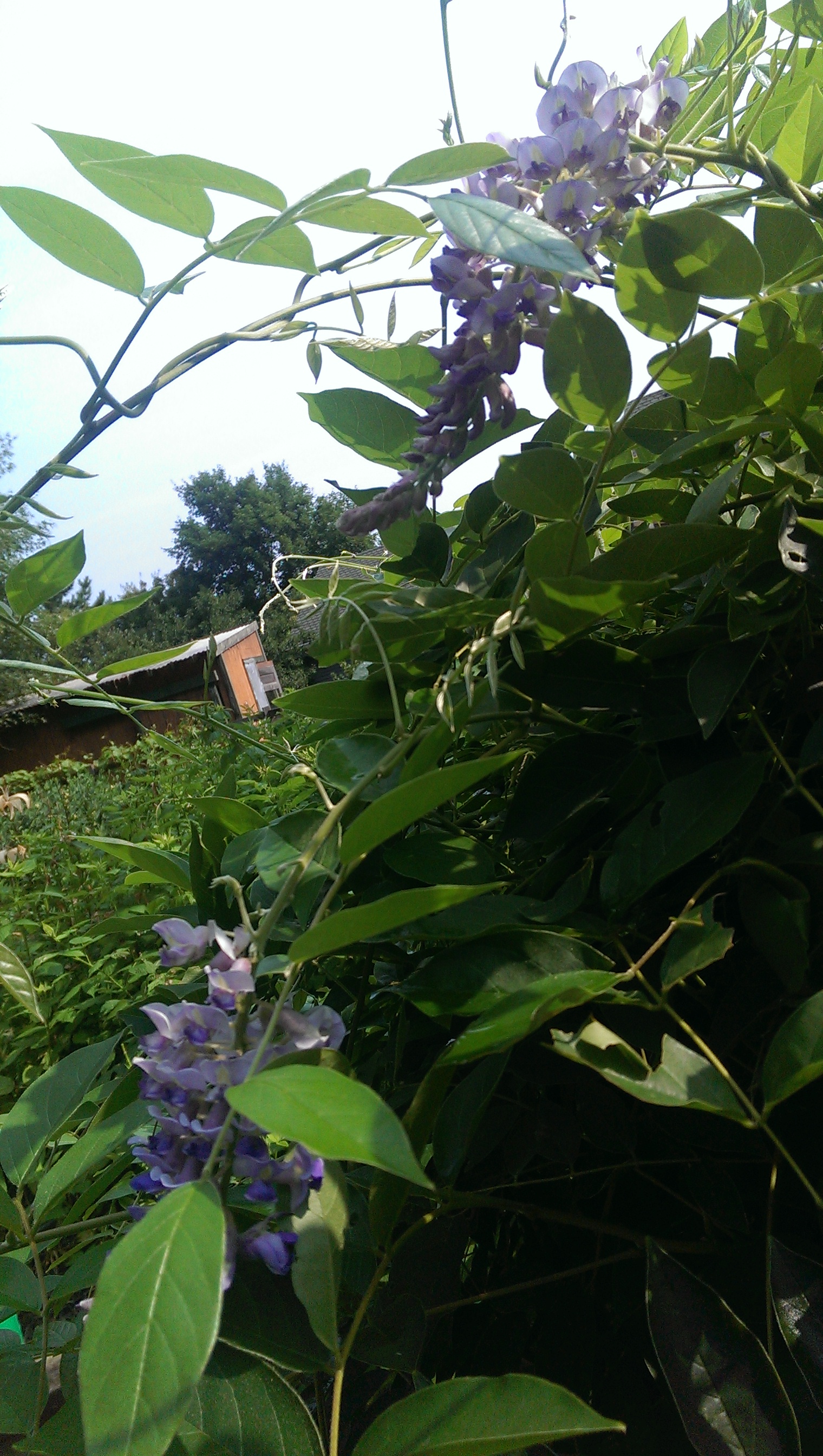
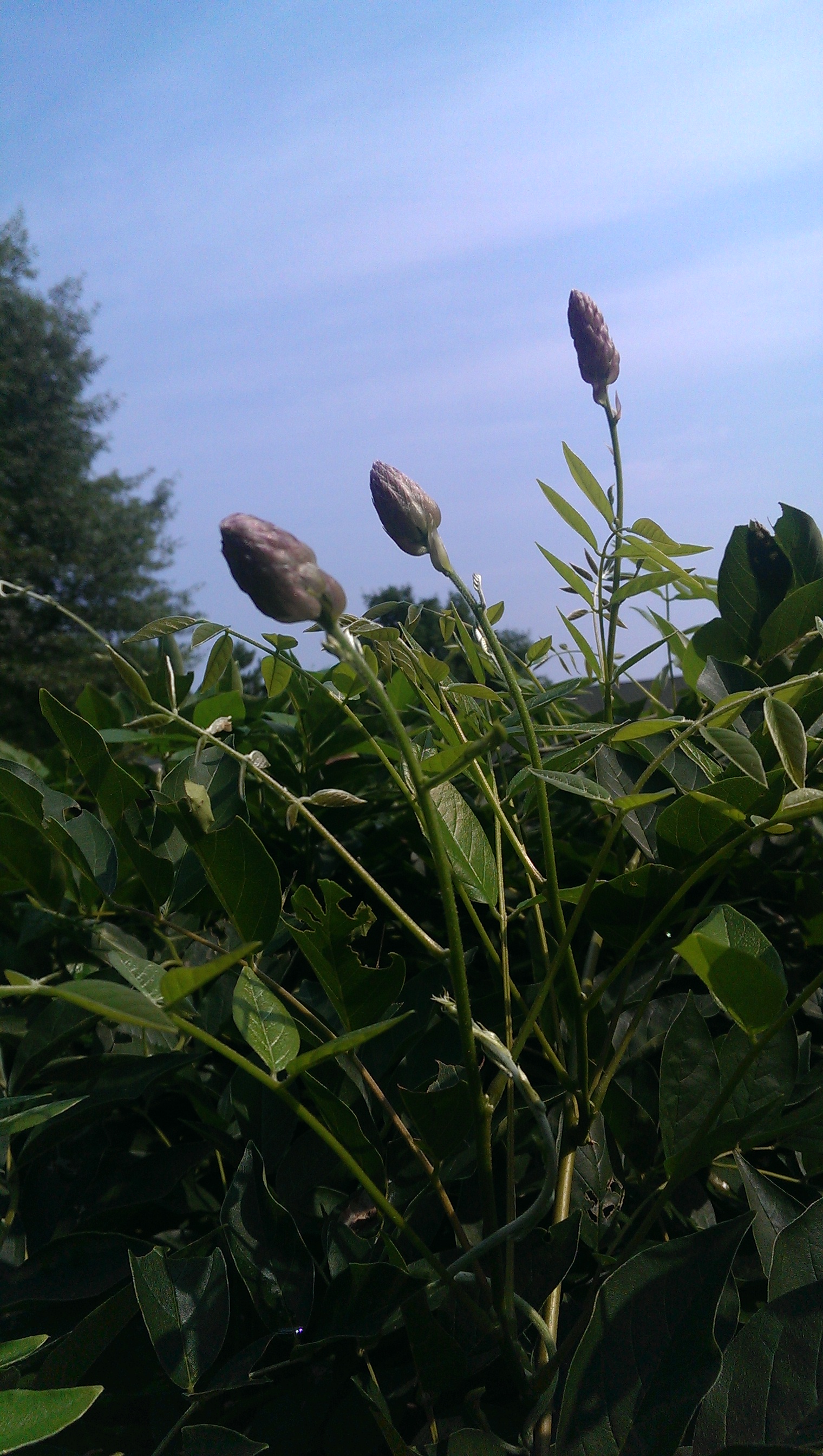
Here a few pictures from this morning’s work in the garden:
Summer’s Last Day Lughnasa Moon
Here a few pictures from this morning’s work in the garden:
Summer Lughnasa Moon
I’ve slipped into a late summer pensive mode, obvious from the posts lately. It’s not far off from melancholy, a land I can see from this spot in my inner landscape.
It comes, in part anyhow, from being fed up with garden work, tired of the responsibility. At first this year I described this as pulling away from the land, a pulling away occasioned by our pending move. And, yes, there is that element to it, but then I recalled other late July, early August feelings. Similar ones.
Around the time of Lughnasa, the Celtic festival of first fruits, we’ve been at the garden since April. That’s 4 months and my emotional response to it follows a predictable pattern. There is, first, eagerness. This often comes in January with the arrival of the seed catalogs. Paging through these girly magazines of the horticultural world, flashing pictures of mature vegetables and gorgeous flowers draw the eye and stimulate the imagination. A new year’s garden begins to take shape with scribbled plant lists, drawings of the beds, conversations about what went well last year, what might be fun this year. This is around Imbolc, the Celtic festival of lambs-in-the-belly.
Then, the grip of winter loosens and the soil can be worked. This is the time for planting cool weather crops. Now there’s a mild fever, a feeling that the weather is holding things up. Last year’s mulch gets pulled off, the beds for cool weather plants get worked a bit and seeds go in the ground.
Waiting for seeds to germinate is a sweet time, part concern, part withheld joy. Then the shoots begin to pierce the earth. Often here in Minnesota this is around the Celtic festival of Beltane, the beginning of the growing season, May Day.
Another period of impatience occurs. Frost sensitive plants can’t be planted with confidence until after May 15th, some even after Memorial Day, though each year there’s a temptation to test the weather in order to benefit from a longer growing season.
All of May is garden intensive with clean-up, planting, weeding, bed preparation, dead-heading of perennial flowers. May might be the best garden month because it combines the restless anticipation of the frost sensitive plantings with thinning and weeding of the cool weather crops.
With the gradual climb of the sun toward the Summer Solstice the plants accelerate their growth. All the plants. Including weeds. By the Solstice insects have begun to have their way with some of the growing plants and weeds become a constant. Mulch goes back down to hold in moisture and keep the ground cooler. June sees the full garden, the vegetable garden, growing. The cool weather plants are racing to maturity and the frost sensitive plants gain height and leaves, some fruits.
In late June and July beets and carrots of the cool weather plantings, green beans and sugar snaps, chard and collard greens are ready. Harvests begin and second plantings go in. The sun’s height, though now in recession, continues high and solar energy strong.
July is the peak of the garden with most plants high, green and bearing fruit. Harvests 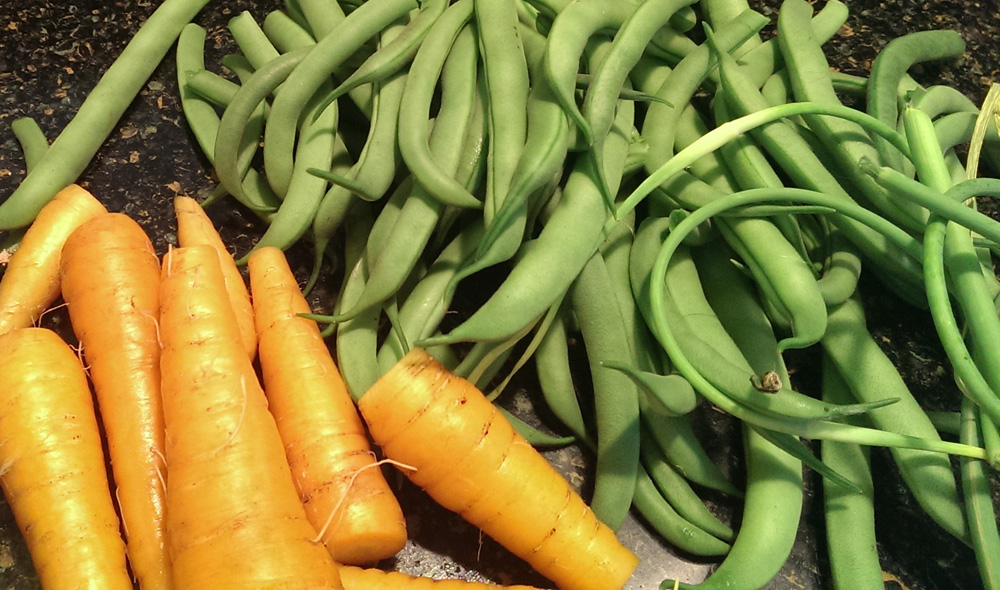 already begun continue and often tomatoes are ripe, peppers, too. The first of these. By now the eagerness has waned, replaced by a steady rhythm of spray, weed, thin, pick.
Yes, it’s true that the harvest is the point of it and, yes, it’s true that harvesting is a satisfying work. But sometime around Lughnasa, right now this year, the garden’s grip on my imagination and heart begins to weaken. I begin to resent its hold on my time, on having to be present to it. Also, plants begin to die back, this is the end of maturation, senescence.
This feeling lasts a couple of weeks, until a hint of coolness hits the nights. It might come from my sensitivity to the changing light, a signal that the more thought-focused, inner world seasons have already begun to assert themselves. I am a child of the dark fallow months, a time when the world outside demands nothing, leaving me alone with my books, my Latin, my writing.
In another week or so I’ll get another boost for garden work. Anticipation will grow for the raspberry ripening and the triumphal weeks of tomato, egg plant, pepper, cucumber harvests. By September the garden will demand less time. I’ll put in a new crop of garlic later in the month, possible early October. Clean up and memories will dominate then.
All this is to say that I’m not really pulling away, not quite yet. This is mid-season weariness, a regular event. Part of the gardening year.
Summer Lughnasa Moon
The days continue to grow shorter. The yellow orb in the middle of the round calendar has begun to pull away toward the center, indicating less sunlight during a 24 hour period. This change is not far advanced, though we have already lost 50 minutes of sunlight since June 25th. The sun’s recession from our day will continue until December 21. On that day we will have 8 hours and 47 minutes of sunlight compared to June 25th’s 15 hours and 35 minutes.
(Hay Harvest, Camille Pissaro, 1901)
The harvest points to the same outcome. The plants we grow here have to fit their reproductive lives into this change, utilizing the sun’s fullness during June, July and August. Then, the flowering and making of seed bearing fruits or pods or increased roots needs to be finishing, otherwise the seeds and their containers will not be ready for September’s chill and October’s frost.
The vegetables are a calendar, too, marking time with their cycles of growth, fruiting and decay. Many of our onions are drying in the shed. About half of the garlic and another large batch of onions are curing in the sun, then they’ll go in the shed, too. The sun, the winds, the temperatures, the weather all change, too, bringing with them the seasons we know. This is the source of the ur-faith, the one before all others and the one common enough and true enough to do even if nothing all else is added.
Summer Lughnasa Moon
Turning up the nozzle on the firehose. I read three newspapers daily: the NYT, the Denver Post and the Minneapolis Star-Tribune. In addition I read several magazine articles a day, many from the New York Review of Books, but many from other sources discovered through web-site aggregators. The one I currently use is called Feedly. Wired and Foreign Policy are the two other paper magazine subscriptions I have, only recently having canceled my long-time subscription to the Economist. I’m also always reading at least one book on my Kindle, sometimes two.
We live in the golden age of science fiction television shows, as I said a while back, but we also live in the golden age of information access. The plethora of good science fiction means some get missed; the plethora of information available has created a perverse problem geometrically more complex than the science fiction one.
On Feedly I have eight categories of websites: stuff, technology, politics, science, magazines (the information aggregrators of the 20th century), philosophy and climate change. I could have double that with no difficulty. Feedly allows me to quickly browse topics and articles to see if there’s something I want to read.
It would not be an exaggeration to say that I could spend all day, every day, simply staying abreast of the things I care about. Obviously, this is a problem. It leaves no room for action, no room for work or domestic life. I can only absorb information at some finite rate, whatever that rate is. And I can only absorb, retain and understand an even smaller amount.
This leads obviously to a need to curate (overused, I know, but apt here) information sources and within them categories of information. How do I do that? Frankly, I have no good solutions. I’m often left at some point during the day deciding to quit reading to do something else: Latin, garden, pack, write my own information to add to the flood, think. But when I decide to quit it’s because there is always more, and more easily available. I don’t have to wait a month for a magazine to come, or a day for a newspaper to come. I don’t rely on hourly news digests by radio nor any of the various TV news broadcasts. These latter two are far too broad and shallow for my tastes.
This needs a solution, but I’ll be damned if I know what it is.
Summer Lughnasa Moon
Gosh. Got off on a philosophical, faith oriented jaunt the last few days. I think that’s passed for now.
We don’t talk much about our inner life, mostly we just experience it. We don’t often stop to consider how unique and precious that inner life is. That world, the universe, that lives inside of you is open to no one but you. The outside world sees its effects on you and makes inferences about it, but it stays hidden. For each of us.
Even when we try to talk about it, we often invoke, without intending to, the Heisenberg principle. We modify it as we talk, changing our inner experience as we describe it.
No one else has your particular store of experiences, your emotional responses, your accumulated store of knowledge. No one else has your biases, your prejudices, your fears. All unique to you. That’s why each person is so precious.
If you can, take some time today and consider the realm in which you alone can walk. It is a resource only you can use on behalf of the world. And the world needs your special take on it.
Summer Lughnasa Moon
Just finished a BBC series, Life on Mars, recommended by sister Mary. Thanks, Mary. This series is a real mind bender. I can’t say why without giving away a lot of the plot, but if you enjoy mystery with a dose of science fiction, this British drama will appeal to you.
We selected a realtor today, a woman who believes the grounds, the vegetable garden and the orchard are selling points. She’s the daughter of Mary Thorpe, Margaret, and works with Mary at Coldwell-Banker in Minneapolis.
Mary Thorpe brought her Portuguese Water Dog with her, a small black dog with a soft curly coat. Mary took her to a friends who lived on a lake. Minnie, the dog, was in the water a lot. The next day her tail was between her legs even though she seemed happy. At the dog park another dog owner diagnosed the problem, swimmer’s tail. Turns out Portuguese Water Dogs use their tail as a rudder when they swim and when they’re in the water for extended periods the the muscle where the tail joins the body gets over used.
Summer Lughnasa Moon
So, continuing the subject from below, we might ask, what is faith? I will bring in my favorite definitionary, the O.E.D., but before we get to that I want to offer a couple of other observations. In the simplest, and therefore perhaps best, sense, faith is what gets you up in the morning. When you first wake, it comes to you that another day has started (another micro-life). What is it, on reflection, that makes getting out of bed worth it? Or, better, that makes getting out of bed seem possible at all?
Here’s my answer and I’m going to take a risk here and suggest that my answer is, roughly, universal. The body/mind that rises as you has confidence (Latin for with faith) that oxygen will be available. That food of some kind, either plant or animal, will also be available, if not today, then soon enough to sustain life. That your feet will land on the floor or the earth or the stone and not float up into the sky. That when your eyes open the visible world will flood into them once again so you can guide yourself.
Let’s extend this confidence. That the earth will spin and so the sun rise and set, the moon come and go. That our earth will speed its way around our star, tilted, with seasons appropriate to our place on it following as a consequence. That as those seasons come and go, the vast waters of our world will rise into the heavens and fall back to earth, splashing and rejuvenating all they touch. That as those seasons come and go, certain crops will grow and be harvested. Certain animals will be fed and will give their lives in a sacrifice for others so ancient as to be one of earth’s most holy acts.
This is the kind of faith that I believe we all, all native Terrans, share. It may sound trivial and inconsequential compared to the Book of Job or Genesis, the Rig Veda or the Diamond Sutra, but consider its great virtue: we know it to be true. We have to consult no wise men or women. We need no book or ritual. No institution decides whether gravity and the sunrise and the taste of tomatoes, the sweetness of cherries are correct. These are, quite literally, our birthright.
Now is the time for the O.E.D.
Faith, in its form understood from the Greek and Latin is:
1. Belief, trust
2. That which produces belief, evidence, token, pledge, engagement.
3. Trust in its objective aspect, troth; observance of trust, fidelity.
You may say, well. This is trivial. Obvious. And besides, faith, as Paul said, is faith in things unseen. Life is neither trivial nor obvious. Neither is its continuation. The wonder of this planet, so tiny compared to the vastness of the universe, swinging its way around Sol, only one star among a hundred octillion stars, nested inside one galaxy of ten trillion galaxies, is not trivial at all. Neither is it, speaking from the universe’s perspective, obvious.
And what, to agree with Paul, is more unseen than the future? Yet I have faith that these same matters which encourage me to rise each morning will sustain me, into and through the future. Even if that future is only this day, or this hour, or this minute.
Summer New (Lughnasa) Moon
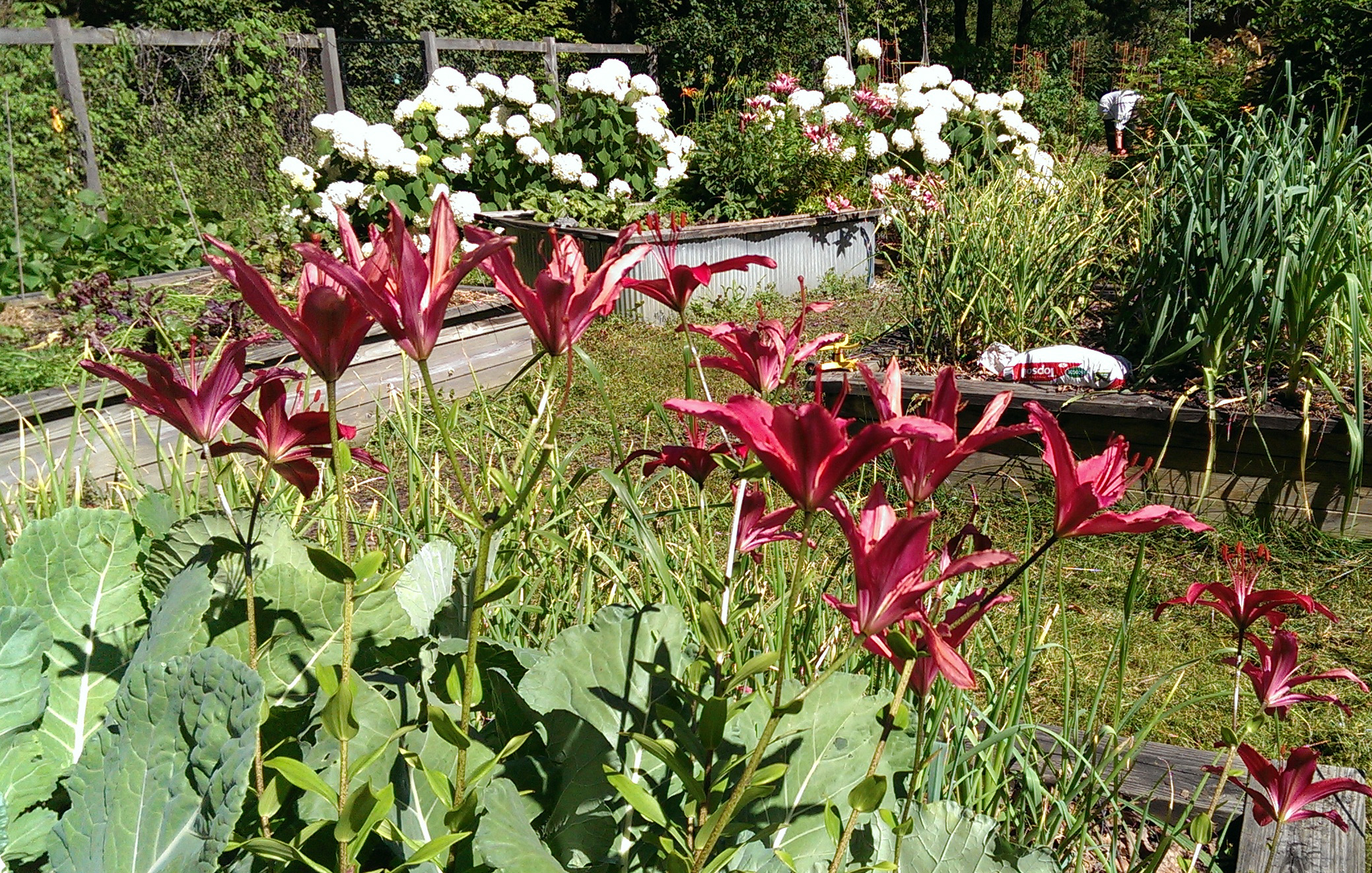 At first, as I dug my way into a new faith, it was about a symphony: the early crocus, snowdrops, grape hyacinths followed by tulips, then iris and hosta and bleeding hearts, giving way in July to a the bold notes of the asiatic lilies until the daylilies and clematis, both bushy and climbing, the liguria and the snakeroot began to dominate followed by the soft crescendo of asters and chrysanthemums. This literal rising and falling, in palates of color always framed by many shades of green, played out in my mind, a curious analog to the mental images inspired by listening to Mozart or Haydn or Pachibel.
Then, with Kate’s guidance vegetables came to have more and more importance. They too come in their own season, following their own melodic lines, as do the fruits and the nuts. Even, I would later learn, so did honey and the concerto of the honey bee.
Amending the soil with compost and peat moss and decayed leaves and hay, finding the 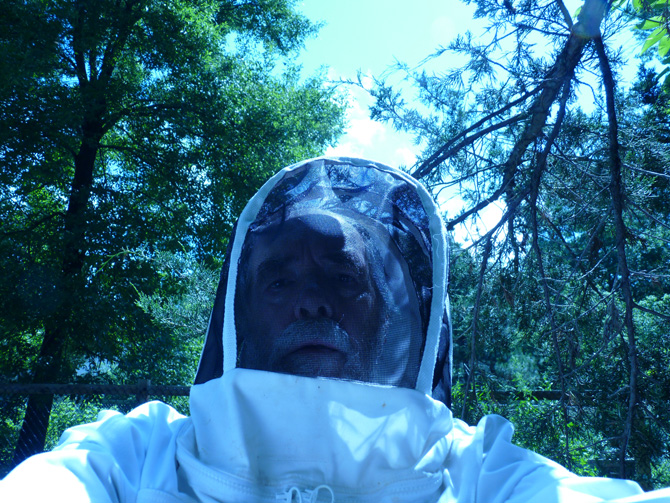 heirloom seeds for the vegetables we grow and the beautiful varieties of perennials like the iris and the lily, made the whole a process laced with memory and filled with change.
It is no surprise that the Great Wheel, the ancient calendar of a people whose blood runs in my veins, came into this earthy process as a celebration, as a sacred abstraction of a very real lived experience. This was not systematic theology. This was neither dogma nor holy book. No, this was and is the song of the earth herself, composed in her own medium, the plants whom her body supplies with nutrients and her body which receives their dead bodies to replenish herself.
So this is a material spirituality, a spirituality that lives in the praxis between human awareness and the earth’s ordinary wonders, a paradoxical sacredness created by the essential, the necessary bond between the human body and the plant body and the earth’s body. It may be, probably is, that paradox exists here only when seen against the various gnosticisms of the world’s many religions. In fact, a faith rethought and reimagined without religion entering into the mix needs no spirituality other than that mysterious, miraculous link that binds the entire web of life into one interdependent whole.
Summer New (Lughnasa) Moon
Into this house we’re born
Into this world we’re thrown…
Riders on the storm The Doors, “Riders on the Storm”
Reimagining faith. This has been a project of mine for over ten years. It started as an attempt to create a ge-ology as opposed to a theo-logy. (which, I just recalled, began long after a faith focus which saw me out in the woods and wild places of Anoka County for Celtic holidays.) My idea then was to put the earth in the place of God in a value system, a philosophical system for understanding life and its choices. In that vein I took a course on the systematic theologian Paul Tillich. If I could understand in close detail how a thinker like Tillich went about creating a theology, I might follow a similar path toward a ge-ology.
(Johann Wilhelm Cordes: Die Wilde Jagd” – Skizze zum Gemälde 1856/57)
The course was instructive, but not in the way I had imagined. Tillich’s work was too systematic, too neat and tied together with multiple logical bows. It was a product of the enlightenment, a philosophical system built on a clever and sensitive reading of the Christian theological tradition. It was not something I wanted to emulate, perhaps could not emulate. (Tillich was a really, really bright guy.)
After various fits and starts, I eventually set aside the ge-ology idea and turned toward reimagining faith. This idea came from feedback to a long ago post in Ancientrails where I referred to my spirituality as a tactile spirituality. Somebody appreciated this paradox, a material spirituality rather than an ethereal, post-Platonic soul based spirituality.
The starting point for both the idea of the ge-ology and reimagining faith is the Great Wheel. I’ve spoken elsewhere about how the Great Wheel has influenced my life and faith, but the short version is that following this ancient Celtic calendar through the seasons, and following through the season not as an intellectual abstraction but as a lived reality with flowers, vegetables, fruits and other plants subtly changed my understanding of faith.
I say subtly because it took me a long while to notice how deeply I had embraced it. Reimagining began as a second grand intellectual experiment like the ge-ology, but one focused on the Great Wheel. Not the Great Wheel as a pretty round calendar, nor as a neo-pagan liturgical calendar, though it is both of those things, but as experienced by the earth, through the changing seasons. It would not, in other words, proceed from the mind out, but from the ground up. Literally.
How was that going to happen? Didn’t know. Still not sure, but I did change the project a  third time to reimagining my faith. Trying to be less grand, less global, more in a realm for which I have both responsibility and authority.
Then, recently, I came across an article in Foreign Policy magazine. It’s premise was a rethinking, a reimagining of the U.S. military. What if we designed a military for today’s reality, was the question it asked.
Aha. That’s the question at the root of my quest. What if we designed a faith for today’s reality? This is similar to Emerson’s notion of a religion of revelation to us, not to them, but it is not the same. I’m not necessarily interested in religion, especially religious institutions which serve to fossilize and deaden lived faith. A religious institution is anathema to a lived faith since lived realities change constantly and religious institutions live to fight change.
So, I’m not interested in revelation since revelation is a Christian idea. What I’m trying to do is rethink, reimagine what faith can look like in a world shorn of classical metaphysics, in a world moving toward a dystopian climactic future, in a world… Well, that’s just the point, I think. We’re rethinking now in a world context, not in a given ethnic enclave, not even within with the broad outlines of Western and Eastern, but on the rough and watery surface of our planet. All of us now, together. What can carry us forward, help us understand who we are and what we need to do, for each other and with each other? For the planet and for the future of all living things.
I’d love to think I could answer those questions. But the truth is I can only make my best effort at answering them for myself. That’s the project I’m engaging right now, reimagining, rethinking my faith for today’s reality and for the future toward which and for which we live.
Summer New (Lughnasa) Moon
The harvest now. Onions, more and more lying down. The batch from last week have had their curing in the sun and are now in the shed on the screen. The garlic has begun to mature as well, about half of it is in the sun now as are the onions newly ready. The garlic are not large, at least the ones I’ve pulled so far and last year’s were not either. Last year we got a garlic crop when many who farmed garlic got none. Not sure what the issue is but it’s cut into the bulb size for sure.
This next week’s cool temperatures do not favor the tomatoes, so their ripening might be delayed. More green beans, collard greens, chard are ready. Overall, an abundant harvest so far.