
Enough

Lughnasa (last day of 2014)                                               College Moon
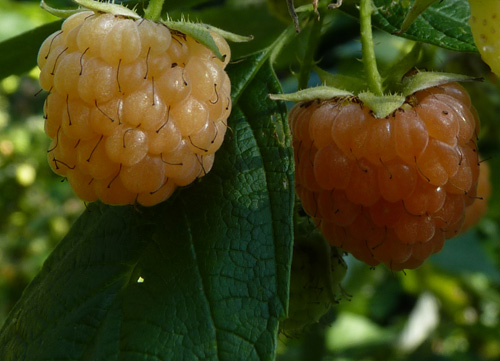
50008 28 10_late summer 2010_0198The raspberry plant. Source of the brambles, an imperial sort of plant that colonizes, then absorbs patches of land. Just realized today what an elegant form of evolutionary engineering it is.

In the spring it shoots up from last year’s cane or from seed. Then it grows up and up toward the sun, its spiny stalk with its thick, bark-like cover strong. During the summer months it spreads out its leaves, increases the size of its stalk, sinks its roots deeper into the soil. As the growing season begins to dwindle, it throws out small blossoms on thin, spindly branches. The resulting fruit at first weighs down the spindly branches just a bit, the whole still upright, able to drink in the sun.

As the fruit matures, however, it gains water weight and the spindly branches begin to IMAG1002bend toward the ground, overwhelmed by the cumulative mass of the maturing fruit. Once a large number of fruits are ripe, the weight of the whole may bend the tip and even the thinner part of the upper stalk toward the ground.
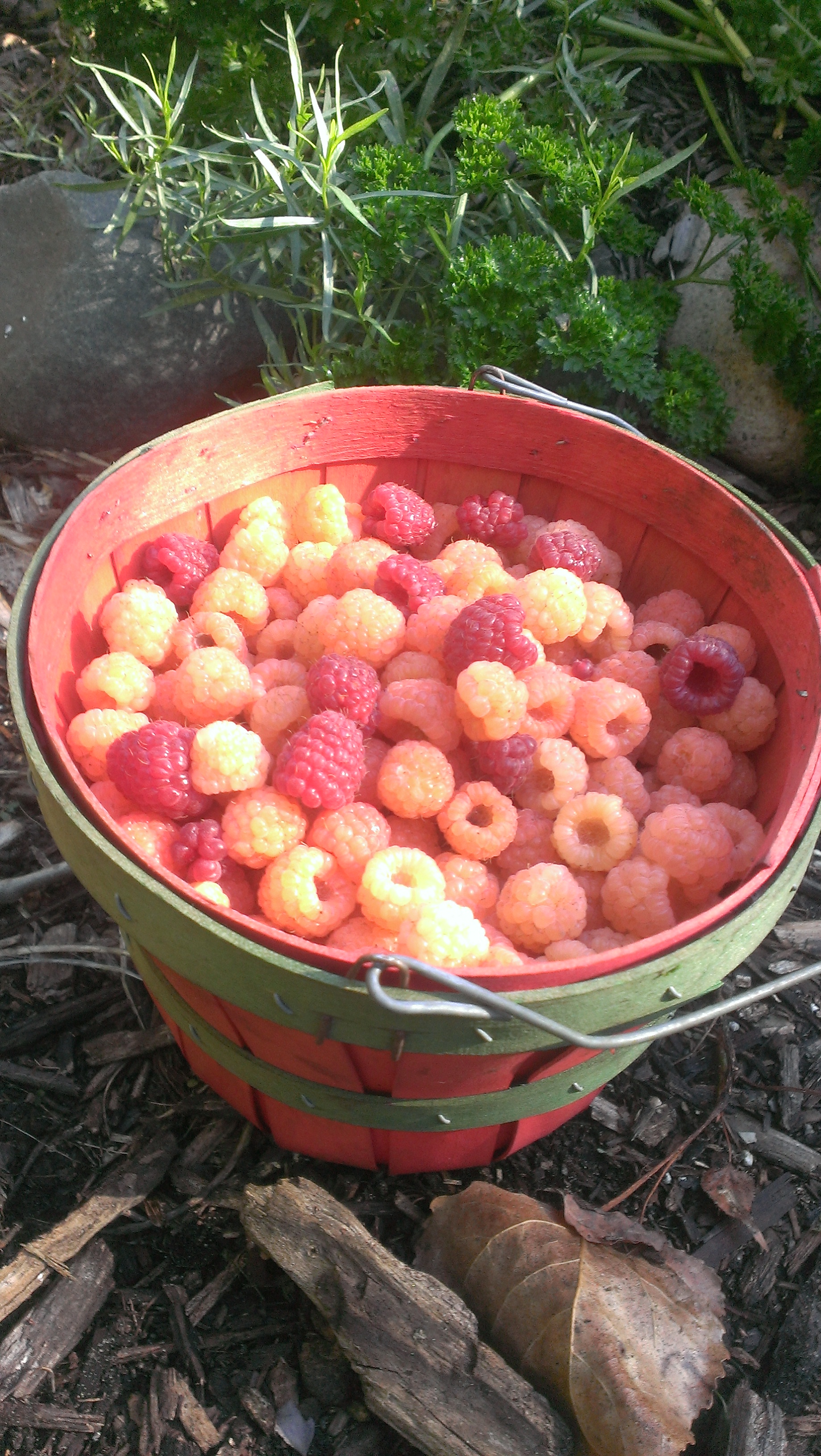
Think of it. At each stage of its presence during the growing season the raspberry has an optimal design. Firm and upright early to catch the sun, to get it above neighboring vegetation. As the fruits turn their soft golds or their beautiful magenta, the raspberry’s fruits gradually lower themselves so the seeds, which they exist to nourish, get closer to the ground. If a bird or animal doesn’t grab them for the taste of the fruit, they simply drop off and fruit and seed start more raspberry plants right there.

Picking raspberries in the cool of a sunny fall afternoon, the air sweet with the scent of snakeroot blooming nearby, the dogs waiting at the fence for fruits thrown over.  Enough. That’s all. Enough.

The Visible Fence

Lughnasa                                                                          College Moon

Installing the visible fence. The yellow wire fit neatly into the clips I’d put up for the electric fence around the orchard. That was the run of fencing that Gertie, our then and now challenge, defeated by jumping up on the top fence rail, standing with her feet on the electric fence with no connection to mother Earth. Game, set, match. Gertie.

Now we’ll have  different technology. A wireless burst of electricity delivered through a wicked looking collar with twin metal studs that project inward to the dog’s neck. If it weren’t a mild current and if I didn’t love my apple and pear trees, no way I’d use this. I know that’s a strange attitude from a dog person, but training has never been part of our life with our dogs, except at certain minimal levels.

I get little joy out of seeing dogs do behaviors generated by operant conditioning. Wagging tails, smiles, hugs, cuddling, licking, paws out for a touch all those behaviors give me great joy, instigated as they are within the dog’s own world-not my version of what their world should be. Still, I know that obedience training is important when dogs don’t have an acre and half of yard with trees. And, I also know that dogs love having a job and for some obeying their owner is that job.

When Celt turned away from the lure course track and walked over to the donut stand while his fellow compatriots ran off baying at the plastic lure, I couldn’t have been prouder.

The visible fence is an attempt to save the trees. Literally. It will also travel with us to Colorado, as will the electric fence. As I said before, critters to keep out and ones to keep in.

Last Day of Lughnasa, 2014

Lughnasa (the last day for 2014)                                        College Moon

The season of first harvests is drawing to a close. In our garden the harvest is largely over with only raspberries, leeks, carrots and beets left. Well, a few peppers and an egg plant might make it, but they’re pretty small. Lord willin’ and the creek don’t rise, this is the last Lughnasa in Minnesota. When we hit August 1st next year, we’ll either be looking at vegetables in a new garden or getting a garden ready for 2016.

It’s been an abundant year here with plenty of onions, garlic, beets, carrots, peppers, tomatoes, green beans, cucumbers, collard greens and chard already brought in. There are all the herbs, too, plus the currants and the gooseberries, the blueberries. Apples, cherries, pears and plums were in scant supply this year, but that means the new owners should have a great crop next year.

What I’ve learned about horticulture and bees, I’ve learned thanks to this land. The soil and the sun, the rain and the plants have all offered themselves as partners, and willing partners. Their language is more clear, more straightforward than the one in which I write here. I’m ready now for another teacher, for Rocky Mountain soil and sun, the sparser rain and more abundant snow, for plants that thrive on elevated ground.

Too, there is a project, a project of wondering. How will a lifelong flatlander, a Midwestern boy all his days, react to life among the earth risen up, pushed away from the surface, grown massive and hard? How will a 40 year Minnesotan, who has lived among lakes and rain and rivers, with cropland and gardens, respond to an arid land where the dominant element is rock, tough and tall? This is not a wondering about which is better, but about what each place teaches.

This student is definitely ready.