Category Archives: Commentary on Religion

The Dawn Wall of Human Insight

Winter                                                      Settling Moon


The Dawn Wall climb completed by Kevin Jorgeson and Tommy Caldwell yesterday collided with some reading I’ve been doing in a book by Arthur Danto titled, What Is Art?

In a later chapter of the book Danto referenced this work by Piero della Francesca, painted in 1460, “The Resurrection.” I knew the painting so the image immediately floated into consciousness and attached itself to Caldwell and Jorgeson emerging at the top of the Dawn Wall, a climb realized by using only their hands and feet. Ropes attached to them were there only to prevent a fatal fall, otherwise this was a human powered, human body only effort.

In Francesca’s painting the human body has failed the guards placed at the tomb. They were there to prevent grave robbers from stealing Jesus’ body and declaring him resurrected. But they fell asleep. Even with the guards asleep it takes a supernatural force to circumvent the tomb.

This all occurs, as we can tell from the pale light creeping up over the hills on the painting’s horizon, at dawn. Countless are the number of sunrise services held to celebrate just this moment.

Coldwell and Jorgeson started at the base of El Capitan on its face that has greeted that same rising sun for aeons, at least 100 million years. Imagine their climb as the literal embodiment of the human spirit rising, on its own terms, to the top, to the summit, of this wall that celebrates the rising sun, the first time this wall has been climbed using hands and feet in 100 million years.

Now imagine El Capitan as the sheer rock face of our human attempt to understand this absurd world into which we were thrown at birth and let the summit represent adequate insight into that question, adequate to guide a life.  Supernatural metaphysics posited that we humans must hoist ourselves to the top using pitons and ropes supplied by the supernatural being of our choice. In this analogy Caldwell and Jorgeson represent the humanist, the pagan free-climbing the Dawn Wall of human insight, using only the tools granted to them at birth.

It was this notion that flashed across my mind when reading Danto and considering their feat. Their emergence at the summit of the Dawn Wall overlaid Francesca’s beautiful painting, putting these two climbers in the place of the risen Jesus while blinkered humanity lay asleep below or clung to the cliff tangled up in the ropes of Islam, Hinduism, Christianity.

 

Desire, Emotion, Asceticism A Critical Look

Winter                                                                     Settling Moon

Opened the last kitchen box this morning. Kate’s busily creating spaces to put the treasures I dig out. At one point this morning she said, “We’ve got so much stuff!” with an exasperated sigh. She’s right, I suppose, though we’ve gathered this stuff over 25 years together. A third purge, which Sarah Strickland predicted, will occur. Goodwill Denver, here we come.

The Stoics want us to be free from emotional entanglement. The Buddhists want us to be free from desire. Western spiritual thought wants us to be free from things. Think George Carlin’s famous rant about stuff. None of these blanket proscriptions satisfy me. In fact, they seem to pointedly ignore the human condition.

Our emotions guide us, warn us, help us make decisions. Desire defines our pursuits through this life. Following our bliss, finding our passion mark desire as an important element in living a full and authentic life. And then there’s our stuff.

Like emotion and desire, stuff can overwhelm us, cripple us, even, in some cases, defeat us. But, like emotion and desire, the physical things with which we surround ourselves support us and give us the tools we need to live our lives. Raising our emotional life to consciousness, raising our desires to consciousness and raising our stuff to consciousness so we can make choices about them seems the critical piece to me.

In other words the life controlled by repressed emotion, or ridden by desire, or the live lived for accumulation of things is an inauthentic life. An unconscious life. A life lived in thrall, no matter to what, is a life shorn of its potential and shrunken in its worth. In this way I take the extreme positions of Stoicism, Buddhism and anti-materialism as signposts warning us, danger ahead. Useful, but not if taken as absolutes.


Feliz Navidad

Winter                  Christmas                                   Settling Moon

Eating out a lot since all our pots and pans except for the bare minimum still have cardboard around them. Los Tres Garcias was open, so we ate there. Feliz Navidad.

Coming home last night a sickle moon, horns pointed toward the open sky rested above the summit of Black Mountain.

Christmas is still an important holiday for me, even though we don’t celebrate it in any of the traditional ways. Its essential message, the birth of a god in human form, can be taken another way. Christmas is not a singular event, producing a particular person, a messiah, but a regular event, common in its universality, yet miraculous as Christmas suggests.

Three wise men, shepherds, angels and gospel writers of all kinds should take note each time a new human is born. Each of us is the universe looking on and through itself. That is god-like, making the universe a true polytheist.

Each of us has the full potential of a new Self, a Self that may be the next Madam Curie, Ghandi, or Doris Lessing. Or, that Self might be the next loving mother or father, the next hero or heroine, the kind big sister or the thoughtful big brother.

Whatever he or she becomes, each birth could be greeted with: Hallelujah, this day, a new divinity is born.


Something’s Happening Here

Fall                                                                                       Falling Leaves Moon

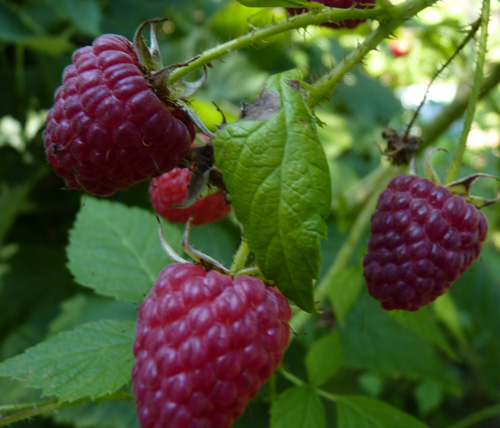
50008 28 10_late summer 2010_0199I’m having these flashes of insight, as if some larger realization lies not far from view, but still below the horizon of awareness.

Raspberries have something to do with it: wading into the thorny brambles, canes curved low with hanging fruit and picking off the sweetness. So do those blue skies and the chill in the air while I engage in the oldest human method of obtaining food-gathering it from plants.  That symbiotic trade between the food value of the fruit and our inadvertent willingness to bear its seeds to a new place places me there, so firmly there. No where else but picking raspberries.

I will say it with caution, because I don’t want to be confused for a transcendentalist, but I do look into the raspberry when I pick it. But, I also look into myself. When I look into the raspberry, I see water siphoned up from the soil, having fallen in rain or come sprinkled in from the aquifer below our property. I see colors, beautiful and rich, each fruit a miniature, reminding me of those Persian paintings. The seed is evident there, encased in a small cell filled with water and nutrients, so that when it hits the ground it will have what’s necessary for a healthy transition from top of the plant to the soil which is its natural home.

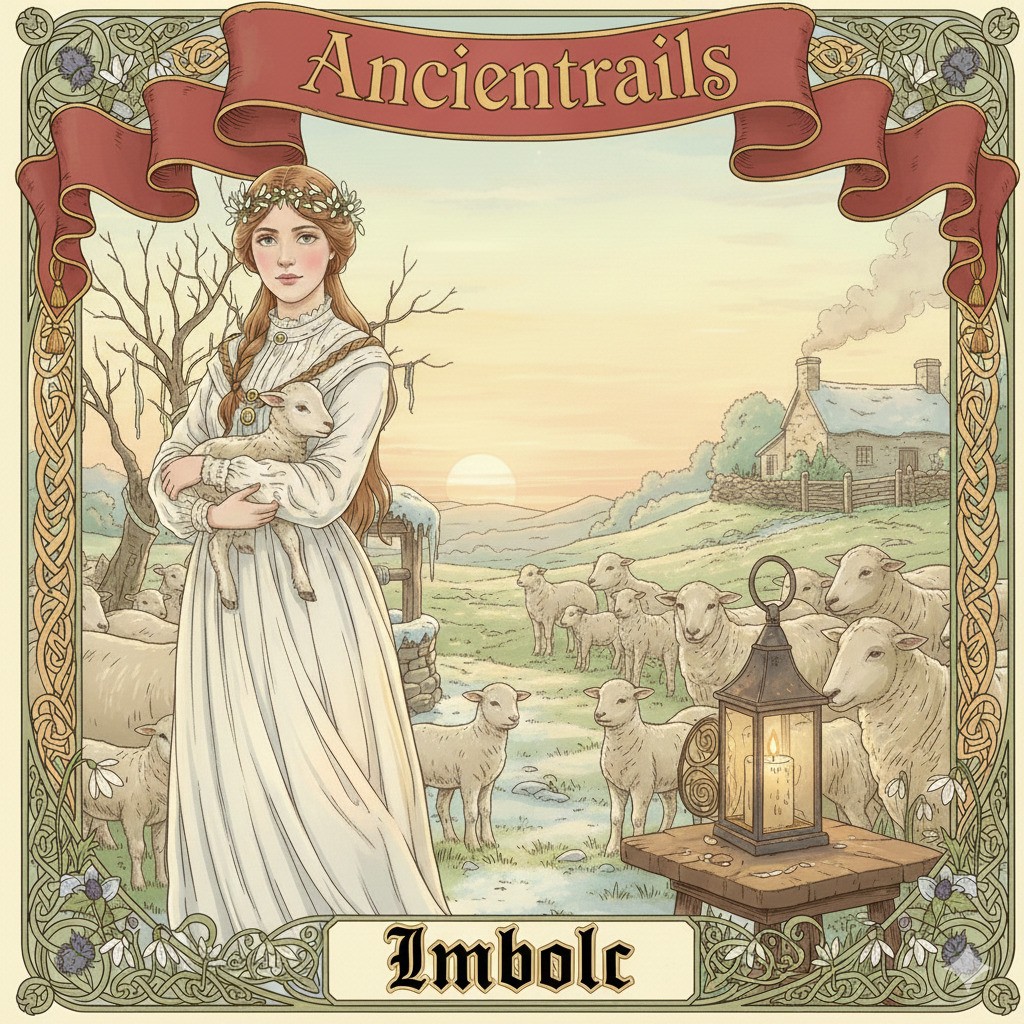
The raspberry itself is the Great Wheel, all of it. It comes on the plant after Mabon, after Michaelmas and left on its own will fall to the ground, probably before Samain, where it will lie on or just under the soil through the cold months of Winter and the days of Imbolc. Sometime in Spring it will begin to move, to thrust a small green stalk toward the sky and another, darker filament into the ground, seeking stability and food for its above ground presence. Over the course of Spring and Beltane the stalk will grow and the root deepen and strength its grip on mother earth. In the heat of Summer the stalk will grow into a cane, thorns will pop out and leaves, all moving fast toward the sky, the sun. Then it will reach Lughnasa and the strength of the cane and the roots will be at their optimum, ready to press out on tiny branches, flimsy and delicate, heavy dark-red fruits which will, once Mabon is past, once again droop toward the ground.

And so in the raspberry is millions of years of evolution, an evolutionary path older even than the one we humans have made, an ancientrail indeed. When I see the raspberry, this is what I see. When I look through the raspberry, I do not find revealed another metaphysical layer, a layer transcending the mundane and making it somehow special. No, I find the story of this stuff, these elements, this reality, a story which spans billions of years for this universe (and who is to say how many universes there are?), a story which spans millions of light years of space (and who can say how many miles there are in places we cannot see?).

If I wanted to introduce the religious into this conversation, I would tend toward the Hindu pantheon with Brahma the stretched out space in all its extensions and Shiva as the creator and destroyer of worlds and universes and maybe I would add in Vishnu so that this time in which I exist has an image of stability and permanence, even though such an image is an illusion. For which there is, of course, a wonderful Hindu idea, Maya.

I find Brahma, Shiva and Vishnu only useful as metaphor, as analogy but I do find them valuable in that way-as stand-ins, avatars, for the mystery that is what all this is.

These flashes, just out of sight. Something’s coming. And I’m satisfied to wait on its arrival.

Springtime of the Soul

Fall                                                                               Falling Leaves Moon

A brief interlude of high 70’s and 80’s disappears starting today. It’s 50 and rainy. Better, in my opinion. And more fitting for Michaelmas anyhow. The springtime of the soul.

St. Michael, the Archangel, is God’s general, the militant leader of the warrior angels, chief strategist in the war against the rebel angels and instrumental in ejecting Lucifer, the Morning Star, from heaven. His mass day, today, September 29th, honors him and the other archangels, Gabriel and Raphael, and often, Uriel.

Michaelmas was one of the four English quarter days which celebrated equinox and solstices on set days rather than on their astronomical occurrence. Thus, Michaelmas celebrates the autumnal equinox, which one author called the day of the “darkening.” It is the start of the English university first term and a day when rents were paid for the year, contracts settled and festivals held.

Michaelmas is the springtime of the soul because it presages the coming fallow time. It emphasizes the darkening aspect of the fall equinox when the hours of nighttime begin to exceed those of daylight. When the plant world faces the long dark cold, it turns inward,

goes down into the ground either as seed or as root and gathers its energy, readying itself for emergence in the spring when lightening begins and temperatures warm.

Just so with us. As a cold rain falls here today on Michaelmas in Andover, the joy of sitting inside with a book, or meditating, writing, sewing, quilting comes. Our inner life can begin to blossom, the richness in the soils of our souls feeds projects and dreams and meditations.

This springtime of the soul has only begun today and it will follow, over its time, the fallow season. I welcome you to this nurturing, deep time. Blessed be.


The Original Pentecostal

Fall                                                                                   Falling Leaves Moon

Listen to the languages calling out to you. From the lilac bushes, from the way vehicles move on the freeway, from the body movements of people in a crowd, of the clouds as they scud overhead or stop, gray and wet. Watch dogs as they wag their tales (tails, I meant, but I like this homophonic error) or smile or lean in or bark or whine. Watch their eyes move. Babies reaching, reaching. From the insects as they buzz the late season flowers, the wasps flying in and out of their nests, the birds high in the trees or walking across the road. The turtles when they walk miles to find a proper place to lay their eggs. So many tongues.

Mother earth is the original pentecostal, speaking in so many tongues. She also speaks in the movement of continental plates, the upwelling of magma, the process of evolution, the deep sea vents and their often alien seeming life forms. Or look up. Into the milky way and see the language of origins spread out before you on velvet, the most valuable jewels in all of creation. Each of these languages has a syntax, a grammar, meaning. The speakers of these languages want to reveal their purpose.

But we have to have ears to hear. Listen.

(Pentecost, El Greco, 1596)


Spinoza and Me

Fall                                                                                         New (Falling Leaves) Moon

The card gods were good to me tonight. Until I took over and started getting frisky. I tried to make a hand work where the force was not with me. Still, a good night with plenty of good conversation with men I’ve come to know well.

Bill Schmidt and I had dinner at Pad Thai, as we have for many of the evenings before the game. Bill’s reading a book about Spinoza and one by Spinoza. Spinoza’s an interesting guy in many ways. An apostate Jew. A monist, which is a hard position to defend. An optics maker, a lens grinder by trade.

Bill linked Spinoza’s work and mine, generous of him to think of the two of us in anyway linked. But the connection is fair, I think. When I left the Christian faith behind, I left behind a medieval approach to questions of metaphysics. That approach is text based rather than experience based. In the Christian instance experience is viewed first through the lens of scripture, and through the particular interpretative schema you bring to it. So by the time you get to reality, the gap is already pretty wide.

Christians are not the only ones with this inclination: Islam, Judaism, but, too, as the scholar Bill read points out, anyone who reads the texts of another as the first line of inquiry when faced with philosophical or theological or political or ethical questions.

Where Spinoza and I come together is in having rejected that text based, medieval model of scholarly inquiry. We both turn instead to nature, to lived experience, so the mediation is left to the senses rather than texts. This makes for a different sort of thought, with very different evidence for what we believe is the case.

Spinoza takes his inquiry deep into the nature of nature, building his thought systematically. I’ve never been able to hold myself to one line of inquiry long enough to work systematically, but I have had insights recently that seem to follow some of Spinoza’s. For example, in thinking just yesterday and today about the nature of political commitment, I’ve come to realize that ethics and political thought come after our political values, rather than from them deductively.

What I mean is that what you feel is fair, just, equitable, decent, honest, valuable for yourself and your community, comes first, informed by any of a number of inputs from personal history to family imprint to community of identification and place and era of birth. Only later do we seek out socialism or compassionate conservatism or democracy or autocracy as more systematic elaborations of our apriori sensibilities. We may then use them to enhance or inform nuances of our political beliefs, but they do not create them.

I’ll stop here with this thought. This is why political debate does so little to change minds and hearts.

Rising

Fall                                                                                       New (Falling Leaves) Moon

The prototype of the evil doer, the mother of all James Bond’s enemies and role model for purist tyrants of all stripes, Adolf Hitler, still shines with a dark light, casting a pall of sickness over the future. Of course, even Hitler represents a distillation of a much deeper human problem, that of denigration based on secondary characteristics: racism, anti-semitism, misogyny, nativism.

In Hitler’s case a centuries old virus, a plague in the soil of Europe, a virulent stream of racism, anti-semitism, found its perfect host. Hitler glorified the notion of racial purity over against its worst violation, blood pollution, and found reason to kill Jews, gays, Gypsies and the mentally disabled.

This is not news. Except it is if you’re Jewish and living in Europe. Or, Jewish and living anywhere in the world, even here in the United States. Here’s a paragraph from a NYT article published today:

“From the immigrant enclaves of the Parisian suburbs to the drizzly bureaucratic city of Brussels to the industrial heartland of Germany, Europe’s old demon returned this summer. “Death to the Jews!” shouted protesters at pro-Palestinian rallies in Belgium and France. “Gas the Jews!” yelled marchers at a similar protest in Germany.”

Though not Jewish myself I count many Jews as my friends. My wife, my daughter-in-law and both grandchildren are Jewish. So, I ask all my fellow goyim to say, along with the Jews, “Never again.”

Mabon 2014 and the Springtime of the Soul

Fall Equinox                                                                      Leaf Change Moon

Today the earth’s celestial equator (the earth’s equator projected into space) passes through the sun’s ecliptic (the sun’s apparent path throughout the year, actually caused by earth’s orbit.) You usually hear this put the other way around; that is, as the sun passing through the earth’s celestial equator, but that represents the stuckness of paleolithic astronomy that assumed the earth was the center of the solar system. From the diagram above you can see the sun’s declination (degree above or below the celestial equator) is 0 on the vernal and autumnal equinoxes.

This same diagram is very clear about the solstices, too. You can see that when the earth’s orbit tilts the northern latitudes toward the sun, the sun is highest in the sky-the summer solstice.  When the sun is lowest in the northern sky-the earth tilts away from the sun and gives us the winter solstice.

Since the summer solstice day time has exceeded night time. In theory the autumnal equinox is the point of equilibrium between light and dark, but at our latitude that day actually occurs on September 25th this year. This is, however, the day the Great Wheel celebrates and it does so because of the sun’s zero declination at earth’s celestial equator.

This week then the victory of the sun, made complete on the summer solstice, begins to wane. The dark god of deep winter gains greater and greater authority as the sun’s rays spread out over a larger area of earth, thus weakening them, and the number of hours that the sun is in our sky, even in its weakened condition relative to the soil, decrease steadily until the night of the winter solstice. Thus comes the fallow, cold time.

It is no accident that the harvest season is now. Over the 475 million years (give or take a hundred million) since plants made it out of the oceans and onto land, plants have adapted themselves to the conditions that work with their particular genetics. Key aspects of a plant’s life include carbon dioxide, soil nutrients, available fresh water, adequate sunlight and temperatures adequate for all these to work with the plant’s life cycle.

Thus, as the earth’s orbit carries it to different relationships with solar strength, temperatures change along with it.  At its maximum when the earth tilts toward the sun and the sun is highest in the sky, the sun’s rays fall on a smaller area of land. Here’s an excellent simulation. University of Nebraska-Lincoln.

Plants have had the past 475 million years to refine their growing season so that it takes maximum benefit of the sun’s strength. In a very real sense the growing season is a clock, or an astronomical observatory directly correlated to the earth’s orbit around the sun–The Great Wheel.

On a spiritual level, if we follow the ancient calendar of the plants, the season of external growth, flowering and seed making, is waning now. Just as the plant either dies out and anticipates its rejuvenation from scattered seed or goes dormant and waits with stored energy below ground in roots or corms or bulbs, so we might consider this season as the one where we shift inward, away from the external demands upon us and the expectations put on us there.

Now we shift toward the interior life, the Self becomes more of a focus, our spiritual life can deepen. We can see this shift in the human life cycle if we compare the second phase of life with its emphasis on family creation and nurture and career, to the third, with its pulling back from those external expectations. The third phase is a post growing season time of life, not in the sense that growth ends, but that its focus is more down and in rather than up and out. The third phase is the fallow time.  Michaelmas on the 29th of this month is known by followers of Rudolf Steiner as the springtime of the soul.

The third phase marks the beginning of the springtime of the soul for the individual.

At the Fair

Lughnasa                                                                            College Moon

This guy was in line ahead of me for a discounted senior ticket:

fiddledIMAG0580


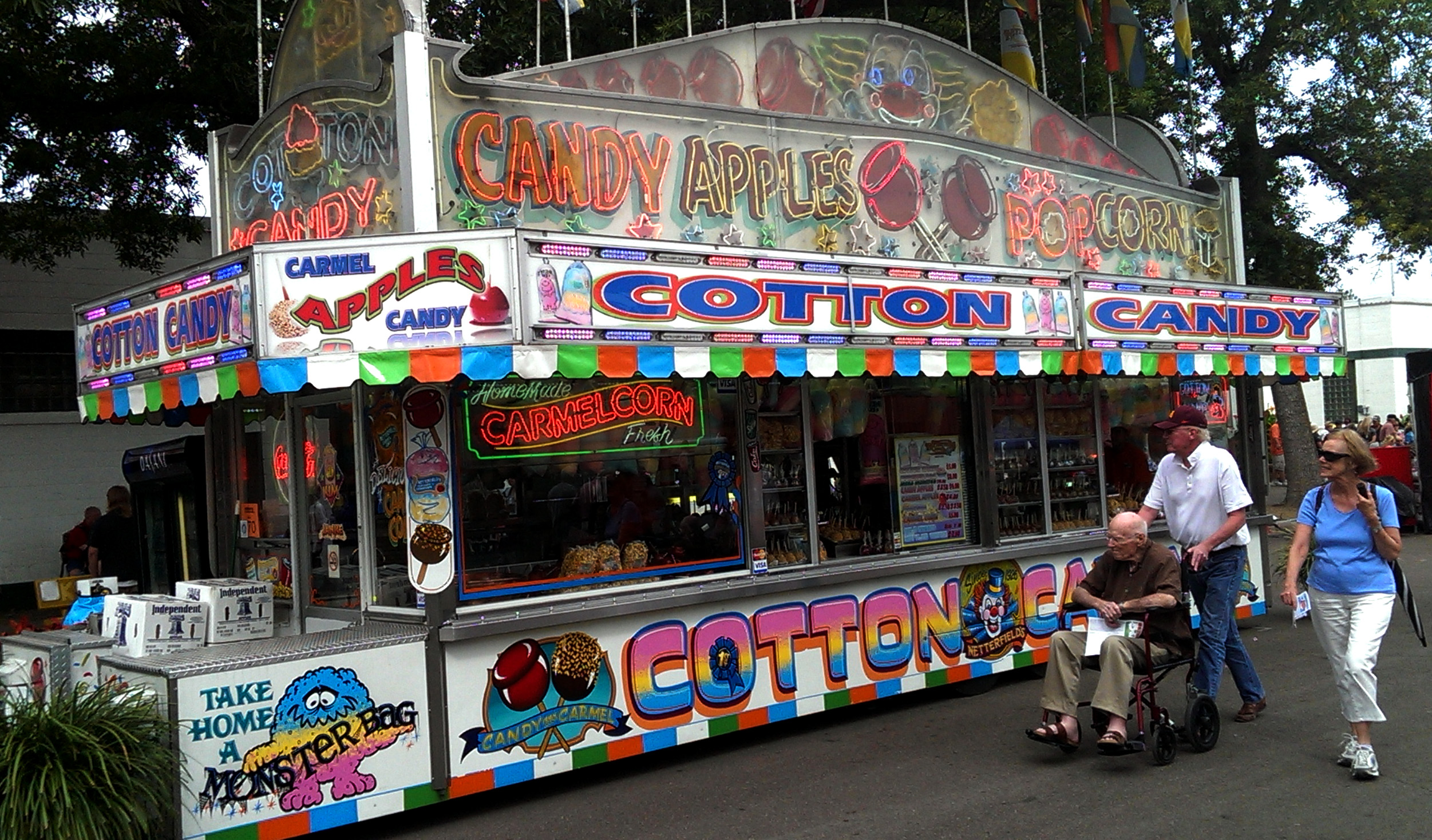
Samsara

fiddledIMAG0589


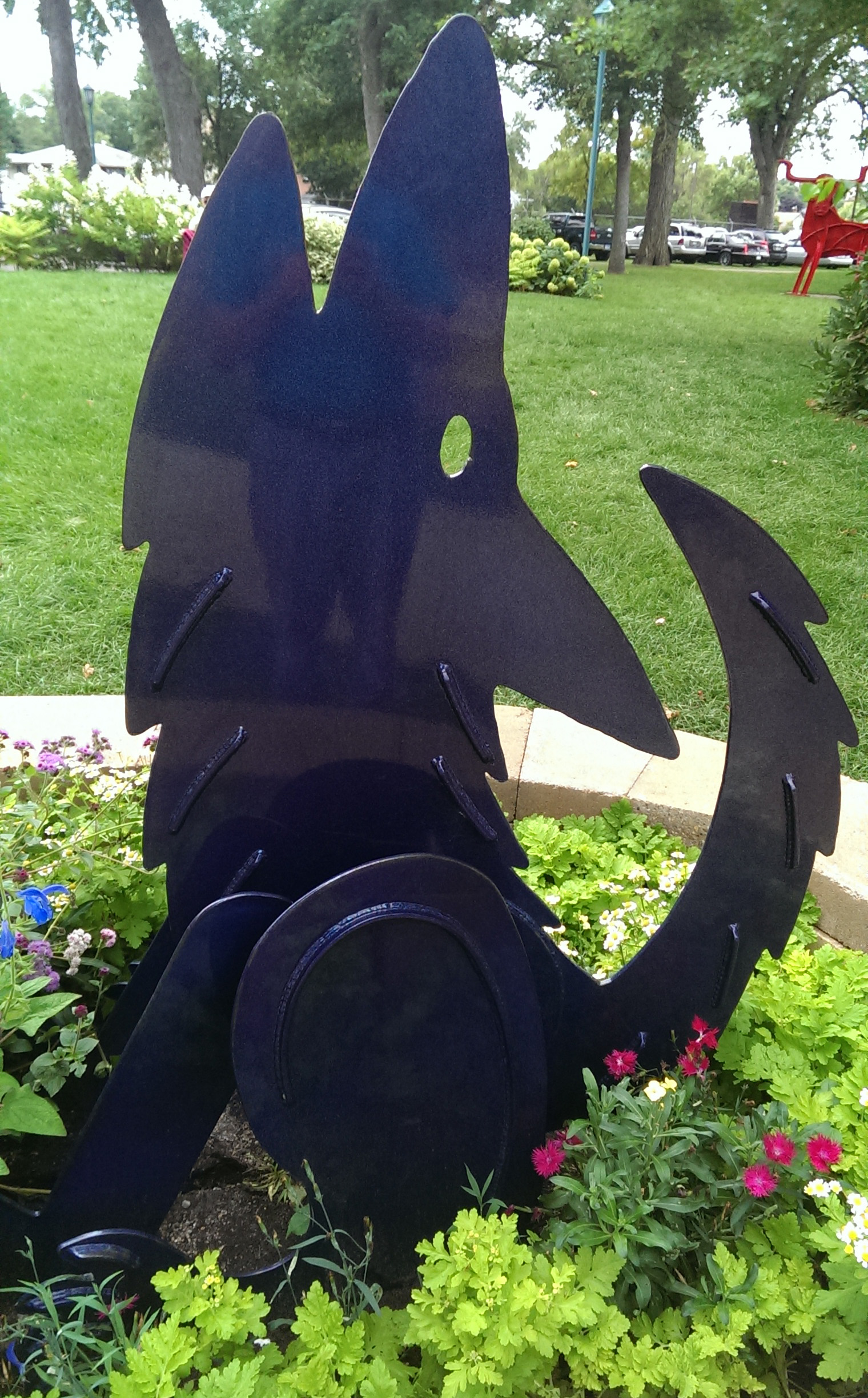
A howl from the West. Our future.


croppedIMAG0600


More of samsara.

fiddledIMAG0591


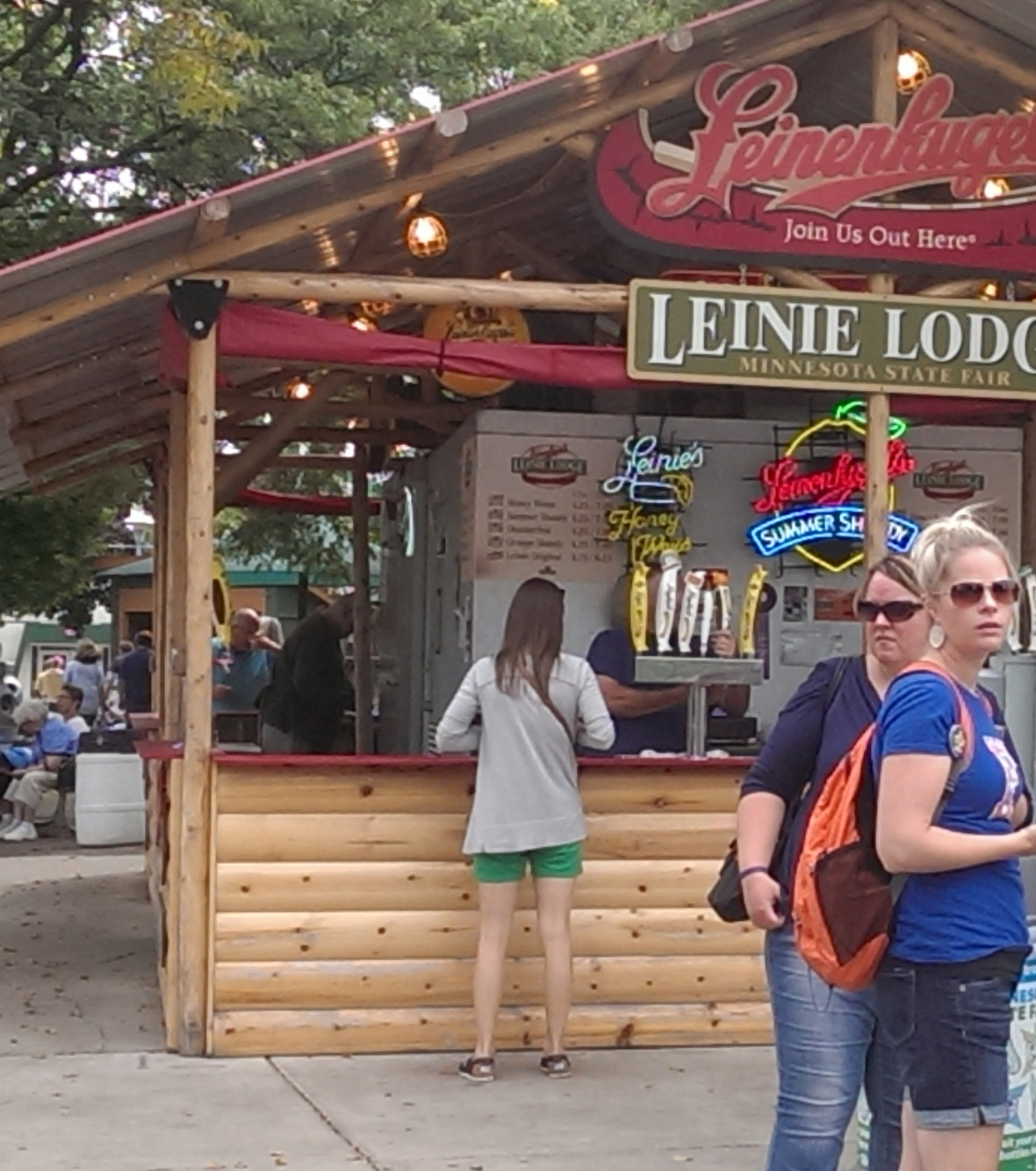
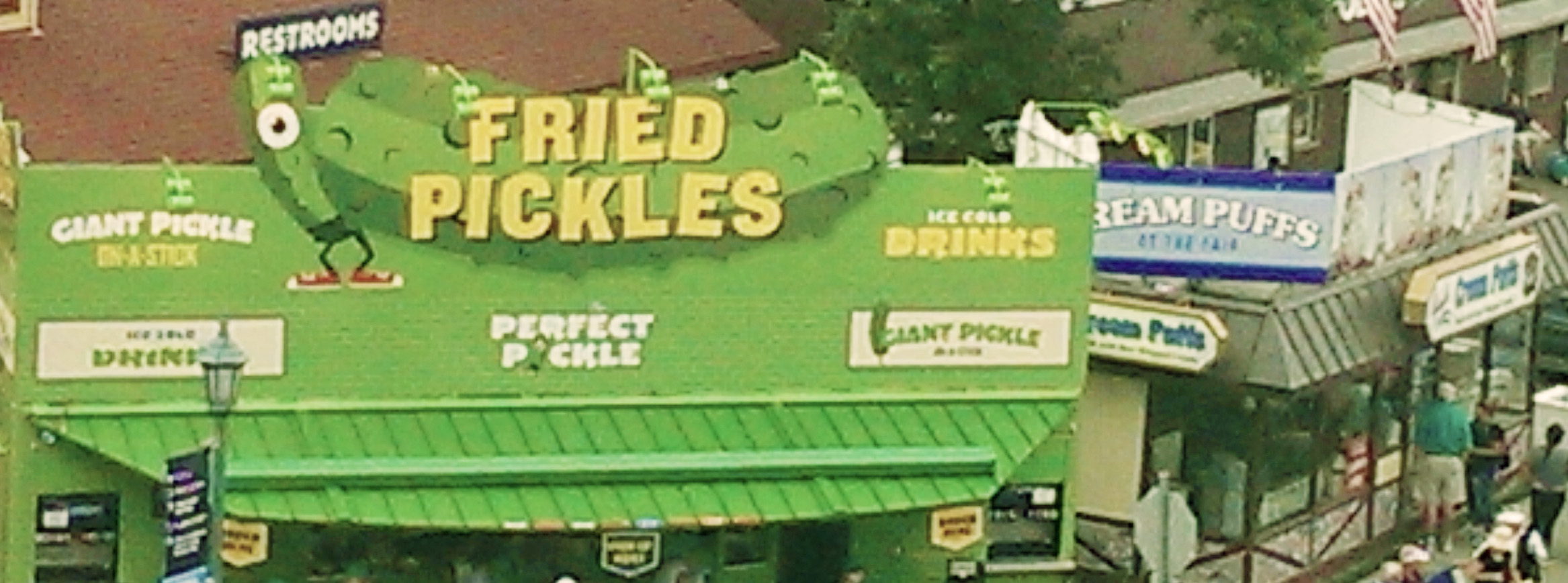
Dulling the pain of samsara.


croppedIMAG0592


fiddledIMAG0601Kate chooses her way.

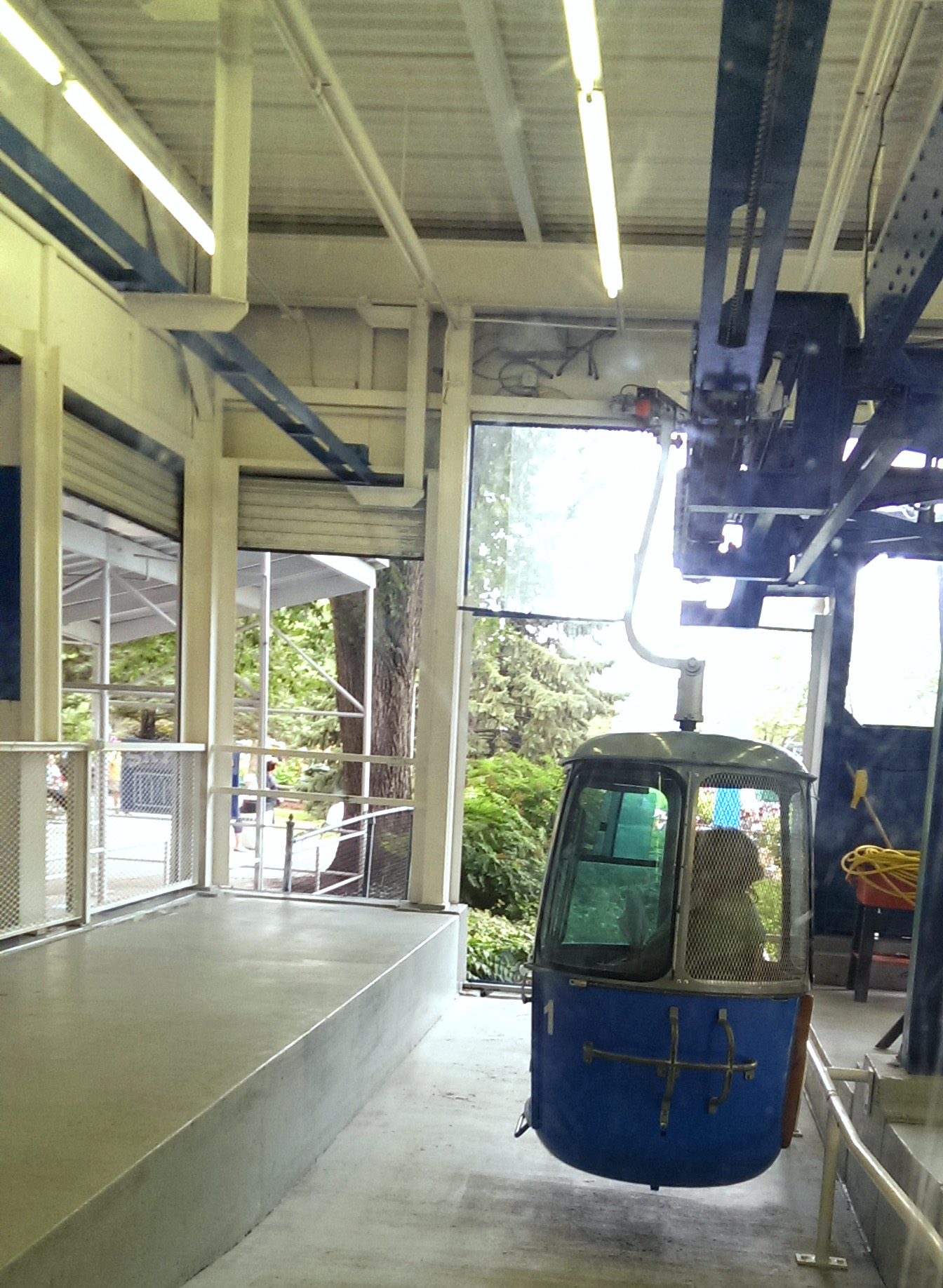
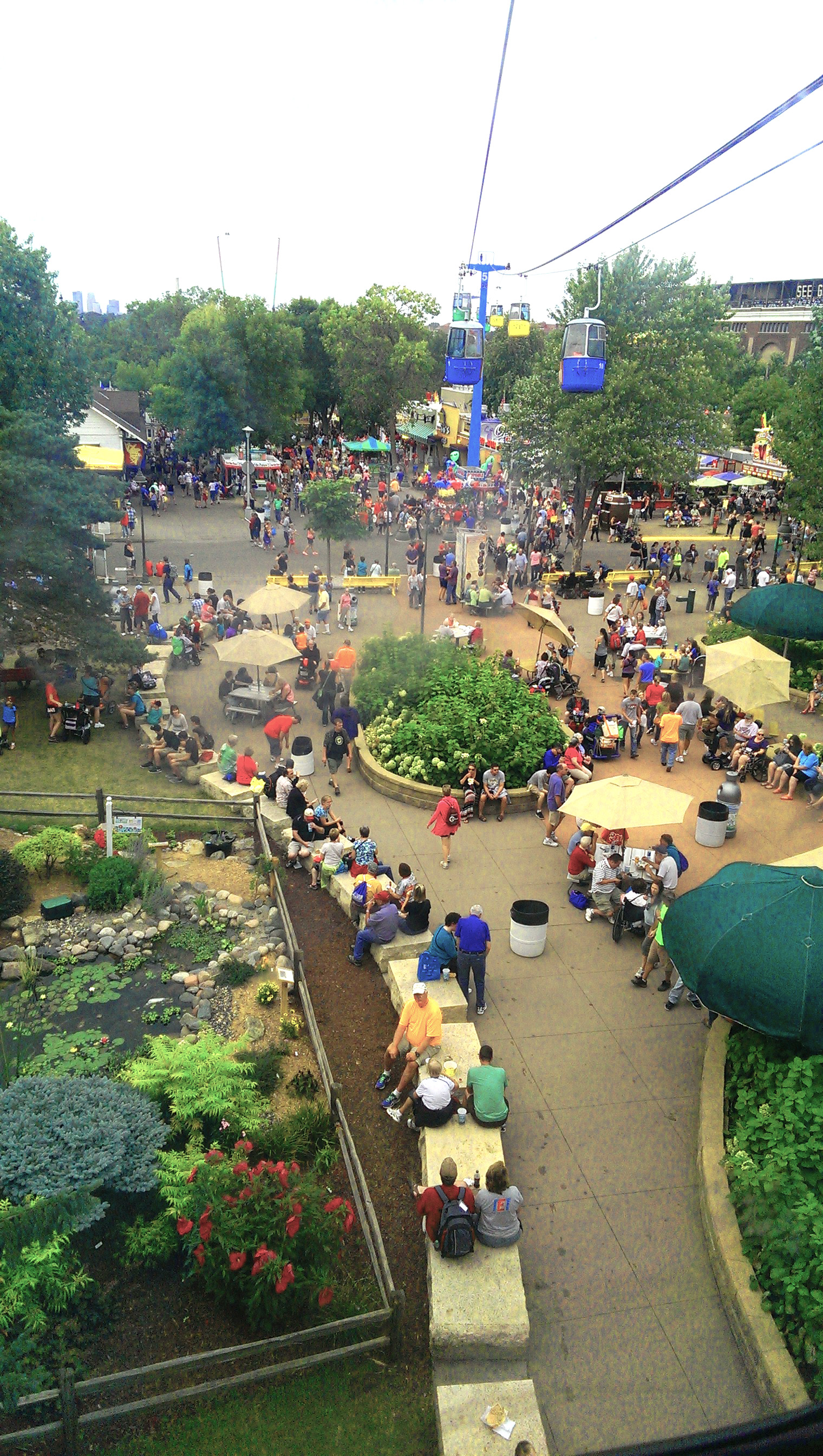
fiddledIMAG0603Leaving the earth behind

fiddledIMAG0605

Mortals

croppedIMAG0612


What we become if we remain at the State Fair too long.