Beltane Sumi-e Moon
 You might expect the cough of a mountain lion, the cries of magpies, mule deer and elk rustling through undergrowth, bugling in the fall, the sounds of the pines soughing as winds sweep down from Mt. Evans, perhaps even the violent poundings of the thunder storm the other night. And those sounds do exist up here.
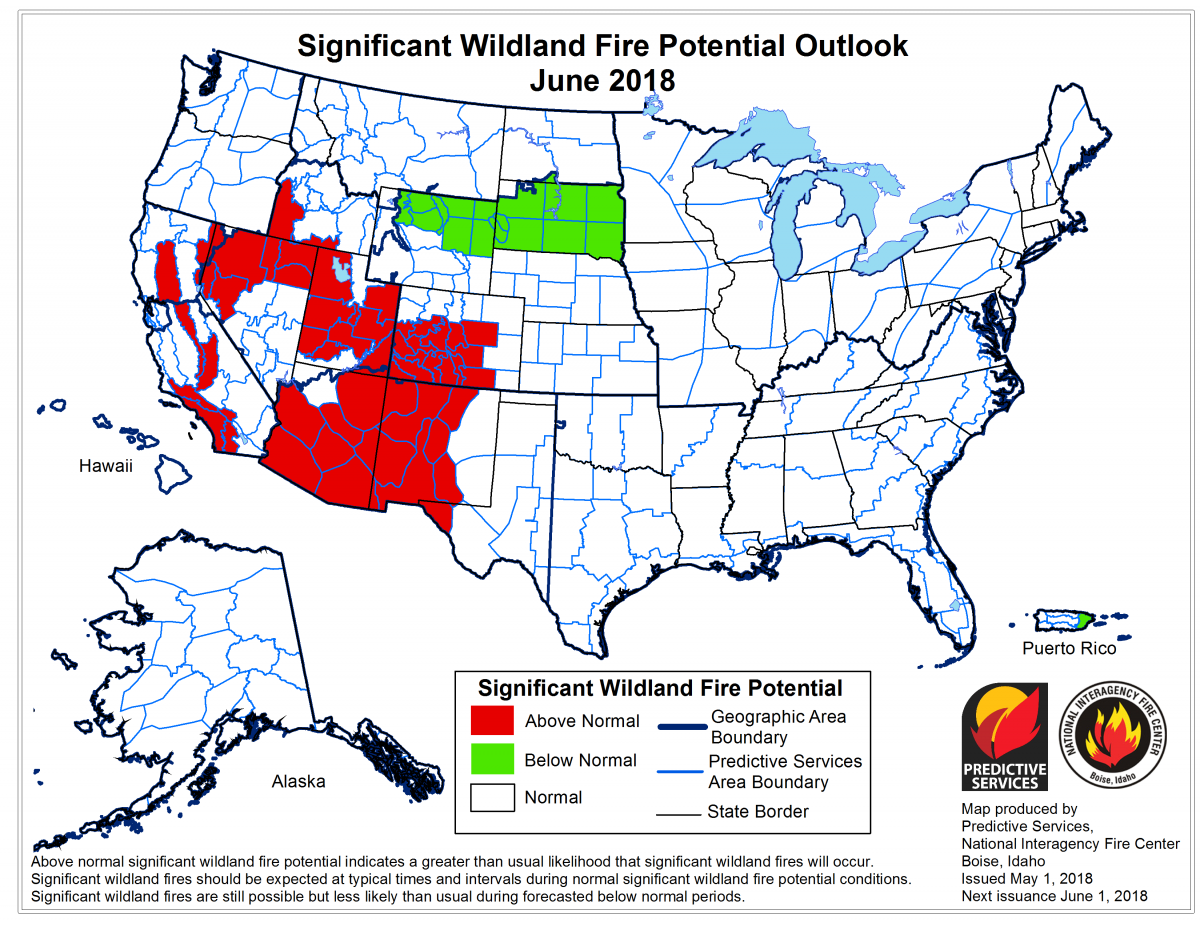
But the one I here most often, aside from light traffic noise on Black Mountain Drive and dogs barking, is a chainsaw. Lots of fire mitigation work. Lots of tree felling for wood heat. Lots of people, I think, who just like their chainsaws. Me, included.

Then there are the motorcycles. Our neighbors, Eduardo and Holly, run a business selling steampunk gear to women riders. They have two Harleys. Motorcyclists come up here more often than bicyclists, riding in packs or alone, enjoying the mountain scenery and the fresh air. There are other motorheads up here including Jude our welder neighbor and the family two doors down that never got over the whole Volkswagen thing from the 60’s.
These folks, I think, and many of our other neighbors live up here as a base camp for canoeing, riding, climbing, 4×4 adventures off road, skiing. If you’re already in the mountains, it’s easier to explore them.
 In the winter there is the scrape and drag of Jefferson County snowplows and the intermittent pushing and engine revving of private snowplowers, the whine of snowblowers.
Oddly, much of the time our home in Andover was quieter than it is here. And I value quiet. This noise does not, however, upset me. As an older adult, I’m happy to have neighbors close by and having neighbors means living with their habits and passions. Even the noises I’ve described are intermittent and when a heavy snow falls, or mid-day, like right now, or late at night, the silence here is profound.

 Here’s the real trick in Rovelli’s book though. The present is highly local. The present is a construct meaningful only within the part of the universe with which we are in direct relation. So my present here on Shadow Mountain is different than the one down the hill in Aspen Park or down the hill even further in Denver.
 Picky? I don’t think so. The present is just that. Now. But I can discover no other present without encountering it after mine has already disappeared. This highly local nature of the present unhinges our assumption of time as a constant, the same everywhere. No, in fact it’s exactly not the same everywhere. You have to let that trickle in, at least I did.

 Rabbi
Rabbi  As soul we become aware of our direct links to other people, to the world we live in and we understand them as part of us and ourselves as part of them. Shapiro says that such dictums as love thy neighbor as thyself become axiomatic at the soul level. When we know the true face of the other, which we can do at soul level, then we have to treat them with loving kindness. This includes the earth.
 He refers to himself as a perennialist. Here’s what that means: