
Fall Harvest Moon

As the post below shows, we’re setup to get our first winter storm. We’ve had some snow, though it came and went in Colorado fashion, fast. This one will likely change things here by chilling the ground and preparing the way for snow that actually hangs around a bit. It’s early October, so that’s a bit of a surprise. Looking forward to it, in the way only retired folk can. No commute down the hill, slipping and sliding as everybody tries to remember how to do this. It is way too early to put on the snow tires, isn’t it?
Yesterday was beautiful and today is predicted to be the same. Highs in the 60’s. Mowed the fuel yesterday. Four times this year, I think. We don’t really have a lawn, just lodgepole pines, a few aspen, some rock and bunch grass, though the leach field has a nice plot of green. All those nutrients we send out each day. Reason to mow is to keep what the wildfire folk call “fines”, as in fine fuel, not trees or shrubs, from growing too high. When the fines dry out, they can spread a fire quickly and if there are low hanging branches (below 10 feet) fire can spread from fines to trees. This is known as ladder fuel. The grass burns, a branch catches, then the tree, then its neighbor. After that. Forest fire.

Wildfire mitigation has been a primary concern for me since we got here, but after reading Megafire, by Michael Kodas, I have a different perspective. Most of the wildfire mitigation strategies are for ecosystems lower than ours where the ponderosa pines predominate. They tend to have the lower branches, though they are also much more fire resistant than lodgepoles. Much thicker bark and generally bigger, more widely spaced trees. Kodas points out that lodgepole/aspen forests, dominant in the higher elevations of montane ecosystem between 6,500 and 9,500 feet (we’re at 8,800.), tend to have forest clearing fires every 100 to 300 years.
That means we have less frequent fire risk than the lower elevations, but, when the fire comes it will likely be a crown fire, jumping from treetop to treetop in the closely spaced groves of lodgepole pine. No fire mitigation will protect against a crown fire. When I had the deputy chief of the Elk Creek Fire Department out here to talk about fire mitigation, he said when it comes, a fire will sweep up from the valley through which we drive to get to Evergreen. “Nothing will stand in the way of it,” he said.
 In a localized fire, mitigation can help a lot. Our house is now pretty well protected with the ignition zone, about 30 feet out from the house, cleared of trees and the trees just at that zone and somewhat further out have had their branches cut to above 10 feet. We have fire-rated shingles and I mow the fines. I’ve not had the gutters cleaned, which is a potential problem, but we’ll get to that next spring. With a flat, short driveway, access from a well tended county road and mitigation our house stands a very good chance of survival. In a crown fire though, no combination of mitigation strategies will keep it standing.
All this means we’ve done what we can. There’s not been a burn here for over a century so our risk, though not high, does exist. We have a lower risk of fire at any one point in time than our lower neighbors. But, when it comes, better be out of here.
So, the key for us now is to have a good disaster plan, a way to make sure we get out what we want and need if we have to evacuate. On Oct. 15th a member of Beth Evergreen is doing a presentation on just that. We’re somewhat of the way there, but we could use some sharpening up.


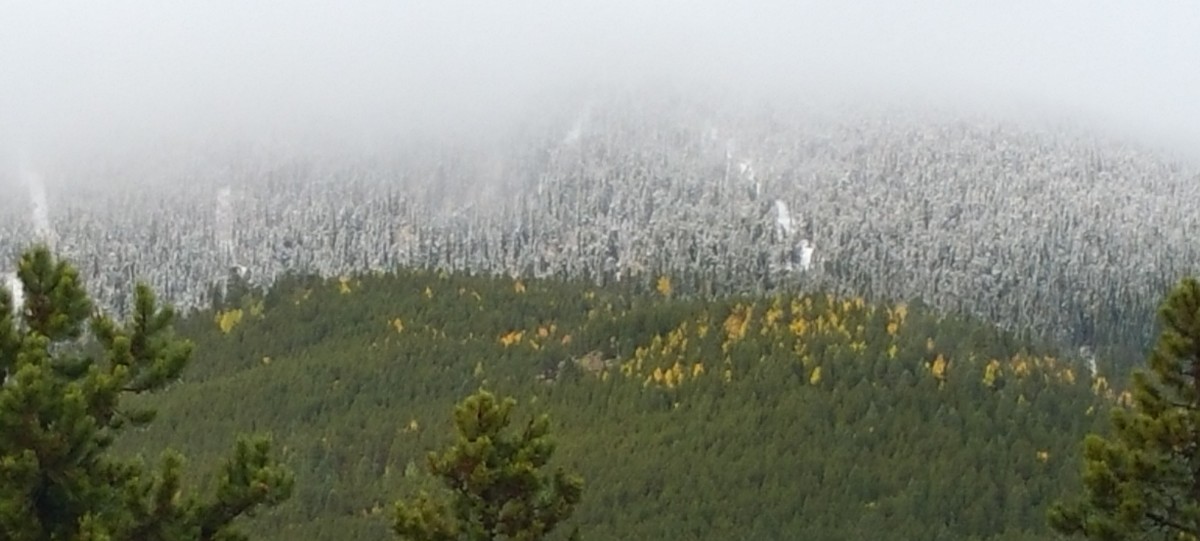

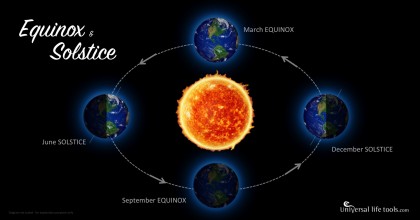 Here in the mountains the streams have long ago drained off last winter’s snowfall; the aspen have turned golden. The cervids have begun their annual procreational dance. Sex is in the air. We have snow in the forecast for Monday and night time temperatures are in the good sleeping weather range for Kate and me. In Minnesota we could hear the Andover marching band practicing and here the high school football season is already well underway. Coats become an item of consideration when leaving the house.
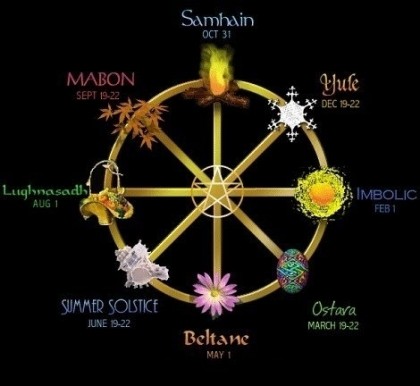
 The last night of the Eclipse Moon, a disastrous month for North America from the eclipse to its waning moment. The wildfires are still burning in the West from the state of Washington to California, in Oregon and Montana and Idaho. Harvey and Irma related disaster cleanup has only begun. The same in southern Mexico for the victims of the 8.1 earthquake. Jose is still pounding around in the Atlantic and Maria, now a category 5, has just shattered Dominica, Guadeloupe, and is headed for Martinique and Puerto Rico. It’s not the apocalypse, no, but for those whose homes and forests are on fire, under water, battered by wind or destroyed by the movement of the earth, it may as well be.

 Yesterday I traced the funk back to an e-mail I sent out late Saturday night thanking all the main participants in the Evergreen Forum. Two folks responded quickly, thanking me, too, and I realized, as I searched for the source of the mood, that I wanted more of those and when they didn’t come, I wondered why not? It was that wondering that created the bad mood. In others words I had poisoned my own well, then drunk from it. Well, I realized, that’s silly. Take the compliments, move on. So, I did.


 This means that across North America, in Mexico, the U.S., the Caribbean and Canada we have centers of destruction that have not even begun to pick up the debris and sort through wreckage before the next catastrophe has hit. Millions of people, millions of acres of land, buildings, millions of wild animals are suffering and will continue to suffer. Right now. Which one has priority? How do we marshal our collective resources across so wide a swath of pain?