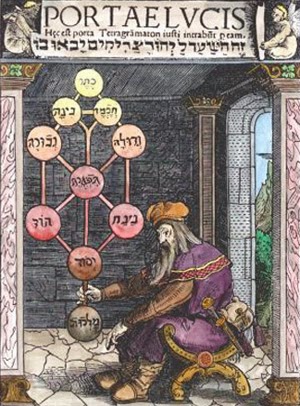
Spring Passover Moon
 This weekend focused in part on grandson Gabe though he was absent from it. Gabe has hemophilia.
Many diseases have their own subcultures. Think HIV/aids, Hepatitis B, breast cancer, MS, cystic fibrosis. Hemophilia has its own. On Friday and Saturday Kate and I attended a hemophilia education event in Lone Tree.
A notable defining characteristic of the bleeding disorder subculture is how misunderstood the disease itself is, and how much others don’t appreciate the demands on both those with the disease and their family. I imagine other disease focused groups share this general attitude. While it is certainly true that most folks have never heard of the clotting cascade or what can go wrong with it and we don’t live with the day-to-day strain of possible bleeds or other serious complications, these attitudes create an us against them mentality.
Physicians don’t understand. Friends don’t understand. Grandparents don’t understand. The only ones who get it are those of us directly affected.
 And, ironically, Big Pharma. One of the oddities of the bleeding disorder community is its relationship with big drug companies. In most, perhaps all, other instances, the choice of medication for a particular condition or illness is the physician’s responsibility, often in consultation with the patient, yes, but just as often not. The physician’s job is to understand the patient and, if needed, the application of a certain pharmaceutical to their situation.
Not so in bleeding disorders. Parents of afflicted children and adults with a bleeding disorder have a personal relationship with drug representatives from companies like Bayer or Shire or CHS Behring and Octapharma. They have to learn about how molecular structure impacts the efficacy of a factor product. Factor is short for clotting factors which are missing or weakened in bleeding disorders. There’s also the issue of half-life. In recent time the choice about whether to use a product produced from human plasma or a synthetic product has tilted now toward the synthetic, recombinant, because human plasma derived products too often carried HIV-but they were all that was available. This necessity to choose among the various factors offered, taking on a role normally filled by a physician, no doubt empowers parents and afflicted adults, but it also makes the circle draw closer, tighter.
All of this reinforces a cult-like insularity. One couple spoke about their children’s grandparents as “clueless.” The laughter in the room indicated that most of those there shared that opinion. How could grandparents possibly understand? Now, you might imagine that didn’t sit well with me, Kate or Barb Bandel, Jen’s mother. There were other ageist moments when our commentary in group discussions were either ignored or diminished. We raised these very children who now see us as unable to understand issues that affect children. This is not only ironic, it’s damaging.
When the nuclear family becomes the stronghold against uninformed outsiders, a whole panoply of possible resources wither up. Parents don’t take time for themselves, at least at first, because who else could know what to do? Children don’t go away for the night, even to grandparents. The strength of the extended family is cut off to the detriment of all parties.
 Yesterday when I came out to let Gertie and Rigel out of the garage, around 5 am, I looked up at the stars, as I always do, enjoying the clear skies here. That long evolved predator/prey seeking eye caught, right away, a high object streaking across the sky. Was it a satellite, the space station? I don’t know, but I do know that in my childhood, my own childhood, no person on earth could have gone outside, looked up at the sky and seen such a sight. Until Sputnik the only streaking objects in the sky were meteors and comets. Nothing moved quickly across the darkness, up with the stars, yet did not fall or disappear around the sun.
 Modulating the call and response occasioned by Trump era politics in my own head has proved daunting. I’m not going on a “news cleanse” or planning to ostrich myself in the several inches of snow we just got. (though that last one sounds sort of good)
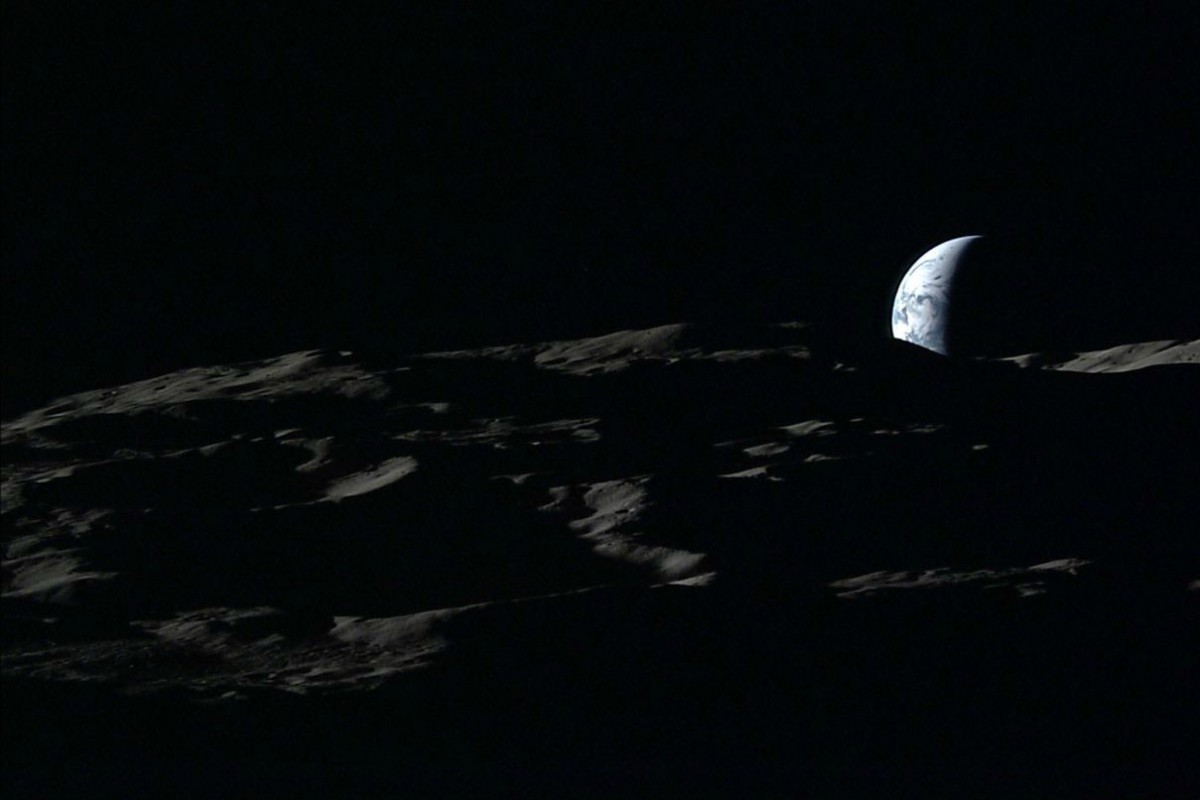 And another one by Cassini.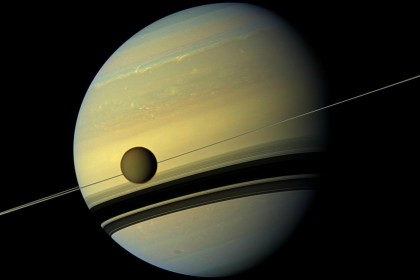
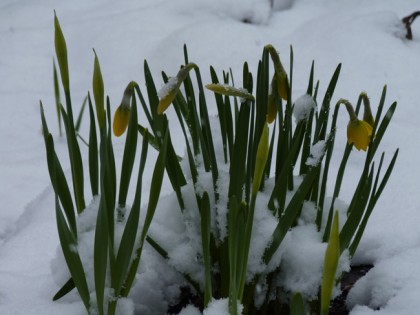
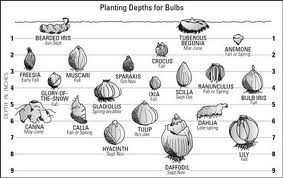 Yet it is not a true analog. Mother earth only seems to defy winter and the fallow time. It is not, in fact, death and resurrection, but a continuum of growth, slowed in the cold, yes, but not stopped forever, then magically restarted. Corms, bulbs, tubers and rhizomes all store energy from the previous growing season and wait only for the right temperature changes to release it. Seeds sown by wind and animal, by human hand are not dead either. They only await water and the right amount of light to send out roots and stalks.
 I prefer the actual analog in which human and other animals’ bodies, plant parts and the detritus of other kingdoms, all life, return their borrowed materials to the inanimate cache, allowing them to be reincarnated in plant and animal alike, ad infinitum. Does this deny some metaphysical change, some butterfly-like imaginal cell possibility for the human soul? No. It claims what can be claimed, while reserving judgment on those things that cannot.
 It is spring, I think, that gives us this hope, no matter how faint, that death might be only a phase change, a transition from this way of becoming to another. It’s possible.