Category Archives: Science

2013: Second Quarter

Winter                                                            Winter Moon

The first day of the second quarter, April 1st, is Stefan’s birthday and was a gathering of the Woolly’s at the Red Stag.  I made this note: “Here we are seen by each other.  Our deep existence comes with us, no need for the chit-chat and polite conversation of less intimate gatherings.  The who that I am within my own container and the who that I am in the outer world come the closest to congruence at Woolly meetings, a blessed way of being exceeded only in my relationship with Kate.”

The “doing work only I can do” thought kept returning, getting refined: “With writing, Latin and art I have activities that call meaning forward, bringing it into my life on a daily basis, and not only brought forward, but spun into new colors and patterns.” april 2 On the 13th this followed:  “Why is doing work only I can do important to me?  Mortality.  Coming at me now faster than ever.  Within this phase of my whole life for sure.  Individuation.  It’s taken a long time to get clear about who and what I’m for, what I’m good at and not good at.  Now’s the time to concentrate that learning, deepen it.”

The best bee year we’ve had started on April 16th with discovering the death of the colony I thought would survive.  While moving and cleaning the hive boxes, I wrenched back and the pain stayed with me.  That same day the Boston Marathon bombing happened.  In addition to other complicated feelings this simple one popped up:  “The most intense part of my initial reaction came when I realized what those feelings meant, the emptiness and the sadness and the vacuum.  They meant I am an American.  That this event was about us, was done to us.”

Another theme of this quarter would be my shoulder, perhaps a rotator cuff tear, perhaps nerve impingement caused by arthritis in my cervical vertebrae.  Maybe some post-polio misalignment.  But over the course of the quarter with a good physical therapist it healed nicely.

Kate went on a long trip to Denver, driving, at this time, for Gabe and Ruth’s birthdays. While she was out there teaching Ruth to sew, Ruth asked her, “Why did you become a doctor instead of a professional sewer?”  When Kate is gone, the medical intelligence of our house declines precipitously.  That means doggy events can be more serious.

Kona developed a very high fever and I had to take her to the emergency vet.  She had a nodule on her right shoulder which we identified as cancerous.  This meant she had to have it removed.  At this point I was moving her (a light dog at maybe 40 pounds) in and out of the Rav4 with some difficulty because of my back.

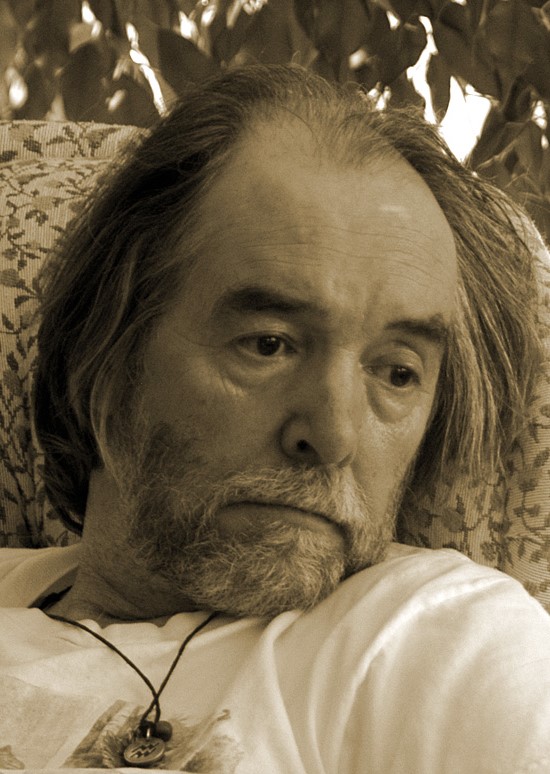
This was the low point of the year as Kona’s troubles and my back combined to create a CBE (1)dark inner world.  The day I picked Kona up from the Vet after her surgery was cold and icy, but my bees had come in and I had to go out to Stillwater to get them, then see my analyst, John Desteian.  That day was the nadir.  I was in pain and had to go through a lot of necessary tasks in sloppy slippery weather.  That week Mark Odegard sent me this photograph from a while ago Woolly Retreat.
By the end of the month though Kate was back and April 27th:  “Yes!  Planted under the planting moon…”

For a long time I had wanted to apply my training in exegesis and hermeneutics to art and in this time period I decided to do it.  In the course of researching this idea I found I was about 50 years late since the Frankfurt School philosophers, among them, Gadamer and Adorno, had done just that.  Still, I patted myself on the back for having thought along similar lines.

Over the last year Bill Schmidt, a Woolly, and I have had dinner before we play sheepshead in St. Paul.  His wife, Regina, died a year ago September.  “Bill continues to walk straight in his life after Regina’s death, acknowledging her absence and the profound effect it has had on his life, yet he reports gratitude as his constant companion.”

By April 29th the back had begun to fade as an issue: “Let me describe, before it gets away from me, submerged in the always been, how exciting and uplifting it was to realize I was walking across the floor at Carlson Toyota.  Just walking.”

Kate and I had fun at Jazz Noir, an original radio play performed live over KBEM.

In my Beltane post on May 1st I followed up my two sessions with John Desteian:  “John Desteian has challenged me to probe the essence of the numinous.  That is on my mind.  Here is part of that essence.  The seed in the ground, Beltane’s fiery embrace of the seed, the seed emerging, flourishing, producing its fruit, harvest.  Then, the true transubstantiation, the transformation of the bodies of these plants into the body and blood ourselves.”

Then on May 6th, 5 months into my sabbatical from the MIA:  “The third phase requires pruning.  Leaving a job or a career is an act of pruning.  A move to a smaller home is an act of pruning.  Deciding which volunteer activities promote life and which encumber can proceed an act of pruning.  Last year I set aside my political work with the Sierra Club.  Today I have set aside my work at the Minneapolis Institute of Arts.”  That ended 12 years of volunteer work.

“When you recover or discover something that nourishes your soul and brings joy, care enough about yourself to make room for it in your life.”

Jean Shinoda Bolen 

It was also in May of this year that Minnesota finally passed the Gay marriage bill.  Gave me hope.

May 13 “Sort of like attending my own funeral.   All day today notes have come in from docent classmates responding to my resignation from the program.”  During this legislative session, I again became proud to be a Minnesotan.

As the growing season continued:  “If you want a moment of intense spirituality, go out in the morning, after a big rain, heat just beginning to soak into the soil, smell the odor of sanctity…”

On May 22nd the Woolly’s gathered to celebrate, with our brother Tom, the 35th year of his company, Crane Engineering.  The celebration had something to do with a crystal pyramid.  At least Stefan said so.

A cultural highlight for the year was the Guthrie’s Iliad, a one person bravura performance by veteran actor, Stephen Yoakam.

Friend and Woolly Bill Schmidt introduced me to High Brix gardens.  I decided to follow their program to create sustainable soils and did so over the course of the growing season. I got good results.

Our new acquaintance Javier Celis, who did a lot of gardening work for us over the year, also finished up our firepit and we had our first fire in it on June 7th.  It was not the last.

On June 12th Rigel came in with a small pink abrasion on her nose.  She had found and barked, barked, barked, barked at a snapping turtle.  Kate removed the turtle from our property.  The turtle came back, hunting I believe, for a small lake not far from us in which to lay her eggs.  The next time Rigel and Vega still barked, from a safe distance.

And on Father’s Day: “Is there anything that fills a parent’s heart faster than hearing a child light-hearted, laughing, excited?  Especially when that child is 31.”

During her visit her in late June grand-daughter Ruth went with me on a hive inspection: “She hung in there, saying a couple of times, “Now it’s making me really afraid.” but not moving away.”

My favorite technology story came on June 27th when NASA announced that one of the Voyager spacecrafts would soon leave the heliosphere, the furthest point in space where the gases of the sun influence matter.  This meant it would then be in interstellar space.

And, as Voyager entered the Oort cloud Tom and Roxann made their way Svalbard and the arctic circle.  Thus endeth the second quarter.


And NASA. Thanks For NASA’s Cassini

Samhain                                                                    Thanksgiving Moon

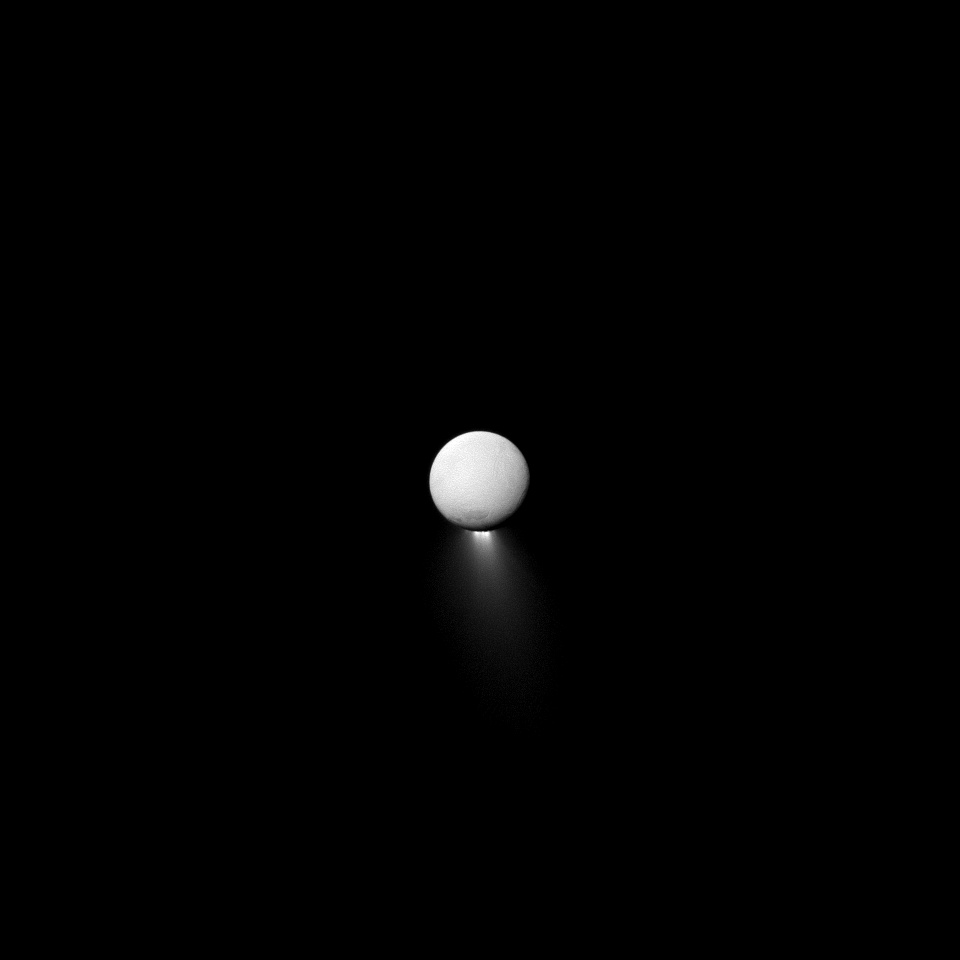
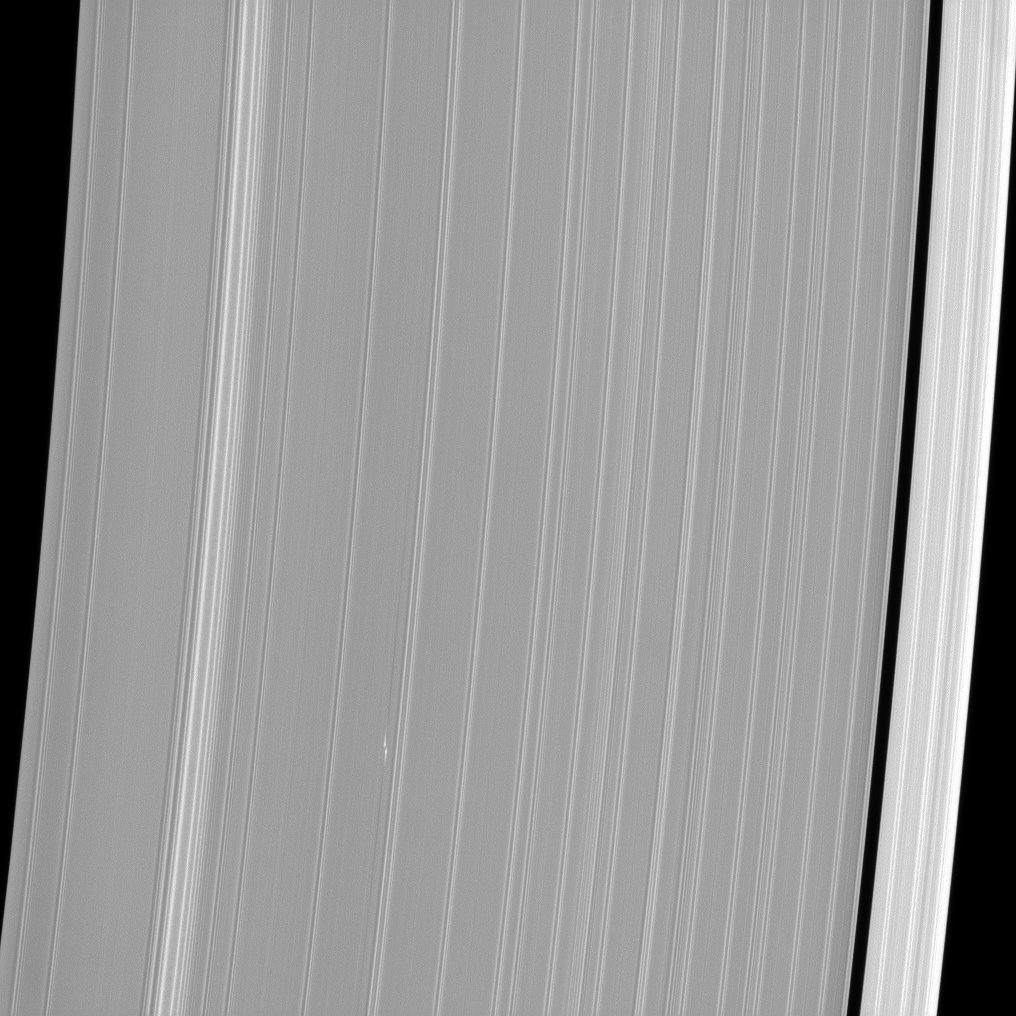
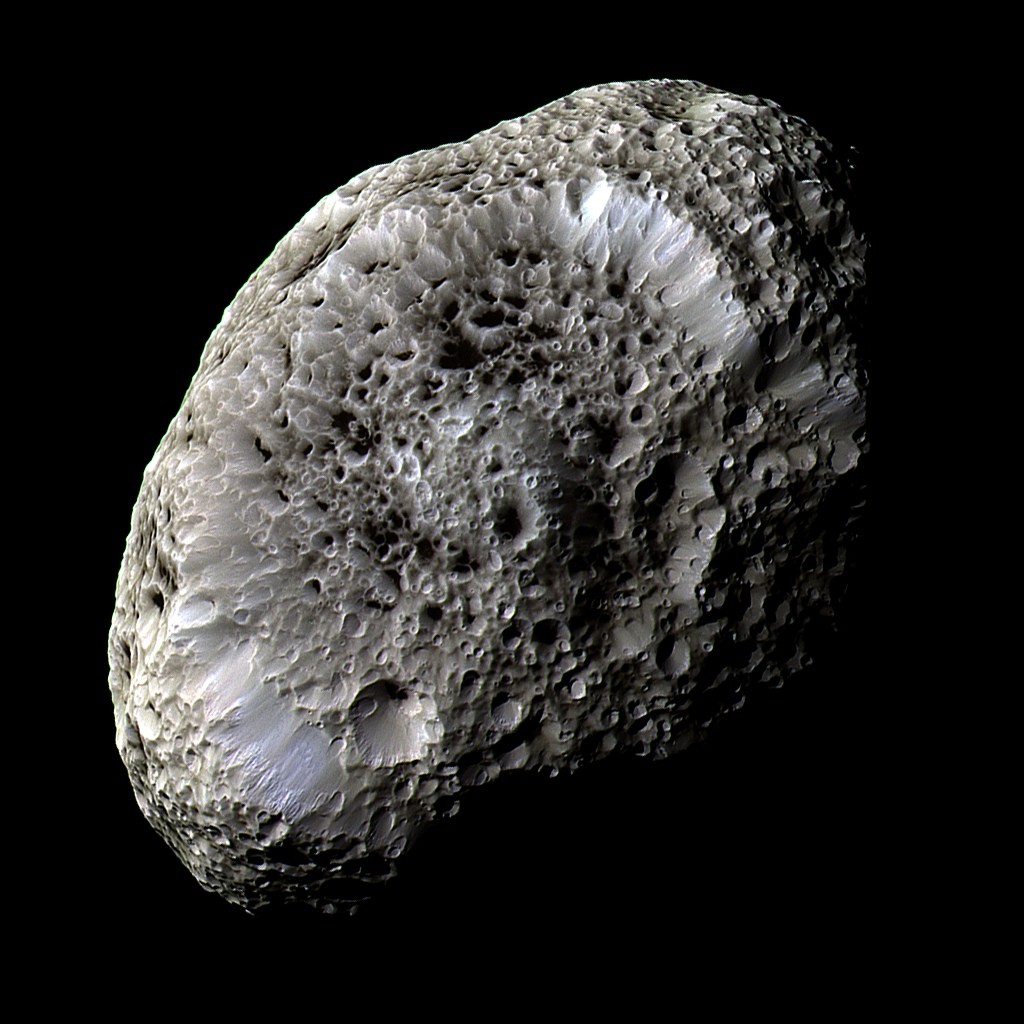
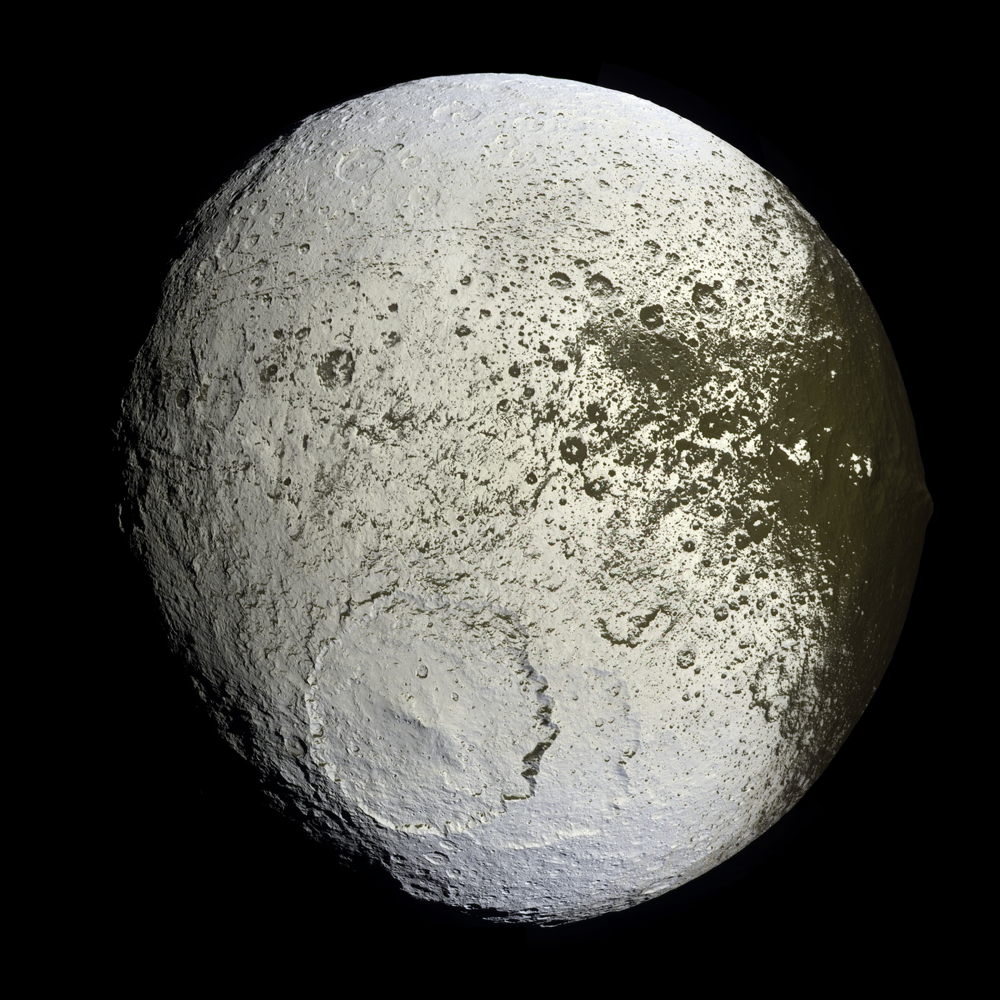
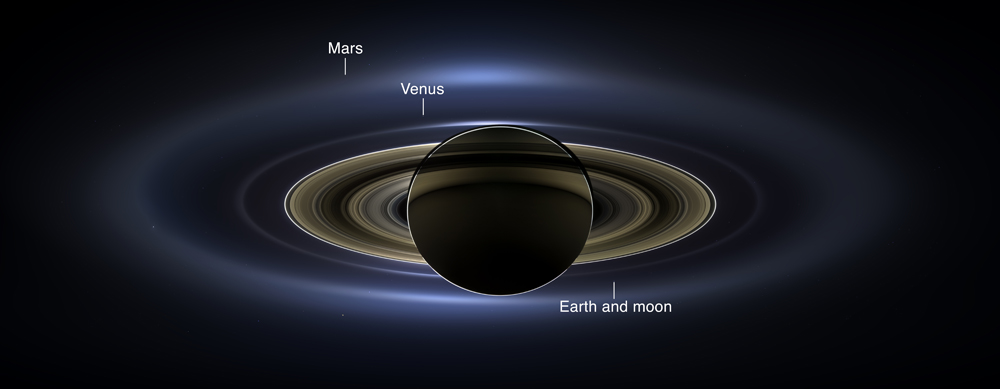
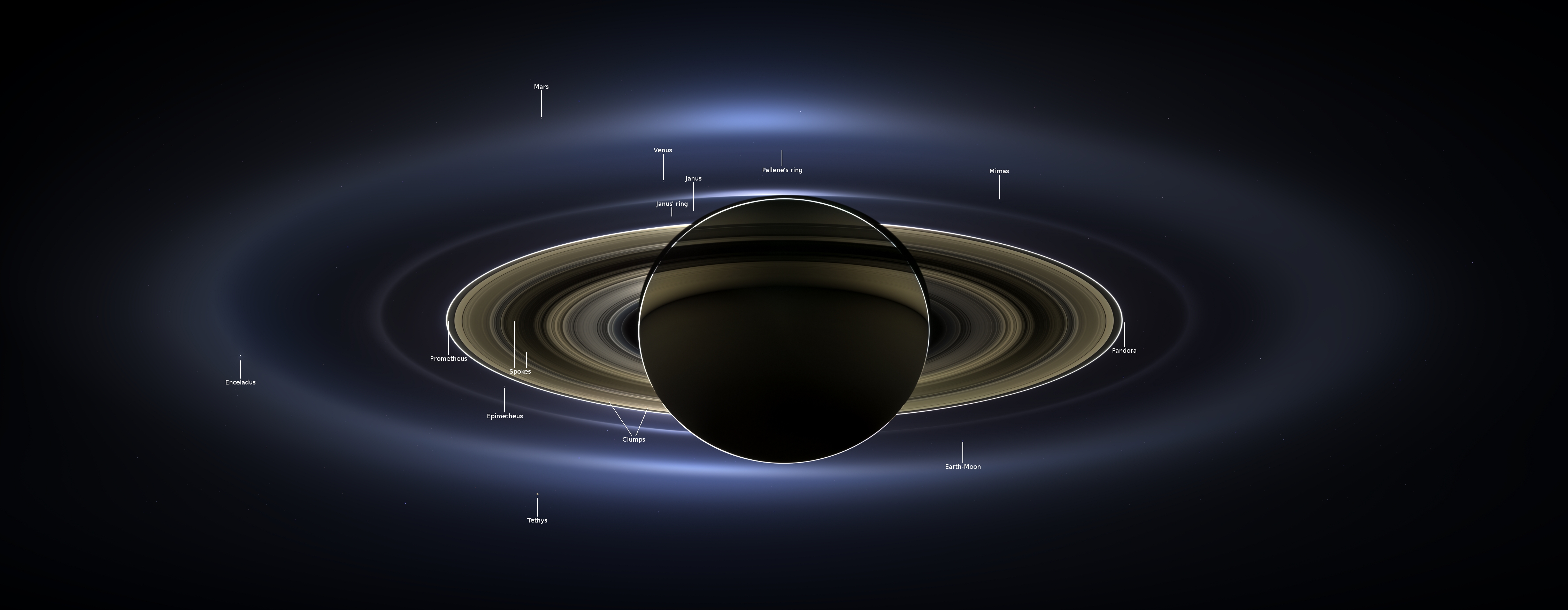
All these photographs taken by the Cassini Spacecraft.  All either of Saturn or its moons and rings.

annotated Cassini Saturn shot with earth

I posted this one before in a smaller shot.  The title hanging below the lower right portion of Saturn’s rings says, earth-moon.

Enceladus  Cassini  one of the more active bodies in the solar system

Enceladus Cassini one of the more active bodies in the solar system (moon of Saturn)

Hiding within Saturn’s rings are thousands (maybe millions) of tiny moonlets, each no more than a kilometer across. Cassini discovered this shortly after arriving at Saturn

Hiding within Saturn’s rings are thousands maybe millions of tiny moonlets each no more than a kilometer across. Cassini discovered this shortly after arriving at Saturn

Hyperion. This irregularly shaped moon looks like a honeycomb. It behaves weirdly, too, neither spinning at a constant rate nor maintaining a constant orientation

Hyperion.

This irregularly shaped moon looks like a honeycomb. It behaves weirdly too neither spinning at a constant rate nor maintaining a constant orientation

Iapetus21000

Iapetus

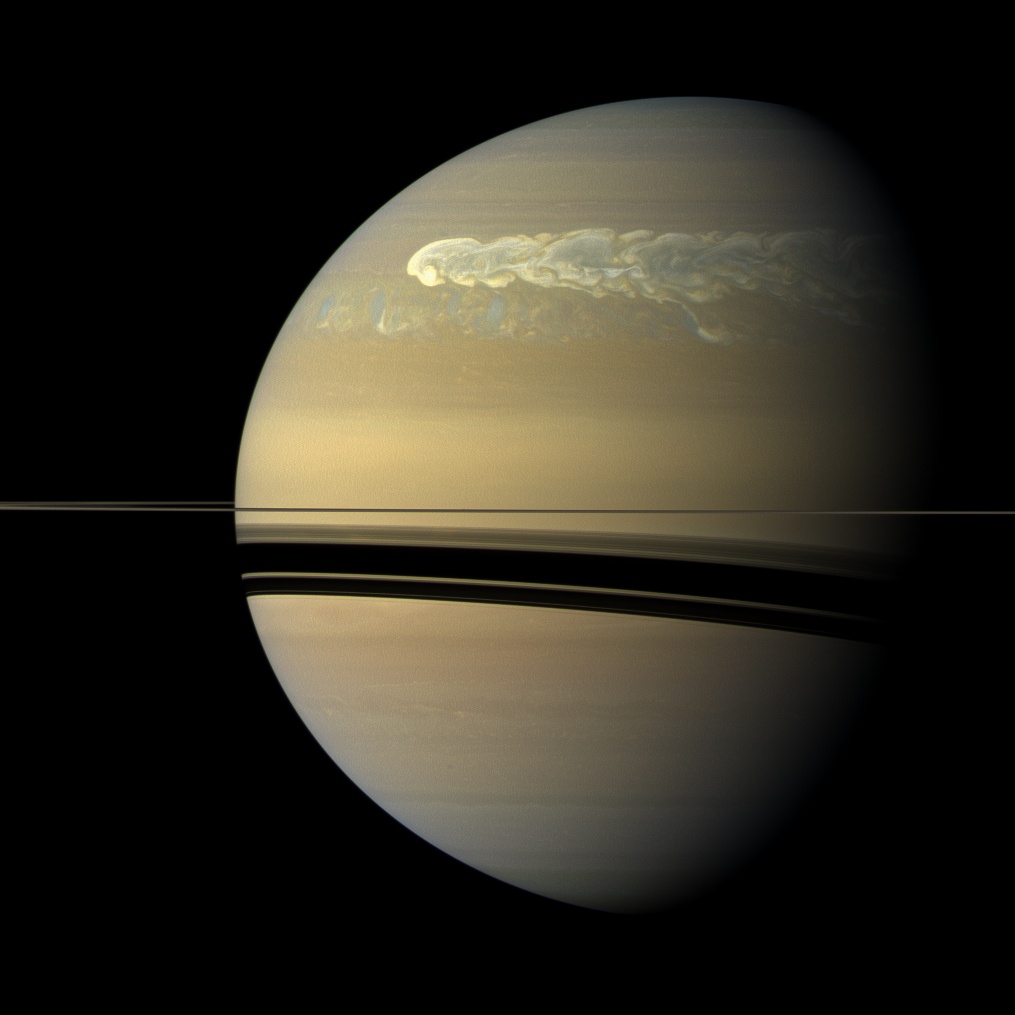
late 2010, a massive storm began churning in Saturn’s northern hemisphere.   the storm stretched over rou

late 2010, a massive storm began churning in Saturn’s northern hemisphere. the storm stretched over 190,000 miles.

Saturn Cassini1000

Saturn Cassini

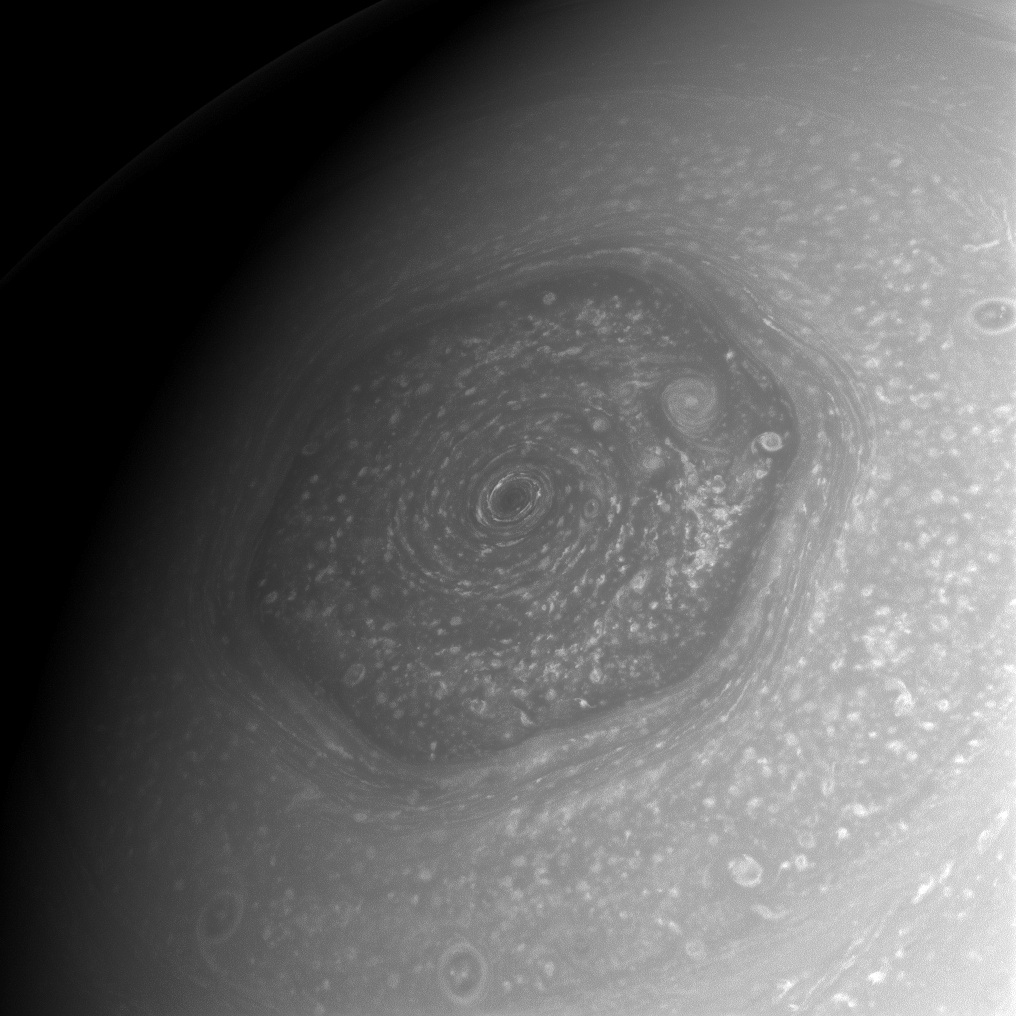
Saturn’s north pole is home to an enigmatic hexagon

Saturn’s north pole is home to an enigmatic hexagon

Though they measure nearly 200,000 miles across, the rings are incredibly thin. The main rings average only a few stories tall.

Though they measure nearly 200,000 miles across, the rings are incredibly thin. The main rings average only a few stories tall.

Tiny Mimas is the smallest spherical body in the solar system. Less than 250 miles across

Tiny Mimas is the smallest spherical body in the solar system. Less than 250 miles across

Titan   Titan is the only other body in the solar system with liquid on its surface. It has hydrocarbon lakes and seas, shores and rivers, and seasonal rainfall like on Earth

Titan Titan is the only other body in the solar system with liquid on its surface. It has hydrocarbon lakes and seas, shores and rivers, and seasonal rainfall like on Earth

We Are Like Fish Studying The Stars

Samhain                                                        Thanksgiving Moon

Not often a letter to the editor makes me stop because of its literary quality. However, a letter by John Ball of Huntsville, Alabama to the Scientific American did.

Writing about the quantum world he said,  “We must remember that such representations (wave analogies among others) do not describe the true, alien reality of the quantum world.  We are like fish studying the stars.”

Such an important idea phrased in an arresting way.  The map is not the territory.  It applies, and we don’t often acknowledge this, to our knowledge of other people.  We see only a thin map of their on going narrative, a fluid process dynamic within them.  And we only see that through the filter of our senses and our understanding.

An interesting variant on this idea is our tendency to look for the real, the true nature of institutions with which we interact all the time.  Richard Rorty, an American pragmatist, said that the beginnings don’t matter.  What we perceive as the foundations don’t matter. What matters is how something works now.

Is the government making our lives better?  Then it’s a good government.  If not, it’s a bad government and needs to change.  Are the schools educating our kids?  Do businesses make our world safer, more secure?  If not, they need to change.  If so, let them do their, well, business.

Most interestingly you can run this same pragmatic test on religious institutions.  Does the church make our lives richer and fuller?  Then it’s a good church.  Does it make us guilty, self-doubting, naive?  Then it’s a bad church.  But notice the key move here.  The nature of the church’s foundations, that is, the Bible, its metaphysical claims about divinity and an afterlife, don’t matter.

In the world of religion we are like fish studying the stars.


Evolution Day

Samhain                                                  Thanksgiving Moon

November 24, 1859, The Origin of the Species,Charles Darwin‘s revolutionary text on humans, animals, and everything in between, was published…many Darwin disciples informally refer to this date as Evolution Day (and celebrate accordingly).   Lapham Qtly.


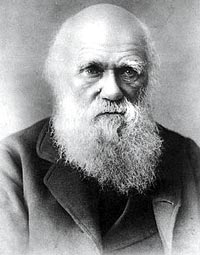
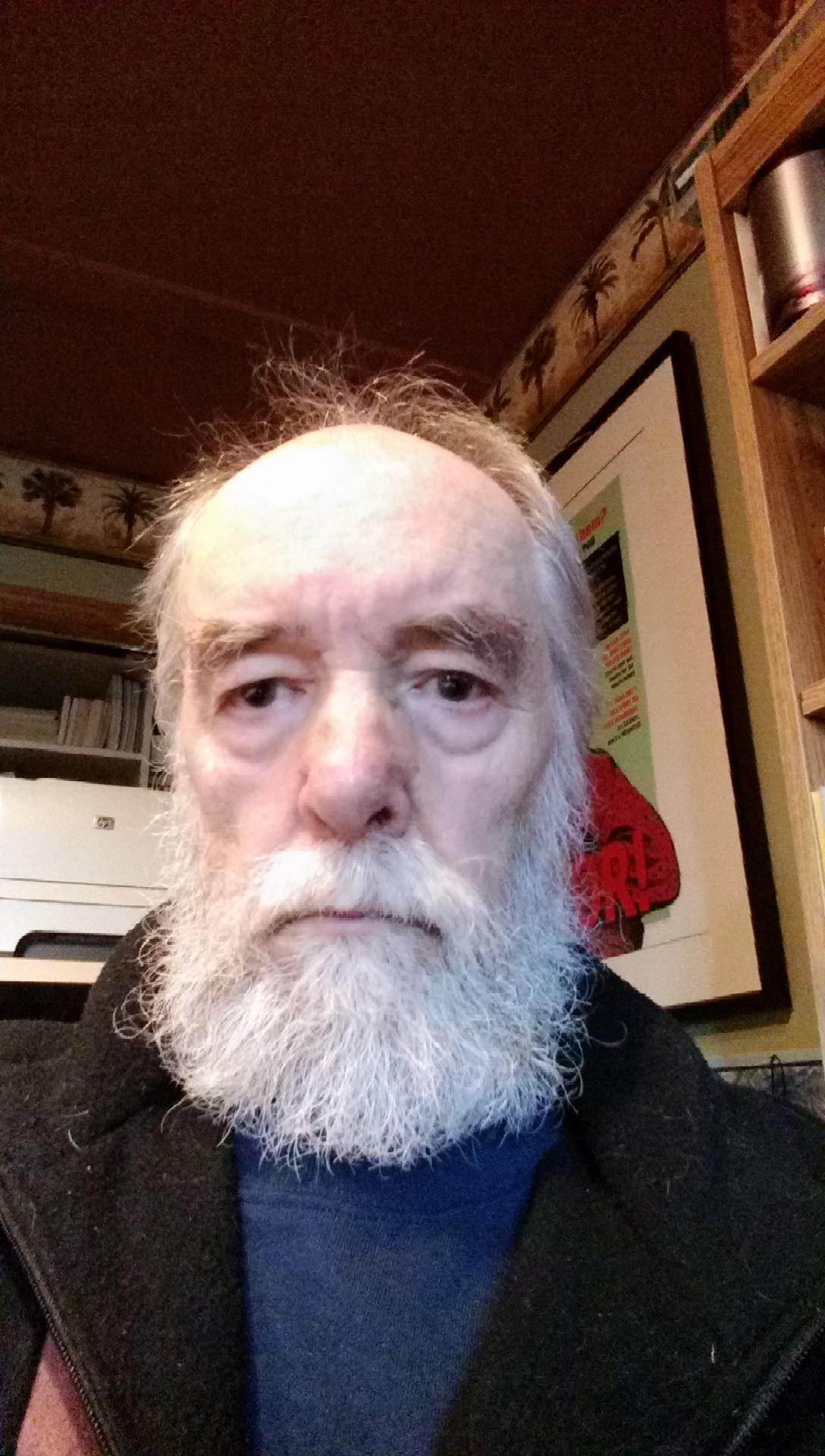
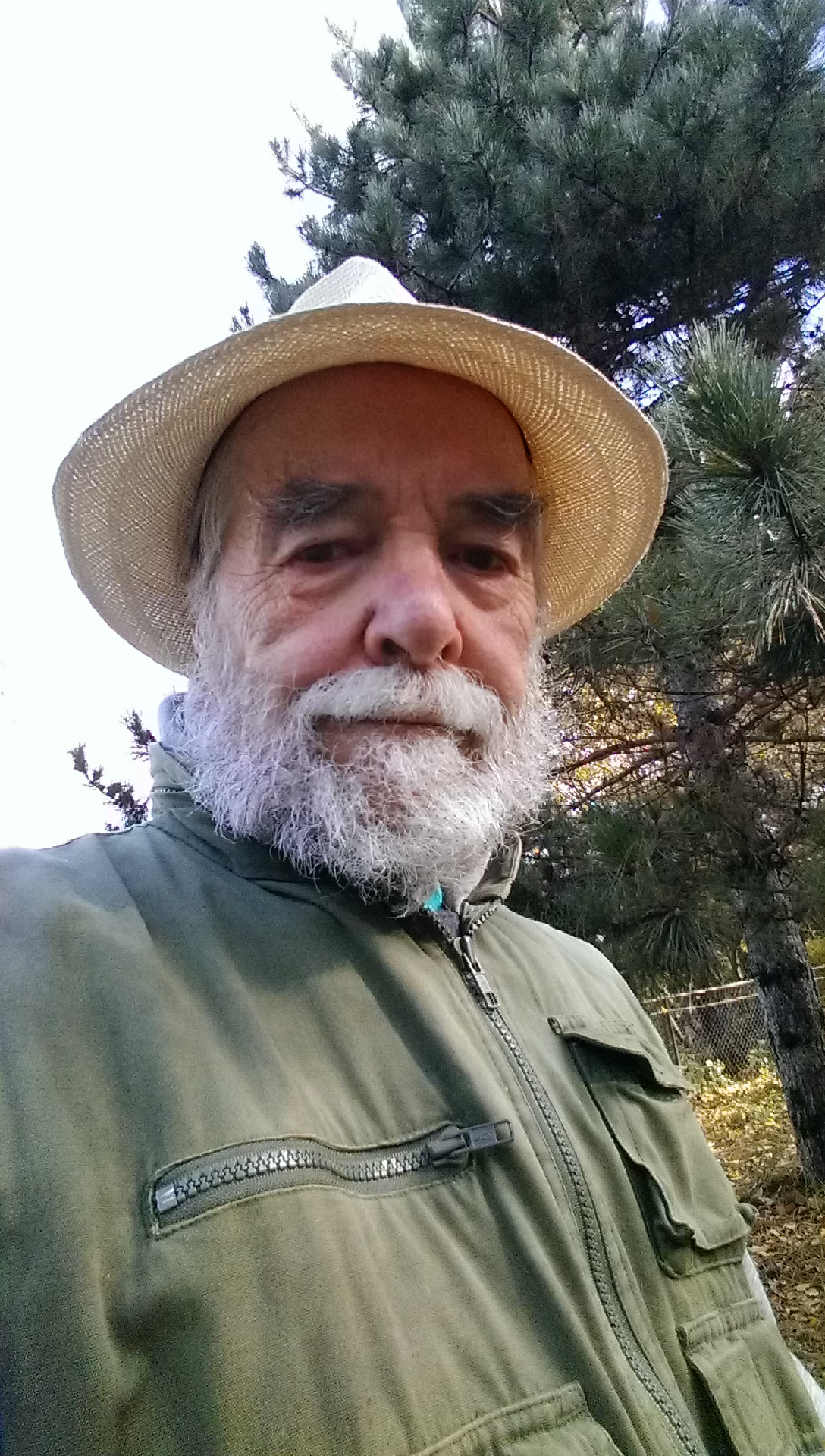
On Evolution Day it seems appropriate to show my progress toward what I call the full Darwin. Here are the two Charleses side by side.  Still a ways to grow.  (It’s a selfie!)

Charles-Darwin

IMAG1189

A Long When Ago

Samhain                                                        Thanksgiving Moon

A gamma burst within 3.7 billion light years of home.  Close, in astronomy’s scale of distance.  That is, it was not so far away that the distance the light traveled to get here puts it back in the time of the early universe, the formation phase.  Hard to grasp sometimes, that astronomy measures time in the metric of distance, but 3.7 billion light years is not only a long ways away, it’s also a very long when ago.

Said another way, the light of this massive gamma burst traveled 3.7 billion years to get here.  How do we know?  Because light, the fastest thing in the universe, takes a year to travel a certain distance and we know what that distance is.  It so happens that because we take a measure of time and out of it create a measure of distance that we can also know the when.

In case you were wondering:  186,000 miles/second * 60 seconds/minute * 60 minutes/hour * 24 hours/day * 365 days/year = 5,865,696,000,000 miles/year

OK, I thought.  But how do we know how many light years away something is?  I looked it up and the method for things further than 3.6 light years away is called the standard candle method.  Here’s a brief paragraph to describe how it’s used, then a graphic that I found helpful.

“One example of a standard candle is a type Ia supernova. Astronomers have reason to believe that the peak light output from such a supernova is always approximately equivalent to an absolute blue sensitive magnitude of -19.6. Thus, if we observe a type Ia supernova in a distant galaxy and measure the peak light output, we can use the inverse square law to infer its distance and therefore the distance of its parent galaxy.”  from this website.

this graphic is from the hyperphysics website:


The Journey and the Moon

Samhain                                            Thanksgiving Moon

The last two nights the Thanksgiving Moon has hung like a pale lantern behind the clouds. The moon draws out of me such tender feelings, yearnings.  Maybe it’s the corollary of the old lover’s cliche, we’re seeing the same moon tonight.

What crosses my mind are all those long ago relatives, bearers of my genetic markers, on the trip out of Africa.  They may have moved on nights like these when the moon was full. Or, would they have huddled around the campfire, wary of predators who saw better in the gloom?

In either case they would have looked at the same moon unchanged from the time they began to move on that most ancient human trail.  Unchanged, that is, until July 20, 1969, a hot night in Muncie, Indiana when my flickering black and white pulled in the live–live–signals of Neil Armstrong setting a space-suit (space-suit!) boot on the lunar surface.

What a journey, if you think about it, from that trek across northern Africa, up into what we now know as the Middle East, to that boot touching down on the eons long undisturbed (by other than passing meteoroids) moon.  Even now when we look at the moon it appears the same as it did then.  Really, it’s only our knowledge that has changed, not the way it looks at night.

It pleases me to think of those, my people, in this season of the year, somewhere perhaps in a temperate latitude after thousands of years of journey, feeling a November wind chill in their face and what would become my Thanksgiving moon overhead.

Black Fish

Samhain                                                              Thanksgiving Moon

In a way I didn’t want to watch it.  Black Fish.  I knew from the trailer that it would make me mad and sad in equal measure.  But we watched it tonight anyhow.

It made me hang my head in shame as a member of the human race.  Tilikum, the raked male who pulled a SeaWorld trainer to her death in 2010, had been taken from Puget Sound as a youngster.  These are animals that never leave their mother’s side, remaining in pods that are like small aquatic nations with differing cultures and language.

It screams slavery.  Families broken up, individuals bought and sold for their ability to entertain or, in Tilikum’s case, provide consistent semen for artificial insemination.  Animals who might swim 100 miles in a day in the wild are confined for life in concrete pools, and shut away at night in even smaller pens with no lights and no access to the sky.

In the wild males like Tilikum are kept at the margins of the pods, ruled by the mothers with matriarchal dominance.  In captivity, unable to escape, Tilikum suffered repeated attacks by the females, especially at night when shut up with them in the smaller pen.

By the end I was crying and wanting to hold someone accountable.  This is an outrage.  It’s not the only one and it may not be the worst one, but it is unconscionable and wrong.  The orca brain has an extended organ within it, a larger element than similar organs in humans.  A neuroscientist who studied orcas under magnetic resonance imaging and in autopsies said their brain just shouts emotion.  They are very social animals who appear to have taken life together a level beyond what we can understand.  And we put them in pens so we can sell plush toys?

Asleep

Samhain                                                                        Thanksgiving Moon

Another implication of the fallow season had escaped me, at least at the level Jim Gilbert describes in a recent phenology column in the Star-Tribune:

Hibernation is a winterless life chosen by reptiles, amphibians, insects and some mammals. During the winter untold millions of animals — including toads, frogs, salamanders, snapping turtles, garter snakes, bats, woodchucks and mosquito larvae — are hibernating across Minnesota.

We often miss the warm period lives of these creatures because many of them are small, secretive and prefer to remain well away from humans.  Their winter lives, in the millions, untold millions Gilbert says, never massed together in my mind.

(this wonderful piece by Travis Demillo.)

Walking in our woods right now there are thousands of salamanders, toads, frogs, garter snakes, woodchucks, various insects, ground squirrels and gophers in a state of suspended animation, dreaming small animal dreams until the weather becomes more suitable for their life again next year.  It gives the woods a haunted, Snow White sort of atmosphere with so many of its active and vibrant lifeforms stilled to the point of coma.  And by intention.  Well, evolutionarily adapted intention that is.

Here’s a lifted glass to their long night, a safe sleep and a welcome return.


Vikings fan who vowed not to shave beard until Super Bowl win dies

Fall                                                          Samhain Moon

Ever since I read about this guy, I’ve been trying think of a pledge that makes sense to me. Until the Democrats control the House of Representatives?  Until carbon emissions begin trending down?  Until I get a book published?  Until another human walks on the moon?  Or, for the first time, Mars?  Nothing compelling yet.

The full Darwin.  That’s what I’m after now in terms of beard. Read a good bit about Darwin in the Modern and Post Modern class.  He’s a hero, a bona fide saint of the skeptic, the daring thinker, the honest man.  Looking like Darwin, at least at the beard level, seemed like a worthy goal.

Progress so far.IMAG1089