Summer and the Radiation Moon

Let’s see. Heat waves. Bad ones. The moon landing at 50. 50? And, of course, Send them back! Send them back! I really tried to stop it in the biggest way. Nobody could have tried to stop it harder. Nobody.
Consequential. Each of them. I still remember the first time I was in Phoenix. 107. Might have been August or September. Walking from the motel a few blocks to experience the heat I could feel the sidewalk through the soles of my shoes. The air was still.
Downtown Phoenix had several places that had misters, spraying a sheen of water out and over sidewalks, open air cafes. Fans aided the cooling effect. It was delicious. A revelation. But. It was still hot.
On a CME venture with Kate early in our marriage we went to Mexico City where Kate saw Rigoberta Menchu. Afterward we went to Oaxaca and Merida. We stayed at Casa de Balam, the House of the Leopard, in Merida. Our bodies have conditionings of which we are unaware until they are challenged.

It was hot. And, humid, unlike Phoenix. In the afternoon rain clouds gathered over Merida. Rain fell. And the heat and humidity got worse. It was like an open air steam bath. Rain washes away heat. After the rain comes a cool breeze, a sigh of relief. Nope. Not in Merida. Not that day. It shocked my body before I even realized what was odd.
Both of those times stick in my mind (plus that trek across Singapore’s Botanical Garden in 2016) as outliers, extreme situations occurring in places I visited infrequently. Now, Merida is coming to a city near you.
The moon landing. July 20, 1969. College was done. Judy and I had a small apartment in Muncie. It was hot. No AC. No misting water. Just sweat. I put aluminum foil on the rabbit ears of our tiny television, waved them through the air to find our best reception. The most complicated electric appliance in our apartment was my Selectric typewriter, the one with the ball.
We wore as little as possible. The moon was new that night, so the sky was starry. I remember the scratchy voice of Walter Cronkite saying something. The scene, like a set from a 1950’s sci fi movie, had a strange desolation, Buzz Aldrin would the call the moonscape, “Magnificent desolation.”

Cold beer. A joint. As night fell, we began to wonder if the astronauts would ever come out. The Eagle had landed at 3:17 pm and now it was nearing ten. Then, the hatch opened, a bulky white suit emerged and went slowly down the metal ladder. A human about to touch a surface other than earth’s. “One small step for a man, one giant step for mankind.” (btw: correct quote according to NASA and Armstrong.)
Our chests flew open, all of us, that night. We saw the unimaginable. We were alive when the first human walked on the moon. I was 22, drunk and stoned. But high, too. Up there. With Buzz and Neil.
No visa required. No passport control. No detention centers in the Sea of Tranquility.

Our current sadness. The smallness of the fearful white person. Fed by the orange would be Julius. On July 20, 1969, the federal government gave us a moment of wonder, of awe, a moment shared with the world. On the 50th anniversary of this remarkable human accomplishment this once great country now separates families at detention centers. Its President tells four U.S. citizens to go home. He encourages the cries of his base base, Send them back. Send them back.
And that heat. Study shows opening up Federal lands to oil and gas exploitation will increase climate change. Huh? Really? The administration has silenced scientific analysis, by government scientists, on the risks posed by climate change. Including the military, which sees climate change as a national security issue.

Oh to slide back into the wonder of the moon landing. To imagine a world where feats of human innovation still wow us. Where government fights racism instead of propogating it. That’s a backward look though. Let’s look forward instead. To a new, cooler time with awesome moments still ahead.




 I come from a long line of mothers. So do you. This thought always strikes me as strange. Think of how many things had to go right for you to exist. Sure, there’s that whole randomness of the sperm that crosses the finish line, but think historically, think evolutionarily, think all the way back to that first organism that took the lightning bolt or the warmth of the undersea vent. Whenever and however life first appeared. Your existence, and mine, means we exist in an UNBROKEN chain of reproduction from that first wiggler, that first animate entity. One after another after another after another, for billions of years. Maybe 4.1 billion years according to
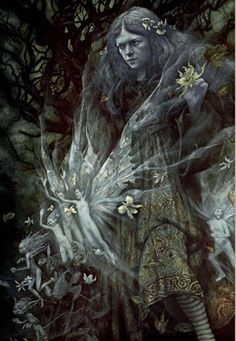
 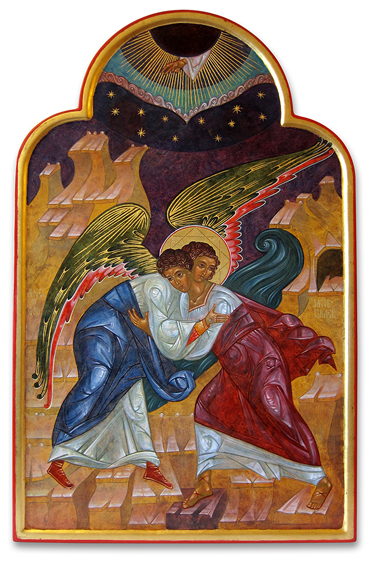 Phone call today from buddy Tom Crane. In referring to the current kerfuffle within my body, those cancer cells, he said I was “wrestling with a dark angel.” That is so.
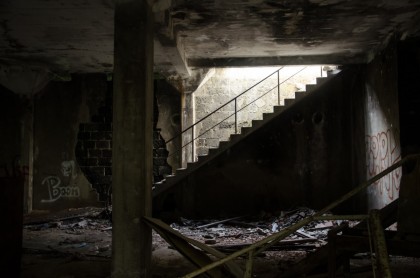 Recalled as I wrote this that I had a dream: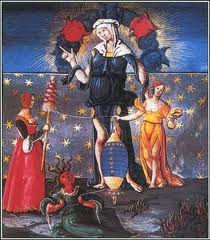
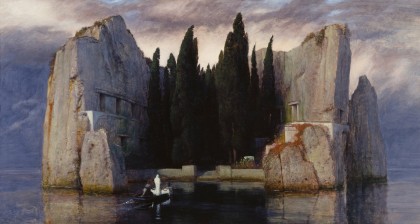
 I’m responsible for the next lesson, tomorrow, as I was last week, but with Alan as back up this time. Last week we worked with the middah, character trait in the Jewish ethical discipline of
 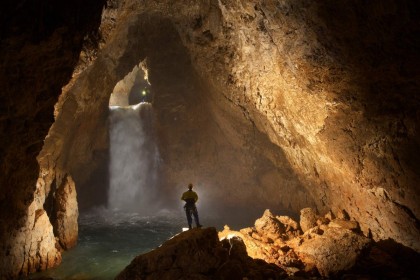 I have had many encounters of this kind and they vary in which characteristic of the Holy they emphasize. I’ve written before about my mystical experience on the quad at Ball State. Fascinans dominated. I wanted to be there, in a state of total linkage with all. I wanted to stay. In high school I attended a summer church camp at Epworth Forest in Indiana. We learned a lot about communion and in particular I took to the heart the idea that if we didn’t reconcile with others, we might “eat and drink our own damnation.” OK. I was an impressionable guy in that moment. But the fear occasioned by that idea made me find a young woman whom I’d teased and ask for her forgiveness. Stepping into the Sistine Chapel. Awe. Driving to Bailey and seeing the Continental Divide capped with snow. Awe. Contemplating my own death. Fear moving toward awe.

 What I’m seeking in Wonderland is a synthesis Tarnas contends is necessary for us now, a different sort of Great Work than Thomas Berry’s, yet related to it, I think. Berry, if you recall, said that the Great Work of our time is the creation of a sustainable human presence on earth. Not goin’ so well. Tarnas wants to take the ancient, ensouled universe that prevailed until the Enlightenment, mash it into the disenchanted universe occasioned by rationalism and the hegemony of science, and come up with a Hegelian synthesis that can move us out of the stuck place created by their tension.

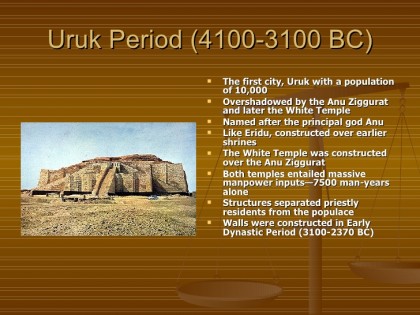 In ancient Uruk residents opened all city gates, lit bonfires and sang hymns timed to the rising and the setting of certain stars in the sky. This all night vigil honored many Sumerian deities, but most of all Anu, king of the gods, and special protector of the city. In the Congo the Mbuti hunters clap, sing, and dance around a fire at night, the Molimo Ceremony. This is not only a solstice observation, but for significant events. If there has been a death, they sing to the forest: “If darkness is, and the darkness is of the forest, then the darkness must be good.” from the Lapham Quarterly, Winter 2019
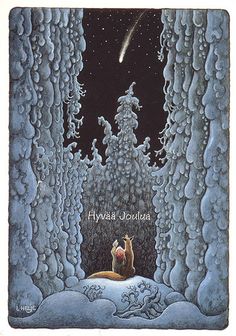 Then Kate can heal over the longest night of the year. Fecund darkness, calm and quiet night, holy night, sacred night. A 98% full moon. With all the energy of a still waxing moon, one very near fullness, she will receive the best energy this long night can offer. If you have a moment once the darkness falls, feel your way into it, perhaps in the moonlight, and remember Kate.