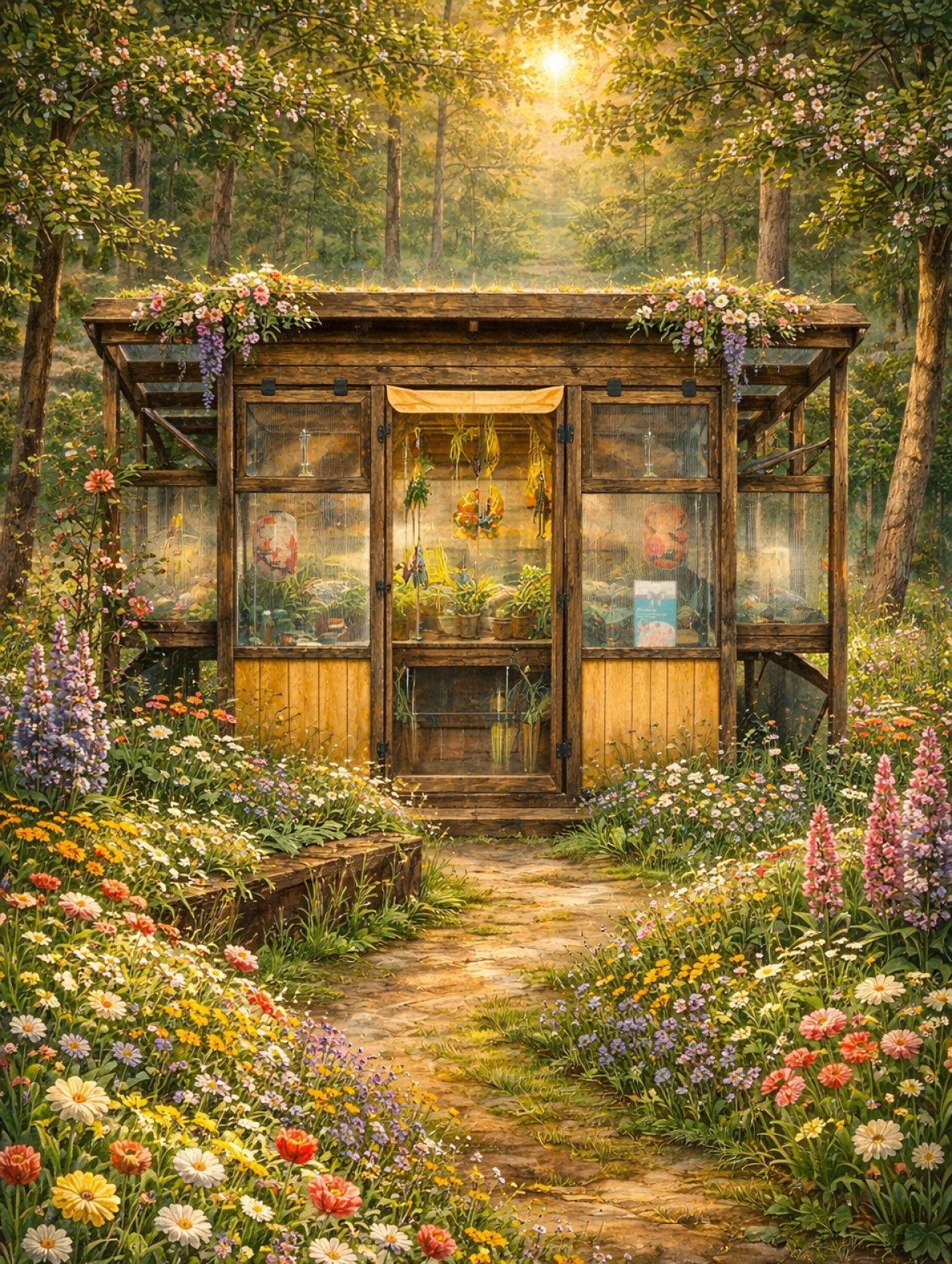
Imbolc and the 9% crescent of the Cold Moon
Wednesday gratefuls: Brother Mark. Great Sol spotlighting the Lodgepole who is my companion each morning. Snow and Cold on the way. North America. Canada. Mexico. USA. South America. Colombia. Ecuador. Peru. Chile. Argentina. Uruguay. Brazil. That cruise in 2011 with my sweetheart. Kate, always Kate. Of blessed memory. February birthdays. Aquarius. Harmony and understanding. Hair.
Sparks of Joy and Awe: Long hair
One brief shining: In 1969 the draft lottery tumbled and my number came up 4 in the very year I graduated from college, losing my draft deferment and necessitating that trip to Indianapolis to the site for my physical where I took off my clothes down to underwear and t-shirt, walked from station to station, hoping for the magic of 4F, never in ever, but had to settle for a 1Y due to psoriasis which gets aggravated by wool and humid climates.
Not sure why that memory popped up this morning. The further I ride the wave of time, especially in this oh so twisted electoral year, the more distant and surreal become the 60’s. I loved it then, but would not go back. Too much contingency. Every day a shift a turn a new idea a new drug a new woman a new threat from the government a new way of ordering the mind. I don’t have the energy for that sort of maelstrom. I did then. Barely. But what a time. As the Dead said, a long strange trip.
Been thinking about religions, the religious life. A dominant thread for me. Somehow I need to have a religious idea as core to my day to day. Not sure why about that either. But it’s undeniable. Even in those times when I have been outside of a religious institution the questions of deep meaning, of the nature of existence, of my relationship to it all have remained. A resolute pagan for well over twenty years. A Christian until 17. A UU for 7 or so, longer in some ways. An existentialist always. A sort of Christian for another twenty, but more a radical political activist.
Now a Jew for a few months or for my whole life thanks to the magic of the mikveh. I’m inclined, btw, to believe in the magic of the mikveh. That the seed of a Jewish identity came with me when the obstetrician pulled me from my mother’s womb.
I realized the other day I’ve always wanted to be in a religious tradition, but one that allows me to think freely. Come to my own conclusions. Judaism is such a tradition.
I want the thousands of years of history, the longue durée of revelation and tradition, it feeds something in my soul. Perhaps a need for order which I reject if imposed but embrace if allowed to consider its meaning on my own. Perhaps a need to belong. Perhaps a desire for community, but community based on wrestling the angels of human nature and destiny without a certain conclusion.
We want to know the mystery, to tunnel into the darkness for the richness there; yet we fear the path. Unknown. Uncertain.
One response to that uncertainty, to the mystery, is to foreclose it with dogma, with conclusions. Another response enfolds mystery and darkness and uncertainty, knows them as essential to the religious journey, the ancientrail of animal life, allows them to fertilize the imagination, the heart, the movement forward into…

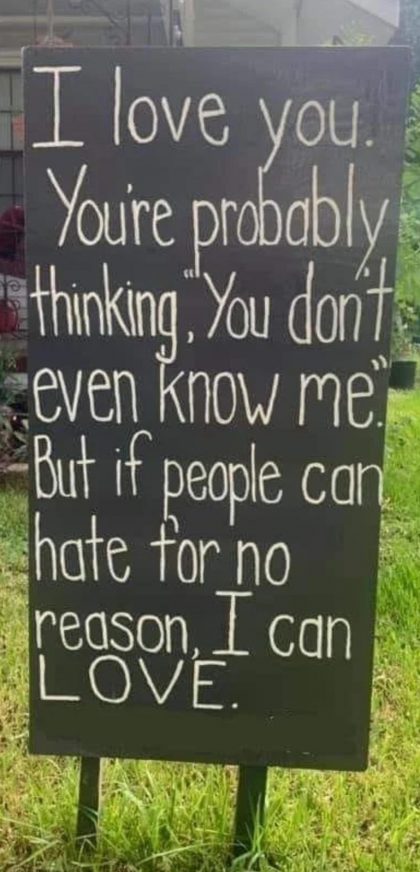 Monday gratefuls: Heidi. Irv. Luke. Money. Rich. Leo, the sweet boy. Cooper. Who may join me here. Sleep. Restoration. Resurrection. A new life, this day. Paul’s photo of the sardines. But, Paul, I’m stuck on lobster pots. Tom’s found sign. (right) Bill working with the paper marblers. Ode and the Stars. Diane getting ready for Taiwan. All the wound up little kids out there. Santa Claus. Norad. Christmas Trees. Eggnog. Lights. Yule Logs. All those pagan rooted parts of the celebration we call Christmas. Incarnation
 When Kate had to move to the exurbs to be within 15 minutes of the hospital, I resisted. I had lived in the Twin Cities for 30 years. My working life had focused on urban issues, urban politics. What was I gonna do in conservative Anoka County? But there was no choice. She needed the new job. We needed the new job. So. We bought a model home on 2.5 acres of land. About 40% wooded, some scrub Oak and Black Ash with long grass, the rest stripped bare by bulldozers in the process of construction.