Nice Day For A Walk

Fall                                                                         Harvest Moon

A guy trudged along the same trail I was on, dressed in full camo but with the jacket open and t-shirt spread wide by a belly yearning to be free. “Nice day for a walk,” he said.  “Yeah.”  He was a bow-hunter with six yellow feathered arrows and a compound bow.  When I got back to the parking lot, I saw his truck with a large sticker, Life Begins At Full Draw.  A bow hunter with his bow-string fully extended.  He had another large sticker, “Born to Fish, Forced to Work.”

A bit further along a Hmong man in blaze orange vest with a rifle slung on right shoulder.  “Hi.”  “Hi.”  Only a moment before meeting the bow hunter I had decided to turn back.  I had no orange vest and wanted to be safe.

When I drove up here, only 3 maybe 4 miles from home, I’d discovered that this new state owned land was a conservation area, not a scientific and natural area as I had remembered.  The difference is that you can ride snowmobiles at Cedar Creek Conservation Area.  You can hunt.  You can also hike of course, but…

Armed with my smart phone I looked up Minnesota hunting seasons and found that it was bow season for deer and hunting for small animals and certain birds.  Didn’t seem I’d be confused for any of these since bow hunters have to be fairly close and have a good sight line, but out of, as the politicians say, “an abundance of caution,” I had begun my exit.

It was a spectacular day.  64 degrees.  Clear skies.  A light breeze.  Just right.  As often happens in northern Anoka county, it felt like up north with woods and meadows.  Imagining myself on a trail outside of Ely was easy.

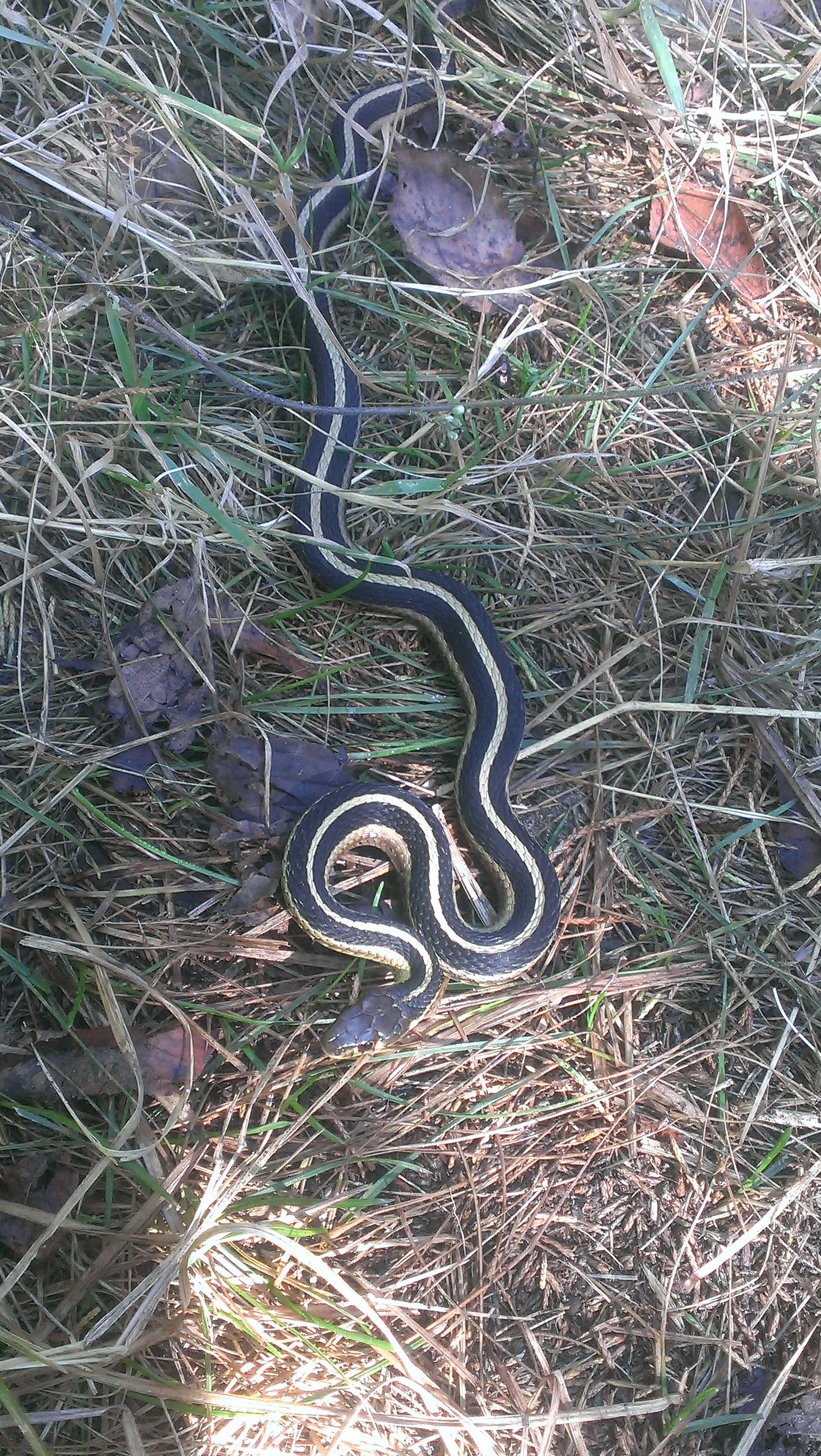
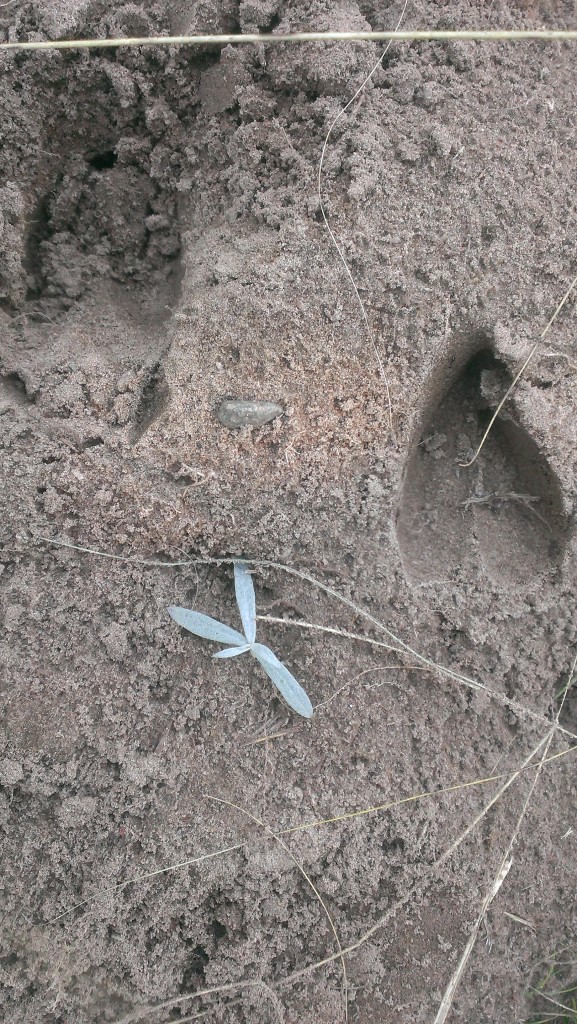
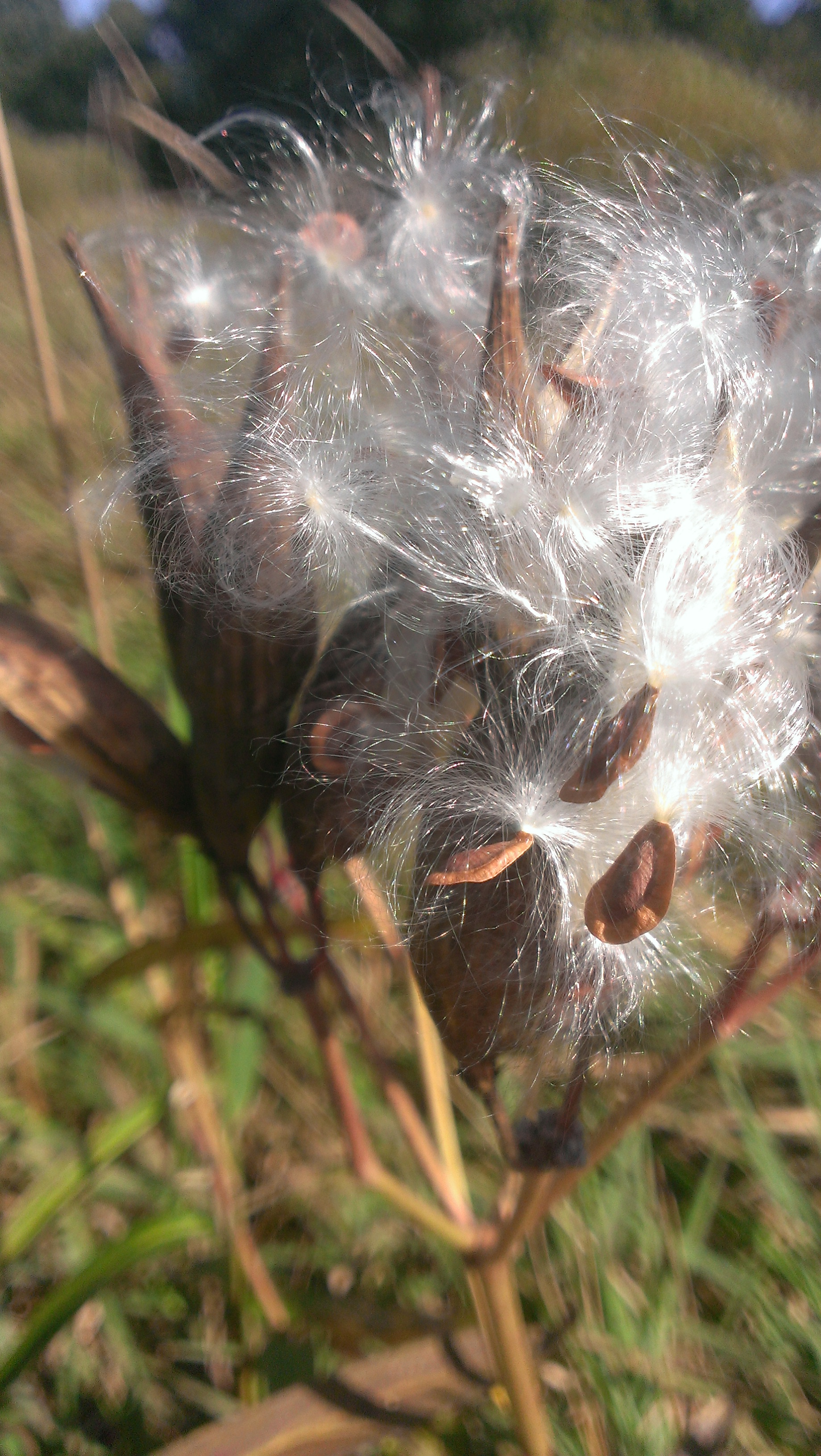
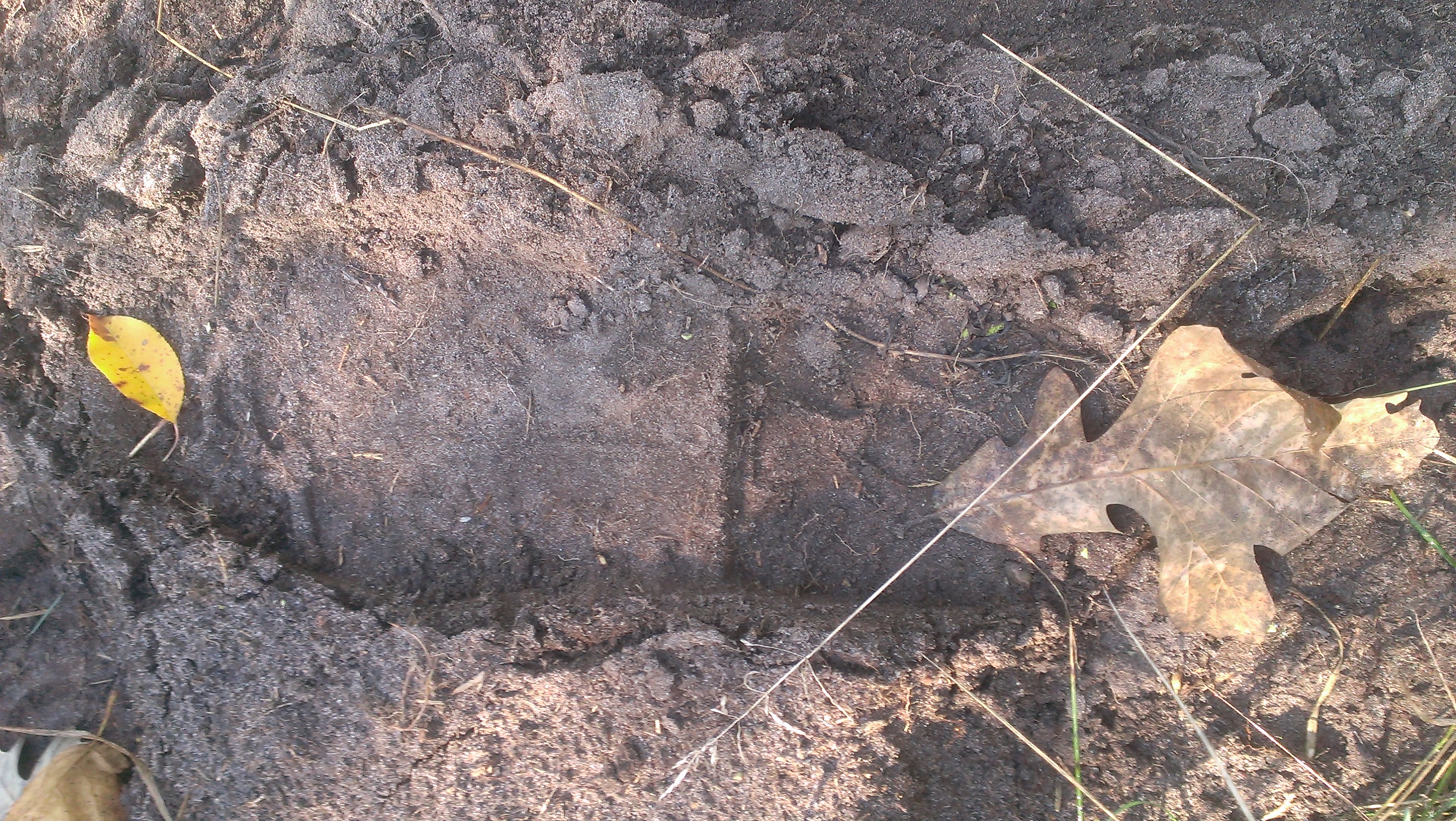
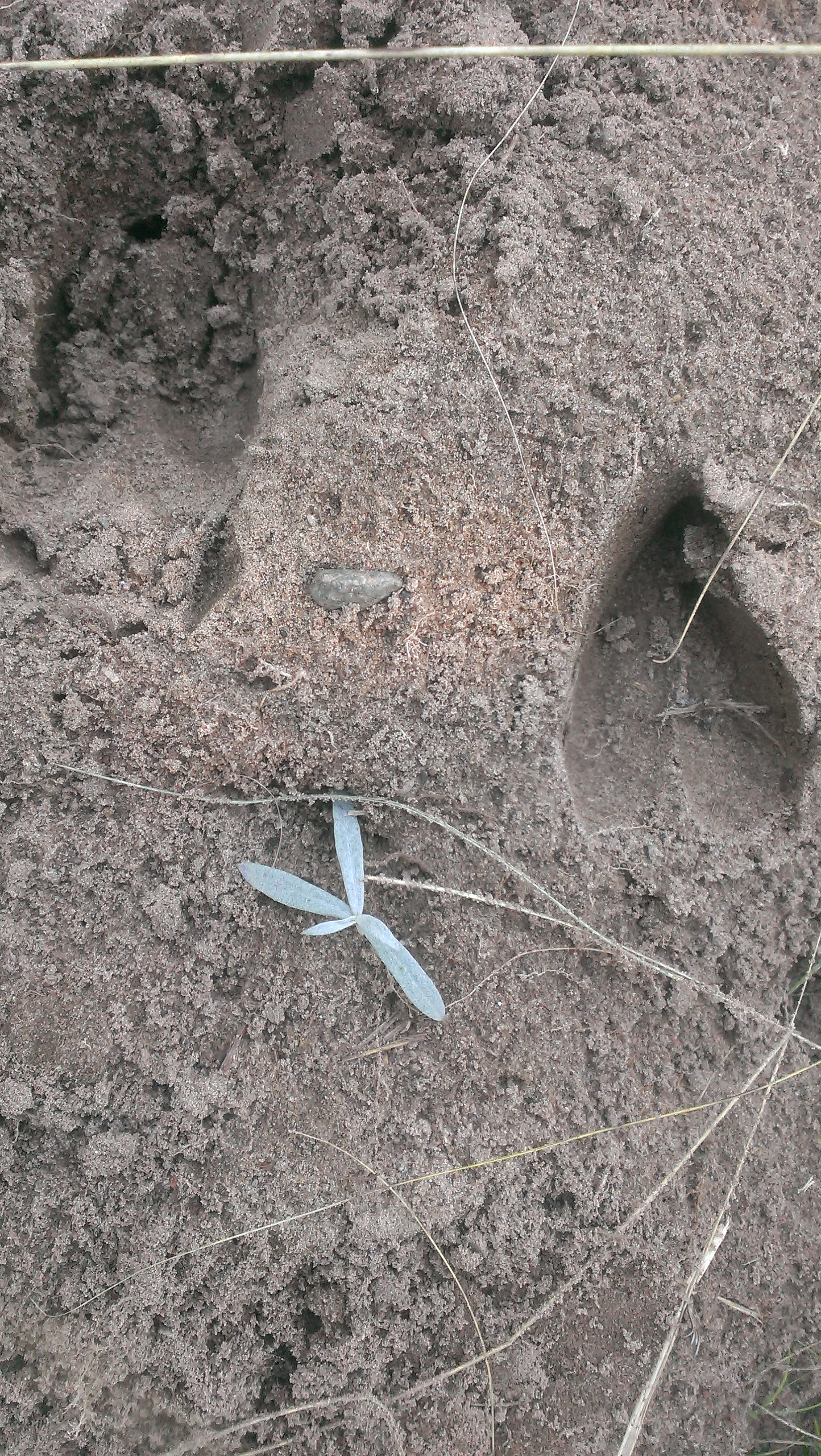
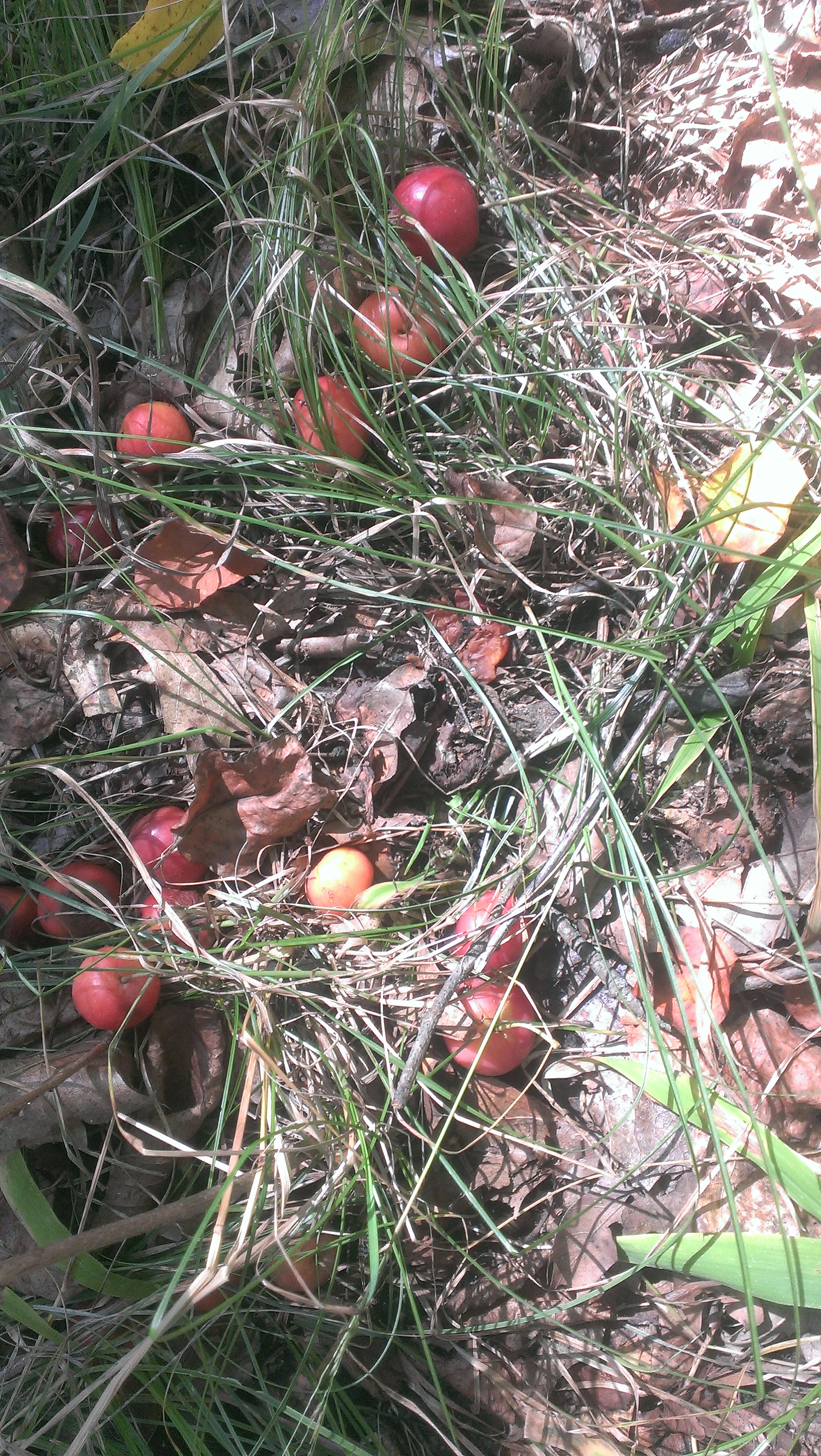
Here are a few things I saw:
IMAG0966

IMAG0978IMAG0984IMAG0989

IMAG0971

Mabon. Fall Equinox. 2013

Fall                                                                  Harvest Moon


Yes, today we move beyond the first harvest festivals, the fairs and markets of August, into the period most folks associate with the harvest, the time when farmers all over the Midwest are in their fields with combines and corn pickers, gathering in food from one of the largest areas of food production in the entire world.  And, yes, we can certainly agree that the form of this agriculture is not sustainable and further that the amount of the corn crop turned toward corn syrup or ethanol makes no sense (and it doesn’t), but those of us who grew up here and continue to live here feel a certain synchrony with the land at this time.

2010 10 04_0351

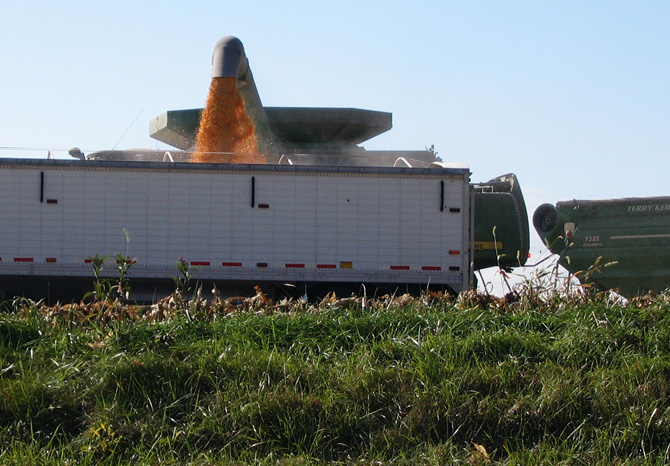
As I’ve said here for the last six weeks, at the garden level, most of the  harvest is already done, but the big cash crops like wheat, corn and soybeans aren’t ready until late September or early October.  This is the time, in the plains states, when the huge custom combine companies will sweep the fields of wheat.  It is also the time when the corn pickers and soy bean harvesters enter the fields.  These crops are the chief cash crops in Minnesota.  So, it’s the harvest moon that hangs over this work, which often goes into the night, not over the warmer nights of August.


The harvest moon is the full moon nearest to the fall equinox.  The moon today is 90% full and waning and today is the autumnal equinox or what neo-pagans call Mabon.  The aspect of the equinox that speaks most deeply to me is the transition I mentioned yesterday from a day dominated by light toward a day dominated by dark.  This process now tips over in favor of the dark, though today is, roughly, a day when the two balance, 12 hours for each.


The Crone, Ian Harriot

But there are other ways of marking Mabon.  The Wiccans celebrate Mabon as the transition from Mother to Crone for the Goddess and the preparation for the death of the God.  You may recall from earlier writing about the Third Phase that the Wiccans mark the year into thirds:  Maiden-Mother-Crone.  So we now enter the seasonal equivalent of the Third Phase, the harvest either full in or almost so and a time of enjoying the fruits of the harvest, of resting, of concentrating arrives.


(Hades and Persephone in the underworld Seated on A Throne in the form of an Eagle’s head with Cerebus before Them.  Artwork Location  Bibliotheque Nationale, Paris, France)

An ancient Greek myth, the story of Demeter and Persephone, explains this seasonal turn, too.  This is the time when Persephone pays for having eaten the pomegranate seeds while in the underworld.  She returns to live with her husband Hades and reign as his queen.  Her mother, the goddess of grain, of the harvest and fertility, goes into mourning as her daughter disappears.  Plant life shrivels as she withdraws from it, only reviving when Persephone returns in the Spring and with her Demeter’s joy.