Fall Hunter Moon
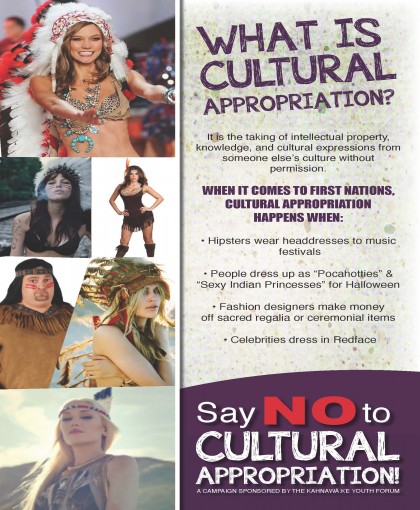 Ruth wanted to see the Queen of Katwe, the story of a poor Uganda country girl who became a chess champion. So we did. It was a good movie, not great; but, its almost all black cast reminded me of Luke Cage, which also has an almost all black cast. I have been and am suspicious of the idea of appropriation* as bad, but these two media pieces have made rethink it.
The problem I have with the idea of cultural appropriation is its clash with the aims of art. We could not write books, make movies, script plays, probably even compose music if we did not borrow both from the realm of our personal experience and from the experiential realm of others. At its most fundamental, a man could not write about women, or a woman about men. And, to drill even deeper into this morass, since we can never know the interior life of another, I could not write about anyone else.
Also, to have no characters or roles or melodies that have roots in cultural experiences other than your own would make novels, films, plays and music monuments to cultural isolation. Too, the voice of one culture’s representative commenting on another’s is the stuff of art and provides important information, reflection for our common life as members of a diverse human community.
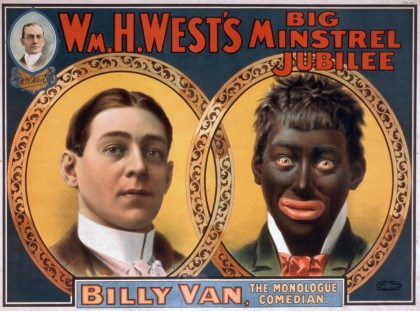 Having said that I found myself intrigued with both Luke Cage and Queen of Katwe because they had almost all black casts. The voice of the characters, the setting, the narrative drive had an integrity, a cohesiveness different from a white dominated movie or television program. The vulnerabilities, tensions, outright conflicts reflect immersion in Uganda and Harlem. They help open up a world, a way of being, a certain thrownness, as Heidegger put it, that is well outside my white, male, middle class, small town Midwest USA experience.
This presentation of the panorama of black and African characters humanizes them, makes them real, in a way that appropriated roles often cannot. What I’m saying here is that the positive argument stemming from the idea of cultural appropriation, that members of a group or culture can tell their own story best, seems validated for me by this particular movie and this television series.
 However. The notion of silos, common in critique of bureaucracies, corporate or governmental or academic, seems to me to apply here, too. Silos are self contained domains, segments of a differentiated work place. The easiest place to see silos is in academe where biology and physics occupy different departments, often different buildings, and usually do not communicate. The internal culture of the military makes it secretive while congress wants transparency, the EPA is a separate agency of quasi-cabinet rank, so it is separate from the department of Agriculture where many matters of critical environmental concern receive attention. The critique is that while the silos differentiate and protect, the world is not so divided. Biology and physics operate within each organism. In the world as it is, Federal Superfund sites, under the administration of the EPA, interact directly with farms and municipalities. There was no bureaucratic barrier between the toxic waste pouring from the Gold King Mine and the waters of the Animas River.
Sorry to have belabored that but my point is this: even if cultural appropriation was to become a norm, it would create its own problems by cordoning off the experience of one culture from another, creating silos of African-American experience or LGBT experience.
It seems to me that the best world would allow and encourage both works by members of all cultures that include and therefore reflect on other cultures and works by and about members of one culture. Let the reader, or the movie goer, or the symphony audience experience the tensions and conflicts. That’s the way to a richer and more intense dialogue among and between all people.
*Cultural appropriation is the adoption or use of elements of one culture by members of another culture.[1]Cultural appropriation is seen by some[2] as controversial, notably when elements of a minority culture are used by members of the cultural majority; this is seen as wrongfully oppressing the minority culture or stripping it of its group identity and intellectual property rights. wikipedia
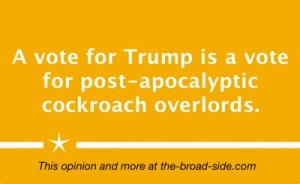 “He’s a cockroach at the end of a nuclear winter,” said a New Hampshire Democrat.
 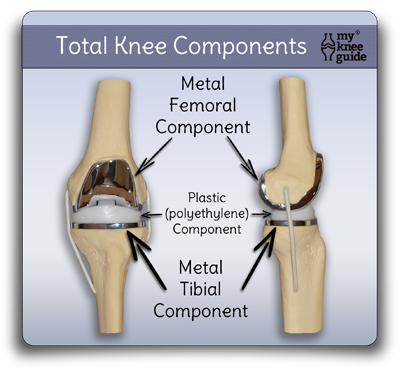 New x-ray of my left knee. “See that narrow space there?” Dr. William Peace points at a place where bone and bone have come very close together on the inside of the knee. “That’s about a 90% loss of cartilage. And that is a bone spur.” Pointing higher on the bone.
 Looked at Orion on the way up here this morning. He warms my heart like a familiar friend, a friend who comes for the season. I have greeted his return each autumn for 48 years. We first became acquainted during the 11-7 shift at Magnetic Cookware in Muncie, Indiana. I worked there as a security guard. When I see him in the southern sky, I smile.
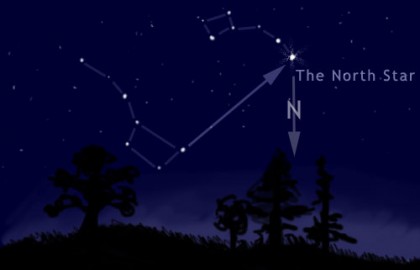 No wonder, in a world lit only by fire, that the stars were the work of gods. We might think we know them better now, now that we can identify their chemistry, understand their age and locate them in a 3-D universe, but that’s only a material, physical way of knowing. Important in its way, yes. Perhaps even key to the future of human existence. Still, very different from that night beacon lighting the way to freedom for escaping slaves. And, very different from Orion as my friend and companion for 48 autumns and winters.
 Speaking of seasons, this is not the silly season; it’s the Insane Clown Posse season. When a reactionary like Mike Pence gets kudos for a stable debate performance, the world has gone seriously out of whack. This is a guy who tried to abrogate the first amendment, destroy unions, and denigrates women. The only reason he looked less than totally unappealing is the comparison to his running mate, Donald the Hair Trump. OK, Kaine wasn’t much better, but, hey, these guys were picked as Vice-Presidential candidates for a reason. Whatever it was.
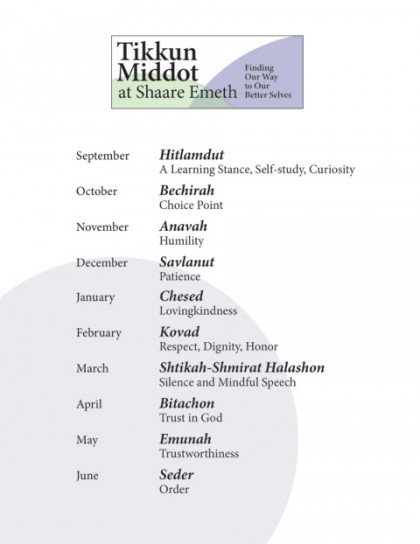 Yesterday was a reading day, getting up to speed on the middot (character trait) of watchfulness. The notion of Mussar is to take character traits like watchfulness, explicate them, then practice them. Literally. Mussar encourages taking a character trait like watchfulness, then working over the period of a month to manifest it in your life or raise your observance of it to a higher level. Watchfulness entails what a Jesuit might call examen. Paying attention to your behavior, becoming conscious of it rather than letting it flow by out of habit unnoticed, that’s the first part.
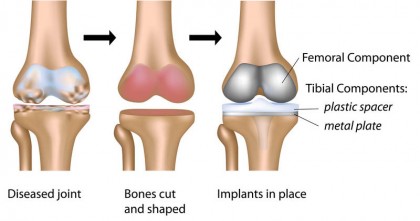 Saw my doc yesterday about my knee. She gave me a referral to Dr. William Peace, an orthopedic surgeon. I called him and got an appointment for this Friday. Kate and I watched a video about knee replacement. It was helpful. Somewhat. The biggest new information I got was that the new knee lasts about 15 years. I figure I’m in a lighter use period of my life so I could get a full 15.
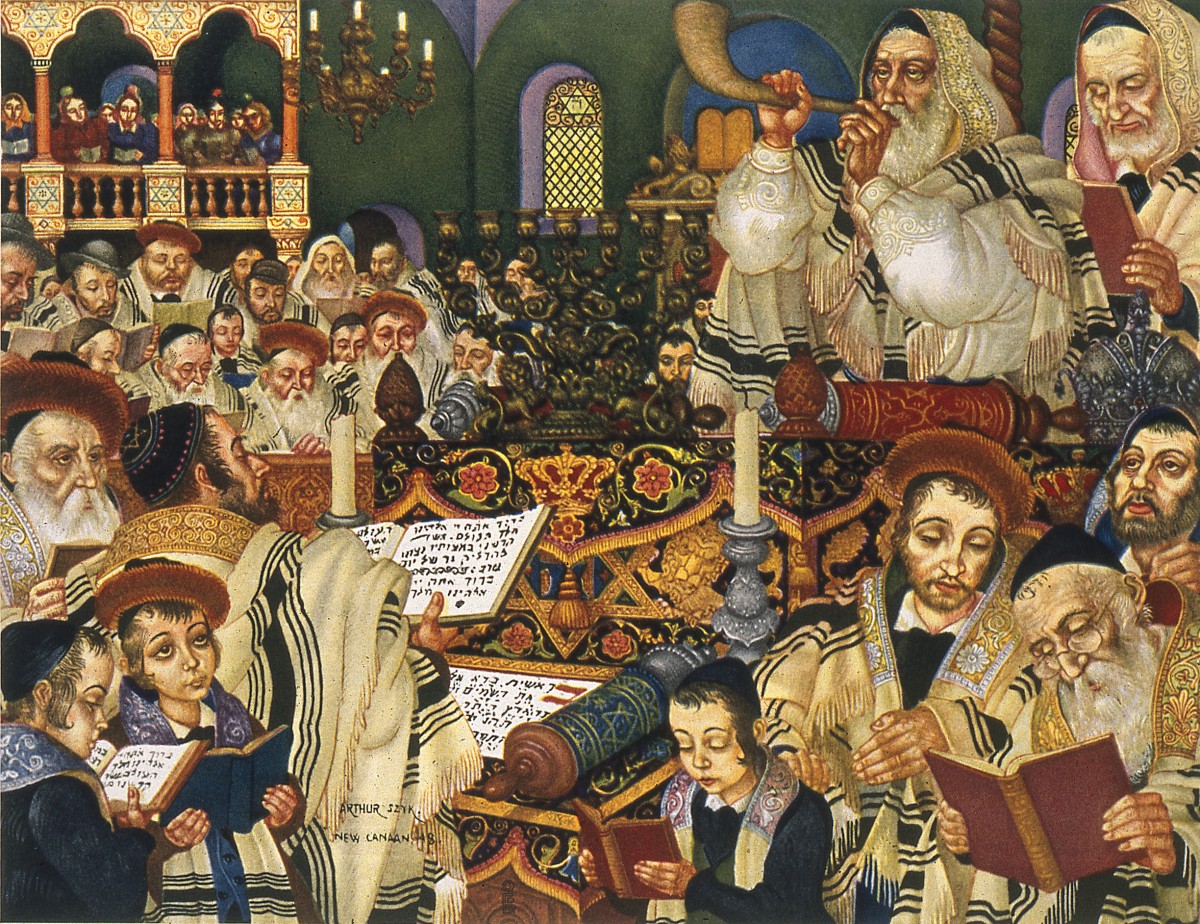
 Yesterday included three separate trips into Evergreen. First, I took Kate in for the morning Rosh Hashanah service at Beth Evergreen. Then, I came back to answer questions, be available for the electrician and the painter. At noon I went back to pick up Kate and eat the after service lunch with her. All these trips included waits in two spots on Brook Forest Road for culvert repair. Stop. Slow. Stop. Slow.
 There were kugels in aluminum pans, bagels with lox and cream cheese or chopped egg, fresh cut vegetables, fruit. Paper plates and plastic forks. Lots of eating and greeting. Some very short skirts. Some men carried small cloth pouches containing prayer shawls and yarmulkes. Kids ran around,