
Lughnasa Kate’s Moon
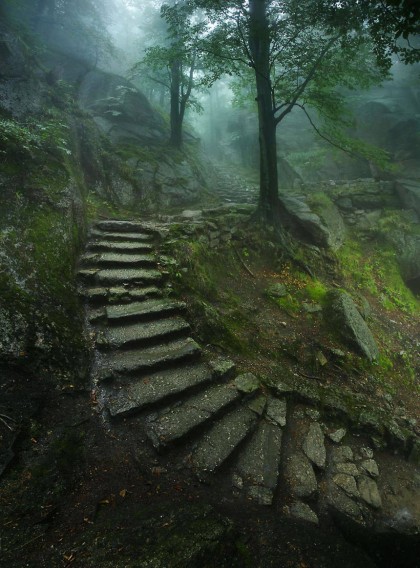 Paths. The trait of watchfulness, of being aware, is not only about self-awareness. It is, in itself, a tool, one to use to notice which direction you’re headed. Did this action, that motivation, move me in a positive direction in my life or a negative one? Did it move me toward selfishness or toward being of service?
The last couple of days I’ve found exercising hard. Wednesday was my resistance day and I felt too tired. I almost left it entirely, but instead did my high intensity workout plus 80 minutes of treadmill. That seemed easier and I had not been able to work out Tuesday, my normal aerobics day. But. Then on Thursday I encountered the same feeling and didn’t workout at all except for 15 minutes of aerobics. I was aware of struggling with myself, but let the feeling of tiredness win. Exercise is a habit, one I could lose, yet one I value. A matter to pay attention to.
Mussar, at least as it’s been presented so far this year, focuses on the interpersonal and the inner. At least until yesterday. Yesterday introduced a concept of caring for the generation into which you are born, not only the nation of Israel. Caring for the generation requires action for peace and justice.
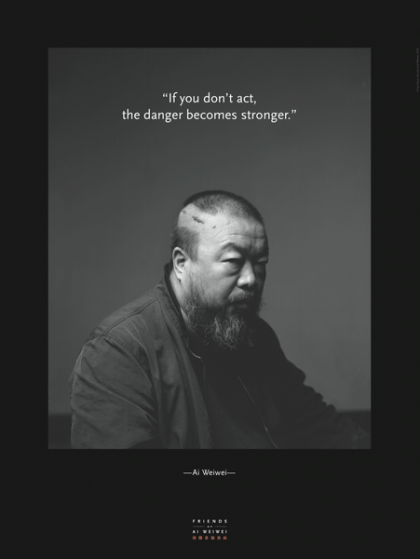 It also requires, very interestingly, prayers for God to forgive the wicked, or the unjust. It’s not up to us to forgive them, but we must plead with God to do it. As I took it, this means that we stand against Trump and the white supremacists, for example, opposing them in the streets, in conversation, at the ballot box, in whatever way we can, and it’s up to God to forgive them for what they’re doing. Not us. I interpret God here, the Great Other as Rabbi Jamie sometimes says, as the collective us, our generation perhaps, or history. Or, perhaps, the very sensibility that inspires us to move into the breach on behalf of the vulnerable other.
It also made me wonder if prayer might not be marching against the alt-right, showing up beside African-Americans, LGBT folks, fighting to change unjust economic structures. Tactile prayer, political prayer. Action guided not by anger against individuals like Trump and his minions, but action for the other. So in our action we offer a way out for those with their thumb on the others neck. We ask Pharaoh to let them go. We ask, in other words, that others act as agents of peace and justice, caring for our generation-including the oppressor-but we don’t rely on hope alone, we become hope itself.
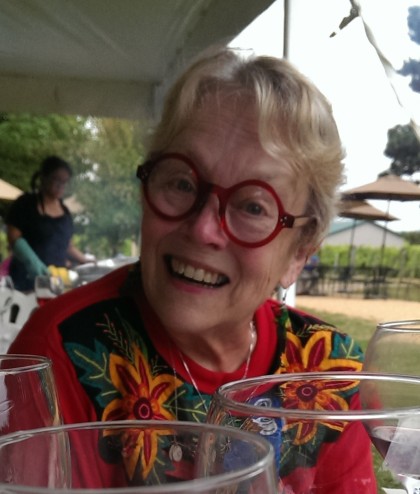
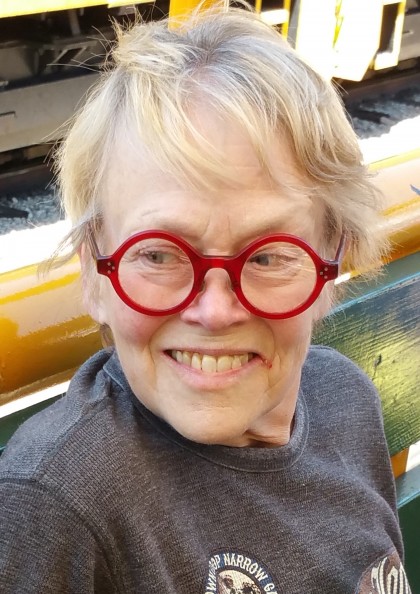


 Bailey, Colorado is about 20 miles west of us on Hwy. 285. It’s an up and down, winding path with vistas of the Continental Divide and several fourteeners including Mt. Evans, the weathermaker for our neighborhood here on Shadow Mountain.

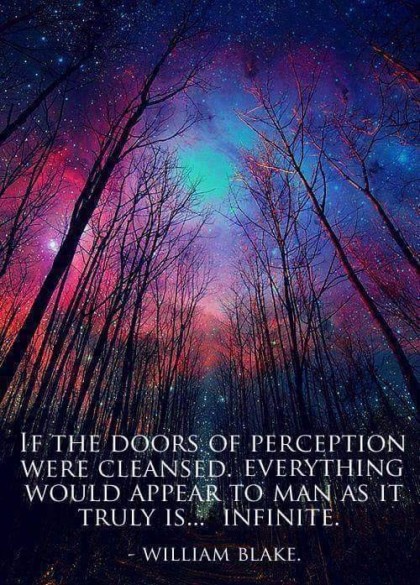 Be aware. Working with mussar practice now, decided to use focus phrases and journaling to work on the trait of watchfulness, seeing my path, owning my journey. The journal part will recount, as I can recall them, those moments when I was aware of my journey.
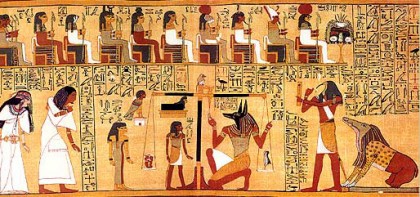 Moving forward, slowly, with Jennie’s Dead. Exploring the religion of the ancient Egyptians, trying to avoid hackneyed themes, not easy with all the mummy movies, Scorpion King, Raiders of the Lost Ark sort of cinema. Jennie’s Dead is not about Egypt, ancient or otherwise, but it plays an important role in the plot. Getting started is difficult, trying to sort out where the story wants to go, whether the main conflict is clear, to me and to the eventual reader.
 As Emerson said, “Why should not we have a poetry and philosophy of insight and not of tradition, and a religion by revelation to us, and not the history of theirs? Why should not we also enjoy
 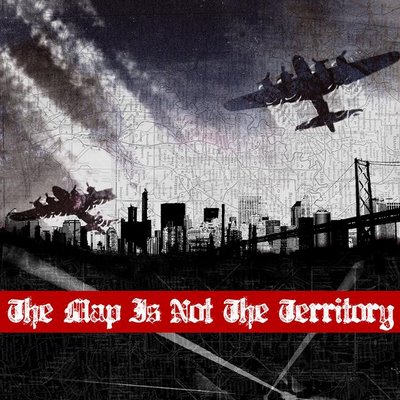 This means I’m in a curious position relevant to my own education in the Christian tradition and my new education, underway now, in the older faith tradition of Judaism. Both are normative, in their way, but not as holy writ. Rather, they are normative in a more fundamental sense, they reveal the way we humans can discover the sacred as it wends and winds its way not only through the universe, but through history.
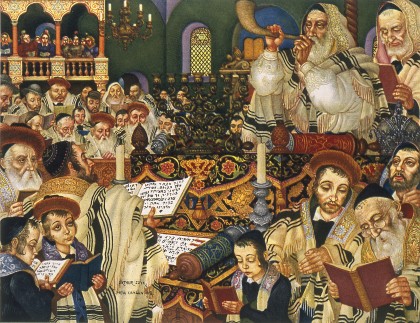 This is a similar idea to that of the reconstructionists, but not the same. Reconstructionists want to work with a constantly evolving Jewish civilization, grounding themselves in Torah, mussar, kabbalah, shabbat, the old holidays, but emphasizing the work of building a Jewish culture in the current day, reconstructing it as Jews change and the world around them changes, too. I’m learning so much from this radical idea.
 What I want to do though, and it’s a similar challenge, is to reimagine, for our time and as a dynamic, the way we reach for the sacred, the way we write about our experience, the way we celebrate the insights and the poetry it inspires. In this Reconstructionist Judaism is a better home for me than Unitarian Universalism. UU’s may have the same goal, but their net is cast into the vague sea of the past, trying to catch a bit from here and a bit from there. It is untethered, floating with no anchor. Beth Evergreen affirms the past, the texts of their ancestors, their thousands of years of interpretation, the holidays and the personal, daily life of a person shaped by this tradition, but also recognizes the need to live those insights in an evolving world.
 The alt-right and Charlottesville, Virginia. Many said this violence doesn’t represent American values. Horsepuckey, as we used to say.
 A week from today we’ll be on the road in a rented R.V., Ruth and Gabe on board, headed to Driggs, Idaho. It will be Kate’s 73rd birthday. I wrote a post on
  Perhaps this eclipse on August 21st is an opportunity for us all to merge the outer with the inner, to experience the same fear our long ago ancestors did when they imagined the world might die, the sun might never reappear. It may be a chance to integrate this slow motion catastrophe through which we are living, in which we are implicated, and consider it in a new way.