Samain Thanksgiving Moon
The Thanksgiving Prayer, Adapted from the Mohawk
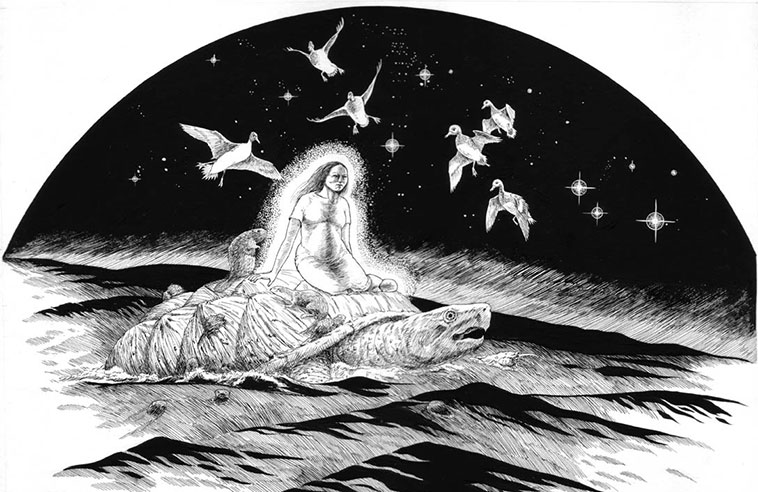
Illustration by John Kahionhes Fadden
THE THANKSGIVING PRAYER
Adapted from the Mohawk by John Stokes and David Kanawahienton Benedict
The People
Today we have gathered and we see that the cycles of life continue. We have been given the duty to live in balance and harmony with each other and all living things. So now, we bring our minds together as one we give greetings and thanks to each other as People
Now our minds are one.
The Earth Mother
We are thankful to our Mother, the Earth, for she gives us all that we need for life. She supports our feet as we walk about upon her. It gives us joy that she continues to care for us as she has from the beginning of time. To our Mother, we send greetings and thanks.
Now our minds are one.
The Waters
We give thanks to all the Waters of the world for quenching our thirst and providing us with strength. Water is life. We know its power in many forms—waterfalls and rain, mists and streams, rivers and oceans. With one mind, we send greetings and thanks to the spirit of Water.
Now our minds are one.
The Fish
We turn our minds to all the Fish life in the water. They were instructed to cleanse and purify the water. They also give themselves to us as food. We are grateful that we can still find pure water. So, we turn now to the Fish and send our greetings and thanks.
Now our minds are one.
The Plants
Now we turn toward the vast fields of Plant life. As far as the eye can see, the Plants grow, working many wonders. They sustain many life forms. With our minds gathered together, we give thanks and look forward to seeing Plant life for many generations to come.
Now our minds are one.
The Food Plants
With one mind, we turn to honor and thank all the Food Plants we harvest from the garden. Since the beginning of time, the grains, vegetables, beans, and berries have helped the people survive. Many other living things draw strength from them too. We gather all the Food Plants together as one and send them a greeting and thanks.
Now our minds are one.
The Medicine Herbs
Now we turn to all the Medicine Herbs of the world. From the beginning, they were instructed to take away sickness. They are always waiting and ready to heal us. We are happy there are still among us those special few who remember how to use these plants for healing. With one mind, we send greetings and thanks to the Medicines and to the keepers of the Medicines.
Now our minds are one.
The Animals
We gather our minds together to send greetings and thanks to all the Animal life in the world. They have many things to teach us as people. We see them near our homes and in the deep forests. We are glad they are still here and we hope that it will always be so.
Now our minds are one.
The Trees
Now we turn our thoughts to the Trees. The Earth has many families of Trees who have their own instructions and uses. Some provide us with shelter, others with fruit, beauty, and other useful things. Many peoples of the world use a Tree as a symbol of peace and strength. With one mind, we greet and thank the Tree life.
Now our minds are one.
The Birds
We put our minds together as one and thank all the Birds who move and fly about over our heads. The Creator gave them beautiful songs. Each day they remind us to enjoy and appreciate life. The Eagle was chosen to be their leader. To all the Birds—from the smallest to the largest—we send our joyful greetings and thanks.
Now our minds are one.
The Four Winds
We are all thankful to the powers we know as the Four Winds. We hear their voices in the moving air as they refresh us and purify the air we breathe. They help bring the change of seasons. From the four directions they come, bringing us messages and giving us strength. With one mind, we send our greetings and thanks to the Four Winds.
Now our minds are one.
The Thunderers
Now we turn to the west where our Grandfathers, the Thunder Beings, live. With lightning and thundering voices, they bring with them the water that renews life. We bring our minds together as one to send greetings and thanks to our Grandfathers, the Thunderers.
Now our minds are one.
The Sun
We now send greetings and thanks to our eldest Brother, the Sun. Each day without fail he travels the sky from east to west, bringing the light of a new day. He is the source of all fires of life. With one mind, we send greetings and thanks to our Brother, the Sun.
Now our minds are one.
Grandmother Moon
We put our minds together and give thanks to our oldest Grandmother, the Moon, who lights the nighttime sky. She is the leader of women all over the world, and she governs the movement of the ocean tides. By her changing face we measure time, and it is the Moon who watches over the arrival of children here on earth. With one mind, we send greetings and thanks to our Grandmother, the Moon.
Now our minds are one.
The Stars
We give thanks to the Stars who are spread across the sky like jewelry. We see them in the night, helping the Moon to light the darkness and bringing dew to the gardens and growing things. When we travel at night, they guide us home. With our minds gathered together as one, we send greetings and thanks to the Stars.
Now our minds are one.
The Enlightened Teachers
We gather our minds to greet and thank the enlightened Teachers who have come to help throughout the ages. When we forget how to live in harmony, they remind us of the way we were instructed to live as people. With one mind, we send greetings and thanks to these caring Teachers.
Now our minds are one.
The Creator
Now we turn our thoughts to the Creator, or Great Spirit, and send greetings and thanks for all the gifts of Creation. Everything we need to live a good life is here on this Mother Earth. For all the love that is still around us, we gather our minds together as one and send our choicest words of greetings and thanks to the Creator.
Now our minds are one.
Closing Words
We have now arrived at the place where we end our words. Of all the thing we have named, it was not our intention to leave anything out. If something was forgotten, we leave it to each individual to send such greetings and thanks in their own way.
And now our minds are one. ♦

 Holiseason. I find myself soothed and enriched by certain traditions. The holidays are among them. When I eased my psyche into holiseason yesterday, I realized that the holidays will help me survive the insults of Trump’s election.
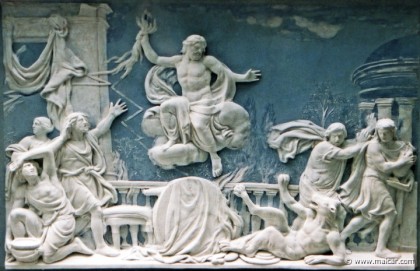
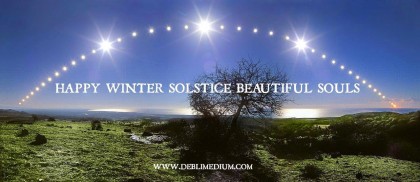 After Thanksgiving, or around it sometimes, the Wheel turns to the festivals of light like Diwali, Hannukah, Christmas. We decorate and illuminate. We sing songs, give and receive gifts, enter into traditions older, much older than our nation.
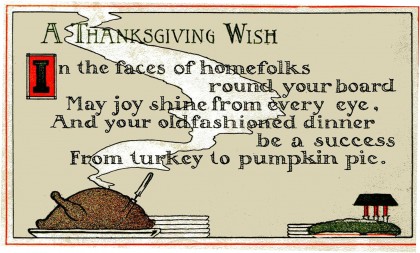 And, improbably, it will be Thanksgiving next week. There is no hint of over the river and through the woods weather to stimulate that Thanksgiving feeling. We may get a storm on Thursday. That would help.
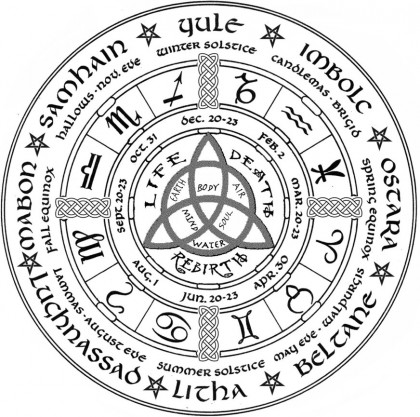
 We have reached the end of another Celtic year. Summer’s End, Samain, marks both the end of the growing season, really, the harvest season and the beginning of a new year. Rosh Hashanah and the Gregorian New Year celebration on January 1st, like the Celtic New Year, put the marker down for a new trip around Sol either at the start of the fallow season or in its midst. In these three instances the New Year seems to suggest a season of reflection, of inner work, as the harvest ends or is well over, while fall and winter stretch ahead.
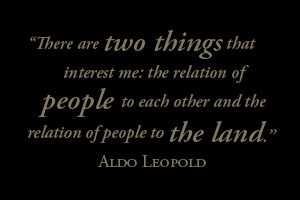 So, what does my celebration of the Great Wheel mean? I began thinking about the Great Wheel when I chose to embrace my Celtic ancestry: Welsh and Irish. This was when I began writing novels a millennia ago in the 1990’s. As Kate and I began to garden seriously, joining our lives to the seasonal rhythms of the earth and its weather, the Great Wheel began to live. Time became, as it has remained for me, a spiral, a turning and returning to Beltane and the start of the growing season, to Samain, Summer’s End, and the end of the harvest.
 There is life and the spirit of the sun residing in every green thing on this planet. There is life and the spirit of the sun in every insect, mammal, protozoa, fish and flying creature. We are all more alike, much more, than we are different. Think of it. We share this planet, third from the sun, in the goldilocks zone. As living creatures on this one planet among billions of other solar systems, our home is a source of unity, a source of fellow feeling.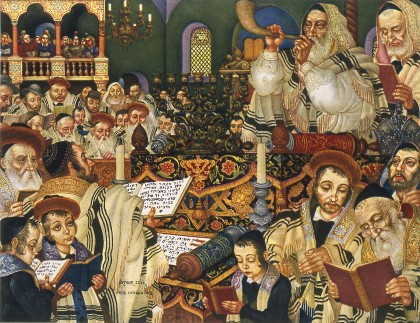
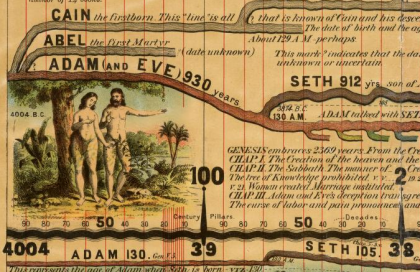 I now celebrate several distinct new years. The Jewish new year, just over, comes not long before the Celtic new year which begins on Samain eve, or All Hallow’s Eve, Halloween. The next one is the Western calendrical new year on January 1st and that is followed by the lunar Asian new year, which comes sometime in February. That’s at least four opportunities to assess the old year and make plans for the new one.
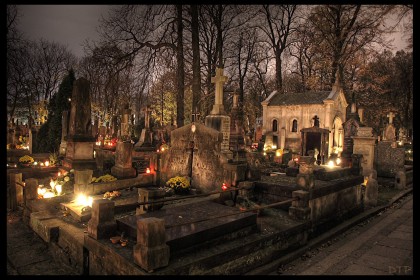 This fall season will end on Samain, the third of the three harvest holidays: Lughnasa, Mabon and Samain. The Celts began their new year with the end of the growing season, a last fruit’s festival, one marking the beginning of the fallow time. I like the specifically seasonal emphasis of Samain, tying the new year not to dogma or tradition or an arbitrary date like January 1, but to the cycle of life on earth, a cycle influenced by the sun.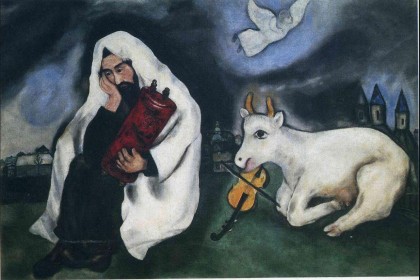
 Beth Evergreen’s sanctuary has multiple clear glass windows that offer views of Bergen Mountain and Elk Meadows. The view next to the Torah Ark had a mountain side filled with lodgepole and Ponderosa pine. Almost to the peak of the mountain though there was a small stand of aspen, golden still, in a perfect heart shape. All through the service I had a symbol, an accident of nature, created by my view, my perspective that synched up remarkably well with the overall theme of Yom Kippur, atonement. Also, up and to my right, at the roof of the sanctuary, a square window framed the tip of a Ponderosa pine. It looked like a painting by a member of the Kano school of Japanese art.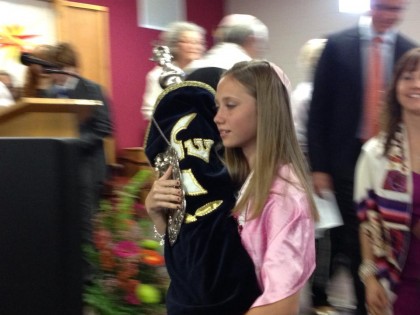
 Yesterday included three separate trips into Evergreen. First, I took Kate in for the morning Rosh Hashanah service at Beth Evergreen. Then, I came back to answer questions, be available for the electrician and the painter. At noon I went back to pick up Kate and eat the after service lunch with her. All these trips included waits in two spots on Brook Forest Road for culvert repair. Stop. Slow. Stop. Slow.
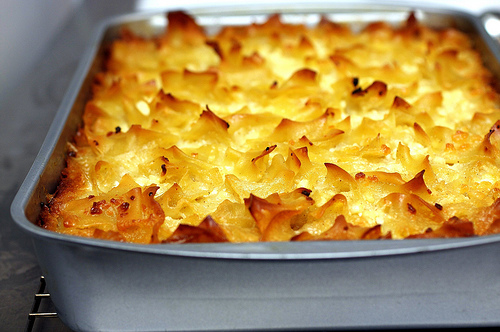 There were kugels in aluminum pans, bagels with lox and cream cheese or chopped egg, fresh cut vegetables, fruit. Paper plates and plastic forks. Lots of eating and greeting. Some very short skirts. Some men carried small cloth pouches containing prayer shawls and yarmulkes. Kids ran around,