Beltane Moon of the Summer Solstice
 Reimagining Faith has been a project of mine since I slipped out of the Unitarian Universalist world leaving behind both Christianity and liberal religion, the first too narrow in its theology, the second too thin a broth. The stimulation for the project lay first in a decision I made to focus on my Celtic heritage for the writing I wanted to do. This commitment led me to the Great Wheel of the Year and its manifestation literally took root in the work Kate and I did at our Andover home.
When we bought the house there, it sat on a lot with the usual scraped earth look of new home construction. It had no lawn, no trees in front, no soil adequate for growing flowers. We hired a landscape architect and added several thousand dollars to the mortgage for his work which included retaining walls, perennial beds, wild prairie on two sides of our house and tiered perennial beds in the back with a patio at their bottom. Our goal was to enjoy the landscaping throughout the time we owned the house. And we did.
 In retrospect our request to him to make it all as low maintenance as possible seems laughable. He did as we wanted, putting in such sturdy plants as Stella D’oro, a species of daylily, shrubs, a bur oak and a Norwegian pine, some amur maples, a hardy brand of shrub rose, juniper, yew, a magnolia that Kate wanted, and a river birch. This work included an in-ground irrigation system and the very strange experience of having no lawn until one morning when the sod people came and rolled it out. Then we had a lawn that evening.
 We looked at it, saw that it was good and thought we were done. Ha. It began with a desire for flowers. I wanted to have fresh flowers available throughout the growing season, so I studied perennials. At that time I thought I was still holding to the low maintenance idea. I would plant perennials that would bloom throughout the Minnesota growing season, roughly May 15 to September 15, go out occasionally and cut the blooms, put them in a vase, repeat until frost killed them all back. Then, the next year the perennials would return and the process would recur. Easy, right?
No. Gardens are alive. They are dynamic. Species of flowers have very different horticultural needs. Some, like the spring ephemerals, grow early to avoid the shade of leafed out trees and shrubs. Some, like bleeding hearts and hosta, require shade. Others, like iris, a particular favorite of Kate, need an application of a pesticide to eliminate iris borers. Others, like tulips, wear out in the harsh weather cycles common to Minnesota. Trees planted around the beds grow, too, changing the sun and shade areas from year to year. Soil gets depleted as plants take nutrients from it to fuel their growth. Different flowers require different sorts of soil, too.
 Once this world opened up to us, we began to enjoy working with all these variables to create beauty around our home. Gardening for flowers, eh? Well, how about some vegetables. This led to a two-year project of cutting down thorny black locust, chipping the branches, then hiring a stump grinder. After this was done, Jon built us several raised beds. We filled them with good soil and compost. Tomatoes, potatoes, beans, garlic, leeks, onions, carrots, beets flourished. Vegetables, eh? Why not fruit and nuts?
 Ecological Gardens came in with permaculture principles and added apple trees, plums, cherry trees, pears, currants, gooseberry bushes, blueberry bushes and hawthorns. On the vegetable garden site they added raspberries, a sun trap for tomatoes, and an herb spiral. At that point then we were maintaining multiple perennial flower beds, several vegetable beds, fruit trees and the bees that I had started keeping.
We did later add a firepit and picnic area, but those were the main horticultural efforts. This was a twenty year long immersion in plants and their needs, the way the seasons affected them and our human responsibility for their care.
 When I stepped away from the Presbyterian ministry after marrying Kate, the Celtic pagan faith reflected in the Great Wheel began to inform my theological bent more and more. What was to come in the place of the Christian path? Perhaps it was a way of understanding our human journey, our pilgrimage as part of the planet on which we live rather than as separate from it or dominate over it.
Wicca, though, and the various neo-pagan movements seemed thin to me, not without merit as earth-based faiths, but often filled with gimcrackery and geegaws rather than guidance for the next phase of human existence here. I began to wonder about an ur-faith, a way of believing, of being religious, that could exist alongside, even below the other faith traditions, some path that could put us back in the natural world (from which we have never actually removed ourselves) and in so doing undergird the kind of compassion for our planet that might save humanity.
This is the concept behind reimagining faith. Is it possible to create a framework for an earth-based faith that respects science, yet offers ritual and private contemplative practices? What would a book look like that attempts to create a theology, conceptual scaffolding for such a faith? I got this far a while ago. But something has stopped me from moving forward. This post is about poking myself to move forward.
 I have finished 7 novels and am nearing completion of an 8th. So I can work on a long term project and see it through to completion. I’ve also been part of creating several organizations still in existence in Minnesota, among them MICAH, Jobs Now, and The Minnesota Council of NonProfits (originally the Philanthropy Project). These, too, are long term efforts that I helped see to completion.
Over time I’ve also worked with several other institutions in various roles that lasted for years: the Sierra Club, the Minneapolis Institute of Arts, Citizens for a Loring Park Community, the Stevens Square Community Organization, the West Bank PAC and the West Bank Community Development Corporation, not to mention the Presbyterian Church and the Unitarian-Universalists.
 I’ve had less persistence in my two non-fiction writing projects: an ecological history of Lake Superior and Reimagining Faith. Not sure why. Getting started on the research and idea end was not a problem, I have file folders, bookshelves, posts here on Ancientrails and various sketches for outlines. But I’ve never sustained the push to finish.
My now year long immersion in Reconstructionist Judaism, studying first mussar (ethics) and now kabbalah, has caused several sparks to go off for the Reimagining Faith work. I’m beginning to feel the urge to commit substantial writing time, thinking time to this project. What I’d like to do is produce a book that would lay out the skeleton and put some flesh on it. At that point I’d like Reimagining to become a collaborative project with whomever feels an attraction to it.
So let be it said, so let it be done. Yul Brynner, the Ten Commandments.
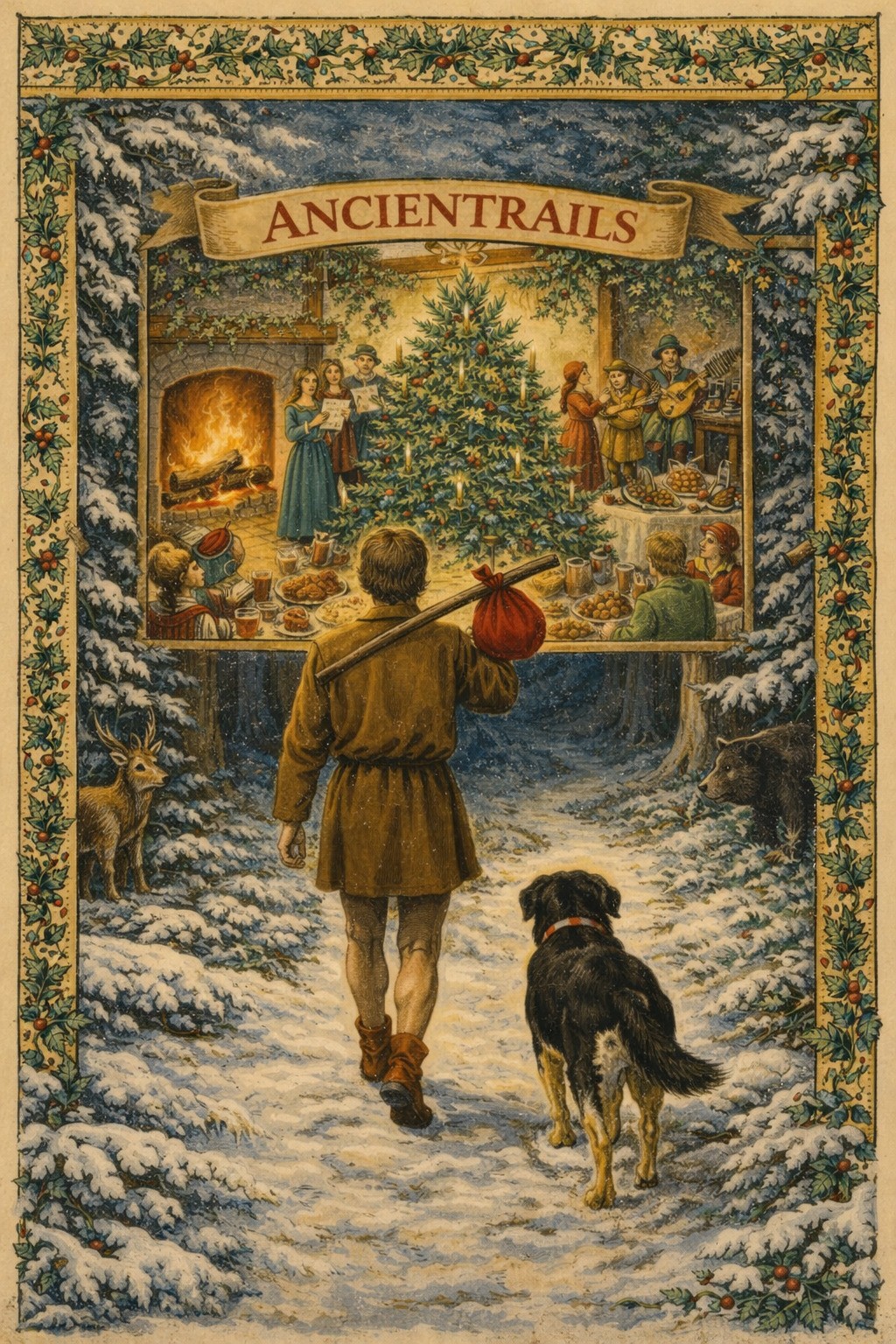
 Back at Superior Wolf. After a month or so of focusing on other things, chiefly that presentation for the mussar class, I’m writing again. The end of the first draft for this novel is near. Once I get it done I’m going to print it out and give it to Kate, then I’m going to move away from it for a while, perhaps three/four months, while I try to push Reimagining Faith further along.
 Yes, mussar and kabbalah require a lot of reading, too, but that’s its own concentrated effort, not competitive with Reimagining. In fact I find the mussar and kabbalah work reinforcing for Reimagining, especially in a Reconstructionist environment. There’s a lot of energy and permission for rethinking fundamentals at Beth Evergreen.
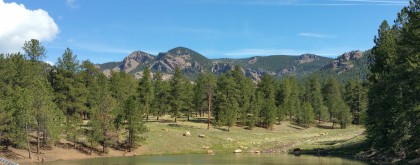
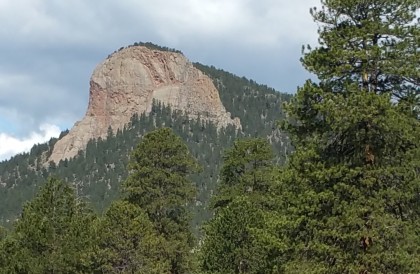
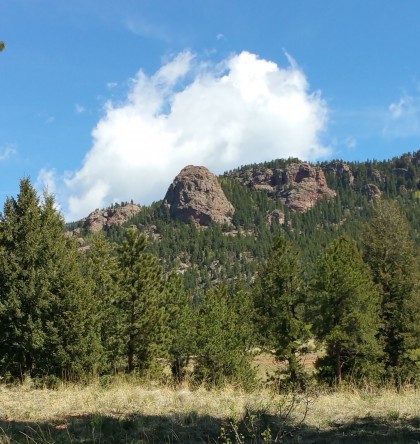
 Heavy rain yesterday afternoon, felt like being back in the humid East. Black Mountain is no longer white; it’s green with its lodgepole and aspen looking healthy. It’s gone from white haired old man to green man. Good to see. Cub Creek, Maxwell Creek, Bear Creek and Blue Creek are all full. The snowpack is well above average. A much better scenario for this summer. Thankful.


 I guess it’s time to admit it. I’m a deeply religious guy, whatever that means. It means at least that I find religion and religions fascinating, personally transformative. I have approached religion since high school with a mixture of deep skepticism and a willingness, no, a need to rethink, refeel, reexperience what I’m told.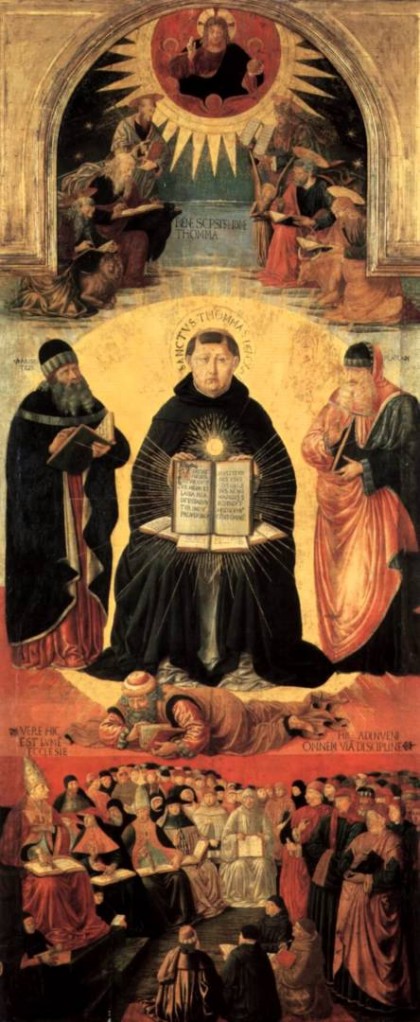
 Since that day until now my ancientrail has always wound its circuitous path back to the big questions. I’ve explored Christianity, Islam, now Judaism, Taoism, existentialism, various spiritual disciplines like lectio divina, meditation, morning and evening prayers, contemplative prayer, even some modest peaks into Tibetan buddhism occasioned by my friendship with Gyatsho Tshering. Though I am now and have been for a while an idiosyncratic version of Taoist/pagan, I’m finding the Reconstructionist path in Judaism a surprisingly familiar one.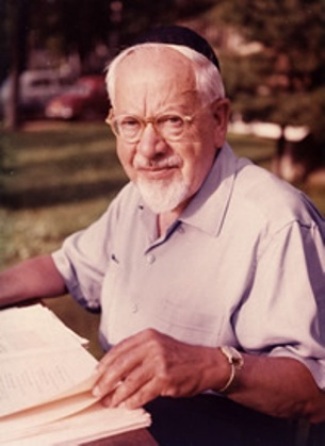
 Beltane Moon of the Summer Solstice

 This was important because the material I had prepared focused on deeds of loving kindness toward grandmother earth. Bonnie and Tara, both fluent in biblical Hebrew, gently put me back on course when I made a mistake. Their helpfulness made me realize, just now as I’m writing this, that there is a different way of being a presenter, one that relies on others as well as on preparation. I know, obvious right? Not to me because in the Christian religious culture and even in the UU culture the clergy presents and others react. The process can be dialogical, yes, but usually involves only reactions to the ideas of the presenter.
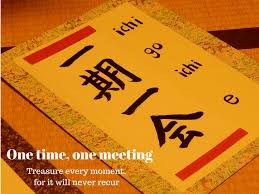 Here are a few of the latter that I found especially moving:
 Again, from Buber, “Judaism does not divide life into the holy and the profane, but into the holy and the not-yet holy.” Another scholar, a man named Finklestein, adds, “Judaism is a way of life that endeavors to transform virtually every human action into a means of communion with God.”*