Another Country

Spring                                                               Bloodroot Moon

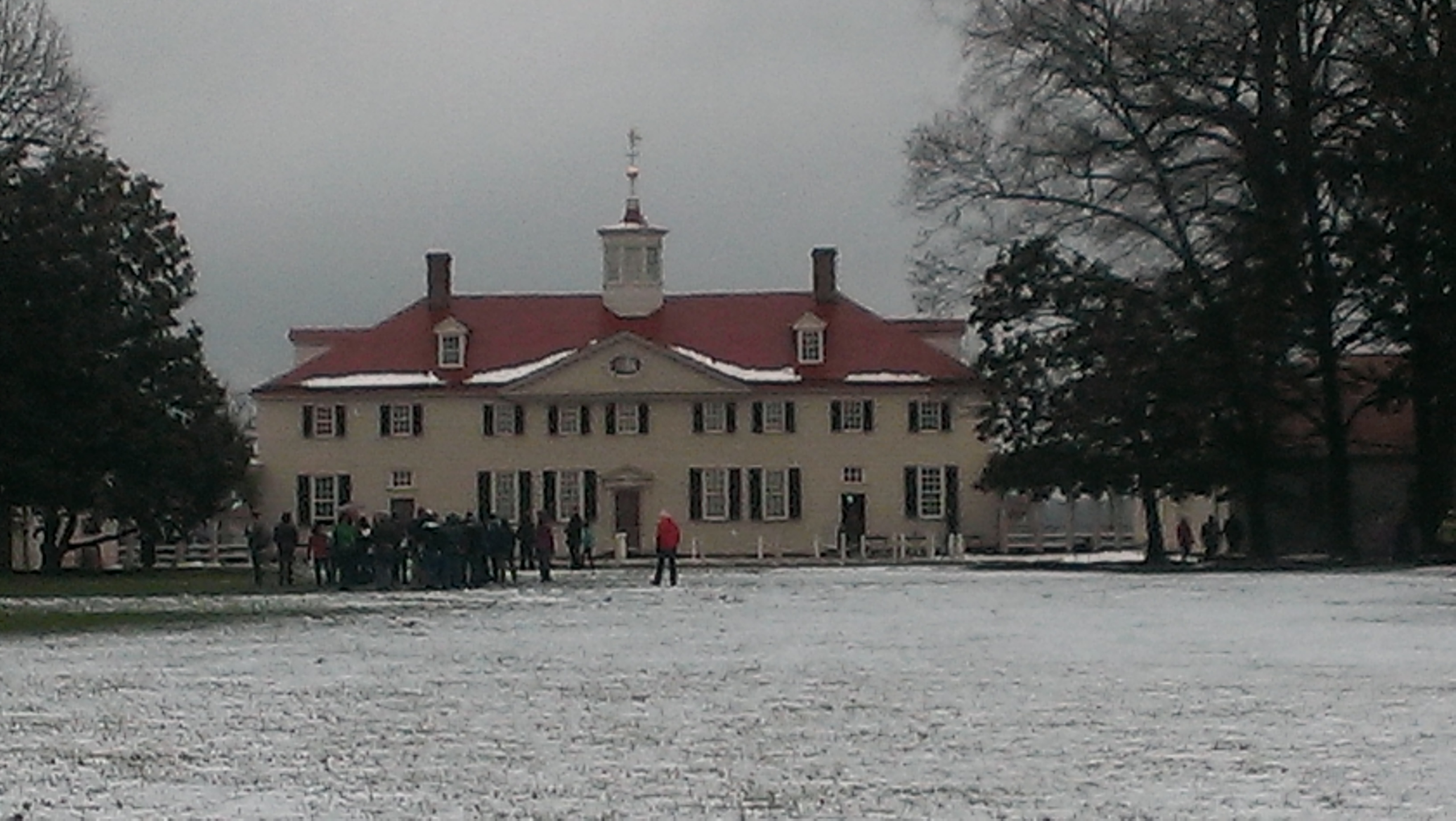
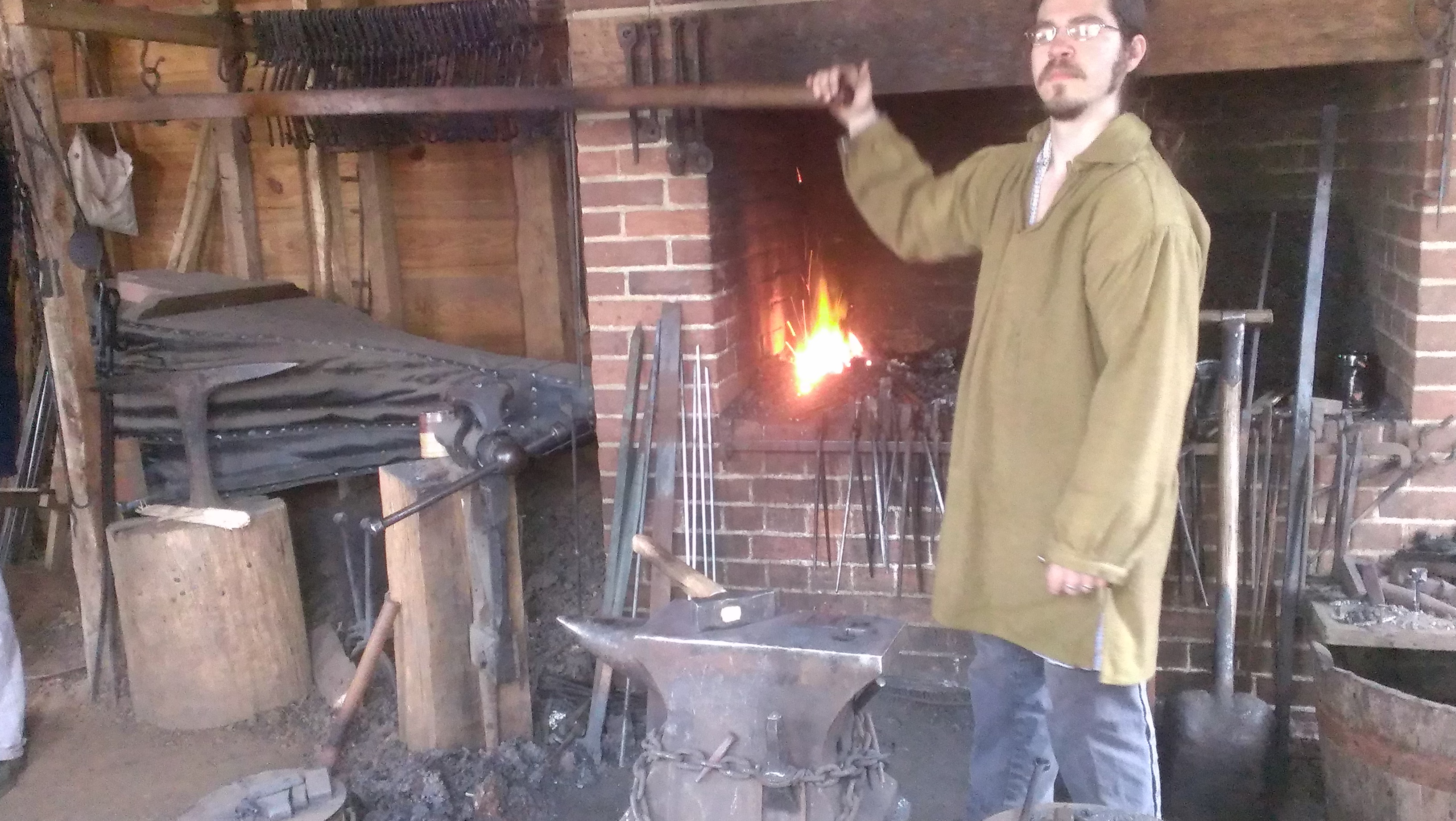
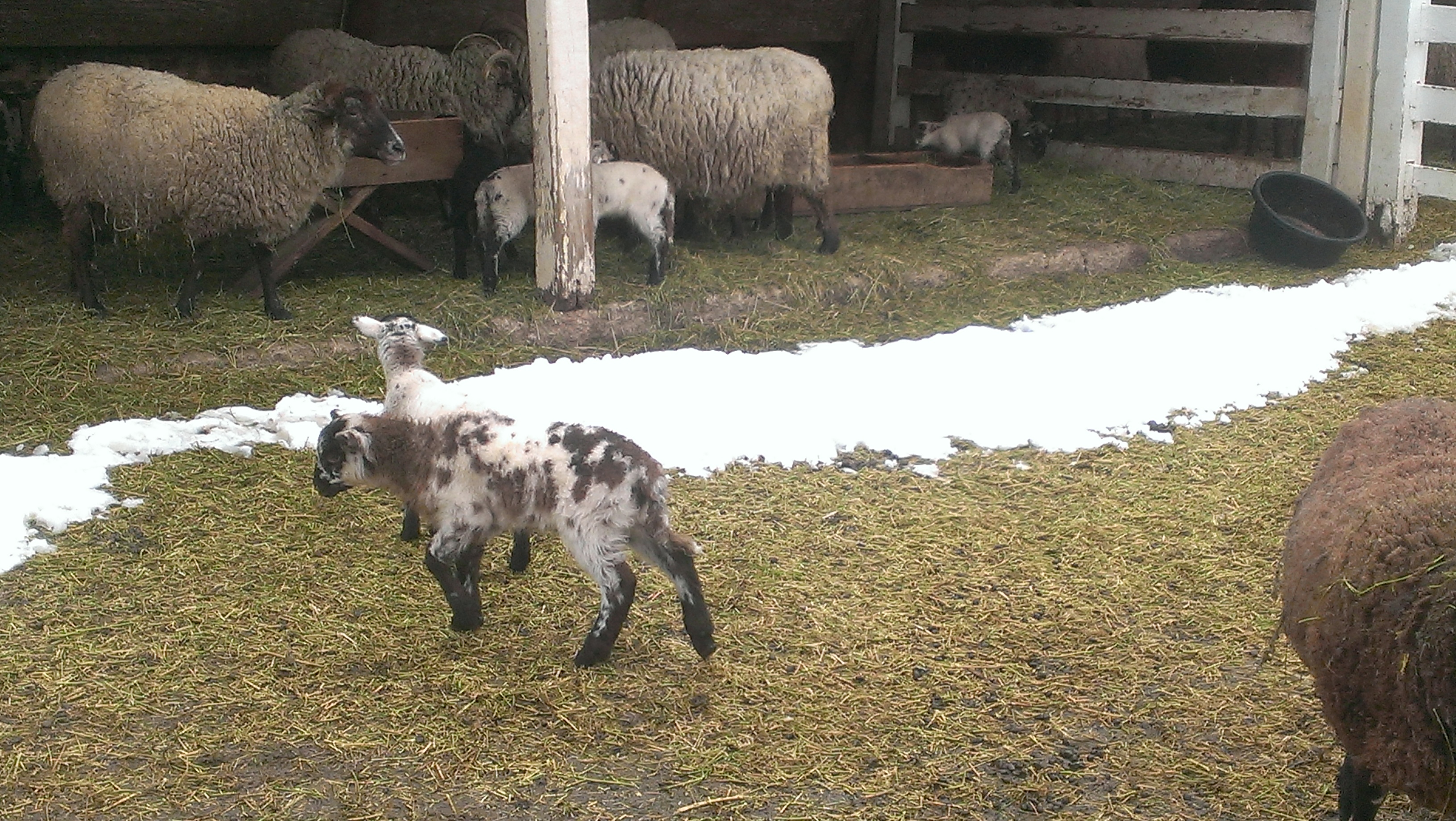
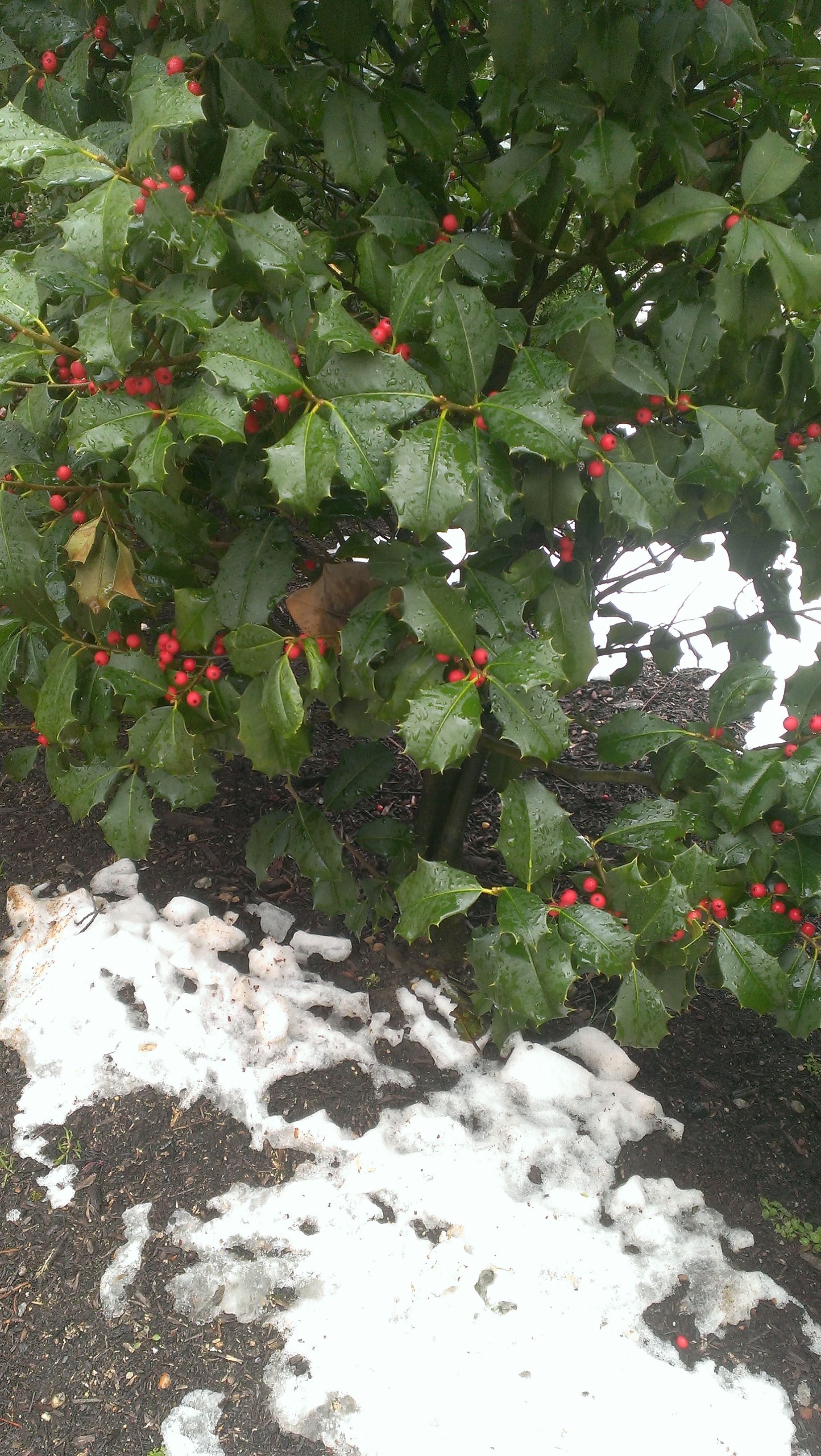
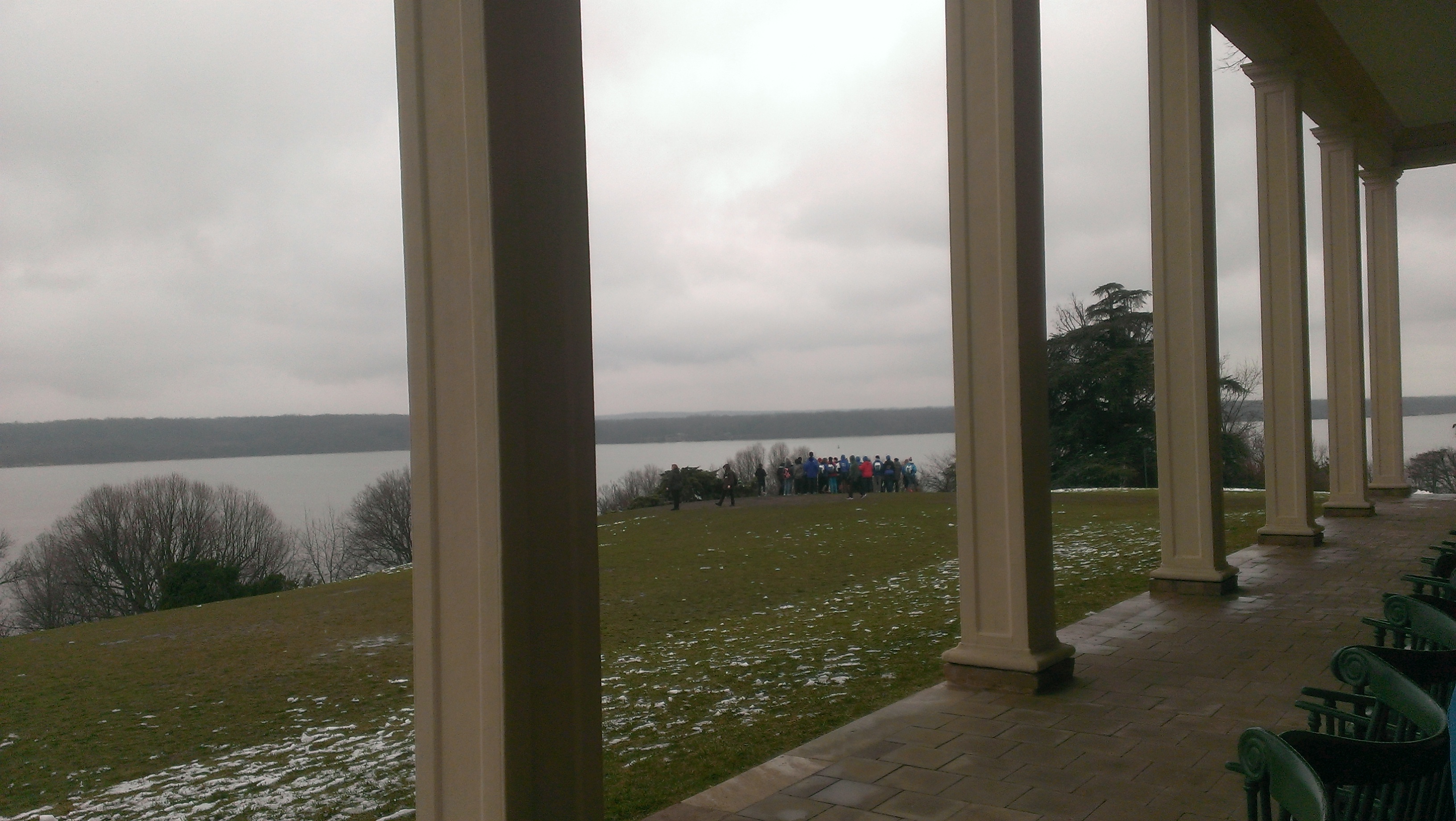
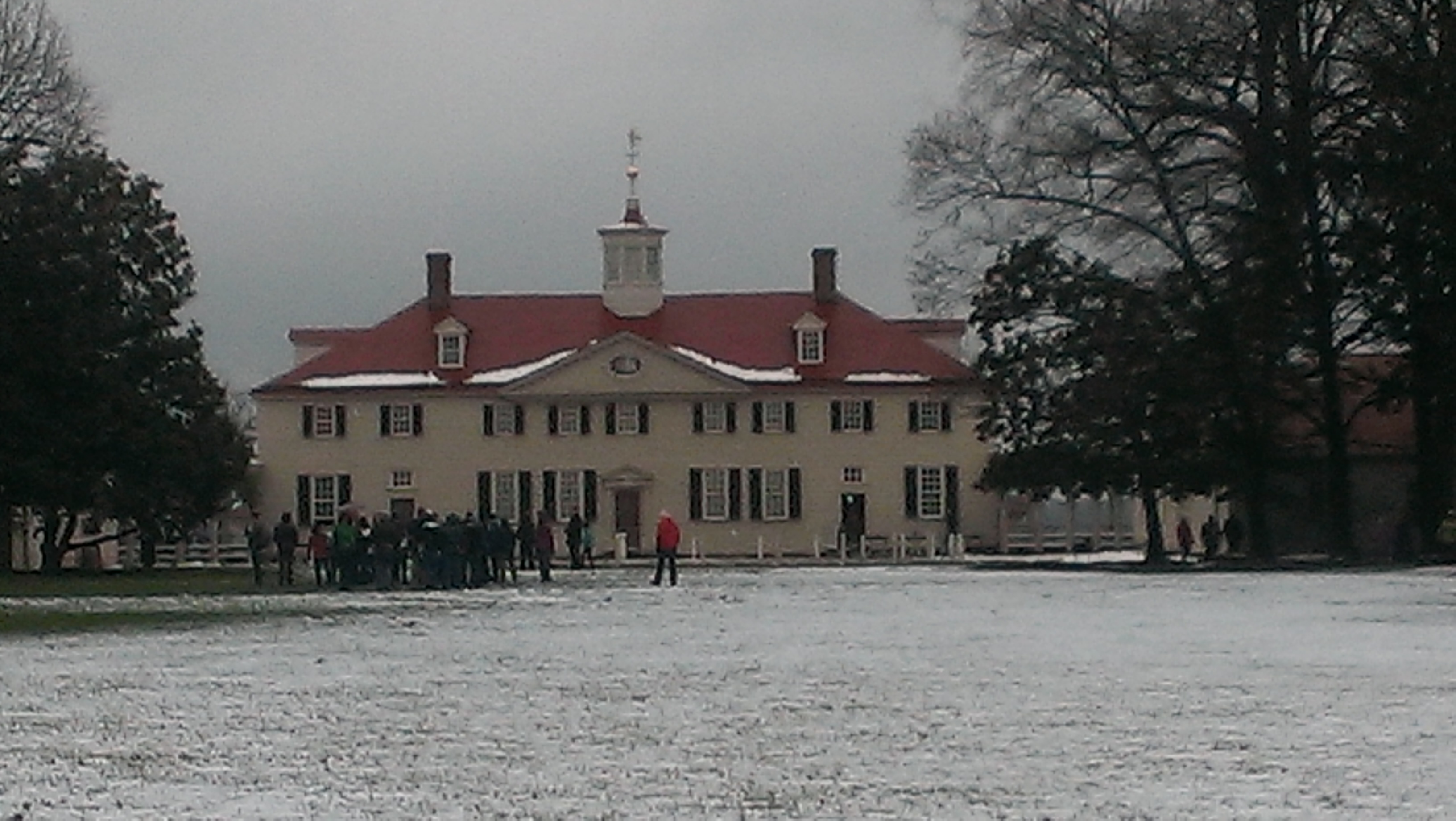
A few pictures from my trip to Mt. Vernon.

Before the pictures though.  Here in Washington and at Mt. Vernon the early history of our nation has a presence on the street, among the documents, in the traditions, and by shaping the forms of architecture from government buildings to residential homes: the brick homes, the limestone greco-roman revival government buildings and monuments and the cobblestone street in Alexandria, Virginia.  The constitution and the declaration of independence lie entombed in the Archives not far from where I write this.

Each place you go some element of our history peeks around the corner, waves. Says, “Psst, want to see some history, kid?”  I remember the same sense when I was on the Capitol, the sleeper train that runs between Chicago and Washington.  Once we got into central Pennsylvania the architecture changed.  We passed places I knew mostly from history books.

Here’s the thing.  I’m a Midwestern guy born, raised and never left.  A heartlander.  This does not feel like my country here on the east coast.  When I think of Minnesota from here, it feels far away, up north and filled with pine trees and lakes.  Which, of course, as most of you know who read this, it is.  Pine trees and lakes are in a large part of the state and they do define our identity as Minnesotans.

This feels like the old world, Europe to our heartland new world.  A place so built up and fought over and crusted up with money and power that it has a different tone entirely from the one at home.

Sure, we’re all subject to the same government and fly the same flag, speak the same language and send our kids off to the same military.  True.  But the east coast, like the south, the West and the Left Coast are different enough to be different countries in Europe or Southeast Asia or Africa.  You know this, I’m sure, but I’m experiencing it right now and it unsettles me in some way.

Here are the pictures.

Ancor Impari

Spring                                                                       Bloodroot Moon

Ah.  Just back from Mt. Vernon.  Learned some things about traveling now.  Now, that is, in the third phase when I’m no longer as resilient as I used to be.

1.  Use a cab or public transportation to a location, then walk back.  Or, the reverse.  Don’t walk both ways, especially on concrete.  (An example this trip would have been the Lincoln Monument.  I could have walked back and seen the Whitehouse and the Willard on the way home.)

2.  If tired, stop.  Rest.  If hungry, eat.  (I have a tendency to want to keep going when I’m moving, wait until meal time if I’ve worked up a hunger.)

3.  When wool gathering about enough this or enough that get out and do something.  Don’t forget 1 & 2.

4. Take at least one vacation a year where the whole point is to relax.  I know this may seem obvious to many of you, perhaps most of you, but I typically have a goal, an intent.  This time, for instance, it was immersion in the pre-Raphaelites and learning about how to work with art post-MIA.  Did it.  But.  I kept needing to turn the hamster wheel one more time.  Stop that!

5.  Vacations are more fun with Kate along. (I knew this one already, but it never hurts to write things down.)


Sightseeing By the Dollar

Spring                                                                 Bloodroot Moon

Whenever I travel, I get performance anxiety.  Weird, huh?  Spending the amount of money required for travel makes me want to get plenty of sightseeing in per dollar. But, how much is enough?

Surely walking past the Willard, the Dept. of Treasury, the Whitehouse and out to the Lincoln Monument, then back is enough.  Isn’t it?  How many hours at the museum or paintings per visit is enough?  Does eating in the cafeteria count?

Now I wouldn’t raise these questions at all if I felt I’d done enough, so  you can tell how I’m doing by my own barometer, but I question my barometer.  At home I work most in the morning, usually a couple of hours in the afternoon after the nap, too.  That seems fine to me.  Most of the time.

(Me wondering about enough.)

On vacation though I get up in the morning around 8, my usual time, wander to some breakfast place, then head off for sightseeing that counts.  However, about 1 pm or so, my everyday nap habit reels me in, back to the hotel.  After a nap it’s the middle of the afternoon and doing much else just doesn’t happen until dinner. Which is the big event, then I’m done, not being a drinker, dancer, night outer type.

Anyhow, it’s a very bourgeoisie problem.  Or, it’s not exactly a problem so much as it a perception of value for the dollar.  How much more Babbity can you get?

Ah, finally I’ve written long enough to get to the nub of it.  After my trips the memories and thoughts enjoined during them always enrich my life. Always.  So, it’s not the sights seen, nor the miles walked that matter.  It’s the quality of the time overall and it has been this time and will be next time, wonderful.   All that thinking on power that I haven’t written about yet.  But I will.

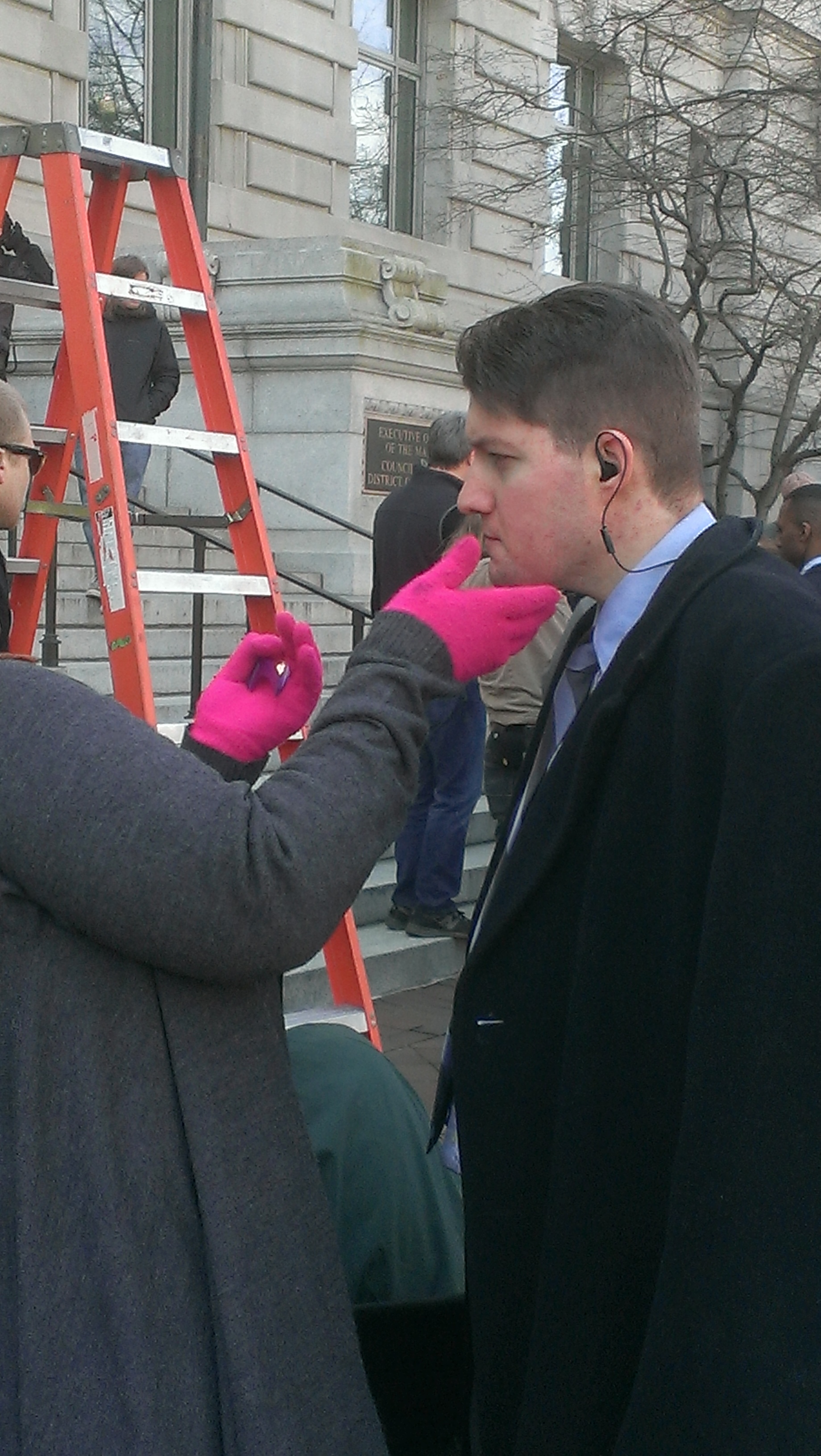
This is a guy, just some guy, in front of the D.C. city hall getting made up for a press conference on the front steps.  A very D.C. moment.


the wall

Spring                                                          Bloodroot Moon

Hit the museum wall today.  No, not neuromuscular, psychic.  Standing, moving from painting to painting, trying to follow the multiple threads in my own inner discourse.  Plus.  Muscle fatigue from yesterday’s long walk, much of it on concrete.

Together, they moved me out of the galleries and onto Constitution Avenue.  Which, I learned yesterday, is a covered canal from an original scheme to move goods throughout the capitol by barge.  The railroad did it in, the canals lost money, a lot of money, and so, they filled them back up.  What Schumpeter would call creative destruction.  Me, just destruction.

(Philipp Otto Runge (1777–1810)

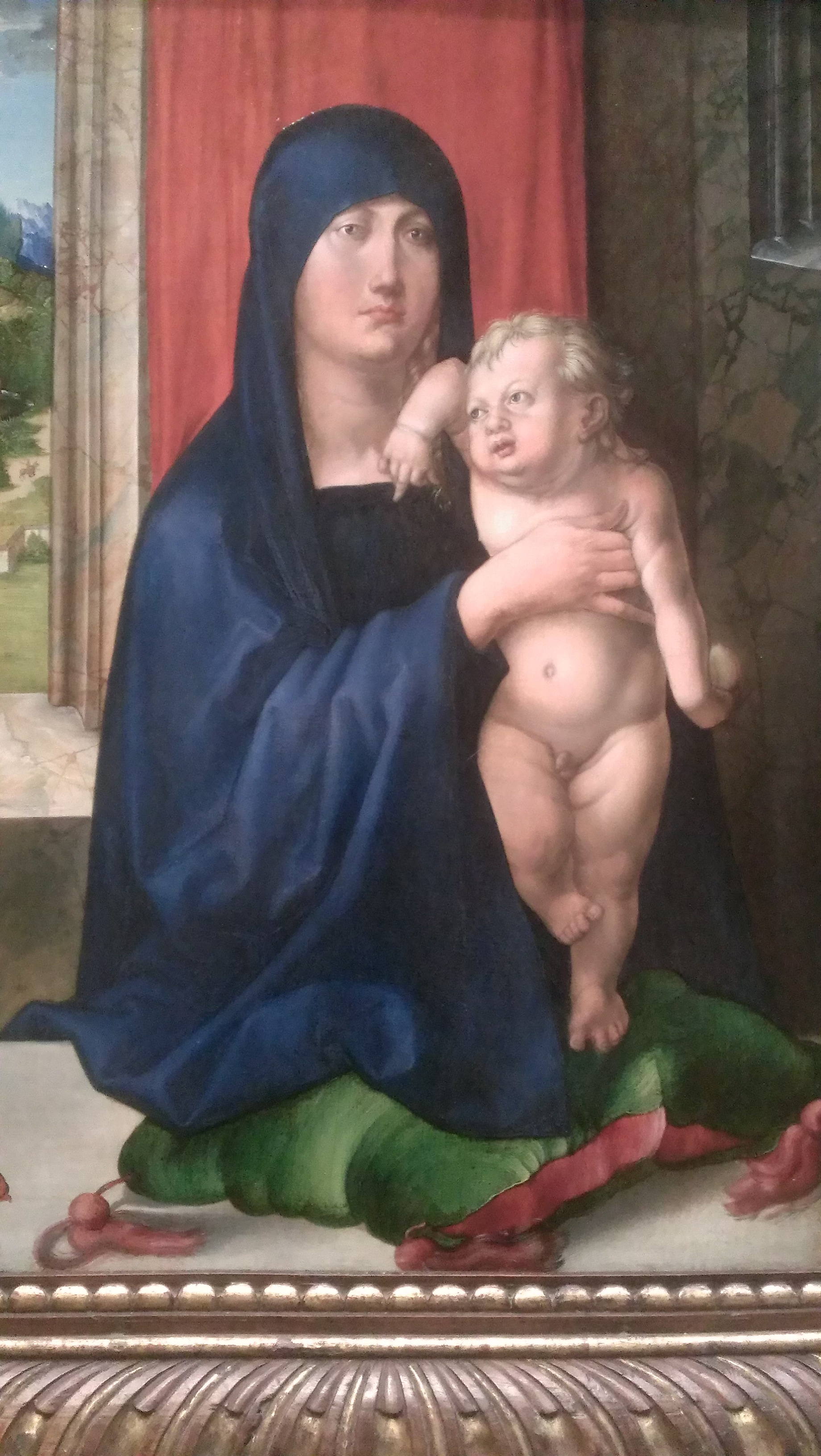
A Durer show opened today, too.  Lots of people.  His work demands such close looking that the crowds made it unfruitful.  I imagine they will calm down in the coming weeks.

In looking back over the questions I wrote down here a few days ago my main interests have popped into clear relief.  I’m interested in the history of ideas from the Renaissance on through today, in particular the Enlightenment, Romanticism, Modernism, Post-Modernity.  Painting styles interact with these broader philosophical and cultural trends, but in complex ways.

As I move forward in my work with art, I plan to make my history of ideas interests a more central part of my art historical research.  Without going into it at any length I find direct correlations between, say, Romanticism, and my project on Reimagining Faith.  That realization can trigger art historical research.  There are, too, issues of economics and politics at play.

(The-Bard-1774-by-Welsh-artist-Thomas-Jones)

This may be why the museum work had begun to move too slowly for me.  It wasn’t addressing a broad enough range of my interests.  It wasn’t the museum; it was me.


All in a Morning’s Jaunt

Spring                                                      Bloodroot Moon

Today is the much nicer day of the next three.  Tomorrow the high will be 46 and windy, Monday 41 with ice and snow. Today it is 53 and sunny. I chose walking over museums today.

Before leaving I ate my first and last breakfast at the hotel.  Their main breakfast is a buffet, served for the  many students staying here.  The coffee was weak and served in tired blue plastic mugs.  Jack Reacher would have scored the coffee very low.  A group of 18 students from Germany didn’t seem to mind the coffee though.

Outside the wind was mild, though the temperature in the morning was in the high 30’s.  I saw people in shirt sleeves but I stuck with my hat, Chilean fjord special muffler and my Ecuadorian coat.  There were a number of people out enjoying the sunshine when I passed the Willard Hotel.

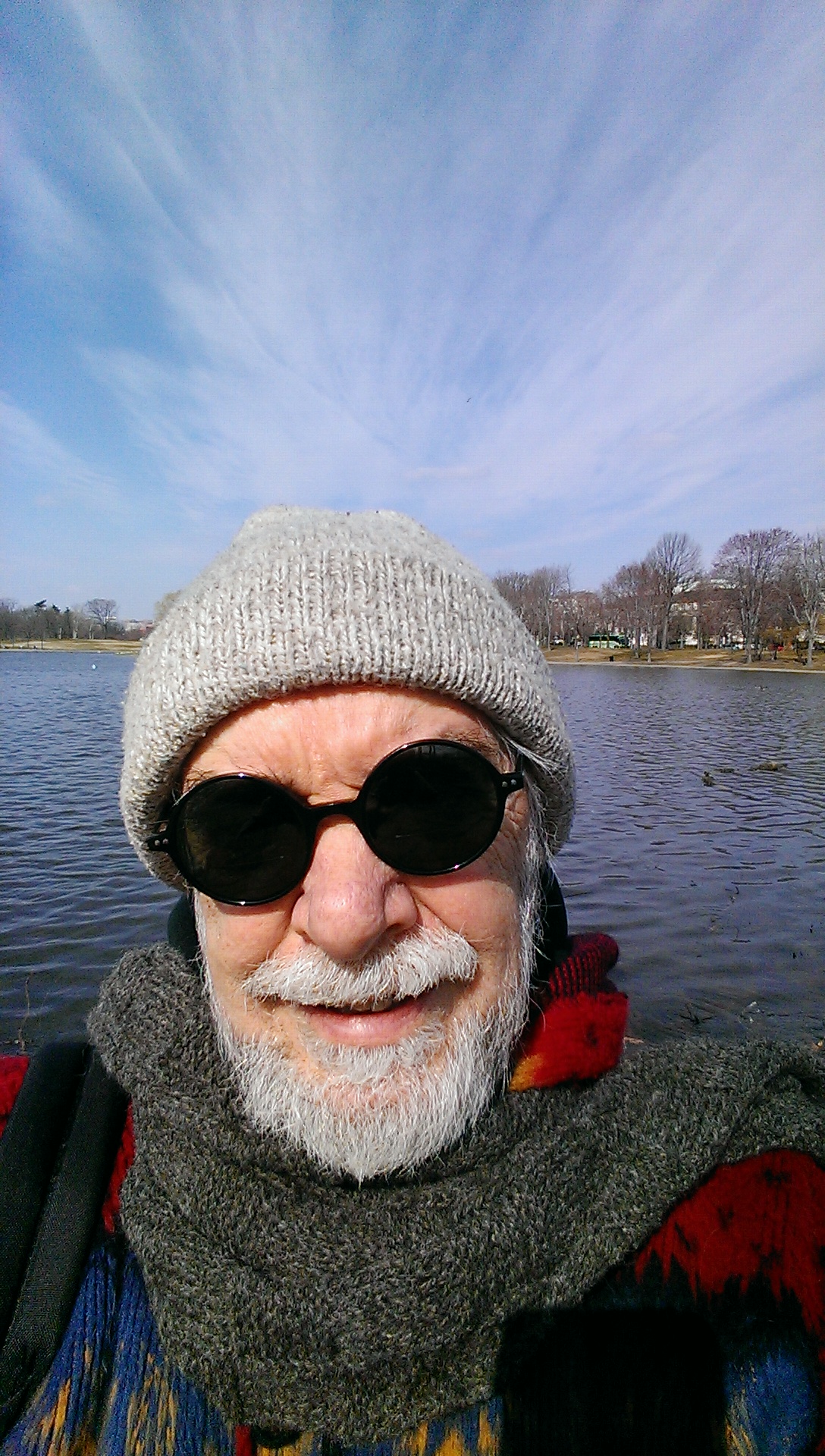
(apparently my Android takes self-portraits.  This one showed up in my pics today.)

Those of you who watched House of Cards would recognize the Willard from the scene where Clean Water held its fund-raiser on the steps, then crossed the streets with trays of food for the striking teachers.  Up close it looks like money and power compressed into architecture.

About a block from the Willard and right next to the Whitehouse–how did I not remember this?–is the department of the Treasury.  Keep the nation’s finances right close by the Oval Office, I guess.

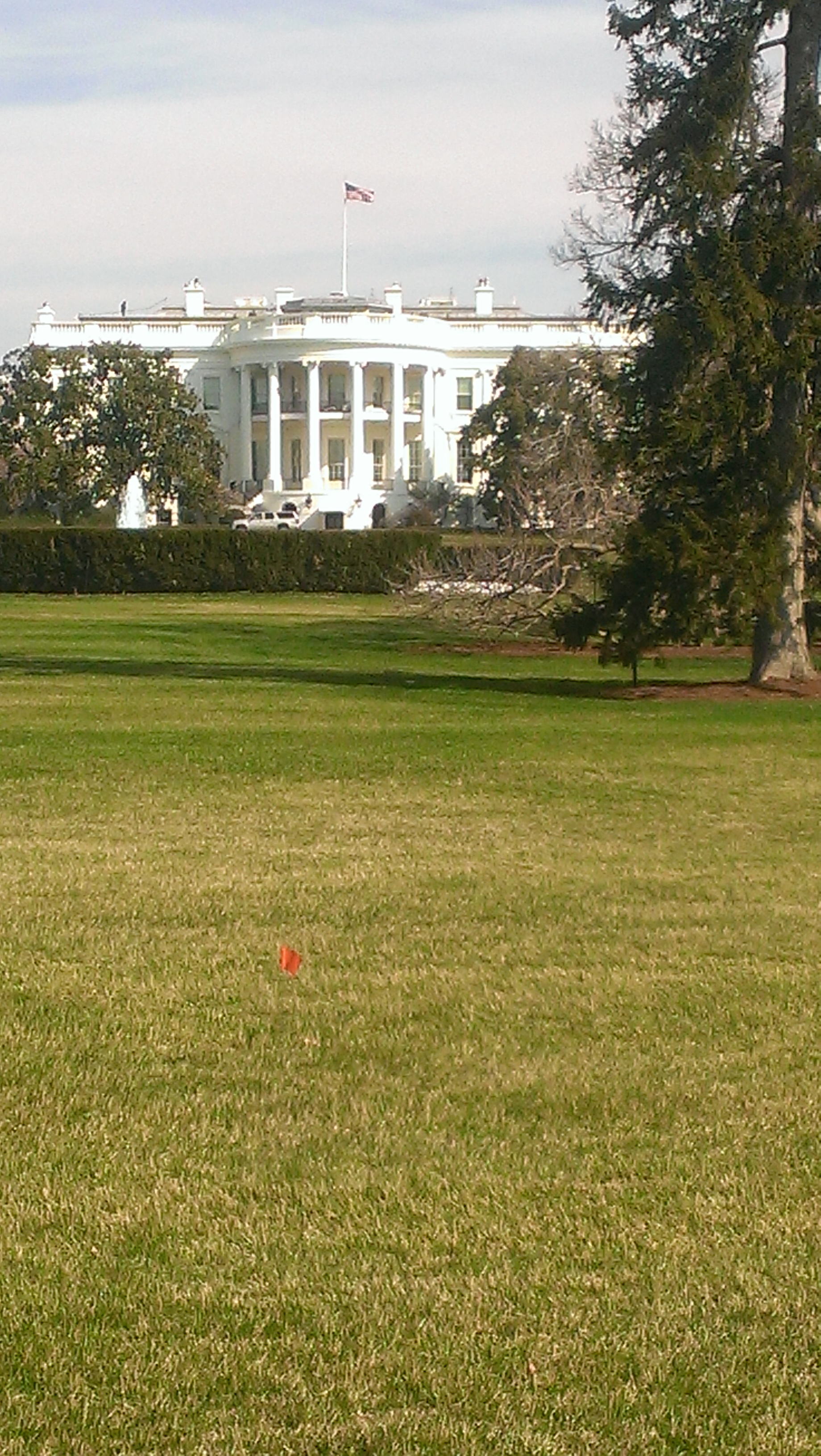
Michelle’s garden is on the south lawn and visible from the fence where we all gathered, gobsmacked by the presence of this icon of politics and American might.  The Whitehouse has been the home of all U.S. presidents except for George Washington though Truman vacated for four years while it got a top to bottom rebuilding.

Onward to the Mall, entering the green west of the still not open Washington Monument.  It’s having repairs and rejiggering of its foundations due to a 2011 5.8 earthquake whose epicenter was in Virginia.

Walking along the reflecting pool on my way to the Lincoln Monument I saw a very large Irish Wolfhound, gray and stately, walking its people, unfortunately too far away to meet.

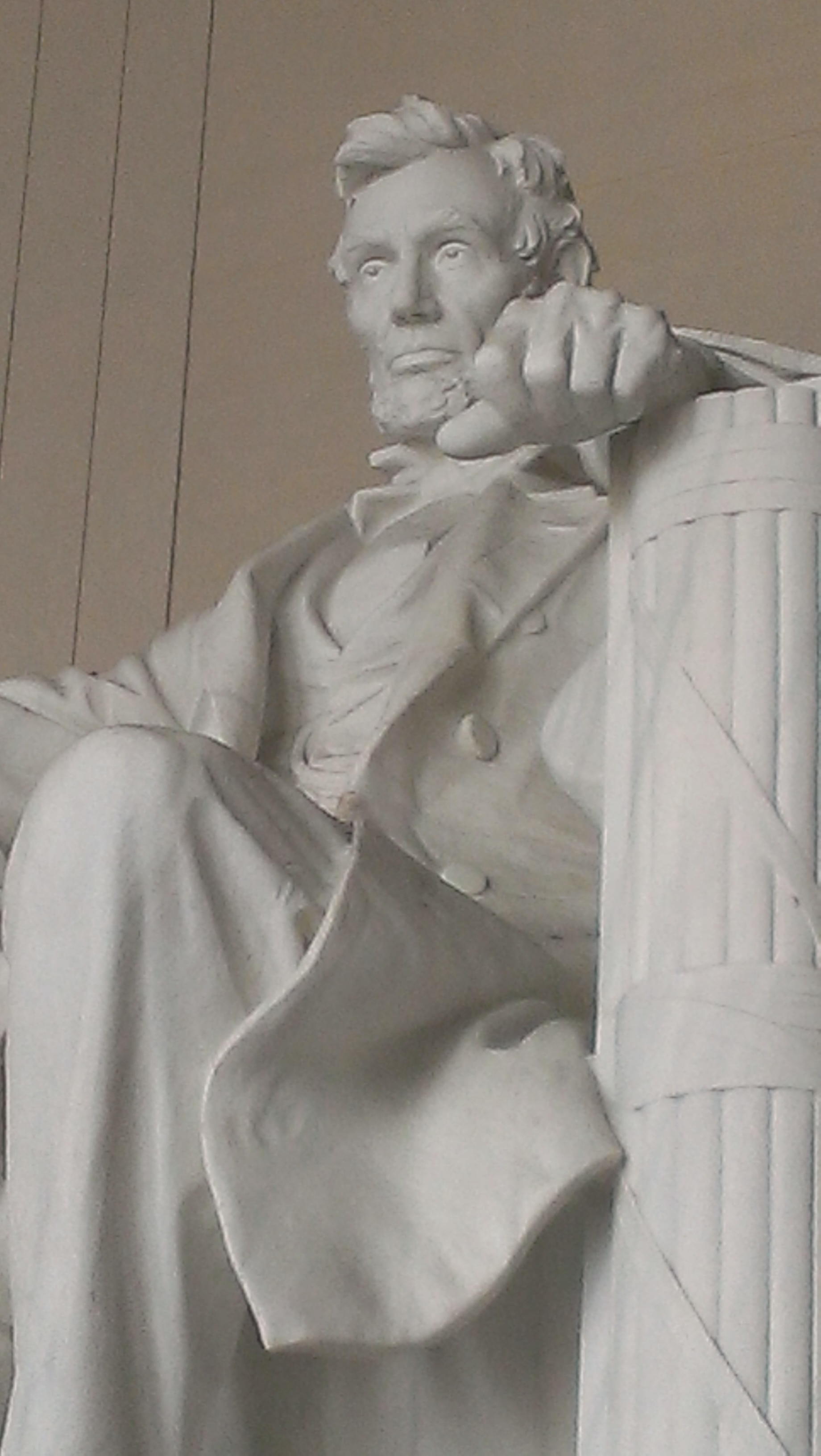
At the monument there were a lot of people though not the crush I’ve  experienced at other times.  This is a moving place as I’m sure you already know.  It is, as it says right over Lincoln’s head, a temple.  Immersed as I am right now in Greek and Roman mythology it’s easy to see the architect and sculptor’s reach back to those ancient worlds for adequate ceremonial features.  He was and is a giant in our history and this haunting building makes that place clear.

A brief thought passed through my head that this was a monument for the ages, then Ozymandias came in its wake and I realized I was a citizen of Rome at Rome’s peak.  London at the height of the British Empire.  Xi’an during the T’ang empire.  Edo during the Tokugawa era.  And the glory of those cities now lies in the past, a memory, not a present fact.  So it will be with Lincoln and Washington, D.C. itself.

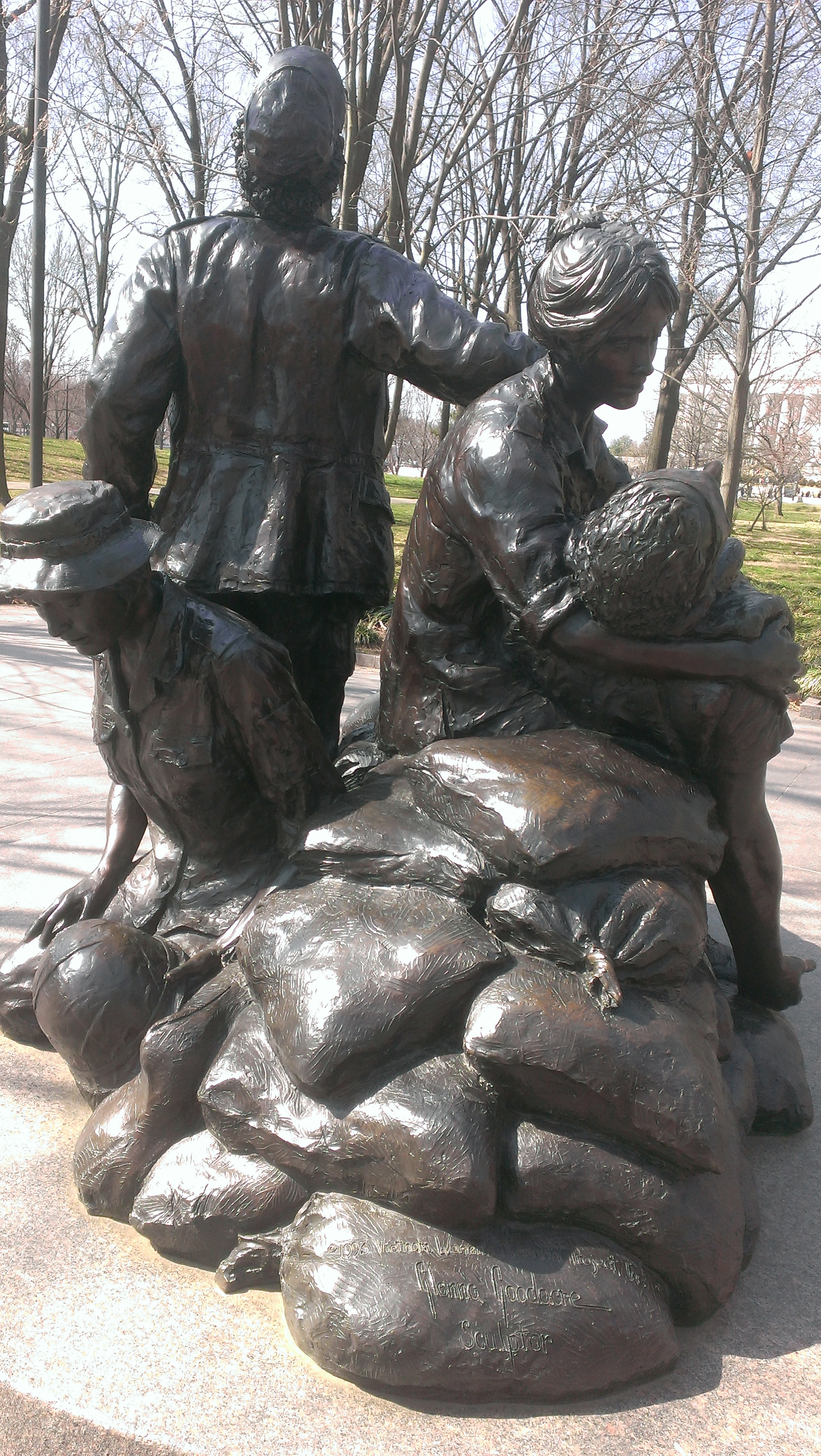
After the Lincoln Monument I went by the additions to the Vietnam Memorial, two statuary groups, one three men, the other three women, and wandered on to come upon what must be the most jingoistic of all our monuments and one built under the reign of George II, George W. Bush.  Nothing against the vets of WWII, among them were both my parents and an uncle, but this monument reeks of American exceptionalism and the projection of US power.  With George W.’s name on it it will forever be linked, as I’m sure he intended, with his misguided efforts in Iraq.

This is an example of the unintended consequences of the use of power.  No one can or should compare the US WWII effort, the last ‘good’ war’, with the ill-advised and deceitfully sold war against the Iraqi people.  This monument will itself stand as stone and metal irony on just this point.

In case, though, all these monumental treatments of liberty and freedom seem ill-advised, I found this on the back of a truck parked on the corner of Constitution and 15th, just two blocks from the Whitehouse.  There is always someone who would take freedoms away.

By the time I trudged my way back–I figure 4 to 5 miles round trip–this guy had exhausted himself.  A lunch at the Elephant and Castle then a long nap.  Woke up refreshed and ready to go back to the PRB show tomorrow.
Taking Advantage of Good Weather

Spring                                                 Bloodroot Moon

Of the next three days here in DC today will have middlin temps and modest winds.  That means today is a good day to walk past the Whitehouse, out onto the mall and onward to the Lincoln Memorial.  I haven’t been there in a long time.

In my focus on the pre-Raphaelites and my upcoming shift away from the MIA I forgot I was coming to DC.  Oh, I’d thought about going to the Supreme Court and/or the Library of Congress, yes, but only vaguely.

When I got here, I saw the Capitol building from afar.  Oh.  That Washington, D.C.  This is the nation’s capitol, the historic and present locus of US power.  And I haven’t been here for any length of time in a long while, since our family honeymoon back in 92 or 93.

In Penn Quarter, the name some urban planner cum tourism official has given the neighborhood of the Harrington Hotel, there is quite a bit of history within 2 or three blocks.  2 blocks away is the Ford Theatre.  Up another couple of blocks is the National Portrait Gallery.  In the other direction is the Old Post Office and the Navy Heritage Center.  3 blocks west is the Whitehouse.

The revolutionary era is a time period on which I’m weak, having spent my US history reading largely on the Civil War, the West and the period of the Transcendentalists. As a result the early history of D.C. is fuzzy for me. Someday I hope Kate and I can do a driving tour of Revolutionary War sites and, at the same time, visit the Hudson River school of artists along their namesake river.


Looking at art pre-Raphael

Spring                                                                       Bloodroot Moon

After I had lunch in the Cafe Britannia, a theme cafeteria featuring British food, I decided rather than go back through the pre-Raphaelite show today, I would go to the early Italian painting, pre-Renaissance, and follow through to Raphael, see as much as I could that was, in fact, pre-Raphael.

It was worthwhile but first let me tell you a problem with this approach. In the National Gallery there are many fine pre-Raphael paintings, including works by Fra Lippi, Fra Angelico, Botticelli and DaVinci.  The PRB, at least in their formative years, did not travel to Italy, nor were there many good examples of pre-Raphael paintings in England.]

There were a few, but not the profusion you find even here in Washington.  Instead much of their influence came through prints and drawings, the effect being especially strong in the PRB line and, I think, in their closely observed plant life.

Having said that, I was struck by the correlation between many of the fine pre-Raphael paintings, especially of the High Renaissance, that did suggest the direction taken by the PRB.  Bright colors, realism, religious and mythic subject matter.  All there.

Did the later centuries give way to sfumato (a smoky, shadowy look) as the PRB contended?  Yes, in many ways they did, but not in all.

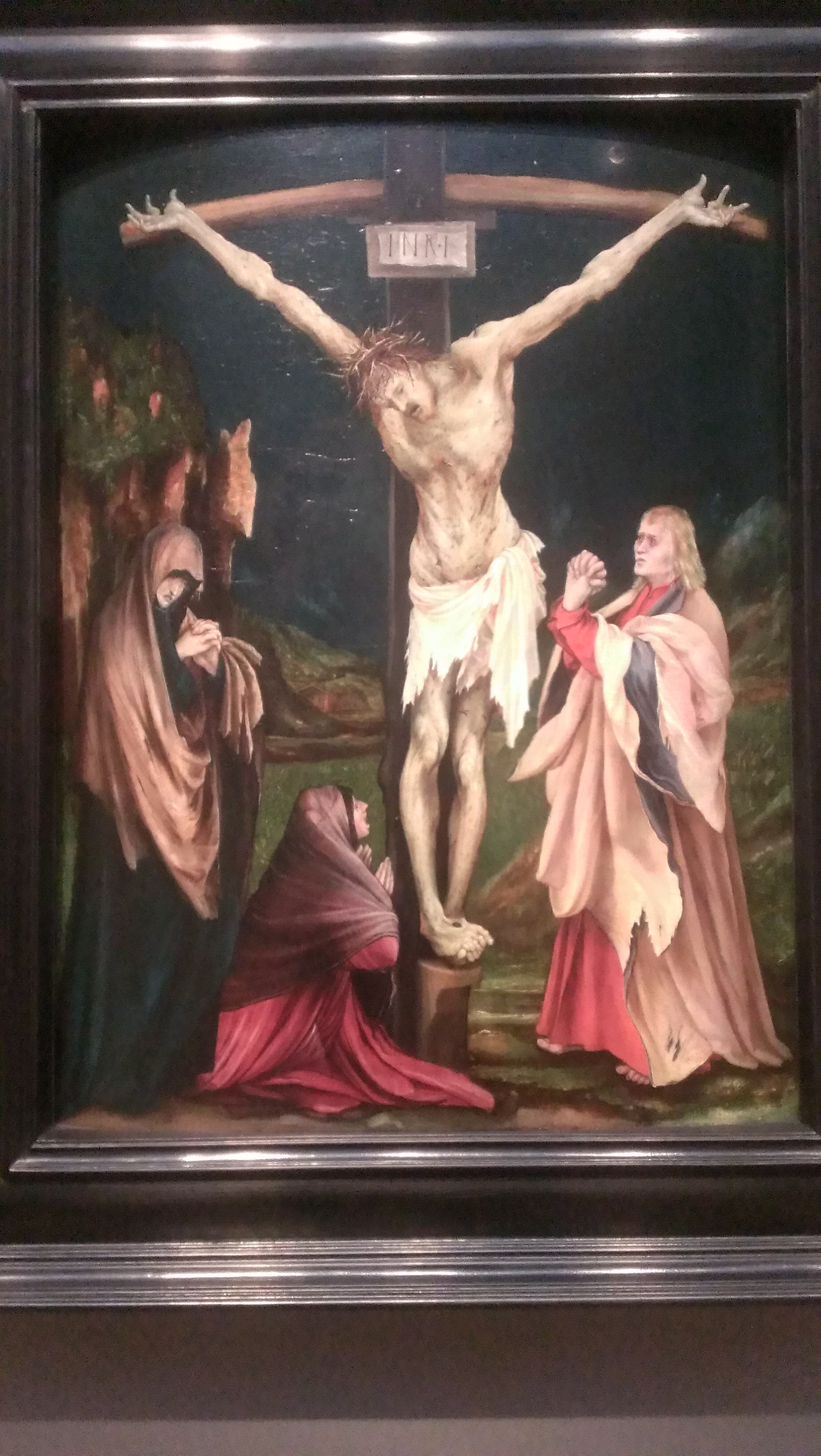
Here’s a Grunewald, for example: 


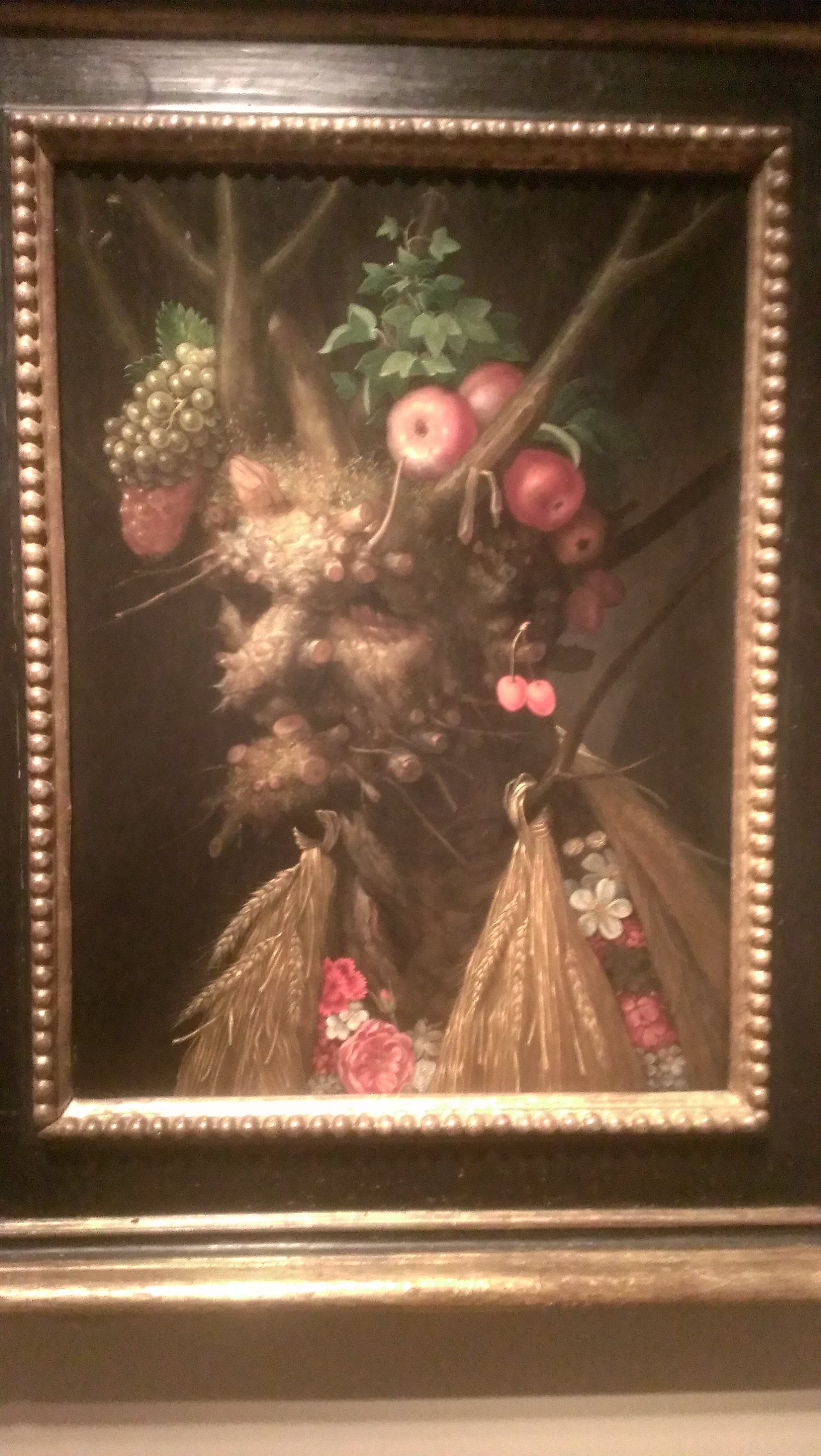
And he’s not the only one working in intense, even tortured realism or fantasy created through realism like the Arcimboldo I posted earlier for Kate.  Bosch is another.

On the whole though I did agree with the critique of the PRB, that painting had gotten murkier.  Now there’s a whole raft of perfectly good Baroque and Mannerists works by no less artists than Rembrandt and El Greco.  But when you’re trolling for missed opportunities you don’t find the excellence in the past you seek its defects.

I’m glad the PRB did.  We now have the wonderful works between Raphael and their revolution and the works of these radicals, bright and interesting, real, present.  Not long after the PRB had run its course, maybe the turn of the century or just after, the  Nabi, the Fauves, the expressionists and the post-impressionists came onto gallery walls followed not long after by modernism in all its mutations starting with abstraction and abstract expressionism.  It’s been a wild, wild ride since then and one that’s not over, not even now in the next millennium.

The Contenda

Spring                                                       Bloodroot Moon

First day, tired.  Ate.  Walked.  Got too chilly.  25 mph winds and 37 degree temps.  Came back to the Harrington after getting a sight of the US Capitol, white and domed at the far end of Pennsylvania Avenue.

When I began to scout D.C. on the web, I got on a Washington Post website that featured restaurant critiques.  It wasn’t the restaurants that caught my eye though, it was a helpful graphic the Post staff had created to help you find “the homicides in your neighborhood.”

That night I didn’t click through since I didn’t have a neighborhood, so imagine my surprise as I sat in Harriet’s, the Harrington’s restaurant and saw, on the now cliched plasma screen, “Murder by the Whitehouse.”  Sure enough, within two blocks of the restaurant and hotel somebody had shot a football player and killed him.

The Whitehouse is only a hop, skip and a drive-by from here.

Whitehouse, in fact, is the Harrington’s passcode for its wi-fi.  A  natural.

Too weary to do sight-seeing with a wind-chill I went back to my quiet room, wondering what was happening on floors 2 thru 9, and flicked through the channels, reconfirming our decision to cancel our Comcast TV.

But.  I did find a middle weight boxing match, a world championship in the WBA between Macklin, the contenda, and Felix Sturm, the champ. I haven’t watched boxing since they were sponsored by Gillette Razors and that was in the fifties, but I watched this one.

No knock-out punches, but a lot of gamy attacking by the contenda and a lot of backing up by the champ.  There was blood, some.  Shots of faces crushed by left and right hand jabs.  Uppercuts.  The occasional clinch, but mostly strategic holding up of gloves followed by flurries of punches.  Boxing seems almost quaint with mixed martial arts, Ultimate Fighting, now enjoying popularity.

The bout had a Hemingwayesque aura, perhaps a bit of the 1940’s.    The referees were all Latino one from the U.S., one from Puerto Rico and one from Spain.  They went with the German though the Irishman, Macklin, could have won it, too.  At least that’s what the announcer said.

It was Hemingway and contestants bloodying each other up and the Spanish referee that led me to bull fighting.  There is, in both boxing and bull-fighting, a suspicion that you shouldn’t really be watching.  Two adults pounding each other with their fists?  A whole raft of folks against one bull whose only way to leave the contest is dead? (Yes, there are the rare exceptions where the crowd saves the bull, but most of the time the bull dies.)

This wasn’t the I planned my first evening of this pre-Raphaelite immersion, but there you are anyhow.