The nearly full moon lit up the snow outside our bedroom last night. Soothing, gentle. This one presides over the longest nights of the year.
Two of our females had imaging work yesterday. Rigel got an x-ray, looking again for cancer since she has continued to lose weight in spite of therapy for chronic hepatitis. She’s eight, old for a dog of her size. Her condition, whatever it is, caused me to roll back through the death of many of our dogs just before sleep. Sad. Grief is the price we pay for love.
Kate had a makeup c.t. scan since the one she had last week was not done according to protocols for pulmonary embolisms. It required a contrast dye. Like the first, no contrast scan, this one showed nothing new, nothing menacing. Dr. Gidday now wants her to do a stress test, checking for possible heart issues. Don’t know when that will be.
She also has an appointment in late January with an orthopedic surgeon to discuss her painful shoulders, investigating possible shoulder replacements. She takes all this with a calm spirit, not bringing doom into the present, rather waiting for information. Her quick intelligence and vast medical knowledge could make it otherwise. An impressive woman, my Kate.
Ruth’s tonsillectomy seems to be loosening its grip. On day 6 or so the scabs fall off as healing progresses. This can be, and was for her, painful. Yesterday evening though she texted that she’s ready for empanadas. A great sign.
We have a cookbook, Twelve Months of Monastery Soups, and I’ve been making soups out of it that Kate thinks sound good. She has a favorite, vermicelli soup, a vegetable soup with noodles. I made some for her last night.
I’ve decided to give Hebrew this month. I’ll work on it everyday and see if I can get myself back to a place where it’s at least enjoyable. Right now, it isn’t. If I can’t get there in a month, I’m gonna drop it. Banging my head against this particular wall isn’t worth it unless I enjoy it.
Full day yesterday. Up at 4:45 though Kep had nudged Kate awake earlier and she’d already fed the dogs. Wrote, ate breakfast, came back to the loft and filed all my open tabs in Evernote. That took a while since I’m still fiddling with Firefox Quantum, too, changing zoom levels, color preferences, customizing the tool bar. Got to the new workout from On the Move Fitness about 9:30. Finished, after icing my knee, at 11:00.
After dressing and collecting the keys, I headed out for emissions testing and picking up my Rigel bitten hearing aid. The first emission’s place, Mountain Emissions, only did diesel emissions, not clear from their facebook page, and was closed. So, onto to the place I used three years ago after transferring plates and title to Colorado. While on the way there a thought occurred to me, how did it take so long to catch the VW folks software scam? I mean, the vehicle puts out emissions from the tail pipe. They’re measured in emissions testing. WTF?
So I asked the technician. Turns out the specific tests at drive through testing facilities like the one I visited yesterday use a very specific algorithm, putting the car on rollers and then simulating different traffic conditions. The VW scam depended on the very specific, and standard, testing algorithm. They taught their cars to blow clean during the exact kind of testing done at state and county testing facilities.
The same technician, a loyal employee of his contracted emissions testing employer, said his company caught the cheaters at roadside testing. Not sure exactly who caught it though the suspicions were aroused in California. In roadside testing, IRL rather than in a calibrated testing facility, the tests were not predictable and some diesels began to fail. An odd, odd circumstance. Makes me wonder how much similar mendacity there is in the corporate world.
The Rav4 passed, by the way.
After the emissions testing, it was over to Hearing Rehab Associates to pick up my repaired hearing aid. I’ve been without it a week. Thanks, Rigel. Closed for lunch. So, I went across the street to a sushi place and had ramen plus salmon sashimi.
Picked up my now undented hearing aid. It looked shiny and new. When I put it in my ear, its sound quality was better thanks to a new speaker and a new microphone. On the way back to the mountains, all this was in Littleton, a southern burb, gas for the car at Valero.
Nap-ish. Kate made a pasta dish with chard, yummy, for the Beth Evergreen potluck. A Hanukkah shabbat service. We all brought our family menorahs with four candles, put them on one table and lit them. Rabbi Jamie lit the much larger Synagogue menorah. We sang songs, including dreidel, dreidel, dreidel, I made it out of clay and others unfamiliar to me. There were tables in the sanctuary and we ate the meal there.
Wednesday, adult Hebrew at 4:30 with Rabbi Jamie. Then, kabbalah at 7 p.m. Thursday. Mussar at 1 pm. Then mussar leadership group at 6:30 p.m. Result? Both nights up past my bedtime and an 8 a.m. rising this morning. Oooffdah, as we would have said back in the land of the frozen mustache.
I’m in a graduate program in Jewish studies by immersion. The learning is constant and interesting. Beth Evergreen has made me a better person, calmer and even more introspective.
Judaism is humane and that aspect of it appeals to me. A lot. Example. Rich Levine, the lawyer who did our estate documents, attended the MVP meeting last night. He had, he said, with his brother just unveiled his father’s gravestone. Is this a common custom, I asked? Yes, he said, most if not all Jews follow it. A loved one is buried, then not more than a year later, a gravestone is erected. The wait considers a journey the deceased needs to make that can last as long as a year. But, Rich said, you don’t want to make them think that you think it would take them a whole year, so usually the gravestone goes up somewhere between 10 and 11 months after burial. Much less fraught then.
This morning I had to retrieve parts of my hearing aid, (my $3,200 aid) from Rigel’s depredations. Aaarrggh. Hippety hop to the hearing aid shop in Littleton. Still under warranty, so a shot at repair first; and, if repair’s not possible, then a loss and damage claim for a new hearing aid with a $250 deductible. About a week or so.
My sweetie took me out to lunch at Okinawa Sushi to soothe me. Rigel also ate the mustache trimmer I had received and unboxed only an hour before. So, double aarrggh. We may have to consider where we deposit things. It’s possible Rigel is a neat freak advocating for a clutter free home.
Today is now officially a rest day. No working out. No writing. Just naps and replacing ruined items. Tomorrow there’s a service at Beth Evergreen focused on sexual harassment. Kate and I will be there.
Finished chapter 1 in the Hebrew text, about half way through chapter 2. My plan is to keep working on the chapters until I’ve finished. The Hebrew class itself is a bit chaotic, lots of great information, but they’re teaching Aleph and Bet, beginners and next level, together. I’m out to sea at least part of the time. OK. Most of the time. Still, I can now recognize shabbat in Hebrew and pronounce five letters. Slooooowwww. Next class with Joann Greenberg at 4:30. Two weeks ago Bill and Tom were here for the class.
Nut, similar to this
We hung some art in the guest room. Two batik pieces that Mary brought us from
Bali and an image on papyrus of Nut that I bought on the sidewalk outside the British Museum. Kate’s thinking a gray blue for the guest room. She’s beginning to get her interior designer on.
More Jennie’s Dead. Last two scenes were in Selma, Alabama and Denver. High intensity cardio yesterday, slow and long today. New workout tomorrow.
Centurylink comes today to install our new 60 Mbps service. This one requires some work between the box and the house, then a new modem, plus some inside changes at the jack, too. Faster is better and it’s much stronger wifi. That’s good because I bought the grandkids a tv for Hanukkah and it will get its reception with a Roku stick inserted into its USB port.
Kate and I have begun an ongoing effort to help her manage the fatigue which Sjogren’s, rheumatoid arthritis, sarcopenia and reduced available oxygen cause her. We have to be smarter about what mix of activities she does and what ones I do, yet we can’t set up a situation where she becomes housebound. Not good. A delicate balance. Right now we’re looking at the week ahead and trying to imagine how the week will challenge her, then planning for that. A transition to a new phase of life for us.
Trying out another browser, Firefox Quantum. Changing browsers is a hassle, but the benefits of Quantum seem considerable. Right now I’m still on Chrome, but I plan to complete the transition today. I’ll let you know how the transition goes-for those who might care.
Spitting snow this morning, colder. 26. Heading into a cooler week, but then again, it is November 28th. A La Nina year.
Finally back at Jennie’s Dead. Again. Been bumpy. Holidays and “getting stuff done before winter sets in.” This latter is a holdover from 40 years in Minnesota. It’s a now thoroughly ingrained instinct inculcated by years of gardening, bee-keeping and brutal winters with little let up in the cold. Then, too, there’s Hebrew, kabbalah, the Evergreen Forum, ancientrails, all demanding in their own way. A good way.
Set a time on Thursday to get a new workout. The old one has grown stale, but it brought me to a new level of fitness, one I can feel in day to day activities. Exercise kicks in endorphins for a right now feel good, but it’s most important role is health maintenance. Sarcopenia, the slow decrease in muscle mass that begins in our 40’s, accelerates in our 70’s. You know, opening jars, lifting boxes, pushing a snow shovel, cleaning up the garage, carrying in groceries, all those everyday uses of our body become harder and harder.
In a nod to this change in both Kate and me, for example, I’ve put blue masking tape on all of our round door knobs because our grip strength is less. Arthritis in the thumbs and fingers can make turning the knobs painful. The tape is a temporary fix, a workaround, eventually we’ll have press down door handles installed. Sarcopenia is a bitch.
Exercise is a way to push back against these changes. It doesn’t solve them, but it helps. The cardio work maintains the pump that literally keeps us alive, helps it respond to crisis modes without giving up. Been at it so long it’s just part of my day.
Restrung the lights out front trying to get even spacing between the two strands, but my skills don’t seem up to the task. However, I did not allow the best to be enemy of the good. They’re up and I like’m. Just the way they are.
Destinations with Ruth (planetarium in Boulder and Sweet Cow, an ice cream place in Denver) The Rav4’s purpose.
Into Stevinson Toyota yesterday for a Rav4 oil change. Stevinson’s West on the western edge of Denver. The big yellow signs with their dire steep inclines, tight curves warnings go past me now unremarked, except for the occasional realization that I’ve acclimated to mountain driving some while ago.
Stevinson is about 35 minutes away, but the Toyota approach to service appeals to me enough to make the trek. They do what needs to be done to keep the vehicle in good shape. That’s what I want. And, it works. The next oil change will be at the 100,100 mark. Can’t say I like the Rav4, but it gets us from point A to point B, even in winter in the mountains. I do sense an electric car in our future.
Kate, Ruth and Ruth’s bff, Wilson
Family business meeting at Brooks Tavern over lunch. We’re still absorbing some financial strain from Jon’s time with us, so the budget’s a little tight, but that won’t last forever.
Kate’s doing well with the substantial burden Sjogren’s places on her daily. Though the dryness that is Sjogren’s signature symptom, especially mouth, throat, eyes, is definitely bothersome, the most difficulty for her comes from fatigue. It makes her self-defining upper middle class get’r done energizer bunny approach to life just not possible anymore, except for short periods of time. That imposes a psychological burden that is worse, I think, than the fatigue itself.
Finished the installation of the weather station. It looks great, to my eye, on the loft’s deck. I’ve reacquainted myself with some of the buttons and whiz bangs of the console, but it will require some rtfm to get back to facile with them. The internet connection might be harder because I purchased the link for it back when Vista was the most recent Microsoft OS. We’ll see.
Been trying to get Boiler Medics, the guy who installed our new boiler, out for a seasonal check of the system. Something’s happening there because they’ve ghosted me for the last few days. This behavior is the mountain way for tradespeople in our stretch of the Front Range; it’s frustrating.
Get my new workout today from On the Move Fitness. I’m enjoying getting a new workout every 6 weeks or so. It’s easy to get in a rut with fitness and Deb, owner of OMF with her husband Dave, seems to have a good grasp of my needs. The workouts she devises challenge me, but are not onerous. Lower back pain and my left shoulder pain have largely disappeared thanks to them. Not to mention that knee. I can now get up from a chair using only my legs, an accomplishment that seems small unless you’ve spent a good deal of time unable to do it.
We had a soaking, all day rain yesterday. Very humid east, not so much arid west. Temperatures were cool during the day and down to 35 degrees last night. After a busy week, having Saturday as a quiet day was good.
The now not as new work schedule has taken hold, at least the before lunch part: Ancientrails, Jennie’s Dead, breakfast, news and e-mails, workout, lunch, nap. The after nap portion, which was to be Latin and reading until 5:00 or so, has still not solidified.
Any schedule has its rhythm broken by errands, medical appointments, maintenance matters like oil changes for the Rav4, scheduling folks to handle things like boiler inspections, circuit breaker fixes, but over time I’ve learned that simply returning to the pattern usually keeps me moving me forward.
That’s especially important for workouts, which are easy to forego. On Mondays, Wednesdays and Fridays, I do 20 minutes of cardio, then resistance work, then 20 more minutes of cardio. On Tuesdays, Thursdays and Saturdays, I do the high intensity cardio plus 50 minutes or so slower cardio. If I miss a Monday, I go on to the high intensity, slow cardio day. If I miss a Monday and a Tuesday, I still go to the 40 minutes of cardio, resistance work day. For me, keeping the same workouts on the same days of the week keeps me from feeling guilty (I’ve missed so many workouts, it doesn’t make sense to even try and get back to my schedule.) and guilt stops the process altogether.
Of course, there is the question of why keep at it? At 70 it would be possible to argue that the pace of life should slow down. Why keep pushing, especially if self-esteem doesn’t demand it. And mine doesn’t.
The third phase is new. It used to be that 65 or so meant the end of a working life, retirement happened, then death, often before 70. Those that made it into their seventies were often burdened with serious medical problems that drained energy and created obstacles to doing much else.
In 1960, when I was 13, U.S. life expectancy was 69.7 years. In 2015 it was 79 years. Our perception of age is not shaped so much by our experience of age itself, but by our attitude towards age created when we were not aware they were forming. In the working class community where I grew up until age 17 65 was retirement and death, at least for men, who were the primary workers then, followed 18 months or so later.
In other words, when I learned what being old meant, it was basically work, stop work, die, and the ages around which those latter punctuations occurred were before seventy. Life after seventy had no shape, no coherence, except frailty, nursing homes, dotage. (for, as Kim Jong Un says, dotards.) Though is no longer true, and has not been for some time, by 1990 the average life expectancy had risen to 75 years, my inner image of aging was shaped in the 1960’s world of Alexandria, Indiana.
We try to adjust to changes like these, but the patterns of our childhood often shape our beliefs about what’s possible. If work stops at 65, what comes after that? No work? No ability to work? Or, relief that work is over, so the 1950’s model of an ideal retirement, gold or canasta or bingo or photography. Life after 65 meant hobbies, doing things you’d put off doing, then dying. But in fact life after 65 was so short for most people that getting traction for some new phase of life, a phase with no work and the responsibilities of in-home child rearing completed, didn’t seem to make much sense.
70 is not the new sixty. It’s the new 70. What 70 is the new sixty really means is that for those raised in the 50’s, 70 now appears like age 60 did when we were kids. Big difference though…we’re in that sixties range of health, but we’re 70 and work has fallen away, the kids are gone. What do we do?
So far my response has been to do what keeps me physically, intellectually, emotionally and spiritually engaged. Why? Because the alternative is the Barcalounger, favorite tv programs, the occasional extended family meal, then the funeral home. The old model of retirement, what our financial consultant Ruth Hayden called the finish line model of retirement, was sort of like forever recess, a surcease from the demands of the boss and the day-to-day demanded non-work like activity, otherwise what was the point of retirement?
Now, though, retirement really means (for those of us financially secure anyhow) a change in who determines how we spend our time during the day. We do, not the workplace. If we take on that responsibility with the image of the 1960’s in mind, we take a breath and try to imagine what we always wanted to do when weren’t working. The more pertinent question, it seems to me, is really who do I want to be?
Yes, retirement and the life following it, the third phase as I call it, is just that, a new and different time of life, one in which the question of how do I live can have a radically different answer than in the first two phases. Who are you? Who do you want to be? If you want to be a person whose constant focus is recreation, who gets up in the morning for another day of adult recess, you can. If you want to be a dress designer after years as a forensic engineer, you can. Or, as in my case, the work before retirement age was satisfying, self-directed, so there’s little reason to change just because some age-related cultural turning point has been reached.
What this means for me is that as long as I am able, I’ll continue to write, to read, to research, to stay engaged in current happenings. I’ll keep at my spiritual growth, stay connected to friends and family. I’ll work out and do what I can around the house. When I can no longer do these things, if that time comes, I’ll reassess. Death is always ready to greet us, we don’t have to accelerate the process.
A couple of weeks ago I went in for cataract and glaucoma exams. Then, Wednesday, my hearing aid stopped working. I’ve also been a little short of breath, not unusual up here at 8,800 feet and my oxygen saturation is ok. The good news is that neither my cataracts nor my glaucoma have worsened and my hearing aid got unblocked by the folks at Hearing Rehab. And the shortness of breath does seem to be a response to altitude and not a failing heart.
These are what I call mortality signals. None of them, in themselves, are fatal; but, like my sudden hearing loss at 38 in my left ear, they are blinking yellow lights, caution, fatal error ahead. Birth is a mortality signal, too, of course.
Instead of pushing these signals into the background of my mind I like to embrace them, take the hint of life’s progress towards its entropic end. Nope, not gloomy or depressive, in fact, the opposite. Energizing, gratitude producing. I’m still here and functioning. Happy to have awakened this morning, happy to have a day ahead with Kate and the dogs, happy to have my loft, happy to be in the mountains. Joyful, even.
There’s a message about prayer here though I’m not clear yet on what it is. In response to Rabbi Jamie’s focus on prayer for the High Holy Days, I’m trying to reimagine prayer from a spot outside the Jewish tradition, reconstruct the concept of prayer without the Talmud, the Torah, the long history of Jewish prayer books.
Here’s where I am so far. Prayer is, at its most basic, communication. Important communication, significant to the prayer on the most critical matters in the life of the spirit. Prayer is also, at its most basic, the creation and sustaining of a relationship.
There are many sorts of prayer: supplication, petition, praise, anguished, thankful, angry, loving, contemplative, meditative, even constant. There are also communal and intercessory prayers, prayers of commitment and prayers of repentance.
So the question is prayer from whom to whom? Or, from whom to what? What is the relationship that prayer nurtures, why do I want to sustain it? Why is that relationship important? How is prayer different from other forms of communication, of other ways of creating and sustaining relationships? Or, is it different?
That old moon, the one that occulted our star, has two days left in its cycle. It will give way to the first moon of this new fall, this moon that oversaw the journeys of millions to watch it work in the daylight. It also presided over Hurricane’s Harvey, Irma, Jose and Katia, over the 8.1 earthquake in southern Mexico and the fiery end to many forests in the U.S. West. Earth, Air, Fire and Water. What will this next moon bring?
I’m still feeling a sense of exhaustion from Saturday night, not unusual I guess. Seventy after all. The burns I got on my right hand making the sugar cream pies last Tuesday are still healing. Again, seventy year old skin. This exhaustion feels ok, part of the third phase.
Went to bed last night in a mild funk, exhaustion will do that, allow negative moods to take hold, grip me. They’re like infections, sudden and pervasive; but usually, if I can find their source, a triggering event, then I can quiet the infection, let it dissipate. It takes brutal self-honesty.
Yesterday I traced the funk back to an e-mail I sent out late Saturday night thanking all the main participants in the Evergreen Forum. Two folks responded quickly, thanking me, too, and I realized, as I searched for the source of the mood, that I wanted more of those and when they didn’t come, I wondered why not? It was that wondering that created the bad mood. In others words I had poisoned my own well, then drunk from it. Well, I realized, that’s silly. Take the compliments, move on. So, I did.
Rosh Hashanah begins Wednesday evening, erev Rosh Hashanah. This is a pensive time in the Jewish calendar. As the old year ends, Tishrei 1 (Sept. 21st) ushers in the Jewish year 5778. Rosh Hashanah, according to Chabad.org, means head of the year and celebrates the birthday of the universe and in that process, the day of the creation of Adam and Eve.
After it there are then 10 days to complete a cycle of seeking forgiveness from others so God can be approached on Yom Kippur for forgiveness. At the end of Yom Kippur the book of life is sealed for 5777 and written in the book will be all those sins for which forgiveness has not been received.
This is a wonderful way because it encourages an annual cleaning of the slate, then beginning a new year ready to live fully, unburdened by baggage from the year before. Whether or not you accept the metaphysics, the practice itself is healthy.
The waning Eclipse Moon stands high in the southern sky this morning above Orion’s head and shoulders. The brightness of even a half moon obscures many stars, a good reminder that light does not always reveal. It can hide things, too.
Today is a busy one. Once I’ve finished my writing, ancientrails and Jennie’s Dead’s 750 words, I’m going to make two sugar cream pies. One is for home, the other for the mussar leadership group that meets tonight. Sugar cream pies are a distinct cultural marker for the Hoosier state, but more than that, they’re really delicious. Why I don’t make them often.
At noon Rabbi Jamie and I are going to eat at Sushi Win, a sushi joint, excellent, in Evergreen. We’re going to discuss the Evergreen Forum, in particular the meeting with the four participants at 4:00 p.m. this afternoon. We have to decide on format, setup, a questionnaire. The topic, prayer and worship in each person’s tradition, is already chosen.
Judaism, evangelical Christianity, science of mind and Islam will present this coming Saturday night. This will be the first of what we plan to be quarterly events. I’m excited about it, a little nervous, since it’s my idea, but Beth Evergreen is a collaborative place and many others have helped move the concept to this point. Next up will be a Buddhist, a Sikh, a Hindu and a Native American. That will be December 5th. A visiting scholar will present in the first quarter of 2017 on Reconstructionist Judaism’s thinking on these topics.
After lunch with Rabbi Jamie I’m going back to Shadow Mountain. Kate needs to get to the library in Bailey for her patchworkers group which meets there. I’ll take the opportunity to to go over to The Happy Camper and pick up some edibles.
Back home for a nap, then over to Beth Evergreen for the meeting at 4:00. Following this is the mussar leadership group at 6:30. Home around 8:30 or 9:00 p.m. A very full day.


 We have a cookbook, Twelve Months of Monastery Soups, and I’ve been making soups out of it that Kate thinks sound good. She has a favorite, vermicelli soup, a vegetable soup with noodles. I made some for her last night.
 Full day yesterday. Up at 4:45 though Kep had nudged Kate awake earlier and she’d already fed the dogs. Wrote, ate breakfast, came back to the loft and filed all my open tabs in Evernote. That took a while since I’m still fiddling with Firefox Quantum, too, changing zoom levels, color preferences, customizing the tool bar. Got to the new workout from On the Move Fitness about 9:30. Finished, after icing my knee, at 11:00.
 So I asked the technician. Turns out the specific tests at drive through testing facilities like the one I visited yesterday use a very specific algorithm, putting the car on rollers and then simulating different traffic conditions. The VW scam depended on the very specific, and standard, testing algorithm. They taught their cars to blow clean during the exact kind of testing done at state and county testing facilities.
 Nap-ish. Kate made a pasta dish with chard, yummy, for the Beth Evergreen potluck. A Hanukkah shabbat service. We all brought our family menorahs with four candles, put them on one table and lit them. Rabbi Jamie lit the much larger Synagogue menorah. We sang songs, including dreidel, dreidel, dreidel, I made it out of clay and others unfamiliar to me. There were tables in the sanctuary and we ate the meal there.
 Wednesday, adult Hebrew at 4:30 with Rabbi Jamie. Then, kabbalah at 7 p.m. Thursday. Mussar at 1 pm. Then mussar leadership group at 6:30 p.m. Result? Both nights up past my bedtime and an 8 a.m. rising this morning. Oooffdah, as we would have said back in the land of the frozen mustache.
 Judaism is humane and that aspect of it appeals to me. A lot. Example. Rich Levine, the lawyer who did our estate documents, attended the MVP meeting last night. He had, he said, with his brother just unveiled his father’s gravestone. Is this a common custom, I asked? Yes, he said, most if not all Jews follow it. A loved one is buried, then not more than a year later, a gravestone is erected. The wait considers a journey the deceased needs to make that can last as long as a year. But, Rich said, you don’t want to make them think that you think it would take them a whole year, so usually the gravestone goes up somewhere between 10 and 11 months after burial. Much less fraught then.
 Finished chapter 1 in the Hebrew text, about half way through chapter 2. My plan is to keep working on the chapters until I’ve finished. The Hebrew class itself is a bit chaotic, lots of great information, but they’re teaching Aleph and Bet, beginners and next level, together. I’m out to sea at least part of the time. OK. Most of the time. Still, I can now recognize shabbat in Hebrew and pronounce five letters. Slooooowwww. Next class with Joann Greenberg at 4:30. Two weeks ago Bill and Tom were here for the class.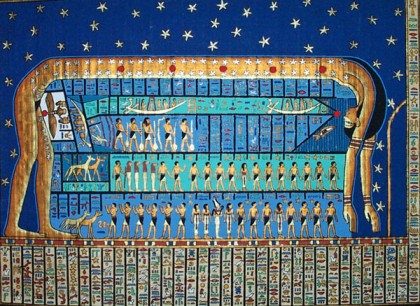
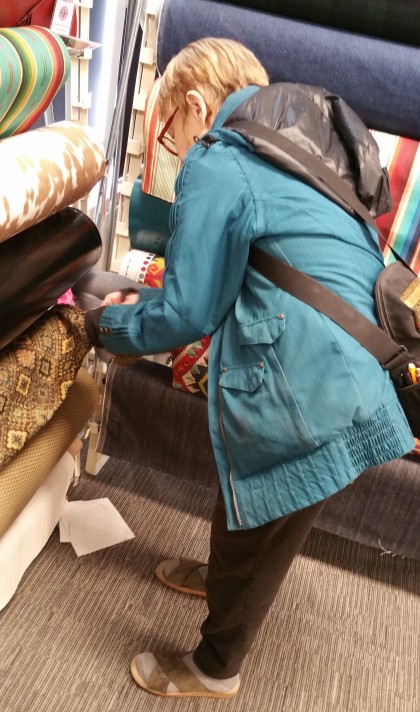 Kate and I have begun an ongoing effort to help her manage the fatigue which Sjogren’s, rheumatoid arthritis, sarcopenia and reduced available oxygen cause her. We have to be smarter about what mix of activities she does and what ones I do, yet we can’t set up a situation where she becomes housebound. Not good. A delicate balance. Right now we’re looking at the week ahead and trying to imagine how the week will challenge her, then planning for that. A transition to a new phase of life for us.
 Trying out another browser, Firefox Quantum. Changing browsers is a hassle, but the benefits of Quantum seem considerable. Right now I’m still on Chrome, but I plan to complete the transition today. I’ll let you know how the transition goes-for those who might care.
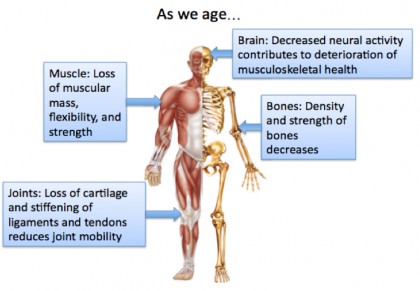 Set a time on Thursday to get a new workout. The old one has grown stale, but it brought me to a new level of fitness, one I can feel in day to day activities. Exercise kicks in endorphins for a right now feel good, but it’s most important role is health maintenance. Sarcopenia, the slow decrease in muscle mass that begins in our 40’s, accelerates in our 70’s. You know, opening jars, lifting boxes, pushing a snow shovel, cleaning up the garage, carrying in groceries, all those everyday uses of our body become harder and harder.
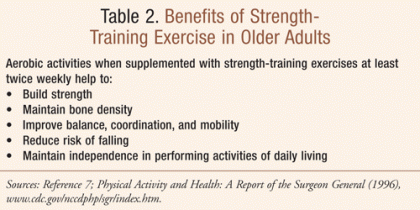 Exercise is a way to push back against these changes. It doesn’t solve them, but it helps. The cardio work maintains the pump that literally keeps us alive, helps it respond to crisis modes without giving up. Been at it so long it’s just part of my day.

 Been trying to get Boiler Medics, the guy who installed our new boiler, out for a seasonal check of the system. Something’s happening there because they’ve ghosted me for the last few days. This behavior is the mountain way for tradespeople in our stretch of the Front Range; it’s frustrating.
 That’s especially important for workouts, which are easy to forego. On Mondays, Wednesdays and Fridays, I do 20 minutes of cardio, then resistance work, then 20 more minutes of cardio. On Tuesdays, Thursdays and Saturdays, I do the high intensity cardio plus 50 minutes or so slower cardio. If I miss a Monday, I go on to the high intensity, slow cardio day. If I miss a Monday and a Tuesday, I still go to the 40 minutes of cardio, resistance work day. For me, keeping the same workouts on the same days of the week keeps me from feeling guilty (I’ve missed so many workouts, it doesn’t make sense to even try and get back to my schedule.) and guilt stops the process altogether.
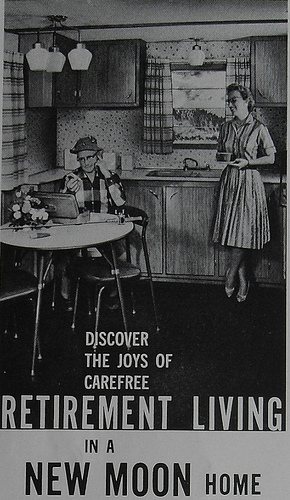 The third phase is new. It used to be that 65 or so meant the end of a working life, retirement happened, then death, often before 70. Those that made it into their seventies were often burdened with serious medical problems that drained energy and created obstacles to doing much else.
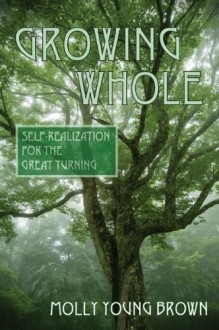 70 is not the new sixty. It’s the new 70. What 70 is the new sixty really means is that for those raised in the 50’s, 70 now appears like age 60 did when we were kids. Big difference though…we’re in that sixties range of health, but we’re 70 and work has fallen away, the kids are gone. What do we do?
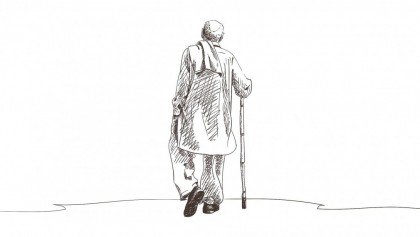 Yes, retirement and the life following it, the third phase as I call it, is just that, a new and different time of life, one in which the question of how do I live can have a radically different answer than in the first two phases. Who are you? Who do you want to be? If you want to be a person whose constant focus is recreation, who gets up in the morning for another day of adult recess, you can. If you want to be a dress designer after years as a forensic engineer, you can. Or, as in my case, the work before retirement age was satisfying, self-directed, so there’s little reason to change just because some age-related cultural turning point has been reached.
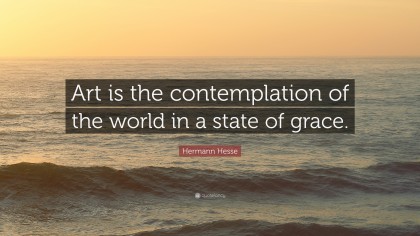

 Yesterday I traced the funk back to an e-mail I sent out late Saturday night thanking all the main participants in the Evergreen Forum. Two folks responded quickly, thanking me, too, and I realized, as I searched for the source of the mood, that I wanted more of those and when they didn’t come, I wondered why not? It was that wondering that created the bad mood. In others words I had poisoned my own well, then drunk from it. Well, I realized, that’s silly. Take the compliments, move on. So, I did.
 Today is a busy one. Once I’ve finished my writing, ancientrails and Jennie’s Dead’s 750 words, I’m going to make two sugar cream pies. One is for home, the other for the mussar leadership group that meets tonight. Sugar cream pies are a distinct cultural marker for the Hoosier state, but more than that, they’re really delicious. Why I don’t make them often.