
Summer and the waning (4%) Radiation Moon

Down to single digits. Nine more treatments. Life after radiation (a bit of a joke, ha) is coming next week. Only three bedbugs were ever found. There was a “bubble” of people who sat in that chair at the approximate time Anova suspects the bugs transferred. They’re having them do extra preparation before they can come into treatment. Not me. Nope. No bedbugs here on the mountain. Gratitude. Probably means I’ll finish on August 9th.
My friend Dave, personal trainer Dave, has calmed down the nausea from his brain cancer chemo. Deb told me yesterday that he rode 78 miles last week, 20 miles that day. He’s in phenomenal shape. You might remember my mentioning that he ran a 15 mile endurance race in British Columbia, the Fitzsimmon Mountains. Lots of elevation gain. This was a year ago. Part of the motivation for staying in shape during cancer treatment is to prove you’re still alive, still have agency over your body. Take that, brain cancer. Take that, prostate cancer.

Found all this out when I took in the check for a large lug of Western Slope peaches. There’s a small section of the Western Slope (of the Rockies, in Colorado) that’s perfect for growing fancy peaches. Tents pop up along roads selling Colorado Peaches. On the Move Fitness takes orders from clients and organizes a bulk purchase from Green Barn Produce. Pick’em up next week. Kate’s going to make a sizable batch of peaches frozen in orange juice.

Another Colorado moment yesterday. On the way to Kate’s hearing test (she’s good in both ears. yeah.) we drove past a long dump truck, a side dumper, full of boulders. When I see a large truck here with boulders, I think of the golf carts leaving Minnesota each year for southern courses. Or, the Christmas trees beginning to head out of state by truck in November. Moving rock is a big business here. Including moving those rocks that fall onto roadways.
Sent a note yesterday to Elk Creek Fire District. They have a staff person who does two hour assessments of fire mitigation needs on your property. It’s been three years since I thinned our lodgepoles and I stopped at that. Might be other things I’m missing.
There were 30 wildfires within the Elk Creek District last year. The recent newsletter points out that firefighters “…must focus on evacuations and effectively apply available resources to defendable homes. In these scenarios, it is crucial that homeowners have already implemented Home Ignition Zone (HIZ) best practices.”

In practical terms this defines the triage that firefighters do in case of a wildfire threatening homes. They leave those already in flames and those too difficult to get to, think way up high or very steep driveways or in an unmitigated stand of trees. Those with short driveways, near major roads, who have done mitigation in their HIZ, will be defended. Our house meets all those criteria and I want to make sure it continues to.
Life in the WUI (pronounced woo-eee), the Wildland/Urban Interface. Yes, it makes about as much sense to live here as in a flood plain or in a coastal city waiting for sea level rise or a bad hurricane. But, we love it here, as residents of those other areas must love their home turf. So…


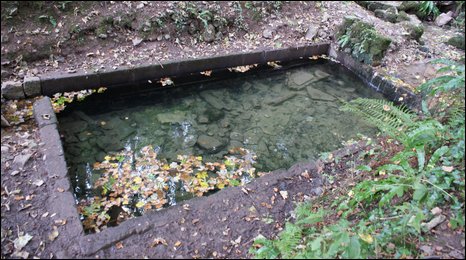




 Quick geopolitical quiz. Where is Tajikistan? No googling, no globe, no world map. Where is it? If you know, you get the sister city of Boulder appellation, Friend of Dushanbe. Friend of what? Oh, you didn’t know that Dushanbe is the capital of Tajikistan? No, we’re not revoking your nametag. Not only are we not revoking your nametag, we’re inviting you over to tea at a traditional Tajikistan Tea House donated to Boulder by the citizens of Dushanbe. And, it’s a stunner.
 Though we didn’t sit on one of them, there were also raised platforms with cushions and short tables. Looked like fun to me.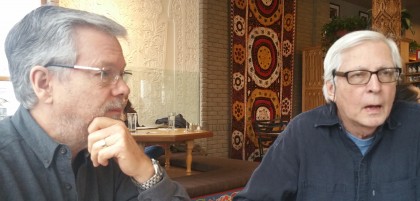

 Gonna look at material for the religious school class on the 16th. Alan will be back from Argentina. Our lesson theme is yirah, awe. Getting fifteen inches of snow over 36 hours creates yirah. We do not impact the weather, at least not directly. Yes, climate change is effecting the sorts of weather we get, but we don’t get to choose the diverse effects of our self-genocide. Fifteen inches of snow is like a volcanic eruption or a tsunami or a tornado, sudden, unpredictable except just before the fact, a natural act that changes the immediate environment dramatically. Though not as devastating as those violent manifestations, a great snow storm does show the power of the natural world, something to which we have to adapt rather than something we can manage.
 Yirah and kadosh, holy or sacred, go together. Rudolf Otto defines sacred as an experience of awe, yirah, and the mysterium tremendum et fascinans:
  Something experienced in ordinary life but also wholly other. I’ve been following a sailing race, the Golden Globe, in which several skippers competed against each other in solo jaunts around the world. Ask any sailor, solo or not, who’s navigated the roaring forties about yirah and mysterium. They’re manifesting every day, every hour in places most of us will never go; but, a few do. Wholly other, but also part of the same puzzling universe which coughed us up into life.
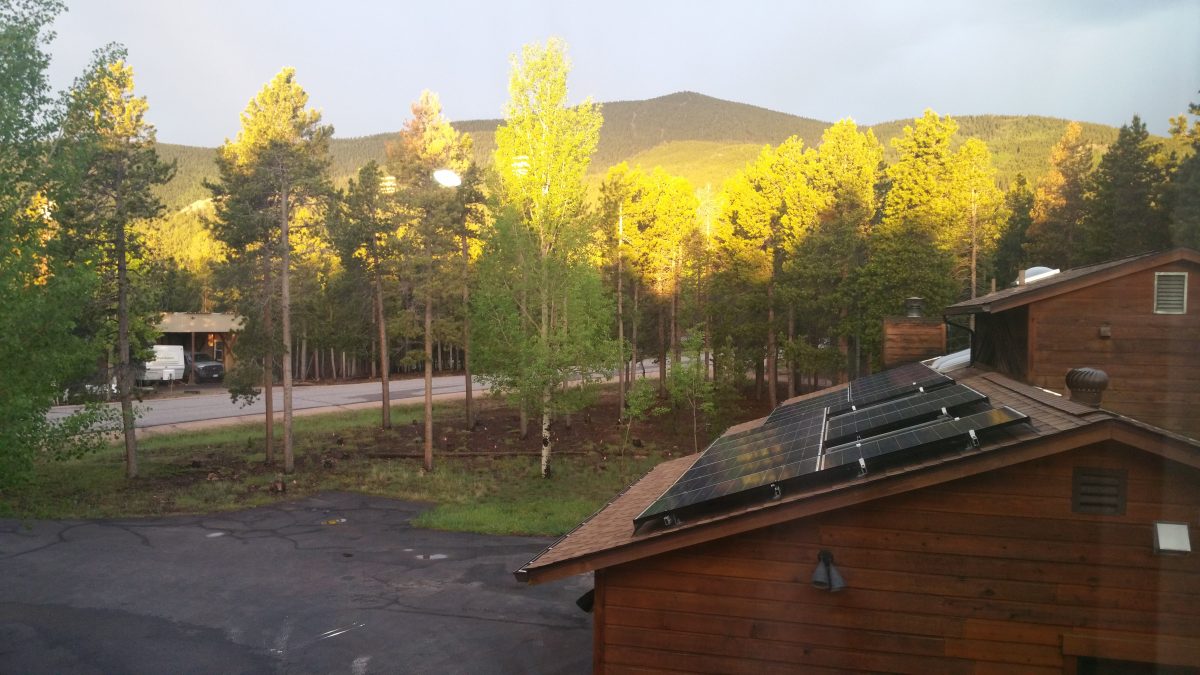
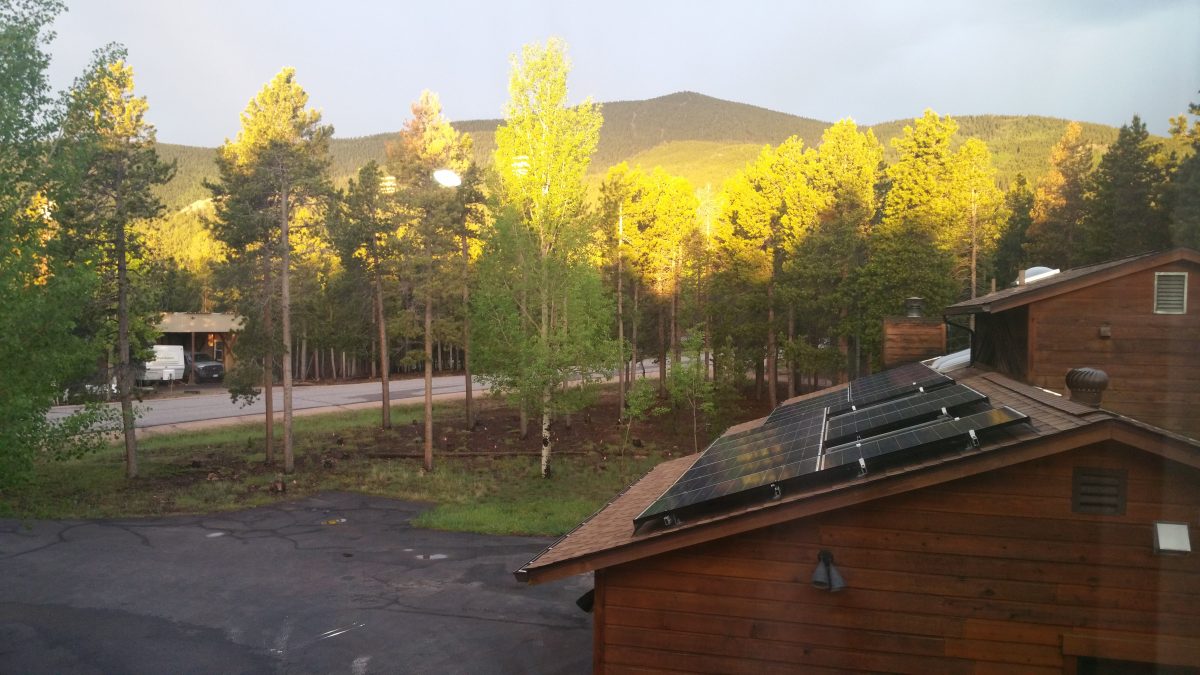
 Our first major snowstorm of the season is upon us. We’ve gotten 4 or 5 inches already and it’s only been snowing since midnight. May get 8-10 inches. Black Mountain has disappeared behind a gray-blue curtain, the lodgepoles look like flocked Christmas trees, and our solar panels have a 4 inch white blanket between themselves and the sun. No appointments today, no meetings. We can take this storm in as it comes, not see it as a barrier. We’ll get plowed today, I’m sure, so no worries there either. Let it snow.
 There are two other effects that are critical to life both here in the Colorado Rockies and in the southwestern U.S. A good snow season reduces the threat of wildfire in the spring and summer until the monsoons come. That effects Kate and me and our neighbors directly. It feels much better going into summer having had plenty of moisture for the trees and the soil. A good snow season also recharges our aquifers, makes sure we’ll have water throughout the next year. This is an immediate, right here result of good snow.
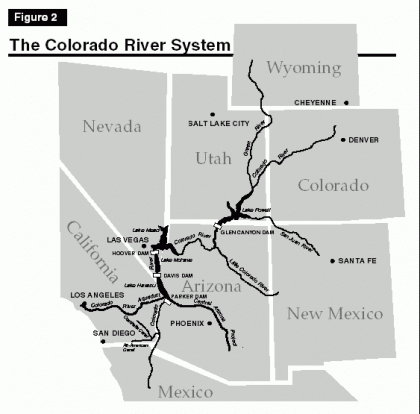
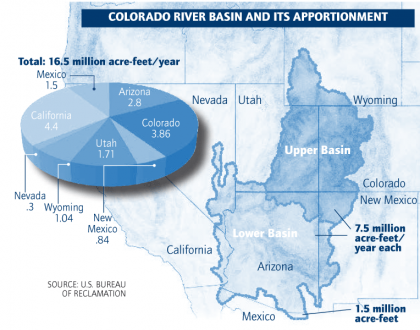 “Total population in the Colorado River Basin (CRB) increased from 4.56 to 9.44 million people from 1985 to 2010. Most of those people were in the lower CRB, with 86 percent of the total in 1985, and 90 percent of the total in 2010.”** The snowpack numbers, created by our annual snowfall, are critical not only here, because the Front Range and the Denver Metro rely on the Colorado River, but throughout the seven state CRB. These figures, almost invisible to the population of the humid east, are never far from the minds of government officials at the state, county, and municipal level here in the arid west, or the population as a whole.
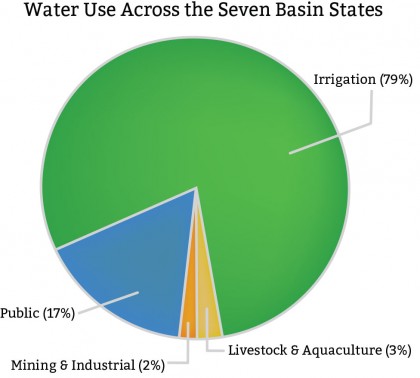 Finally, here is the problem that bedevils all those effected by The Law of the River, a web of compacts, federal laws, court decisions and decrees, contracts, and regulatory guidelines.* As this graph clearly shows irrigation is the largest claim on the CRB’s water by an order of magnitude. Add to that the allocation for livestock and aquaculture and 82% of the allocation goes to agriculture of one kind or another. We need food, those who grow our food need water. With public uses only 17% of the pie even the most draconian water policies in cities and areas like the Front Range will not move the needle much in total water use. Add to this the problem of the gap, droughts, and rapidly increasing populations, five of the fastest growing states in the nation are part of the CRB, then you can begin to imagine the tense negotiations required to maintain the status quo, let alone plan sensibly for the future.