Had breakfast with Alan yesterday at the Lakeshore Cafe. Told him about the interesting failure of the bank we tried to create for the poorest of the poor. This was after a 1989 trip to Bogota where we spent a week with staff of the Fundacion Grupo Social.
This group, now a huge corporation, began with Jesuit inspired credit circles for citizens of barrio Jerusalem. In order to give small loans when these folks had no assets the Jesuits conceived of co-signing. If I wanted money to start a small business or build a home (a shack, really), you could co-sign as my guarantor. The default rate on these loans was minimal. Social cohesion is as good as a down payment. This was the start of the micro-credit idea.
We worked hard for a year to put together a Minnesota version, but a recession forced the bank that was working with us to withdraw their generous offer of two million dollars for capitalization.
Alan asked last week over breakfast what I’d done. When I told him a few things: West Bank Community Development Corporation work, Jobs Now, MICAH (Metropolitan Interfaith Affordable Housing Coalition), Minnesota Council of Non-Profits, I surprised myself by being eager to talk about it. Realized that with the exception of Kate and Jon a little bit, no one here in Colorado knew my Minnesota story, my second phase of family and work.
Life is so different here. No contacts. No friends of decades. Only a few places with memories, most tied to the grandkids.
The West has always been a place to start over for Americans from the humid east, guess I’m no exception. No expectations based on prior achievements or prior failures. A new person rising where the sun sets.
Let’s see. Heat waves. Bad ones. The moon landing at 50. 50? And, of course, Send them back! Send them back! I really tried to stop it in the biggest way. Nobody could have tried to stop it harder. Nobody.
Consequential. Each of them. I still remember the first time I was in Phoenix. 107. Might have been August or September. Walking from the motel a few blocks to experience the heat I could feel the sidewalk through the soles of my shoes. The air was still.
Downtown Phoenix had several places that had misters, spraying a sheen of water out and over sidewalks, open air cafes. Fans aided the cooling effect. It was delicious. A revelation. But. It was still hot.
On a CME venture with Kate early in our marriage we went to Mexico City where Kate saw Rigoberta Menchu. Afterward we went to Oaxaca and Merida. We stayed at Casa de Balam, the House of the Leopard, in Merida. Our bodies have conditionings of which we are unaware until they are challenged.
Merida
It was hot. And, humid, unlike Phoenix. In the afternoon rain clouds gathered over Merida. Rain fell. And the heat and humidity got worse. It was like an open air steam bath. Rain washes away heat. After the rain comes a cool breeze, a sigh of relief. Nope. Not in Merida. Not that day. It shocked my body before I even realized what was odd.
Both of those times stick in my mind (plus that trek across Singapore’s Botanical Garden in 2016) as outliers, extreme situations occurring in places I visited infrequently. Now, Merida is coming to a city near you.
The moon landing. July 20, 1969. College was done. Judy and I had a small apartment in Muncie. It was hot. No AC. No misting water. Just sweat. I put aluminum foil on the rabbit ears of our tiny television, waved them through the air to find our best reception. The most complicated electric appliance in our apartment was my Selectric typewriter, the one with the ball.
We wore as little as possible. The moon was new that night, so the sky was starry. I remember the scratchy voice of Walter Cronkite saying something. The scene, like a set from a 1950’s sci fi movie, had a strange desolation, Buzz Aldrin would the call the moonscape, “Magnificent desolation.”
NASA
Cold beer. A joint. As night fell, we began to wonder if the astronauts would ever come out. The Eagle had landed at 3:17 pm and now it was nearing ten. Then, the hatch opened, a bulky white suit emerged and went slowly down the metal ladder. A human about to touch a surface other than earth’s. “One small step for a man, one giant step for mankind.” (btw: correct quote according to NASA and Armstrong.)
Our chests flew open, all of us, that night. We saw the unimaginable. We were alive when the first human walked on the moon. I was 22, drunk and stoned. But high, too. Up there. With Buzz and Neil.
No visa required. No passport control. No detention centers in the Sea of Tranquility.
the apple, the tree
Our current sadness. The smallness of the fearful white person. Fed by the orange would be Julius. On July 20, 1969, the federal government gave us a moment of wonder, of awe, a moment shared with the world. On the 50th anniversary of this remarkable human accomplishment this once great country now separates families at detention centers. Its President tells four U.S. citizens to go home. He encourages the cries of his base base, Send them back. Send them back.
And that heat. Study shows opening up Federal lands to oil and gas exploitation will increase climate change. Huh? Really? The administration has silenced scientific analysis, by government scientists, on the risks posed by climate change. Including the military, which sees climate change as a national security issue.
NASA
Oh to slide back into the wonder of the moon landing. To imagine a world where feats of human innovation still wow us. Where government fights racism instead of propogating it. That’s a backward look though. Let’s look forward instead. To a new, cooler time with awesome moments still ahead.
My friend Rich sees mussar as a metaphysical, not a psychological discipline. It’s soul work, deeper and more consequential than therapy.
Over the last year and a half my skeptical view of soul has begun to break up, fade away. First, from the Cosmos and Psyche (thanks, Tom) insight: Skepticism is a tool, not a lifestyle. Second, from a spiritual realization that despite its implication in the arguments over, say, original sin, soul nonetheless points to a felt reality for me, a phenomenological knowing. Not a dogmatic or doctrinal one.
Big deal, right? You always knew this? Or, no way, dude. Either way, so what?
And, of course, you’re right if you follow this often used, little understood idea back to its sources in Judaeo-Christian thought. Its use either assumed-you always knew this, or, so mean and inhuman, eternal hell for a few years on earth-no way, dude.
The Judaeo-Christian understanding incorporated the Greek notion of psyche, “…the mental abilities of a living being: reason, character, feeling, consciousness, memory, perception, thinking” with a notion of immortality connected to behavior in this life.
I want to push back, back beyond this narrow conception of soul. There was an assumption among the ancient Greeks that soul had to have a logical faculty, and, that it was the most divine attribute of a human soul. ( The current scientific consensus across all fields is that there is no evidence for the existence of any kind of soul in the traditional sense. Wiki.)
First I want to speak for the trees. Let’s call it the Loraxian understanding of the soul. The lodgepoles in our yard, crawling up Black Mountain, growing along Brook Forest Drive as it winds down the mountain. They have souls. They are both alive and animate, creatures with a telos, or end goal. They interact with their environment and grow strong or weak, tall or short, but they remain lodgpole pines, trees with a particular role in a montane ecosystem, a role which they give all they have to fulfill.
The same is true for the mule deer, the mountain lion, the marsh marigold, the elk, the bear, the fox, the squirrel, the dandelion, the cheatgrass, the Indian paintbrush, the mountain trout, the raven and the magpie. Are their souls more or less than ours? Wrong question. Are their souls more like ours or more unlike? Don’t know. I just know that living things on the planet share the wonder of life, an independent spark. That spark gives us organic matter that moves and does so with intention.
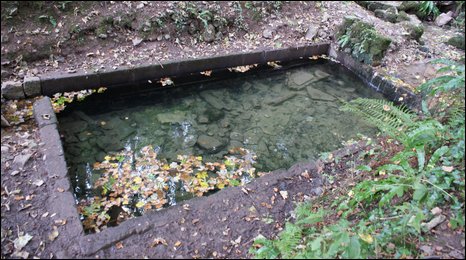
Holy Well, Wales, St Dynfog
I’ve felt this way about the world for a long, long time. Taoism, Emerson, the Romantics, gardening, the Celtic Great Wheel. The mystical moment on the quad at Ball State. Oneness. With it all. I’m even willing to entertain faeries, elves, duendes, daiads, Gods and Goddesses. OK, I know I lost a lot of you with that one, but I’m going with my gut, my revelation to me rather than the dry dusty bones of theirs.
But. I want to push one step further. I believe in the spirits of the mountains. They have visited me here on Shadow Mountain, the mule deer on Samain, 2014, and the elk on my first day of radiation. The mule deer and the elk were angels, that is, messengers of the mountain gods, dispatched by the careful, slow, deliberate entities that are the Rocky Mountains.
I believe in the vitality of rushing water in Maxwell Creek, Cub Creek, Blue Creek, Bear Creek, the North Fork of the South Platte. I believe in the entity that is Lake Superior, that is the great deposit of ores on the Minnesota Iron Range, the ebb and flow of the Oglalla Aquifer.
I believe in Mother Earth, the great Gaia, a living system of ecosystems, biomes watered by rains and the snows, irrigated by streams and rivers, planted by Boreas and Zephryus, and given power to change by the true god, Sol.
Neither animals nor plants can grow without the sun’s energy or the food locked in minerals and vitamin: “Our soils support 95 percent of all food production, and by 2060, our soils will be asked to give us as much food as we have consumed in the last 500 years. They filter our water. They are one of our most cost-effective reservoirs for sequestering carbon. They are our foundation for biodiversity. And they are vibrantly alive, teeming with 10,000 pounds of biological life in every acre. Yet in the last 150 years, we’ve lost half of the basic building block that makes soil productive.” Living Soil film
As it appears, I am an animist, a pagan, a person who has found his spot in the great scheme. I’m a moving instance of matter formed in the great fusion furnaces of stars. I’m a temporary instance, holding together a few atoms for a human lifetime. I’m a significant instance of meaning created by the universe observing itself, throughout my short path, as the dynamic, interlocked, soulful reality that it is.
I need no human word to guide me. I need no idea, no rule. I am and I am within all this. The Arapaho National Forest. The Rocky Mountains. Our nuclear family. Our extended family. The community of folks at CBE. The United States. The Mind of God.
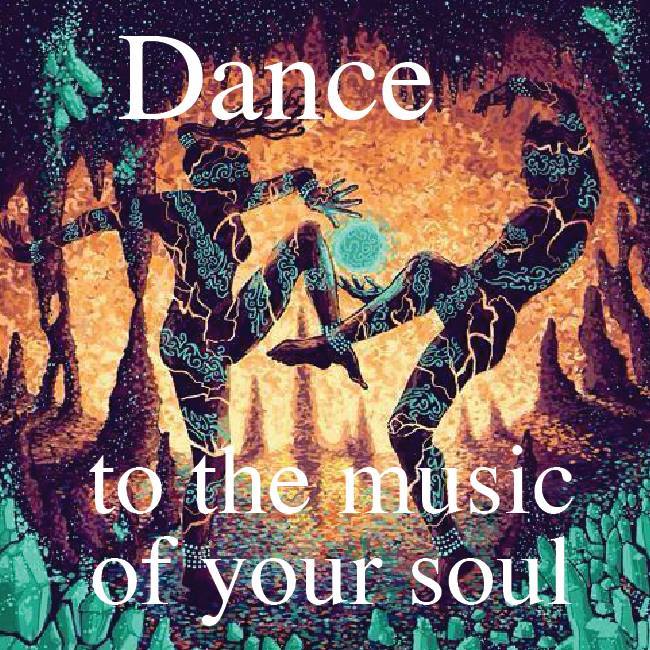
My soul and that of Kepler, Rigel, and Gertie dance with each other. In Andover Kate and I danced with bees, fruit trees, perennial flowers, vegetables, raspberry canes. Here we dance with the mountain spirits.
Long ago I set out on a spiritual journey that went down and in rather than up and out. That is, I would not find validation somewhere outside of myself whether Torah, Gospel, Constitution, or political ideology. I would not privilege the idea of transcendence, or a three-story universe. No god is in heaven, and yet all’s right with the world. My ancient spiritual trail has been to turn within for the source of my revelation. And, I have not turned back.
Half of Ancientrails on the right, both stacks. Missing, Superior Wolf, and Phantom Queen out for editing
A long quest for me has ended. I’ve been searching for a way to print out Ancientrails for a couple of years. Not an insignificant undertaking at well over 2,000,000 words. Found a plug-in for WordPress, the software I use (thanks, Bill) called Print My Blog. Prior to Print My Blog the only way I had discovered to print posts was a repetitive process of copying each blog post and then pasting it into a Word document. With over 10,000 total posts that was enough to make the process difficult and time consuming.
Print My Blog has its problems. It only allows starting at the beginning of your blog and printing sequentially from that point. If you have a printer or software issue, as I did twice a couple of days ago, Print My Blog resets to the beginning. Sigh. I was at February 22nd, 2013 on Saturday when I got a printer error. That was about half of the total pages I needed to print. That was the good news. The bad news was that if I wanted to finish I’d have to start all over again, at the beginning. And hope nothing would interfere.
Then it hit me. I can run Print My Blog, get its formatting of all of ancientrails and its content, do a select all, and copy the entire blog into Word. Which I did yesterday. Easy peasy. Printing is much easier in Word with multiple ways to divide a document. I may finish printing it out today. Then, I’m going to get thirteen notebooks, 2007-2019 and have those pages three hole punched at Staples. There will be a written copy of my work on ancientrails except 2005-2007. They exist somewhere in the cyberether, but I can’t find them anymore.
Why are you doing this, Charlie? Kate asked. I have three reasons. I have a cloud backup of Ancientrails using Updraftplus and I’m grateful for that. If my web host crashes or I get attacked by a hacker, I can restore everything. But, when I die, it’s probable that no one will pay my web host and/or no one will be able to use the backup because they don’t know it exists. I’ll leave instructions, but after my death protecting my blog won’t be a top priority. A printed copy solves that problem. If, that is, anyone wants to keep it.
Second reason. My cousin Diane thought some folks might like to read what I’ve written here. At 2,000,000 plus words no one, not even me, has that much interest. A volume devoted to Ancientrails will require editing. A lot of editing. WordPress is good software for writing and posting on the web, that’s what it’s for, but not so good if you want to go back and read, then edit, multiple entries. Pretty clumsy. Reading ink on paper and marking it up? Easier. This is a long term project, but one made simpler by the hoary art of printing.
Third reason. I want to see it printed out. Very satisfying to see all that work in one physical location. The cyber copy of it all is invisible, most of it. Hard to reify. This will make it real in a Velveteen Rabbit way.
Anyhow I’m pretty far along with this now. Word pushes pages out of my laserjet printer even as I write this. The written word has occupied me for the last thirty years. Still does. This is one not so small part of that focus.
Today is the Indy 500. The 103rd. A long time. I’ve written here before about this race. Growing up in Indiana there are two sporting events that create a life-long spot in the heart, the Indy 500 and basketball, especially high school basketball. At the beginning of May the Indianapolis Star would start running articles about the racers, the crews, their preparations. The build up would peak pre-race on qualification day.
On race day those who didn’t get tickets would gather around their radios to listen. If you chose to go to the race, you already knew about the horrific traffic jams ahead of your trip to Speedway.
Speedway is a western suburb of Indianapolis which, according to Mapquest: “The town of Speedway was developed as a city of the future. Meant to be a testing ground much like the famed race track which is its namesake, Speedway was designed to be a city that was hospitable to the car. In a time when Indianapolis streets were often narrow orange brick thoroughfares… the town had homes with garages for cars.”
Borg-Warner Trophy
On the F1 circuit, the winner stands on a podium with the second and third place drivers, opens a bottle of champagne and sprays his fellow drivers and the crowd gathered around. It’s a media event. At the end of the 500 the winning driver is alone in pit row, like a thoroughbred at the end of the Kentucky Derby, which runs not far away in Louisville, Kentucky. Also like the Derby the 500 winner gets a floral sash.
This Indiana dairy farmer will present today’s winner with an ice-cold bottle of milk
The 500 is a race with agricultural roots, a car race held about as far south from Detroit as it is north of the Derby. A blend. Nothing shows that more than the winner posing with the huge Borg-Warner Trophy and chugging down, not champagne, but a quart of milk. From a glass bottle.
In 1965, the same month I graduated from high school only sixty miles from the speedway, Jim Clark and his Lotus changed the look and feel of the race forever. Jack Brabham brought the rear-engine European designs from F1 to Indy in 1961. 5 years later Jim Clark won in his Lotus-Ford. After that rear engine cars dominated the race. And still do.
Lots of Catholic kitsch in the Mother Cabrini giftshop. I mean, lots. In fact, that’s almost all they have. St. Expeditius here is my favorite, especially his arms.This is a refrigerator magnet and there are others. Including St. Gregory the Wonder Worker invoked in desperate situations.
But, there’s more, so much more. I may pick up an action figure of St. Michael since I find Michaelmas an important holiday. The springtime of the soul, September 29th.
Mother Cabrini action figures, too, some of them very well made. Crucifixes. Prayer cards for particular ills and problems. Mugs with www.anamazingparish on them. Mother Cabrini shrine mugs. Medallions. Jewelry. Lots.
Wandered through the gift shop on the way into the refectory. Good food. Fish, rice, vegetables and a wonderful cherry pie.
The first segment of the workshop is over. It’s called Life Context. The Progoff process plows up the unconscious, kicks up into consciousness both bits from your own unconscious and from what Progoff calls the underground stream. Progoff studied under Jung and the Jungian collective unconscious seems to have influenced him in a profound way.
Another exercise, I mentioned steppingstones yesterday, is inner wisdom dialogue. Progoff wondered, after his time in the army during WWII and the holocaust, what would happen if all the sacred texts disappeared. We would, he decided, write others. After all, we wrote the first ones and that knowledge has to be out there still. Or, better, in here.
Each intensive journal, Progoff believed, is a sacred scripture, a bible of the writer’s own creation. Why? Because it draws on the same source as the Koran, the Torah, the New Testament, the Tao Te Ching, the Diamond Sutra-the underground stream. This is a radical claim, but comports well with, say, Buber, the mystics, Emerson.
The inner wisdom dialogue predicates the underground stream. Each of us made our own list of as many wisdom figures as we could. These wisdom figures can be living or dead, mythological or literary, organic or inorganic. Among mine were Lao Tse, Emerson, Herman Hesse, Shadow Mountain, and the tree I used to visit at the Boot Lake Scientific and Natural Area. It abutted the Carlos Avery Wildlife Reserve in Anoka County.
After entering into a twilight state, a way of getting below the intellect to tap into the unconscious and the underground stream, I wrote my dialogue. I spoke with my tree. It’s a back and forth, leading wherever it goes. The pen follows the deeper you, not the rational mind. At least if the exercise is working well. Mine did.
That tree, with a curved, forked trunk, got passed by when the lumberjacks came because it was not straight enough for lumber; a tall white pine, it grows on an earthen island between two marshy areas. Boot Lake is largely marsh. I scattered Tully’s ashes, some of them, there. I snowshoed to this tree in the winter, walked to in the spring, summer, and fall. I often sat with my back up against its trunk, nestled between two thick roots.
It spoke to me of rootedness, of choosing your place, of reaching deep for what you need, of climbing high for the energy from above. I asked my tree about cancer and it answered. Trust your arborist. Follow through on your treatments. The tree knew of its kindred who have died due to the pine bark beetle. We know illness and death, the tree said.
We also did dialogues with persons important to us, our body, and our creative work.
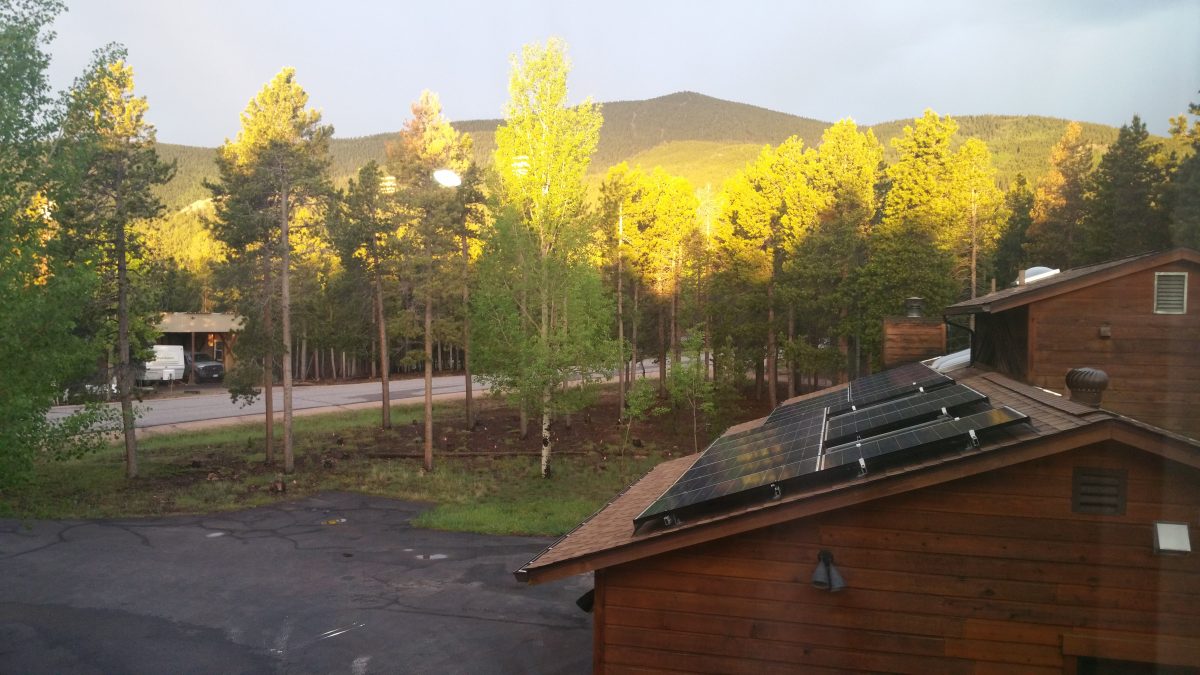
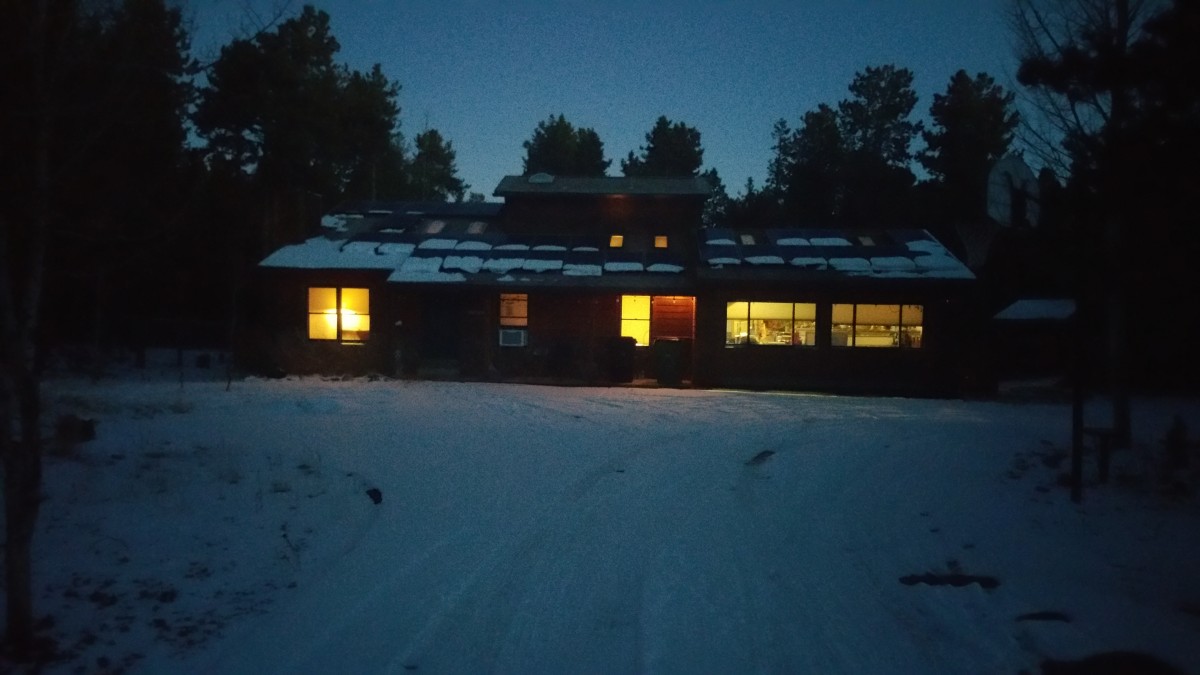
The Recovery moon illuminates Black Mountain this morning. The ski runs carved out on the mountain are white strips reflecting back moon shine. A light breeze moves the lodgepoles and a thin dusting of snow covers the solar panels. Early spring in the Rockies.
Kate made a salad last night. We bumped into each other in our galley kitchen for the first time in months. She also tossed her friendship quilt from the Bailey Patchworkers into the washing machine. She’s beginning to emerge from a long time in the chrysalis of illness. Wow.
Since the recovery moon seems to find us both on the uptick, my doctor’s nurse called with lab results, actually a second call due to confusion there occasioned by a weeks long problem with their computer systems. The first call came when I was still pretty sick and I didn’t pay close attention. This time I did. My PSA has moved up from .o1 to .012. Doesn’t seem like much, but when your prostate’s gone, it’s supposed to stay at .1, which is effectively .0. A recurrence is defined, for those of us who had our prostate’s removed, when the PSA hits .2. Concerning, but not yet a problem. Further testing required.
Rabbi Jamie called last night, wondering how we were. We were both steady and frequent attenders of things at CBE up until Kate’s bleed on September 28th. I continued until my own illness which began in early February. Since then, I’ve only been back for the chicken soup cook-off. Our sudden disappearance from the synagogue’s life caused him to say last time he talked with Kate that the schul isn’t the same without us. Kate was on the board and I was teaching religious school. We both attended mussar on Thursdays. We went to services less frequently, but showed up at education and special events, too. We’ve woven ourselves into the fabric that is CBE.
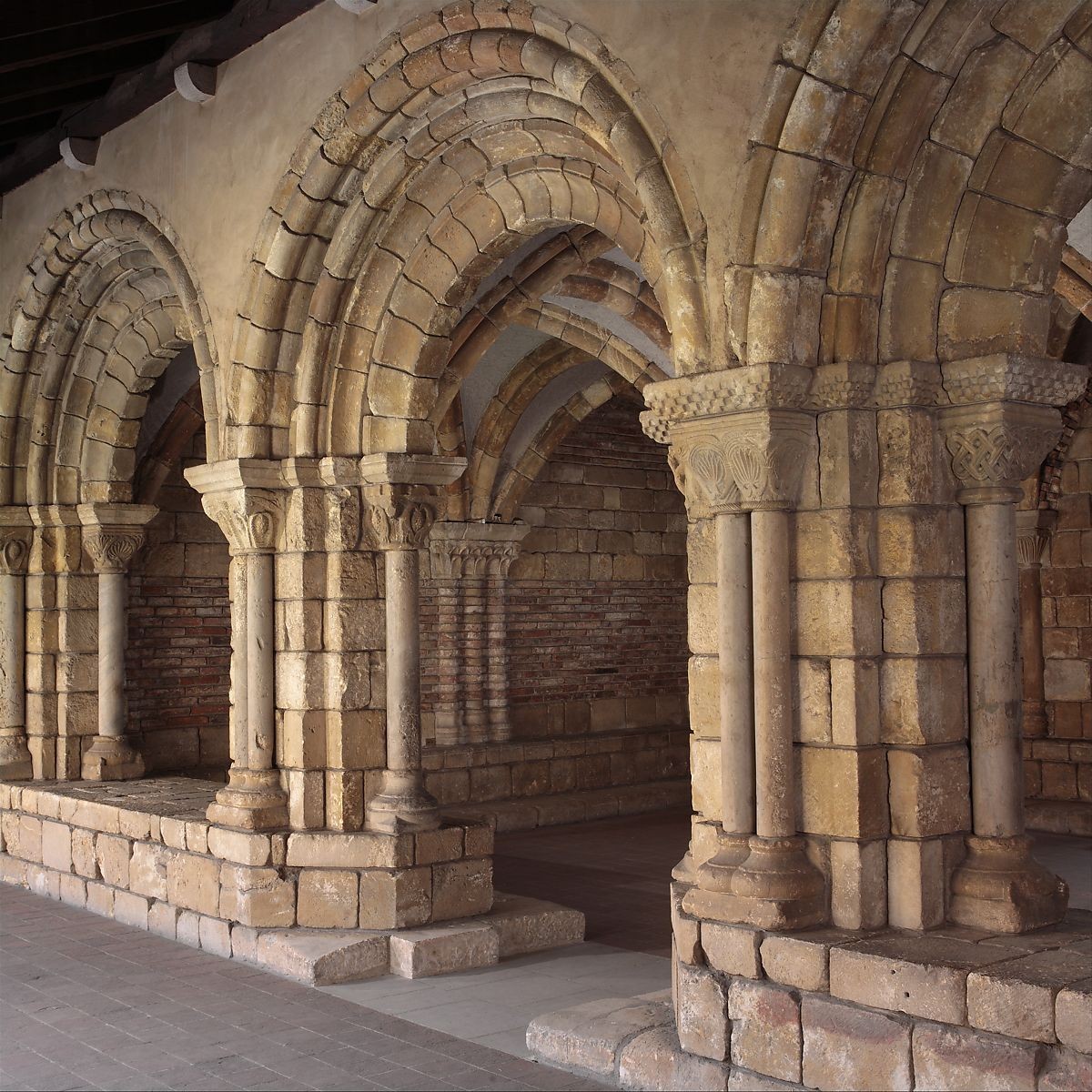
Chapter House from Notre-Dame-de-Pontaut,12th century French MMA
Community, like friendships, is reciprocal. You put your left foot in, then your right foot, then you shake it all about. With others doing the same thing. Over time we get to know each other, see each other, acknowledge each other. The line between thee and me is both more and less than we usually think. It’s more in that we don’t know our own selves well, our own depths eluding even the most introspective and life examining of us. How could others see into that, then? It’s less in that our perception of ourselves is constantly poked and prodded by interactions with others. In fact, much of our personhood gains definition as we sit down to coffee with someone, engage in critical thought, listen to music, sing with them. In community, in friendships, in family we become who we are.
At CBE, as with the Woolly’s, the docents, the political folks I’ve worked with, and our family, who I am has been in dialectical tension with both individuals and the collective. I’ve had to consider how Frank Broderick’s anti-Catholicism fits into my mostly positive assessment of religious life. I’ve offered ideas at CBE and had them put into action, changing myself and others in the process. As I got to know my fellow docents, I observed how they related to the art, to the art history we learned, to the museum visitors we guided on tours. And, how I was as a docent shaped itself in response.
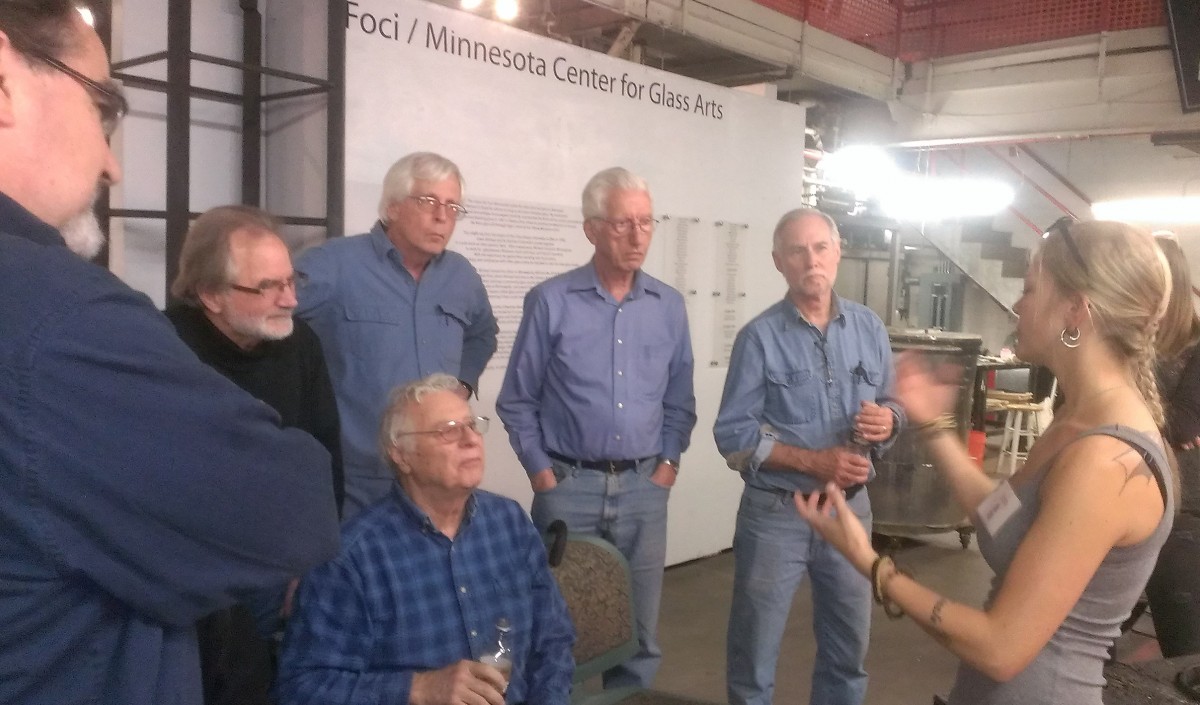
Woolly Mammoths instructed in glass blowing
In the instance of the Presbyterian ministry the two millennia plus history of Christianity was a body of thought and actions within which I had to find my particular place just like the thousands of year old history of art demanded I find a personal patch of ground on which to stand in relation to it. Both interactions shaped me and I, in turn, in small, individual ways reshaped both Christianity and the history of art. Not making a big, hubristic claim here, just observing that the dialectical tension affects both parties though not in equal ways.
This is, I suppose, the Velveteen Rabbit part of human identity formation. We rub ourselves up against people, animals, things and in the process we become real. And, we serve that same role for others. It’s an awesome responsibility. How do I, in my interactions, encourage the best in others? Or, do I? But that’s a question for another day.
Wow. Bombogenesis! As the weather guys said, “We achieved bombogenesis.” I think they may be a bit too close to this whole thing. Anyhow this storm socked us in. 18 inches or so. Wet snow. Heavy. In fact the power lines sag under its weight and as a result the snowplows can’t work the mountain roads. Black Mountain Drive, usually cleared many times during a big storm saw no plows, no scraping along the asphalt. Nothing. Just snow and the very occasional pickup truck. Even our plow guy had trouble moving around so he could clear driveways. I told him it was ok if he came this morning. We weren’t going anywhere yesterday.
It puzzles me how snow discombobulates Coloradans. Sagging powerlines that might electrocute a driver or take out power to a whole neighborhood are one thing, but our pulmonologist’s office called last night late and said the practice was closing today due to inclement weather. They are in Littleton which got, as near as I can tell right now, about 8″.
Snow totals aren’t the whole story. The winds created blizzard conditions. We couldn’t see Eduardo and Holly’s house just across Black Mountain Drive. Drifts. Snow slides. Avalanches. These last not so much around here, but further into the Rockies. We’ve had over 2,000 avalanches this year, several deaths.
In terms of degrees below zero and general misery Colorado winters are wimpy compared to Minnesota, especially this Minnesota winter. Throw in the mountains however and the difficulties multiply quickly.
Two favorite tools
It was a perfect day to make soup. My entry for the CBE CNS competition is in the frig, flavors blending. The competition is on St. Patrick’s Day. I have to be there at 3:30 with my soup and my instant pot. Plus a ladle. Wish me luck.
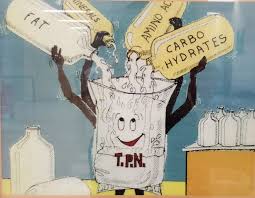
We need Sgt. Preston of they Yukon. Remember him? He delivered medicine to the Eskimos by dog sled. Well, Kate’s on her last bag of tpn nutrition. The delivery was due yesterday. Didn’t make it. They have until 4 pm today or Kate’s gonna have to start eating her meals rather than having them pumped in.
While making the soup, I watched several episodes of Formula 1: Drive to Survive. It was a recap of the 2018 season, timed appropriately since the 2019 season begins, as Formula 1 always does, in Australia. This weekend is the first race of 21. I’ve been a fan, off and on, since I was young. Getting back into it over the last couple of years.
This a sport that requires millions, for the big teams like Mercedes and Ferrari, hundreds of millions of dollars each year. Each team has hundreds, in the larger cases, thousands, of employees. Yet the total number of seats, literally seats in F1 cars, is only 20. Each team has two drivers. Ten teams. That means the competition is intense at all levels and the stakes in each of the 21 races high.
I suppose it was growing up in Indiana. We supplied many things to Detroit, lights, batteries, and alternators in the instance of Guide Lamp and Delco near Alexandria. These two factories alone employed 25,000 when I was growing up and most of my friend’s fathers worked at one or the other. Then every May, the greatest spectacle in racing: The Indianapolis 500. Cars and racing were prominent.
My subscriptions to Road and Track and Sports Car Magazine have long lapsed, but during middle school and high school I followed motor sports closely. Yes, as you can tell, my interests lay somewhat askew of the Indy 500, leaning more toward European cars and races. F1 is my interest now.
we’re waiting to transition to a feeding tube placed in the jejunum
UPS delivers vitamins and bags of nutrients for Kate. On Tuesday we got a box with a styrofoam container, two gel packs to keep things cool, bubble wrap filling the container, about 12x12x12. Two vials of vitamins. Next day, two more boxes, same size, syringes, nutrient bags, batteries (a fresh 9 volt goes into the pump every day), saline flushes, heparin locks, tubing for the pump that connects to Kate’s picc line.
The logistics of this tpn feeding are remarkable. Not only do they have to ship us the right amount of stuff, it has to get here on a timely basis. And, the nutrient bags have a mixture that is tuned according to Kate’s labs, which can change on a weekly basis. Somebody has to coordinate all that and make sure the counts are right, the nutrient’s up to date, and that it gets here so we can use it. But, you can’t send too much at once because the tpn might be stopped, or certain things, like the vitamins and nutrients might spoil.
It’s no wonder medical costs are high. All of these things are one use only: syringes, nutrients, saline flushes and heparin flushes (each in their own individual packing), batteries, tubing, alcohol wipes, even the packaging for the deliveries. The need for sterility drives most of this. Kate’s picc line ends near her heart in the superior venous cava, which means there is a direct link between the outside, non-sterile world and that vip organ. Even the tiniest mistake in sterile procedure could have disastrous, catastrophic results. No pressure, eh?
I’ve gotten more facile with the various steps required to change out Kate’s nutrient bags. She draws the vitamins out of their vials using syringes. She and Julie, the home health nurse, make that look easy, but my fingers don’t find it so. As Kate said, my dexterity is in my brain, not my fingers. The rest of it, I can do. I could figure that one out, too, but with Kate’s expertise, why?
Grieving now. Looking at things around the house with that critical, ok what do we need to do with this in order to sell the house eye. Driving up the mountain considering how many more times I’ll be able to see Black Mountain on my left as I climb Shadow Mountain to our home near its peak. Not anxious about it, just sad.
Place is very important to me. Andover taught me that. Even though we lived there twenty years I never made my peace with the suburban blandness. No there there, was the way I put it. Oh, yes, our property had a definite sense of place, but it was set in a context that numbed the mind. At least my mind. Here, the opposite is true. I love the mountains, the vistas, the curves in the road. The weather. The ever changing face of Black Mountain.
As the John Muir quote on my e-mails says, “You are not in the mountains, the mountains are in you.” It’s an aesthetic sensibility. Over my years at the MIA I learned how important aesthetics were to me. Always have been. Deep in my soul. Perhaps it’s even the root of my pagan leanings, the aesthetic link I feel between myself and the natural world.
A question for the Woolly Mammoth meeting of this Monday: “…think back over time – older and newer – was there a piece of music, a song, or a musical video that had an impact on you, or that shaped your thinking, or who you are in some way, at some important juncture in your life, or time in your life.” Scott Simpson
Here’s my reply:
I can still hear the others singing, feel the resonance of my voice joining theirs, marching, marching, marching. So many times. The song was the old spiritual, We Shall Overcome. I sang it in protests again Vietnam, in labor solidarity rallies, on the occasional Sunday morning. I sang it alone, in the shower, driving in the car.
Whenever I hit the line, we shall over come someday, and even writing this, I tear up.
This song could be my heart’s theme song. It’s a musical answer to Shakespeare’s famous query, “To be, or not to be: that is the question: Whether ’tis nobler in the mind to suffer The slings and arrows of outrageous fortune, Or to take arms against a sea of troubles, And by opposing end them.” I’ve always been on the take arms side.
Though, parenthetically, I’m also a follower of the Tao which suggests wu wei, or non-doing as an answer. Both seem true to me. In the end I cannot just let things happen to me, or to the people and the society that I love.











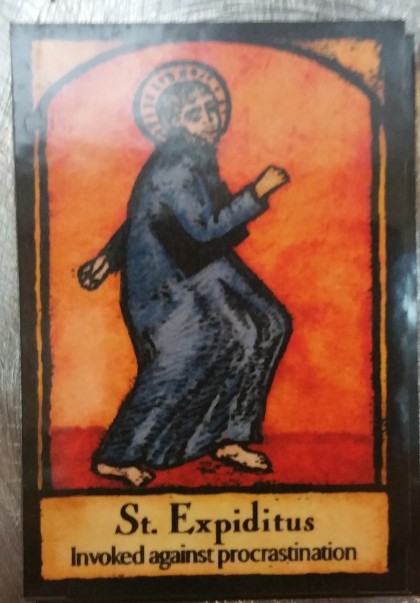 Lots of Catholic kitsch in the Mother Cabrini giftshop. I mean, lots. In fact, that’s almost all they have. St. Expeditius here is my favorite, especially his arms.This is a refrigerator magnet and there are others. Including St. Gregory the Wonder Worker invoked in desperate situations.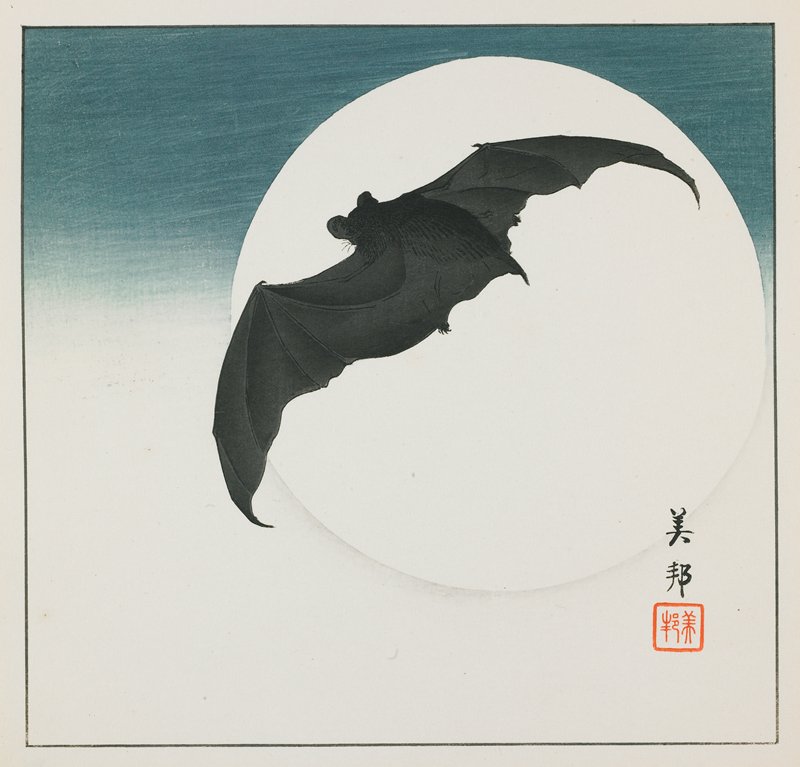


 I suppose it was growing up in Indiana. We supplied many things to Detroit, lights, batteries, and alternators in the instance of Guide Lamp and Delco near Alexandria. These two factories alone employed 25,000 when I was growing up and most of my friend’s fathers worked at one or the other. Then every May, the greatest spectacle in racing: The Indianapolis 500. Cars and racing were prominent.
 It’s no wonder medical costs are high. All of these things are one use only: syringes, nutrients, saline flushes and heparin flushes (each in their own individual packing), batteries, tubing, alcohol wipes, even the packaging for the deliveries. The need for sterility drives most of this. Kate’s picc line ends near her heart in the superior venous cava, which means there is a direct link between the outside, non-sterile world and that vip organ. Even the tiniest mistake in sterile procedure could have disastrous, catastrophic results. No pressure, eh?
 Grieving now. Looking at things around the house with that critical, ok what do we need to do with this in order to sell the house eye. Driving up the mountain considering how many more times I’ll be able to see Black Mountain on my left as I climb Shadow Mountain to our home near its peak. Not anxious about it, just sad.
 I can still hear the others singing, feel the resonance of my voice joining theirs, marching, marching, marching. So many times. The song was the old spiritual,