Category Archives: Plants

The Tree the Realtor said to cut down, Tree #7

Summer and the Bar Mitzvah Moon


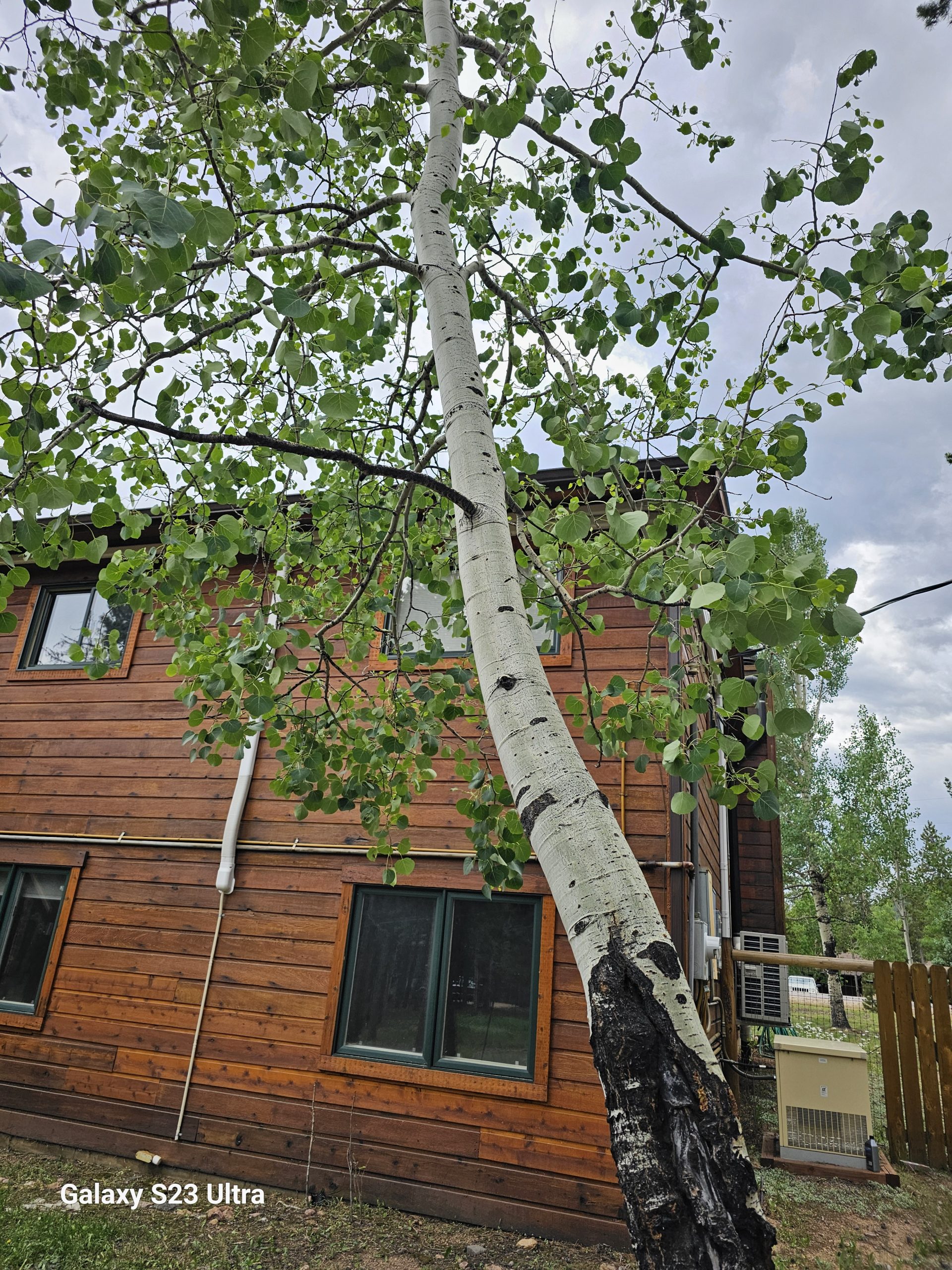
Too close to the house, she said. And, not growing straight. That was nine and a half years ago. I cut down forty or fifty Lodgepoles for fire mitigation. Another few for the solar panels. Shading them in the crucial hours of the day. But I cut down no Aspens. “Trees like aspen naturally have a higher water content and do not usually contain the volatile chemical compounds that can make trees like pine so flammable.” International Association of Fire and Rescue. The title of the article refers to Aspen stands as natural firebreaks.

Not why I left it alone. I felt sorry for him/her. Looked like it had had a tough life.

Aspen Trees are dioecious, meaning male and female reproductive organs grow on separate Trees. Not educated enough yet to know which is which. Though. If it has no catkins, it’s a male. We’ll see. I think he’s a guy. Don’t recall catkins.

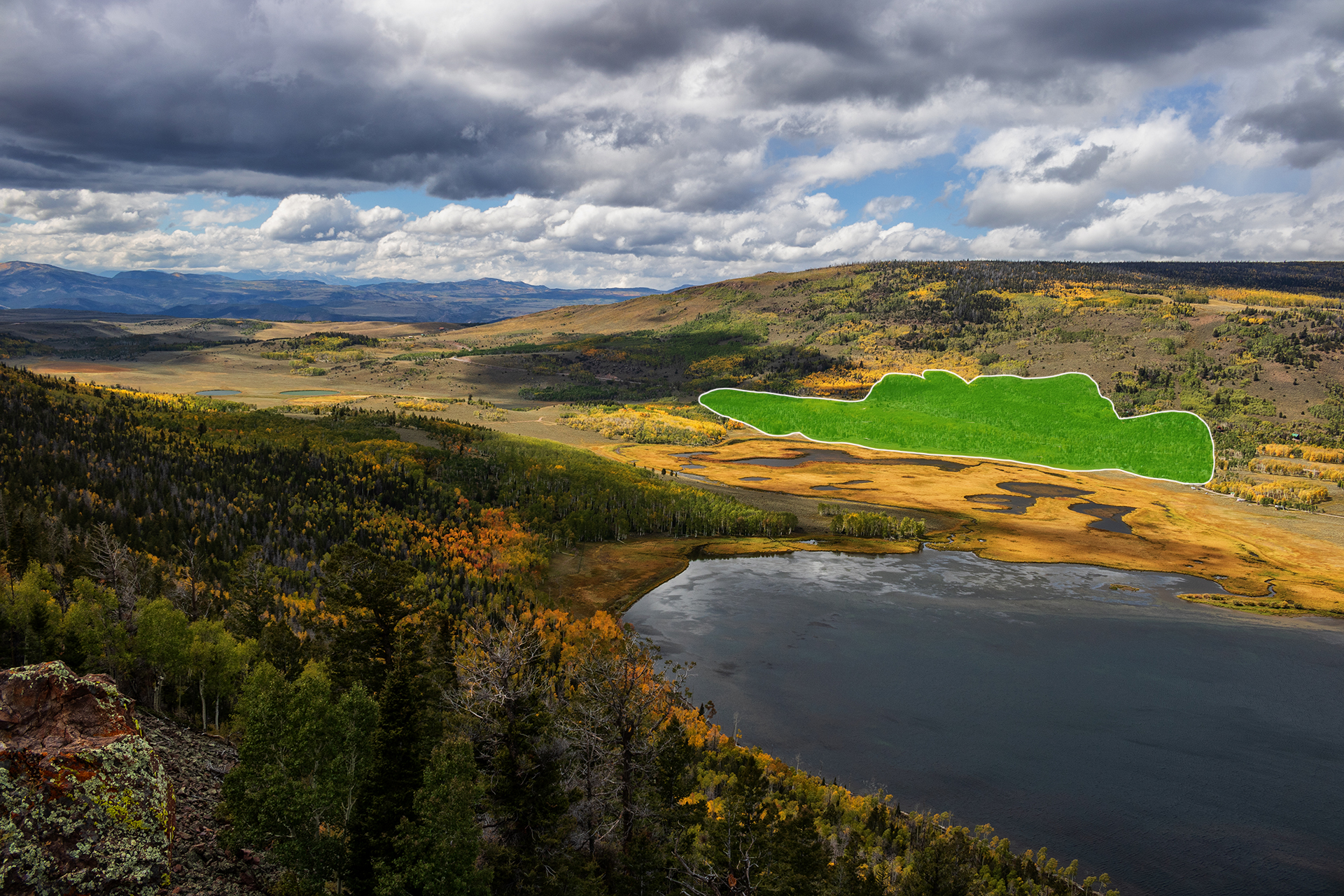
Pando Aspen Clone 2017 photo by Lance Oditt

Whichever is not too important because reproduction by seed does not drive Aspen increase. Aspen Seedlings do not do well in shade and since Aspen grow in clonal Groves, usually within and around Coniferous Forests, they rarely grow very well. Populus tremuloides, the quaking Aspen, and other species of Populus like big-toothed Aspen (Populus grandidentata) common in the Eastern U.S., reproduce mainly through their root system. It throws up suckers around a Mother Tree and produces clones of Her. You may have heard of Pando, the Utah Aspen Colony cited often as the world’s largest Tree.

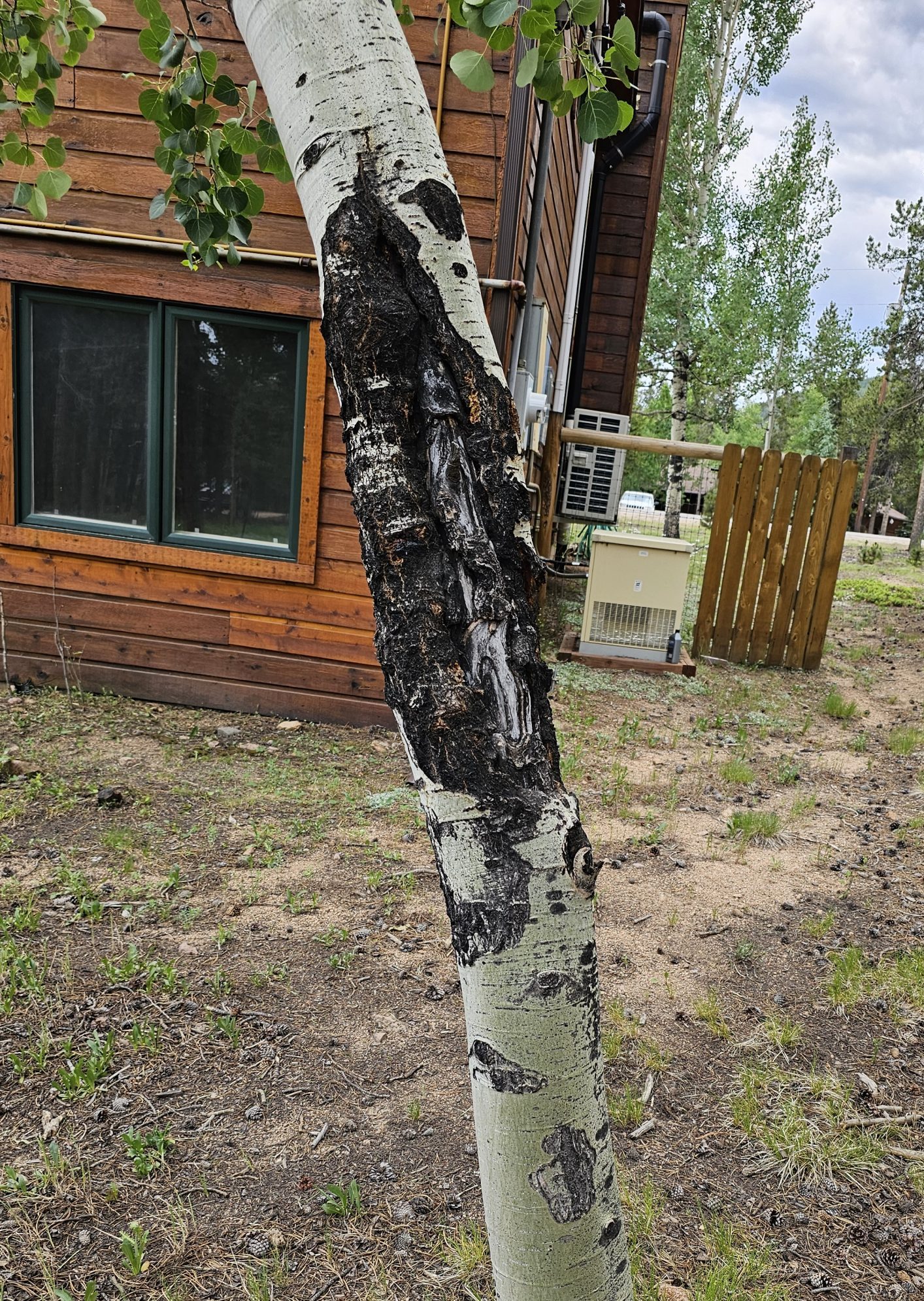
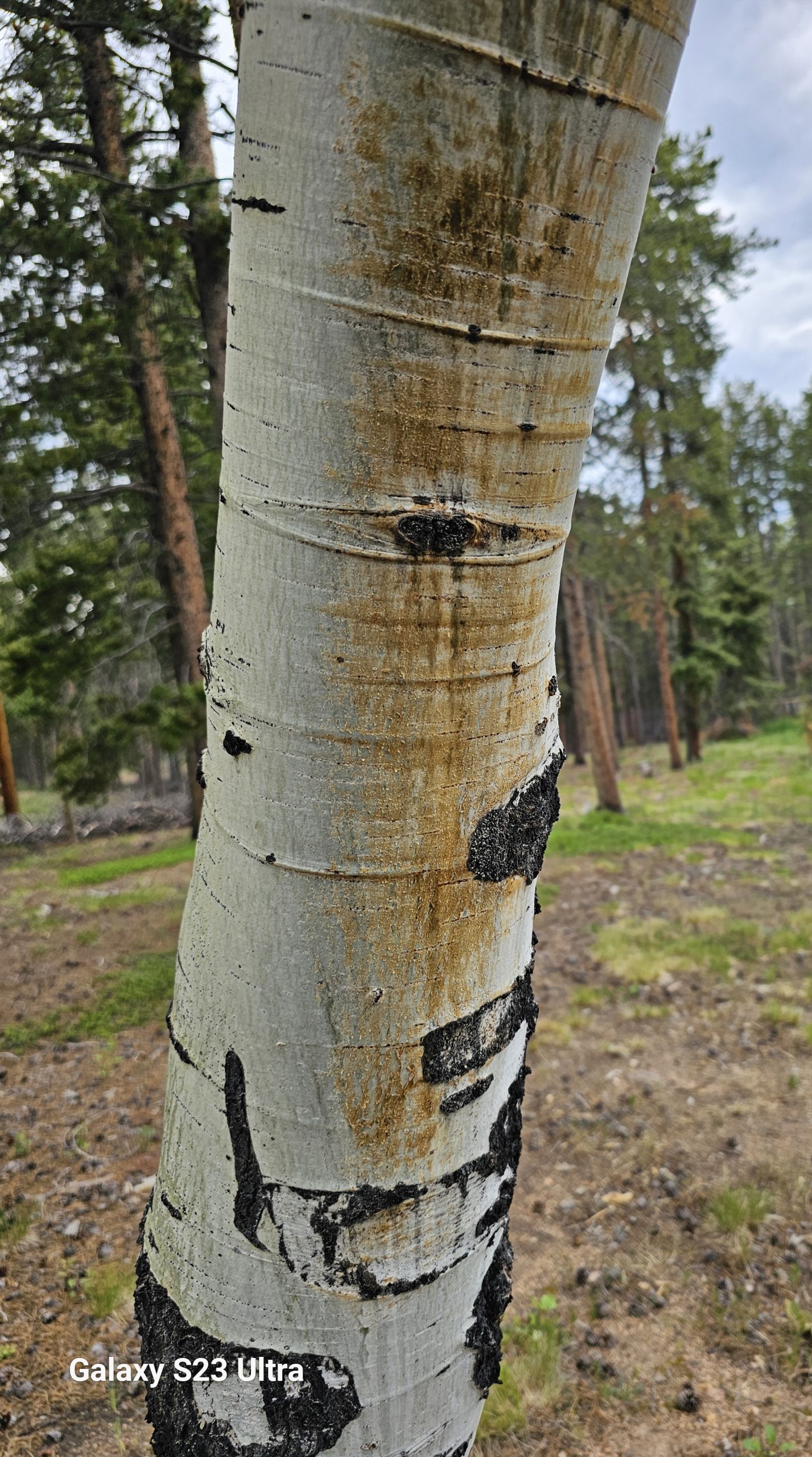
The more closely I examined him my affection for him grew. I wondered why he had this big scar, dead heartwood exposed. Looked like burn scar with all the black Bark around it, but that same coloration existed in many spots on the Trunk. Then I moved around the tree and found this pattern of discoloration on the side opposite the scar. What was that?

Oh. I see. An Elk, maybe a larger Mule Deer, scratched themselves here. Wait. Yes, the probable explanation for the big scar and maybe for his angled growth. An Elk or Mule Deer dining on his tender and nutritious Bark when he was young. Makes sense to me.

That’s not all of the insults. Two years ago his Leader cracked off and fell during high Winds. This in spite of the adaptive advantage of quaking Leaves which reduces the force of Wind gusts. I worried it might kill him, but no. He continues to grow. Sadly, I may have to cut him down sooner rather than later. He’s leaning too close to the house in the same direction from which the Winds come.

I admire Trees, Animals that take injury and accident and disease yet do not give up. Three legged Dogs, for example. Vega. And this crippled Aspen. I hope that when I do cut him down that suckers will grow further from the house. I’d be happy to see him live again in a different spot.


Herme’s Journey

Summer and the waning Bar Mitzvah Moon

Monday gratefuls: The Ancient Brothers. Great Sol. Shadow Mountain. TV. Books. CD’s. Jazz. Mozart. Telemann. Bach. Coltrane. Monk. Parker. Gregorian Chants. Rock and roll. CD player. K-dramas. Netflix. Amazon Prime. Mhz. Starlink. Conversation. Listening. Seeing. Really listening. Really seeing. The Aspen out my bedroom window. The dead Lodgepole.

Sparks of Joy and Awe: The lesser light-the Moon

One brief shining: When I go now to an airport, when I even imagine going to an airport, I recoil, seeing the old Native American punishment, running between rows of TSA employees, airline boarding agents, and crabby fellow sufferers all diminished by the experience, yet needing to pass along, like some fraternity hazing ritual, the same misery to the pledges not yet seated in their too narrow and too jammed together seats. And paying often thousands of dollars to do it.


Still enjoying a post bar mitzvah push sense of opening, of new possibilities. Herme’s Journey, which I imagined after the dream workshop last month, got sidelined a bit by the week of the ritual, guests, celebration, and the week of physical recovery that followed that one. Though. Kavod for the Trees (Honoring the Tree) has kept it alive.

Herme’s Journey followed thoughts and feelings triggered by my Wabash dream. That dream encouraged me to reenter the life vision I had when I started college almost 60 years ago. To embrace that dream of a long period, lifelong in my hopes of those years, as a student, then a scholar. With libraries and writing instruments my primary tools. With ideas and their expression as my life work.

Herme, you may recall, is the name I gave to the neon sign I had made of the Hooded Man Card* from the Wildwood Tarot Deck. The name I gave to myself in the wake of Kate’s death, of a mourner then a griever, then… I wasn’t sure what.

Herme’s Journey blends the Hooded Man Card with the first card of the Tarot Deck: The Fool. The major arcana of a tarot deck tells a story of the Fool’s journey, begun blithely, a bindlestaff over one shoulder, a dog alongside, stepping off into the unknown. In the Wildwood deck** the Wanderer’s journey is through the Wildwood. Yes. My journey, too.

The Wanderer is a beginner, the beginner’s mind at play in the fields of the psyche. Herme’s Journey is my Wanderer’s path, a beginner’s path, but one begun with the age and experience of an old man. So, Herme’s Journey.

What lies along this path? Still unclear though Trees play a central role. As does the Great Wheel of the Year and the Jewish Lunar Calendar. As the pilgrimage unfolds, I plan to explore Kabbalah, my long period of work with Ovid’s Metamorphosis, poetry and literature, myth and legend, fairy and folk tales, religion, and the arts: music, painting, sculpture, theater, dance, opera.

What will come? Again, unknown. It will be the path, not the destination. What I will do is read a lot, write, travel, think, listen, see, taste. Talk.


*The Hooded Man stood at the winter solstice point on December 21, along with the earth and the sun in the night. This is the time to be alone and contemplate life. This card describes the gates of death and rebirth, deep inside the Earth.  Hooded Man

**A central theme of the Wildwood Tarot is the interconnection of humans with the wild, with animals, and with the calendar cycle.

A Doubled Trunk, Grown Over Tree #6

Summer and the Bar Mitzvah

Tree number 6 grows near the dead Lodgepole. Like the Lodgepole Companion it lacks Branches at certain points on its trunk. The most notable feature of this tree though is what appears to be two Trunks grown together, fused now, and joined as one.

Around the Trunk opposite to this photo another, less obvious obtrusion suggested to me that my hunch was correct. When Splintered Forest came through and marked Lodgepoles for Fire mitigation, they always marked those Trees with two Trunks. They have a tendency to split apart under the pressure of high winds.

I also found several instances of what looked like Fungus, maybe Lichen. I didn’t see this on other Trees nearby and it made wonder what about this Tree attracted them.

Tree number 6 grows in a small cluster of other Lodgepoles though at some distance from its neighbors. While it is similar to the other Lodgepoles it, too, has distinctive features-Fungus, double trunk grown together, its location.

As I’ve worked on this project, somewhat episodically, a strange thing has begun to happen to me. As I drive down the hill toward Evergreen, I don’t always see the Forest. Now I see its individual Trees. Not always, but often.

I love photographs of Animals that show their distinctive personality, their uniqueness. Yes there are Dogs. But only one Kepler, Gertie, Rigel, Vega. Cattle, Horses, Sheep, Mule Deer, Elk, yes, but each one has their own history, their own unique way of being in the world.

There is an interesting foreground and background awareness going on related to this. Individual Lodgepoles. Individual Aspens. Individual Willows and White Pine and Ponderosa. That Mule Deer, curious about me, who looked in my bedroom window. I find identifying and appreciating unique individuals a good balance to the tendency to lump members of a species together.

Yet. There is a deeper oneness in which all individual, unique beings participate. We are constitutive of that oneness even as we are unique and identifiable. Our change and growth is the change and growth of the one. We are, at a deeper level, part of each other in a profound, yet too often invisible way. Somewhat like the Root system of the Trees I’ve met.

Honoring ourselves can lead us to honor what appears to our limited senses to be an other.


Honoring the Dead, Tree #5

Summer and the Bar Mitzvah Moon


Tree #5 is a dead Lodgepole in the back yard. Its Bark has faded in color to a dull brown and become brittle. Where the Bark has peeled off dead Wood shows traces of Critters that left small trails along its surface. Looking up toward the Crown and the Lead ghost Branches project out, no Needles, no flexibility, like fingers stretched out in pleading. Remember me as I once was.

A long, deep crevice runs up and down the Trunk allowing a glimpse inside. Reminds me of the necropsy on the dead collared Timber Wolf during my Wolf intensive in Ely, Minnesota. Several Januaries ago. The crevice and the biologist’s opening of the Wolf’s thorax and abdomen provided a sight not available in life except under rare circumstances. In both cases the Lodgepole crevice and the Wolf laid open I could imagine galaxies and local clusters whirling in this not meant to be seen space. Inner space, not outer space, the one suggesting the other, by the wonder of life gone from its home on the one hand and the vastness of the universe on the other.

The dead Tree stands where it grew, a corpse remaining in place. Made me wonder about the idea of death itself. We imagine death as a clear and distinct state from life. In terms of agency I suppose it is. But consider the dead tree. Birds rest on it. Woodpeckers eat from it. Squirrels may build a home there. Its roots have begun decomposing, feeding already the living Trees, Grasses, Soil microbes. When it falls, were it to remain in the yard, it would decay slowly while offering homes for Voles, Chipmunks, Rabbits and other Animals.

So death in nature has many phases, all of them useful in some way to other Creatures and Plants. Perhaps death is not so clear and distinct. In Muir Woods there were fallen Coastal Redwoods that will take decades, maybe centuries to complete their death. And throughout those Woods as in the yard here death actively supports life. Is not its enemy but instead its friend.

Does that help us, frail mammals that we are? We can certainly formaldehyde a body, put it in a box and surround that box with cement or even steel vaults. But why? To defeat the natural processes which Elk, Mountain Lion, Aspen, Willow, and Meadows filled with lush Grass not only go through themselves, but need so that others of their kind can survive? We have set ourselves apart from our Mother, rejected her ways, and visited upon her insult after insult. Perhaps the dead Lodgepole can teach us a different, better way.

The Leaning Lodgepole, Tree #4

Beltane and the Bar Mitzvah Moon


Leaning

The leaning Lodgepole is in my back. It’s not in any danger of falling, but it definitely has an angle other than 90 degrees with the soil. Makes it distinctive within its small cluster. All these Trees benefited from the thinning I did in 2015 for fire mitigation. They’ve grown bigger and stronger. I’m tempted to say leaner, too. But that would be a groaner, right?

Unlike my Lodgepole Companion and the Tall Tree in Elk Meadow Park, today’s Tree has branches all around its trunk, taking advantage of a 360 degree opportunity for solar capture. It’s also thicker at the base than those two, an altogether bigger tree in terms of volume. Not sure about height. Tough to compare yesterday’s Tree since it’s not nearby.

Bearberry growing on the north side of Leaner

Unlike Companion it has plants around its base, in this shot Bearberry. A hardy Evergreen ground cover that produces red berries in the fall. Leaner has other plants, too. One proving a bit of woodlore.

North side of Leaner. In the moss itself are varieties of lichen

This Tree joins its many similar neighbors to create a Lodgepole Grove around my drainage field.

Part of the Grove

Taller than its neighbors at Elk Meadow Park, Tree #3

Beltane and the Bar Mitzvah Moon

Occurred to me today that I can honor any tree I want. Doesn’t have to be in my yard though I imagine the bulk of them will be.

Today I had a blood draw in Evergreen so I drove up Stagecoach Road to one of the many trailheads for Elk Meadows Park. Got out of the car and walked over to the main path. On the left side of the main path was a stand of Lodgepole Pines. Though the elevation was only 7,700 feet they seemed to be doing fine.

Probably influenced by reading Wild Trees I chose the tallest of those in the grove for my honoring.

A sense of the Park
The tallest in this shot

This Tree grows in a small Grove on a slightly sloped area. A Colorado Forestry website says Lodgepoles prefer a slight slope and this Tree has found one. Like my Lodgepole Companion most of their Branches push out from the Trunk toward the Southeast. Also like my Companion this tall Lodgepole has almost no branches toward the Northwest.

Its lower Branches contained fewer male sex organs than my Companion, but shared this characteristic with its neighbors. Further up they began to proliferate. About two thirds of the way up a row of Branches had female Strobilus that were taller and fuzzier than the others. Don’t know what that means, but some of Tree #3’s neighbors had the same pattern.

The softer, yellowish pine cones are the male organs. The more erect one in the middle is female which will transform over time into serotinous cones. Serotinous cones have heavy pitch sealing the precious seeds inside. Only the heat of a Forest Fire will cause the pitch to melt and allow the seeds to disperse onto the scorched earth.

When you live in the Mountains, it is so easy to drive past the Trees, seeing them only as a barrier to accessing the slope of the Mountainside. Or, to see them and think they’re all alike. If you’ve seen one Lodgepole, you’ve seen them all. They do share many characteristics. Altitude and soil preferences. Monoecious reproduction. A thin bark. A susceptibility to Fire, especially Fires that advance from Crown to Crown. The hardest for smoke jumpers and hotshots to control.

Yet they are all different. All unique individuals expressing their full potential in that one spot where they grow, adapting their Branching strategies to the microclimate of other Trees, position on a Mountain, shelter or not from Storms, the nutrient value of the Soil.

The bark of Tree #3


My Lodgepole Companion, Tree #2

Beltane and the Bar Mitzvah Moon

My Lodgepole Companion

This Tree, a Lodgepole, a Pinus contarta latifolia, stands first in the view out of my window where I write. I can see other Trees and Black Mountain, but over time I’ve developed a fellow feeling for this Tree. Watching Snow sag its Branches. Then how they slough off the Snow. How its Leaves (needles) change color with available moisture. Right now, at the end of a wet Spring, intense green. How it waves gently in a breeze, sways from its base in strong wind gusts. How it remains in its spot, committed and content. I feel it as a literal companion, there when I need it. Always steady and strong.

My Lodgepole Companion is the center Tree in front closest to the house

On close examination I noticed it has few Branches spread toward the northwest. Other Trees in its small Grove block the sun from that direction. Its Branches have multiplied on the southeast. Right now they seem to be agreeing with my writing, nodding vigorously as a breeze contacts them. This Tree also has Branches near the ground. Due to fire mitigation needs I trim those off unless, as here with my Companion, the surface is rocky, not flammable.

These Trees grow close together. Lodgepole Forests have evolved to burn in crown Fires, then reestablish themselves anew when the high heat melts the pitch holding their serotinous cones tight. This evolution might make you wonder, why live in a Lodgepole Forest? As I do. Well. Gee. Shuffles shoe in the dust. Don’t really have a good answer to that outside of beauty and the Mountains.

I’ve got get to down to the main Denver Public Library which has a special internal library holding of books on Colorado History. The Colorado History Museum, too. I want to chase down the logging history of the Front Range, especially along what is now the Front Range corridor. An arborist I know told me, and I’d already suspected, that the whole area on either side of what is now Hwy 285 was clear cut to build the city of Denver. 285, also according to him, follows the route of the logging railroad built out as far Kenosha Pass, almost to South Park.

Here’s a map of Lodgepole stands in Colorado. I’ll later post one for North America.

I want to put the Arapaho National Forest, Conifer, Evergreen, our chunk of Jefferson County in perspective. Who lived here first? The Utes, I imagine, but I don’t know that. Why did they leave? When did the first white folks settle here? When was the clear cutting? How long did it last? What did it ruin? Enhance? When was 285 built? Our small communities, when did they come to be? Why?

My Lodgepole Companion represents a contemporary Forest grown up, I think, to replace the one clear cut at the turn of the last century.

Their (I’m using binary pronouns for the Lodgepoles since they have both sex organs on the same tree. Monoecious.) growth has a reason here in the montane/sub alpine altitude range, 8,000-10,000 feet. Not sure what it is.

Honoring the Aspen, Tree #1

Beltane and the Shadow Mountain Moon

This is the first entry in my honoring the Tree mussar practice. I will post these as I do them.

My kavanah, my intention, is to enhance my capacity for honoring all things, all Earthlings. Including humans. In this honoring means paying attention, close and uninterrupted attention. Seeing the other for what they exhibit, to imbibe their uniqueness and their interconnectedness. This uniqueness has many names: Buddah nature, soul, highest potential, essence, wholeness, image of God. In seeing the sacred reality of this Aspen I am in turn seeing my own sacredness in the process of seeing the Aspen.


When we first moved here on the Winter Solstice of 2014, this Aspen had no leaves. Tiny shoots of its clones were hidden beneath the Snow cover. But they were there.

Nine and a half years later I went out today, out front since this Tree is in the front. As I walked up to it, I noticed its Trunk’s variation between a smooth gray Bark and a wrinkled black Bark. As if the Tree could not make up its mind. I’m curious now as to the purpose of the two different types of Bark. A Spider and an Ant crawled over both smooth and rough, unconcerned.

My hand found the change in textures though they seemed more graduated with touch. The smooth Bark had some grippiness to it and also contained small raised bumps of the rougher black Bark. When I walked around the Tree, I noticed at its base a large scar, black Bark that looked like a Fire scar. Doesn’t make sense to me, but it’s a distinctive feature of this Tree and a reminder that its journey has not always been easy.

Looking straight up the Trunk toward the Leader reaching for the Sky the Bark got smoother and smoother as it went up and the Trunk got smaller. Could it be that a certain girt stretches the smooth Bark far enough that it separates and allows the rougher Bark to form? If so, why?

The most striking feature of this tree for me, on this sunny Colorado Mountain morning, danced on the ends of short stems, quaking this way and that. Throwing shadows on the Leaves behind them, then fluttering out of the way. Leaves in groups of five opened and closed each others access to Great Sol’s brilliance.

The interplay of light and shadow these Leaves put on would make a great Calder sculpture. The shifting moving Leaves were beautiful. As beautiful as any work of art in a museum.

While being beautiful, they also perform Mother Earth’s true miracle, light-eating. Turning photons into sugars. The sine qua non for all complex life on this planet.

Kavod. Honor.

Beltane and the Bar Mitzvah Moon

Thursday gratefuls: Eleanor, Tara’s new dog. What a cutie! Tara. The last practice with Tara. Using a Yod. MVP last night. Joanne’s new tooth. Rich’s weight loss. Honor. Seeing the Buddha nature in another. Seeing the sacred image in another. And in yourself. Honor the other and your self with complete attention. Early finish for my 150 minutes this week.

Sparks of Joy and Awe: Going down the Forest path

One brief shining: Reach out a hand, feel the roughness, the curvature, perhaps put a finger into one of the fissures, sap or resin may stick to it, may have the scent of a Pine Tree, a Pinus contarta perhaps, or one of the Ponderosa Pines a bit lower down the Mountain, their Bark their persona their face to the world, a point of contact between the inner and the outer Tree.


My mussar practice for this month: honor as many of the trees growing around my house as I can. That is, see each of them as an individual, stand with them, look up, feel their trunks, note the marks of their individuality, their uniqueness. Honor the journey of that Tree from seed to maturity. Honor the work they do above and below ground. Remain in their presence. Listening. Smelling. Touching. Seeing. Hearing.

The Branches as they wave up and down in a morning breeze. Their rampant Strobilus ready to send pollen out to the female flowers. The green Leaves (I know, needles. But this is what botanists call them.) growing in brush like clusters up and down each Branch. Their stillness. Their occupation of one spot for the duration of their life. The Bark, protecting. How the Branches may stretch out only in one direction. The Trunk sways in the Wind. Their height. Even the Lodgepoles are taller than my house, my garage.

Working on my new purpose. Reading. Observing. Thinking. Not sure where it all will lead. The fun in it.

Noticed last night driving home late from my MVP group at the synagogue. Trees. The same Trees that were there on my drive down. The Arapaho National Forest. Mostly Lodgepoles. Realized how difficult the density of the Lodgepoles would make a night time hike. How instead of welcoming they became menacing. Barriers to easy travel. Trees change character for Forest dwellers depending on the time of day.


Just a moment: I’ve made a couple of decisions. First, I will sell this house when I’m 80 and move to an apartment somewhere close to Joe and Seoah. Why? They finish up in Korea the year I turn 79. I want to be close to them as I head further into the thicket of aging.

Second. No more doom and gloom about the orange one. Or MAGA. Or the convinced. No. I’m 77. Life’s gotten a lot shorter. I’m going to continue living my life no matter what happens politically. I may engage or I may not. What I will not do is succumb to despair, constant anger, bitterness.

Scanned

Beltane and the 1% crescent Shadow Mountain Moon

Wednesday gratefuls: IV’ed. Radioactivated. Scanned. Freddie’s. Being kind to myself. Wild Trees. Coastal Redwoods. The tallest Trees on Earth. Steve Sillet and Michael Taylor. Timber cruisers for the Trees. Marie Antoine. Climbing Trees like an arborist. Treeboats. Forest-Canopy science. Redwood Crowns. Whole Biomes. My Lodgepole Companion. Pinus contarta latifolia.

Sparks of Joy and Awe: Shekinah

One brief shining: A butterfly I.V. attached to a vein in my forearm, saline introduced, then a closed lead canister opened, and a syringe pulled out with 5 milliliters of liquid radioactive agent in its barrel, connected to the IV, a push, and $13,000 worth of a cancer discovery tool went into my bloodstream, after that I sat back and read Wild Trees while it distributed throughout my body.

me and the machine


See my tilt? Spinal stenosis. My t-shirt got a laugh from the P.E.T. scan nurse and tech. I told the tech doom and gloom would not get me through all this. But humor sure helps.

Proud of myself. I fought the phobia and the phobia didn’t win. This machine is optimal for me in that its doughnut hole is relatively short in length and the top of the hole leaves room above my head. Most important for me: I could see out the whole time. (ha) I ran through several iterations of inner dialogue about fear. The only thing you have to fear… Thanks for that, Winston. Face your fear. I am. I didn’t take drugs. Yeah? Then open your eyes. I did. The doughnut hole was above me, but I could see the room beyond. And I felt calm. A major advance for me.

Still couldn’t do a bone scan without drugs. The distance between face and machine is much narrower and the slot for the body is much longer. And the procedure is very slow. Hopefully no more bone scans.

I don’t like to do drugs because they require that I have a driver. It’s a long time for a friend to wait and someone has to clear their schedule. Though. Alan did say I was very amusing after my first P.E.T. scan. Valium, if I recall correctly.

Results in two or three days. Have to get signed up for Rocky Mountain Cancer Care’s online patient portal. Then I can see the radiologists report for myself. Don’t talk to Kristie until next week.

Oh, the places I’ve been.


Just a moment: Been reading Wild Trees. A wild Tree is, in the slang of arborists and tall-Tree climbers, a tree that has not been climbed. Up until the 1990’s that included all the Coastal Redwoods. Climbing these tall Trees requires a high degree of technical climbing knowledge plus athletic climbers. Until Steven Sillet climbed Nameless, no one had ever been in the Redwood Canopy. His rash and dangerous efforts not only made him the first, but started him on a career as a Forest-Canopy Botanist. He and his wife Marie Antoine, also a climber, teach at Humboldt College in Arcata, California to this day.