Nice Day For A Walk

Fall                                                                         Harvest Moon

A guy trudged along the same trail I was on, dressed in full camo but with the jacket open and t-shirt spread wide by a belly yearning to be free. “Nice day for a walk,” he said.  “Yeah.”  He was a bow-hunter with six yellow feathered arrows and a compound bow.  When I got back to the parking lot, I saw his truck with a large sticker, Life Begins At Full Draw.  A bow hunter with his bow-string fully extended.  He had another large sticker, “Born to Fish, Forced to Work.”

A bit further along a Hmong man in blaze orange vest with a rifle slung on right shoulder.  “Hi.”  “Hi.”  Only a moment before meeting the bow hunter I had decided to turn back.  I had no orange vest and wanted to be safe.

When I drove up here, only 3 maybe 4 miles from home, I’d discovered that this new state owned land was a conservation area, not a scientific and natural area as I had remembered.  The difference is that you can ride snowmobiles at Cedar Creek Conservation Area.  You can hunt.  You can also hike of course, but…

Armed with my smart phone I looked up Minnesota hunting seasons and found that it was bow season for deer and hunting for small animals and certain birds.  Didn’t seem I’d be confused for any of these since bow hunters have to be fairly close and have a good sight line, but out of, as the politicians say, “an abundance of caution,” I had begun my exit.

It was a spectacular day.  64 degrees.  Clear skies.  A light breeze.  Just right.  As often happens in northern Anoka county, it felt like up north with woods and meadows.  Imagining myself on a trail outside of Ely was easy.

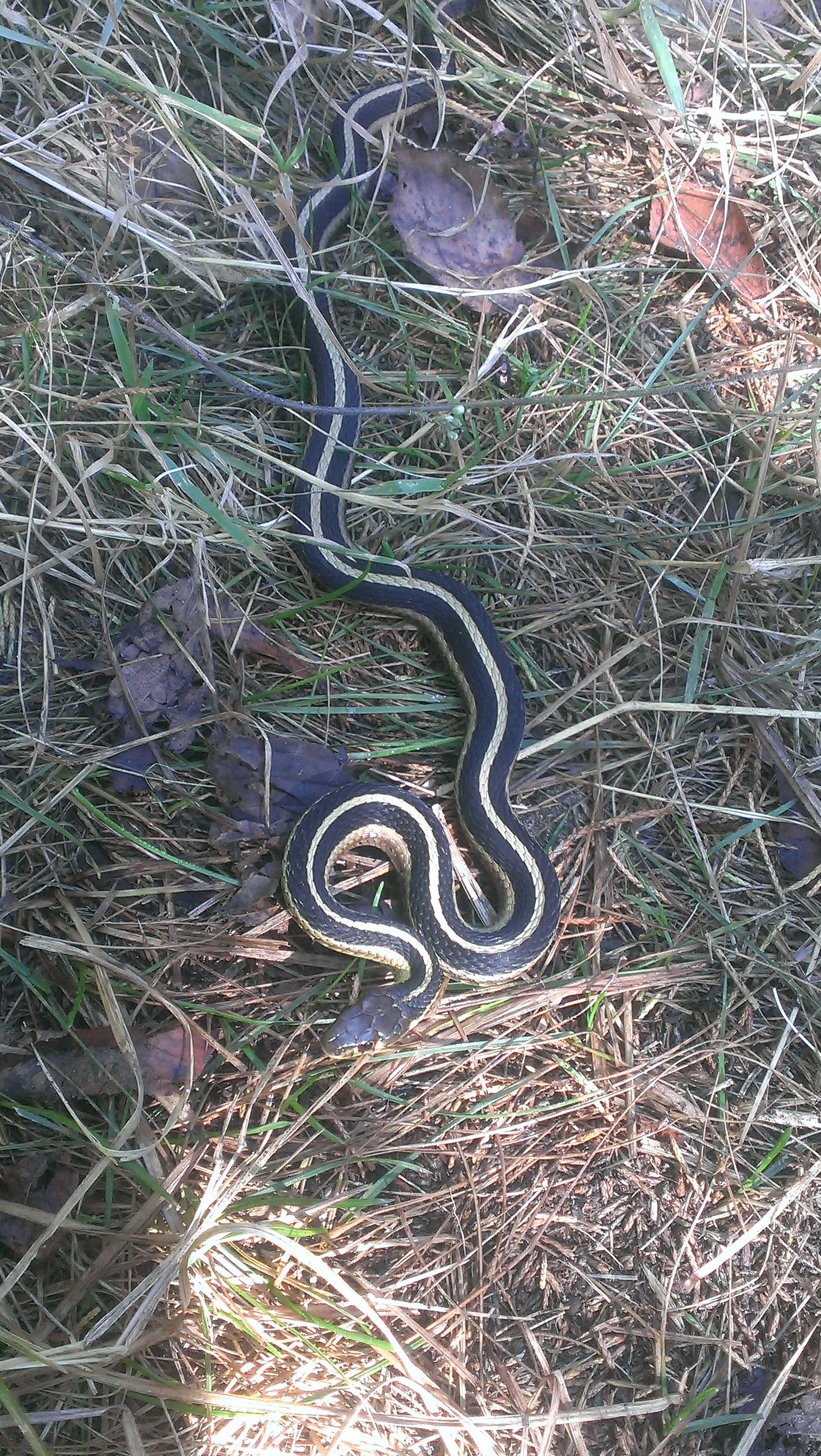
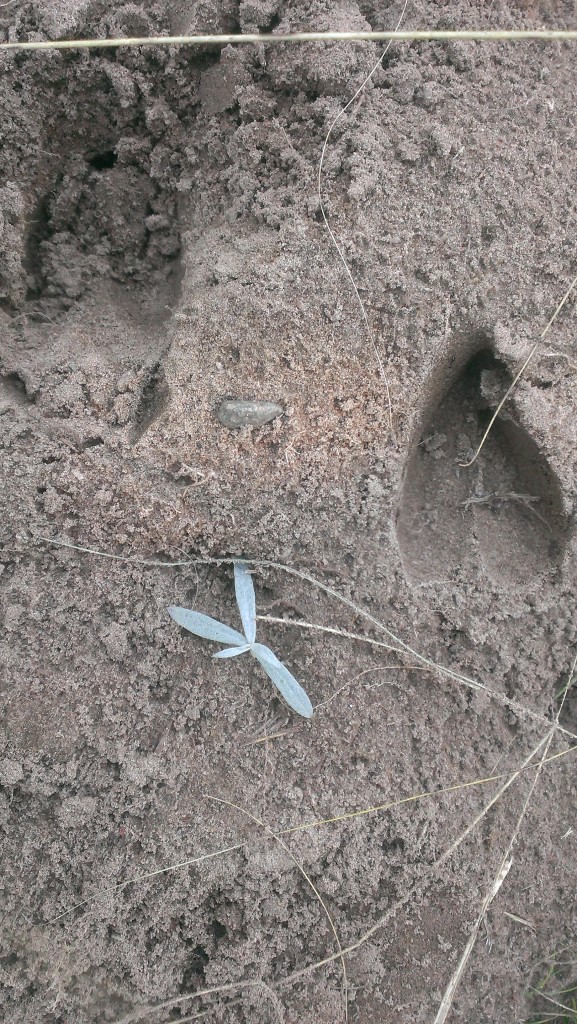
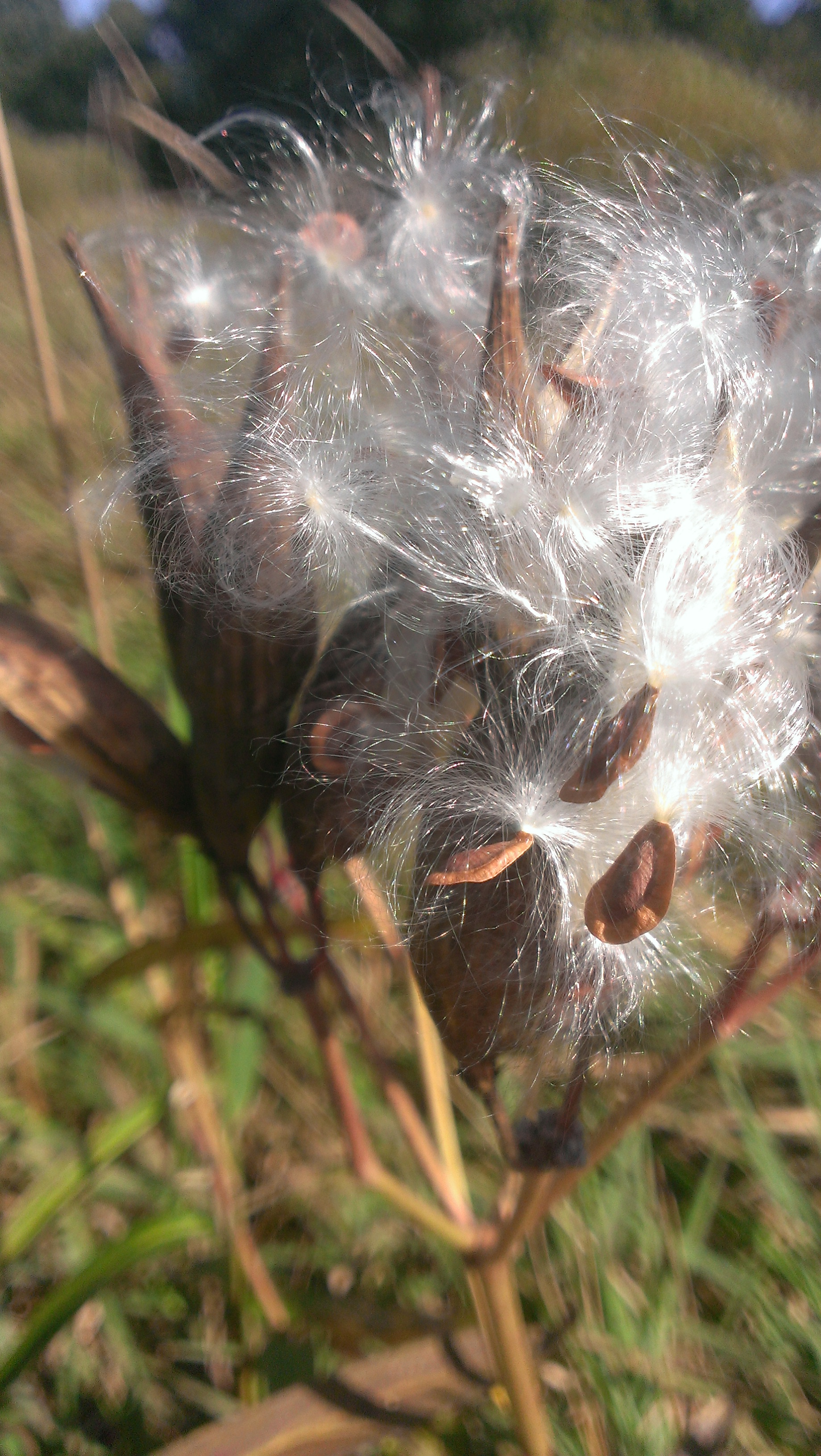
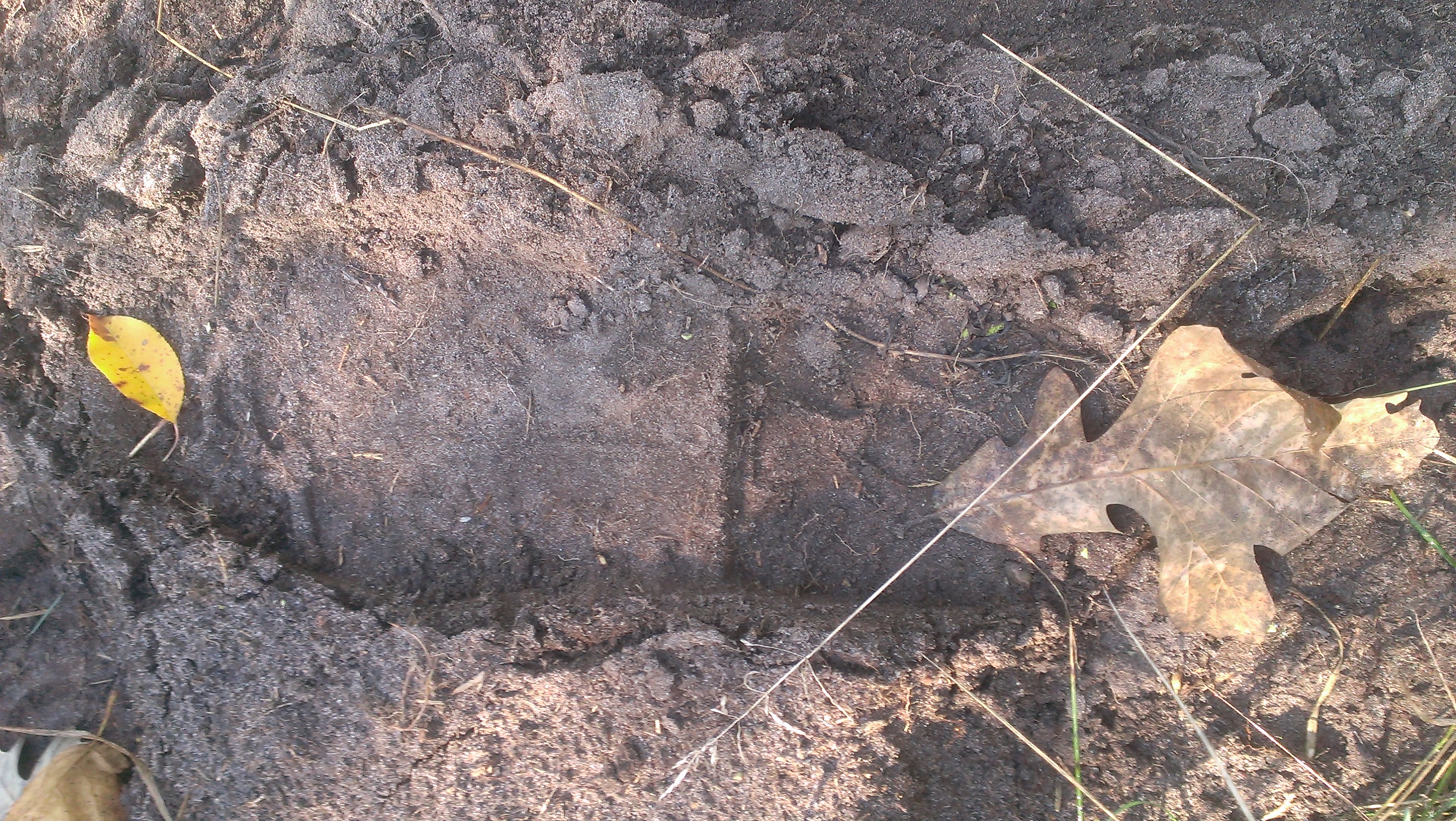
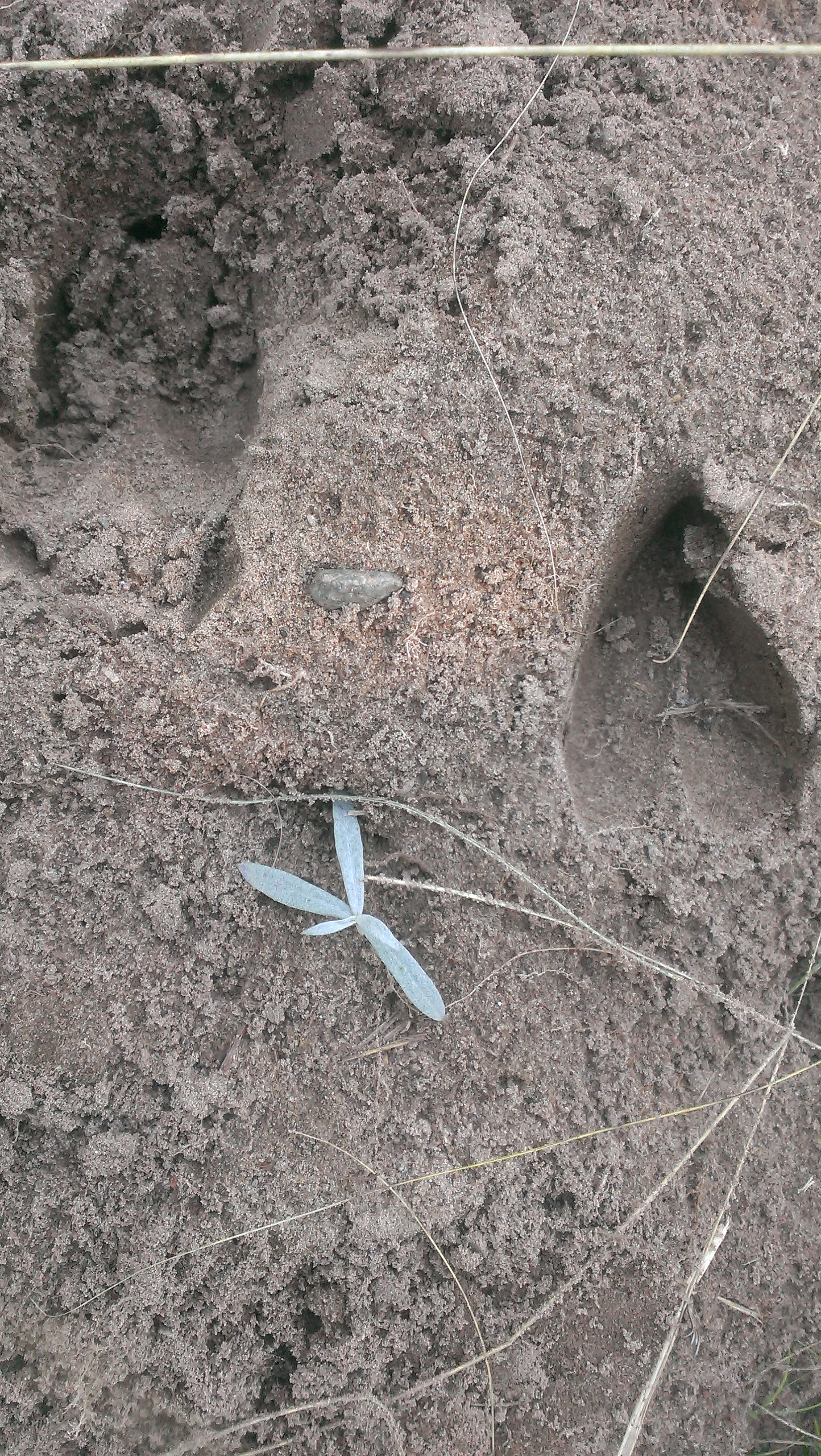
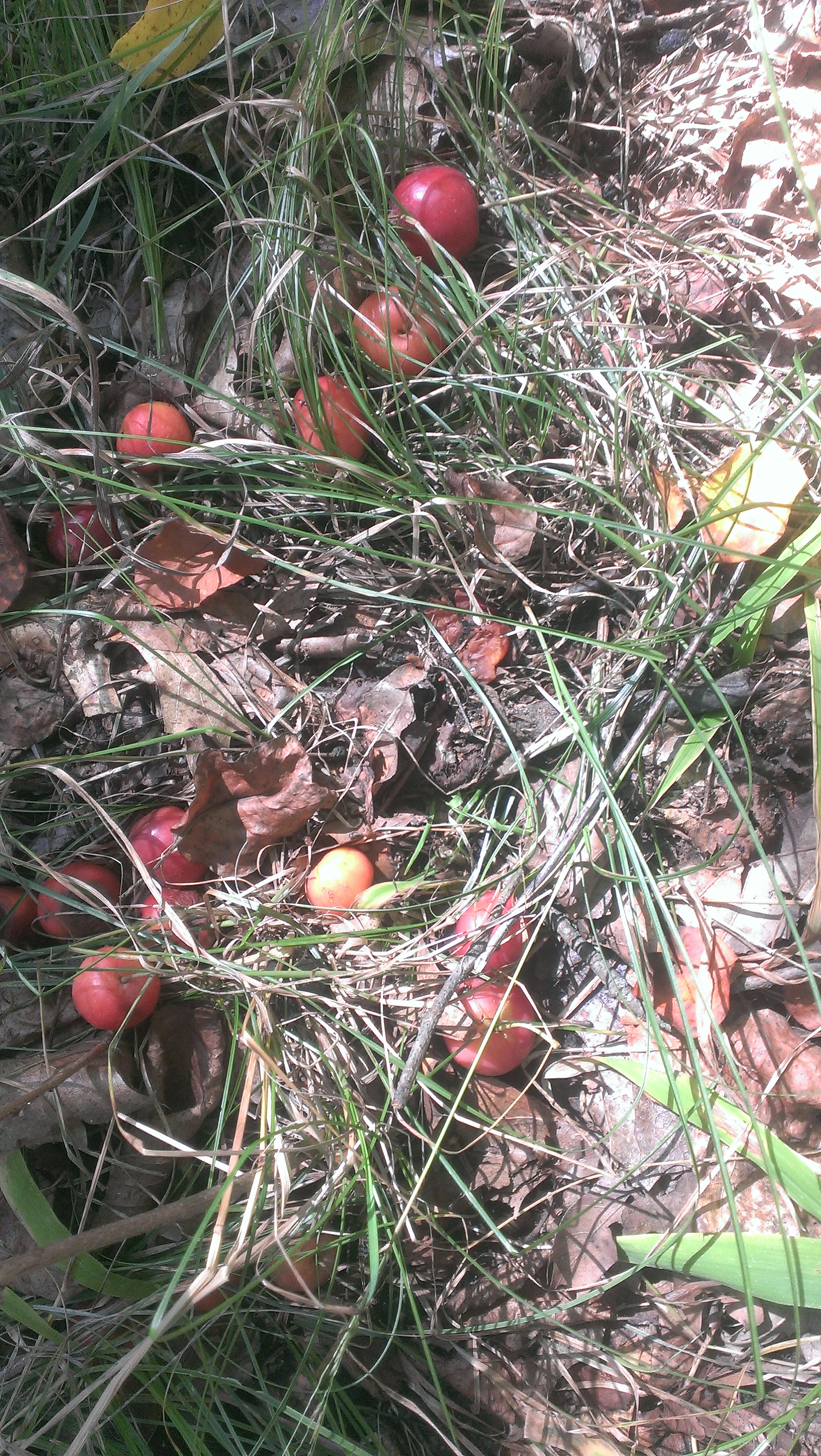
Here are a few things I saw:

IMAG0966

IMAG0978IMAG0984IMAG0989

IMAG0971

Mabon. Fall Equinox. 2013

Fall                                                                  Harvest Moon


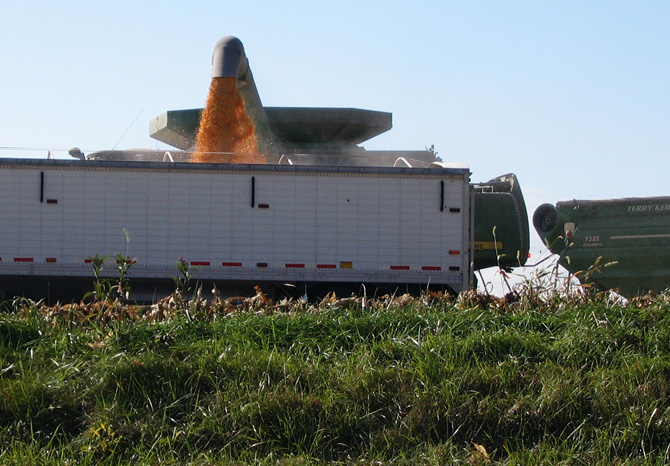
Yes, today we move beyond the first harvest festivals, the fairs and markets of August, into the period most folks associate with the harvest, the time when farmers all over the Midwest are in their fields with combines and corn pickers, gathering in food from one of the largest areas of food production in the entire world.  And, yes, we can certainly agree that the form of this agriculture is not sustainable and further that the amount of the corn crop turned toward corn syrup or ethanol makes no sense (and it doesn’t), but those of us who grew up here and continue to live here feel a certain synchrony with the land at this time.

2010 10 04_0351

As I’ve said here for the last six weeks, at the garden level, most of the  harvest is already done, but the big cash crops like wheat, corn and soybeans aren’t ready until late September or early October.  This is the time, in the plains states, when the huge custom combine companies will sweep the fields of wheat.  It is also the time when the corn pickers and soy bean harvesters enter the fields.  These crops are the chief cash crops in Minnesota.  So, it’s the harvest moon that hangs over this work, which often goes into the night, not over the warmer nights of August.


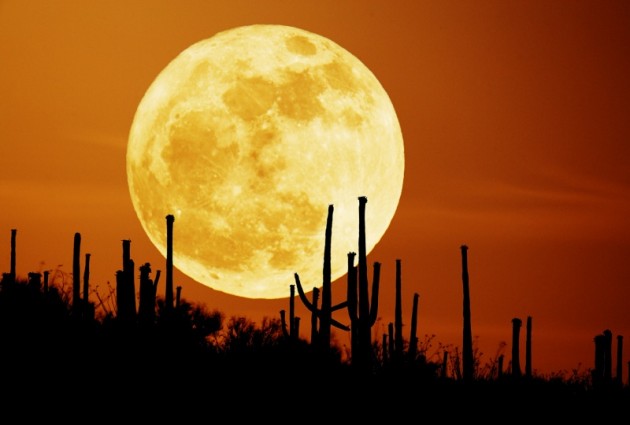
The harvest moon is the full moon nearest to the fall equinox.  The moon today is 90% full and waning and today is the autumnal equinox or what neo-pagans call Mabon.  The aspect of the equinox that speaks most deeply to me is the transition I mentioned yesterday from a day dominated by light toward a day dominated by dark.  This process now tips over in favor of the dark, though today is, roughly, a day when the two balance, 12 hours for each.


The Crone, Ian Harriot

But there are other ways of marking Mabon.  The Wiccans celebrate Mabon as the transition from Mother to Crone for the Goddess and the preparation for the death of the God.  You may recall from earlier writing about the Third Phase that the Wiccans mark the year into thirds:  Maiden-Mother-Crone.  So we now enter the seasonal equivalent of the Third Phase, the harvest either full in or almost so and a time of enjoying the fruits of the harvest, of resting, of concentrating arrives.


(Hades and Persephone in the underworld Seated on A Throne in the form of an Eagle’s head with Cerebus before Them.  Artwork Location  Bibliotheque Nationale, Paris, France)

An ancient Greek myth, the story of Demeter and Persephone, explains this seasonal turn, too.  This is the time when Persephone pays for having eaten the pomegranate seeds while in the underworld.  She returns to live with her husband Hades and reign as his queen.  Her mother, the goddess of grain, of the harvest and fertility, goes into mourning as her daughter disappears.  Plant life shrivels as she withdraws from it, only reviving when Persephone returns in the Spring and with her Demeter’s joy.

Wholeness

Lughnasa                                                                  Harvest Moon

Mabon eve.  The night before the fall equinox.  Tomorrow the light loses its struggle to own more than half of the day, a gain achieved back at the Summer Solstice in June.  From this point on the light diminishes and the darkness increases to its zenith at the Winter Solstice.

Been meaning to report on an interesting feeling I had at the Woolly meeting on Monday night.  I took two pies Kate had baked:  ground cherry and raspberry, both of fruit from our garden.  I also took a box of honey from our  hive, Artemis Honey with the label made by Mark Odegard.

When I left, after having sold 18 pounds of honey, I had a feeling of wholeness, that’s the best way I can describe it.  I had worked all season on the garden, the orchard and with the bees and somehow that evening I felt one with it all.

When I told Kate how I felt, I said it felt like something private was made public, that those two worlds knit together in one moment.  She said she got a similar feeling when she took food for a group, as she did so often for work and as she does now for her sewing days.

It was a good feeling, however understood.

A Hymn to Ecstasy

Lughnasa                                                             Harvest Moon

Here’s my submission for the first writing assignment in ModPo.  The poem itself is below the essay this time.

The poet drinks deep of creative ecstasy and tastes this ecstasy as a liquor, though not one found in package stores. It is a liquor that needs only the alembic of the mind and heart. She drinks it from a lidded beer hall stein, but one filled not with liquid but with pearl or pearls. It’s used for finer stuff than Alcohol. The Rhine is the chief wine producing area of Germany now and was in the mid-nineteenth century, too, but even the famous Rhenish wine makers could not produce a liquor to compare with creative ecstasy.

The poet’s intoxication can come, too, from breathing as well as drinking. She is an “Inebriate of Air.” Perhaps here in stanza 2 she is on an early morning walk, breathing in the cooled air of the night and getting wet (and intoxicated) from the dew as well. She lifts her feet and begins a dance, a reel(ing). This dance becomes an ecstatic one, like whirling Dervishes, that continues “thro endless summer days”. She visits these days from “inns of Molten Blue”. This could be the gambreled sky of “Tell all the Truth but tell it Slant.”

“Landlords” (sober uprights) remove the drunken (ecstatic) bee from the Foxglove, the flower or a pub or bar or inn. The disciplined Butterflies renounce their “drams”, their tots of liquor. Renouncing is a temperance flavored term or a religious one related to repentance. The poet will not allow, however, forcible ejection from her ecstasy nor will she willingly renounce it. In fact, she will drink more.

Through the first three stanzas the metaphor shifts from Alcohol to pantheistic enthusiasms and then to nectar, remaining within the secular realm. The poem then appears to curve acutely toward the religious.

We come, in sudden sibilance, to Seraphs and Saints in the fourth stanza. Seraphs were fiery angels, the burning ones, who flew round and round the celestial throne singing holy, holy, holy. Saints, in the context of New England Calvinism, referred to church goers, not Catholic saints, but church goers still. Both the burning ones and the ordinary Saints of the church stop their explicitly religious activity, the Seraphs “swinging their snowy Hats” and the Saints to (church?) windows run. Drawn by voyeurism toward a pagan ecstasy, they see the poet, the little Tippler, the inebriate of air and debauchee of dew, leaning.

Ah. Does she lean on the everlasting arms of Jesus or in the strong arms of the Father? No. In spite of Dickinson’s staid Christian environment we’ve never really left the inner and pantheistic ecstasy of stanza’s one through three. Sufi poets write often of inebriation and intoxication as euphemisms for religious ecstasy. The poet, the little Tippler, returning to the liquor metaphor of stanza one, has a similar, but secular meaning in mind. She leans against the Sun, the burning one that exists within this realm, a metaphor for her creative ecstasy.


I taste a liquor never brewed –
From Tankards scooped in Pearl –
Not all the Vats upon the Rhine
Yield such an Alcohol!

Inebriate of Air — am I –
And Debauchee of Dew –
Reeling — thro endless summer days –
From inns of Molten Blue –

When “Landlords” turn the drunken Bee
Out of the Foxglove’s door –
When Butterflies — renounce their “drams”
I shall but drink the more!

Till Seraphs swing their snowy Hats –
And Saints — to windows run –
To see the little Tippler
Leaning against the — Sun –
 

Pedagogy. Distributed.

Lughnasa                                                               Harvest Moon

Cooling down.  Again.  Good. But. I’m waiting for a light frost to plant my garlic.  Looks like I might wait a while.

ModPo (Modern and Contemporary Poetry) has given a lot of thought to pedagogy.  They’ve imagined ways to get folks to interact in non-judgmental ways, no grades or points on the essays, for example.  The essays themselves will be peer-reviewed by at least 4 fellow students (the norm for MOOCS) and Modpo will post, after the essays are in, a close reading video on the poem about which we wrote our essays.  In addition, the essays and their assessments will be posted to forums.

(Douris. Man with wax tablet)

The forums themselves, which encourage discussion of individual poems, are open-ended and helpful.  A part of getting a certificate is posting to at least one thread on a particular poem each week.  This pushes each of us to engage the online discussion.  A good push.  Otherwise I might ignore the forums or be a lurker.  This is an each-one teach one pedagogy with quality information and guidance.  Perfect, from my perspective.

In other MOOC news this week MIT plans to start offering what it calls Xseries classes.  In the first instance this will be seven MOOCS on computer programming and networking.  At the end, for $100 a class, $700 total, the student can get a certificate of learning from MIT.  They consider the Xseries to be equivalent to maybe 2-4 classes on campus.  This is exciting because it begins to open the door to degrees earned through MOOCS for little cash, making high quality education available to more and more people.

None of the MOOC entities, Coursera, Udacity or Edx, are, as the article announcing the Xseries said, universities, but the Xseries suggest that sentence could have ended with yet.

What an exciting time of autodidacts everywhere.


Loki and Scansion

Lughnasa                                                                                                            Harvest Moon

“Someday you will be old enough to start reading fairy tales again.”  C.S. Lewis

After a day with Loki and scansion, I got tired and was happy to have supper and watch Wire in the Blood with Kate.  Loki’s fascinating, an original bad jotun, and just can’t help making mischief, a festering ball of chaos.  He’ll make a great character once I figure out how to include him in the story.

(Gullinbursti, the Golden Boar.  Part of the Loki saga)

Scansion, on the other hand.  Oy vey!  I find recognizing meter, the stressed and unstressed syllables difficult.  I’ve never learned it and I need to now in order to finish my essay on Dickinson’s poem.  After locating some handy brief exercises, my head hurt.  So, I stopped.

Tomorrow.

The gong fu cha goes well.  I have a rhythm with it now and I produce six pots of tea out of a single batch of tea leaves.  The last two infusions, surprisingly, are the best.  At least so far.

A Coarse, Tactile Spirituality

Lughnasa                                                                    Harvest Moon

While out preparing beds for bulb planting later this fall, I thought over the post I’d made below.  Spirituality is not the best word for describing what I was talking about, I realized. At least it’s not in metaphysical terms.  I’m talking about a here and now, sensory delivered experience.

In a broader sense, and as I think it is often used, spirituality refers to a mode, event, ritual that makes present, even if momentarily, our connectedness.  In traditional religious circles that connectedness links up to what Kant would have called the noumenal realm, the realm beyond our senses.  Nietzsche put a stop sign to philosophical consideration of the noumenal, a problem for Western philosophy since the Platonic ideal forms, when he said God is dead.  That is, the noumenal realm is not and never was accessible.  If it ever was at all.

Using spirituality in this latter sense–the revelation of connectedness however it comes–then my use of it was just fine.

Just now I looked out my study window and to the north the sky was black and to the east a sickly green cast hoovered near the horizon.  When my eyes read that green, my stomach sank, just a bit, the fear engendered by growing up in tornado alley struggling to assert itself, demand my attention.  Survival at stake!   Red alert.  This was a moment of awe, a reminder of the power nature can bring to bear.  It was a spiritual moment in its sense of immediate connectedness between my deepest inner self and the world within range of my vision.

These are small epiphanies, yes, but they are available. This coarse, material spirituality, tactile in its immediacy reminds me, in definitive manner, of who I am and of what I am a part.  Do I need more?

A Coarse Spirituality

Lughnasa                                                                   Harvest Moon

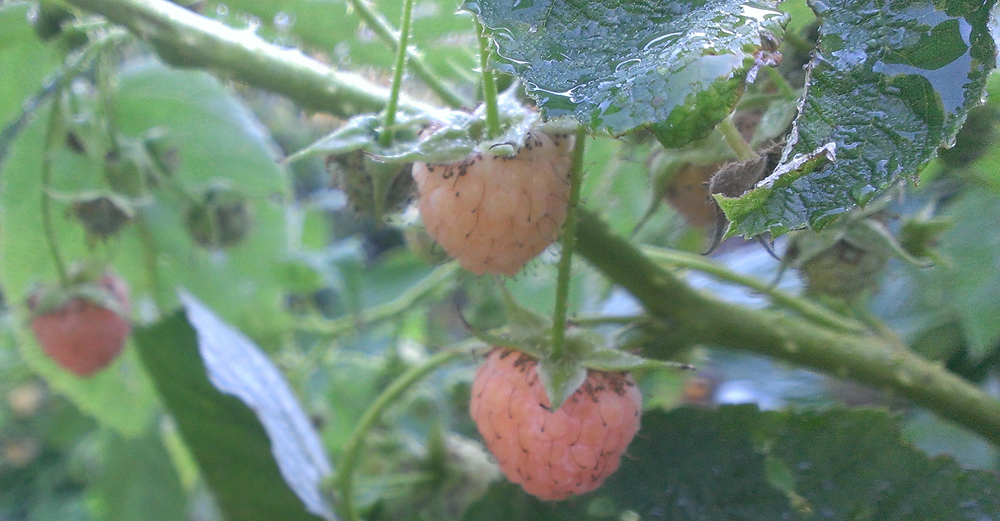
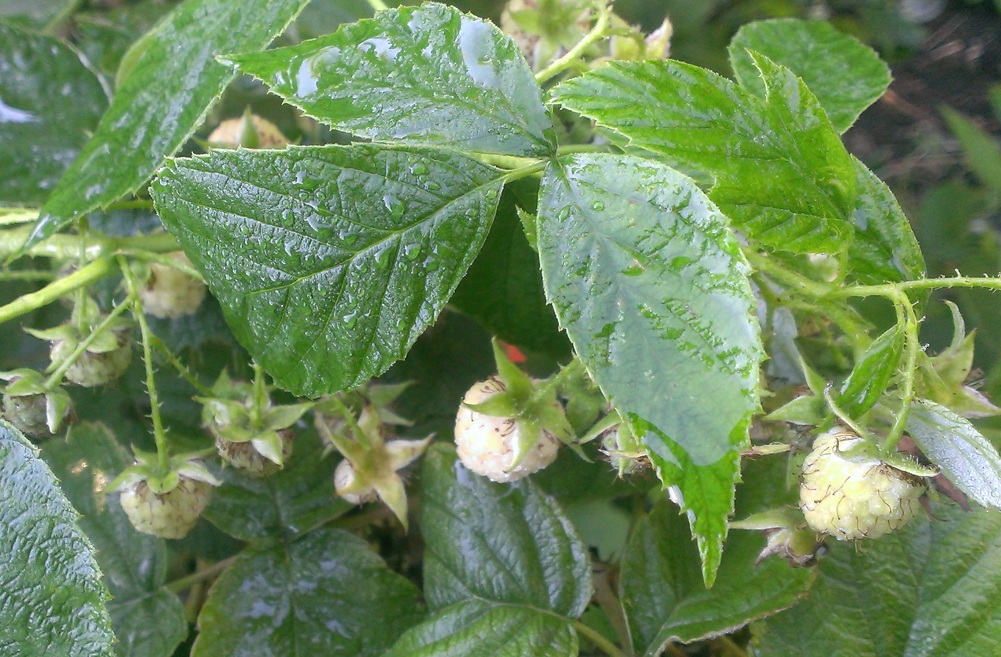
Yesterday in the midst of wet raspberry canes, plucking fruit from thorny yet fragile IMAG0955cropped1000branches, the spirituality of the moment grasped me.  The canes stuck to my sweatshirt sleeve; the water soaked into my jeans.  This was the real in all its obstinate presence.

Last February Kate and I did some winter pruning and I cut last year’s canes down to the ground.  We were late getting this done, but the timing was alright.  Now, eight months later, those same plants had burst up, some over my head and drooping with golden and red-purple berries.

The garden, the orchard, the bees each reward us: tomatoes, carrots, onions, apples, cherries, pears, honey.  A virtuous circle, we care for the soil and the plants and the trees and the hives, they in turn offer something we can eat.  Eat.  Think of that.  This is the true and definitive instance of transubstantiation.   Eat this cherry and remember me.  Eat this IMAG0956cropped1000carrot; it becomes me.  It becomes me to eat this carrot.  The soil and the plants here give of themselves that I may not perish.

Thus, to be among them, feeling them pluck at me, rain water dripping off them onto me is a coarse prayer, a baptism by holy water made clean and pure in the clouds then delivered unto us by the morning rain.

Amen.

#42

Lughnasa                                                               Harvest Moon

Saw 42 tonight.  A story about which I knew little, a bit surprising since the Brooklyn Dodgers were my team as a boy.   I can remember listening on my transistor radio to Dodger games as I carried my paper route.  When I saw the dates of his early days in the bigs, 1947 and 1948, though, it became clear to me why I was uninformed.  I was less than a month old when he got called up to Brooklyn.

The back story to his big league days showed what a remarkable man he was and Dodger owner, Branch Rickey, too.  This was a story of personal courage more than one of social change though some change did occur.  It was a heroes journey.