Clybourne Park

Summer                                                                          Solstice Moon

Theater has been a passion of mine since early high school.  I acted in high school, college and seminary, quitting only when the time demands of theater exceeded what chunks I could give.  Not only did I act in college, but I had nearly enough credits for a theater minor, most of those credits in the history of theater.

Live performance, perhaps even more so in the age of high technology, has a sacred aspect, as it did in antiquity.  It bridges the solitary creative act in the playwright’s mind and yours with real people, not paint or notes or words on a page, but people who choose to imagine themselves into other people’s lives and feelings.

Tonight it was Bruce Norris’s edgy, often nasty Clybourne Park, a play willing to grasp the charged cable of race, in this case a cable stripped of its insulation, fully alive to our past and present predicament.  This play is worth reading, but even more it is worth seeing.  It is on the page minimalist, clever and spare; but on the stage it snakes like a downed power line, sparking here and there, totally dangerous.

( photo of the Guthrie performance)

If you believe race has settled down in our culture, see this play.  It will remind you that the road is long and the journey often bleak.

Happy Independence Day, World!

Summer                                                                Solstice Moon


It is now the spring, then summer, then winter of our discontents.  We have had the Arab spring, now the vinegar rebellion in Brazil, the dislocation of Egypt’s president, widespread disruption in Istanbul.  There are those who say China’s population boils just below the eruption point.  We had the tea party rebellions here as well as the Occupy movement.

I’m not smart enough to know if these protests have some deep underlying connection, one feeding them in a Geist’s subtle movement, but I have my own experience of rebellion and protest.  People rebel for noble reasons, pacifists against war, for self-interested reasons, being draft eligible during a war, for ideological reasons, to support the masses, for the thrill of it, for the fun, for the sex, for the party, for the rock and roll.  And for various combinations of these reasons.

And, I think, increasingly because they can organize with greater ease.  When the main means of communication were leaflets handed out or stapled to telephone poles, phone calls from landlines, or mass meetings, getting folks to one place for an event had more steps, entailed more volunteers, demanded more discipline.  Now an e-mail can go out, a twitter feed, a facebook posting and all those connected can convene.  If they do, and I’m sure they do, use the old organizers trick of having each person contacted invite two more, then all you need is the grain of wheat on one corner of a chess board to see how vast crowds can become.  Fast.

It may be, just might be, that there is something in the water these days that says we’ve had enough.  Of authoritarianism.  Of despotism.  Of ham handed religious pronouncements substituting for policy.  Of the rich gathering in more and more while barricading themselves in enclaves of glass and steel.  Of the rich putting cordons around privilege and assets.  It’s bound to get noticed at some point, isn’t it?

Whatever it is, I find it hopeful.  When people finally decide to act, politicians will learn the truth that all governments get their power from the consent of the governed.  Some choose to give away their power because of fear or religious belief or ideological commitment, but push people far enough and those bandaids over the cancer of elitism and oligarchy will get ripped off.

That’s not to say that protest and rebellion are without their costs.  It is no accident that the conservatives among us fight to ensure order against frivolous assault.  The break down of public order is a dangerous moment, as much for the protester as for the protested against.  And revolutions don’t have a wonderful track record of ushering in utopia.  Far from it.  But I consider these actions against the leaden weight of tradition and scorn. Whether in a particular instance they achieve the goals they seek may not be so important as demonstrating again, and again, and if necessary yet again, that no government can ignore its people, allow the unchecked aggregation of wealth and influence, without peril.

This is, I suppose, why that poster boy of the Tea Party crowd, Thomas Jefferson, wrote the following words, which we celebrate tomorrow:

“Governments are instituted among Men, deriving their just powers from the consent of the governed, –That whenever any Form of Government becomes destructive of these ends, it is the Right of the People to alter or to abolish it, and to institute new Government, laying its foundation on such principles and organizing its powers in such form, as to them shall seem most likely to effect their Safety and Happiness. Prudence, indeed, will dictate that Governments long established should not be changed for light and transient causes; and accordingly all experience hath shewn, that mankind are more disposed to suffer, while evils are sufferable, than to right themselves by abolishing the forms to which they are accustomed. But when a long train of abuses and usurpations, pursuing invariably the same Object evinces a design to reduce them under absolute Despotism, it is their right, it is their duty, to throw off such Government, and to provide new Guards for their future security.”
Citizen

Summer                                                                  Solstice Moon

Some heat.  A few flags.  Fireworks.  Gotta be the 4th of July.

In summer my thoughts often turn to our nation, its history, its struggles, its meaning.  Something about ice cream, watermelon on the front step, fried chicken that stirs up thoughts of Bunker Hill, Paul Revere, Antietam, Shiloh, O, Pioneers.  Often I follow those thoughts into books or movies, then at some point later a journey.

Like one I took down to Vicksburg to better understand the Western campaign and the true battle that determined the war.  Or, that time I stopped in Abilene, Kansas to see Eisenhower’s library and later in Independence, Missouri to see Trumans, then Springfield, Illinois where I saw Lincoln’s grave, the historic district, the new library and the village.  Just this year I wandered through Mount Vernon and saw the Washington and Lincoln Monuments.  Again.

This time, this year not so much of a jolt, U.S. history seems dormant for me right now, though the coming of the 4th does nudge me some.  Over the years I’ve been part of the radical left critique of Amerika, cruel hegemon, flawed defender of freedom and liberty.  And most of those critiques were true.  We keep down the poor, set aside people of color and women, too often intervene in other countries when we should stay at home, tending to our bridges and roads and epidemics and children requiring villages.

Yet now, older and more rooted here.  A devoted Midwesterner of some 66 years residence.  Yet now, I find this country my country and I do love it.  No, that does not mean I’ve slapped a love it or leave it bumper sticker on the Rav4.  It simply means that this is my home.  That I am an American, a citizen and a proud of these United States.

If love means unquestioning obedience to the government, then, no, but if love means standing alongside no matter what, without giving up the right to act as a citizen must, then yes.  These are my people and I am of them.

Here’s an interesting look at what it means to be an American now by scholar Terry Eagleton.  Worth the read.


Giving Hotshots A Good Name

Summer                                                                  Solstice Moon

Several years ago Kate and I rented a cabin on Snowbank Lake.  One morning I set out on a hike that would take me near Snowbank Lodge, a good ways from our resort.  As I hiked in the woods, it was late September, I heard voices, then chainsaws.  Not far ahead I saw a group of young men working hard, mostly clearing brush.

When I approached them, I learned they were a group of hotshots from Utah.  It was a slow fire season out West that year so they had come to Minnesota to do preventative clearing after the blowdown in 1999.  These were polite, ropy muscled kids, none of them more than 22 or 23.

They lived at Snowbank Lodge, closed for the season.  They worked hard, went back to their bunks, got up and did it again.  Probably a life similar to the old lumberjacks.  I remember being struck by their dedication to their work, their level of seriousness, yet the way they did their work with humor and lightness.

That group of young men were the first thing that popped into my mind when I read about the deaths in Arizona.  Their are many groups that act out of the light of publicity,  usually poorly paid, doing something they love that benefits others:  firefighters, hotshots, emt’s, police (most of the time), mosquito control, game wardens, fish and wildlife folks, ski patrol, most of the armed services.

We think of them, typically, when they die, calling them heroes.  Not heroes in my book, a word whose meaning has drained out by over use, much like grade inflation.  No, not heroes.  Just good people, doing a hard thing, something that needs doing.  Not heroes, at least not in the normal conduct of their work, but perhaps something as honorable.  Folks who show up when needed.


Surprise!

Summer                                                                   Solstice Moon

Several readers of my book have expressed surprise at its almost young adult focus and the fantasy elements.  I suppose this comes from two sources; that is,  people don’t know all of my interests or fascinations and there’s probably an expectation that my writing would be as cerebral as my public persona.

(The Musician and the Hermit – Moritz von Schwind)

Awhile back I read an interview with Phillip Pullman author of the fantasy trilogy, His Dark Materials.  In it he said he’d like to write serious, literary fare, but whatever subject matter comes to him, comes in the form of fantasy.  Same with me.  In a way I don’t think it’s surprising since the religious and philosophical and folk tale/fairy tale/folk lore world has been my constant companion since I came to a conscious awareness of myself.  That’s just the way the world makes sense to me, through the mythic and the archetypal.

The life of the mind, learning and knowledge, also captivates me, and I find a lot of fun there, too, but the core for me, the essence is in the world of the imagination.  So when I sit down to write, well that’s the clothing that drapes itself over my stories.

Watching As the Lights Go Out

Summer                                                                        Solstice Moon

When we gathered last night at the Woodfire Grill, five of us Woollies talked, catching up on family, discussing current events, laughing.  Then, the talk turned serious and deep, as the fly fisherman said, “existential.”

A sister-in-law, a chiropractor, called one of us and told him she was retiring.  “Because,” she said, “I’ve been diagnosed with early Alzheimer’s.” That brought silence around this table where the youngest was 64 and the oldest 80.  As is his way, this one wondered how to be present to her, not to fix her, but to aid her in her present situation.  How might he stay present to her over time, perhaps learning enough to alert her children, who live far away when things become dire?

I pointed him to a website I recently added here, under the link’s title, Third Phase, called Watching the Lights Go Out.  Here’s this 68 year old retired physician’s description of its purpose:

“In September of 2012 I was diagnosed with Alzheimer’s disease. This blog is the story of my day-to-day life with this illness and my reflections upon it. We tend to be scared of Alzheimer’s or embarrassed by it. We see it as the end of life rather than a phase of life with all its attendant opportunities for growth, learning, and relationships. We see only the suffering and miss the joy. We experience only the disappearing cognitive abilities and ignore the beautiful things that can appear.”

One of us has an obvious anxiety about this since he has a mother with Alzheimer’s and definitely does not want to place that kind of burden on those who would be his caretakers. What will I do, he asked, if this becomes me?

We turned to the writer who cared for his mother-in-law, Ruby, who tipped over into Alzheimer’s after open-heart surgery.  He has interviewed many Alzheimer’s sufferers and said that after a couple of years of sometimes intense existential dread, there comes a peace with the disease.

“But I don’t want to not care!” said the one of us who was anxious.  “That leaves my caretakers with the burden.”

This conversation continued, all of us trying to put ourselves in the situation of watching the lights go out.  It was not pleasant, but neither was it hopeless, because we had friends around the table.

A primary inflection of this whole conversation was readying ourselves to live into this and other dark realities that loom not far down the stair case of aging.


The Fruits of July

Summer                                                                             Solstice Moon

A cooler morning beckons.  Mummies to pluck off the cherry and plum trees.  I’m going for manual disease control of a fungus peculiar to stone fruits, brown rot.  The best way to cope with it is good hygiene, i.e. cleaning up infected fruits after they fall.

I’m going to try to get ahead of this by picking infected fruit off the tree before they fall to the ground.  Moisture and heat, especially as the fruit ripens increases the spread of brown rot so removing the fruit early should help.  I can do this because I only have four effected trees, two cherry and two plum.  This would not be effective for a larger operation.

A week or so of consistent warmth, if not exactly summer heat, should boost growth.  A week from today I begin the next phase of the International Ag labs program.  I’m looking forward to completing the year, then having a full year with it next year.

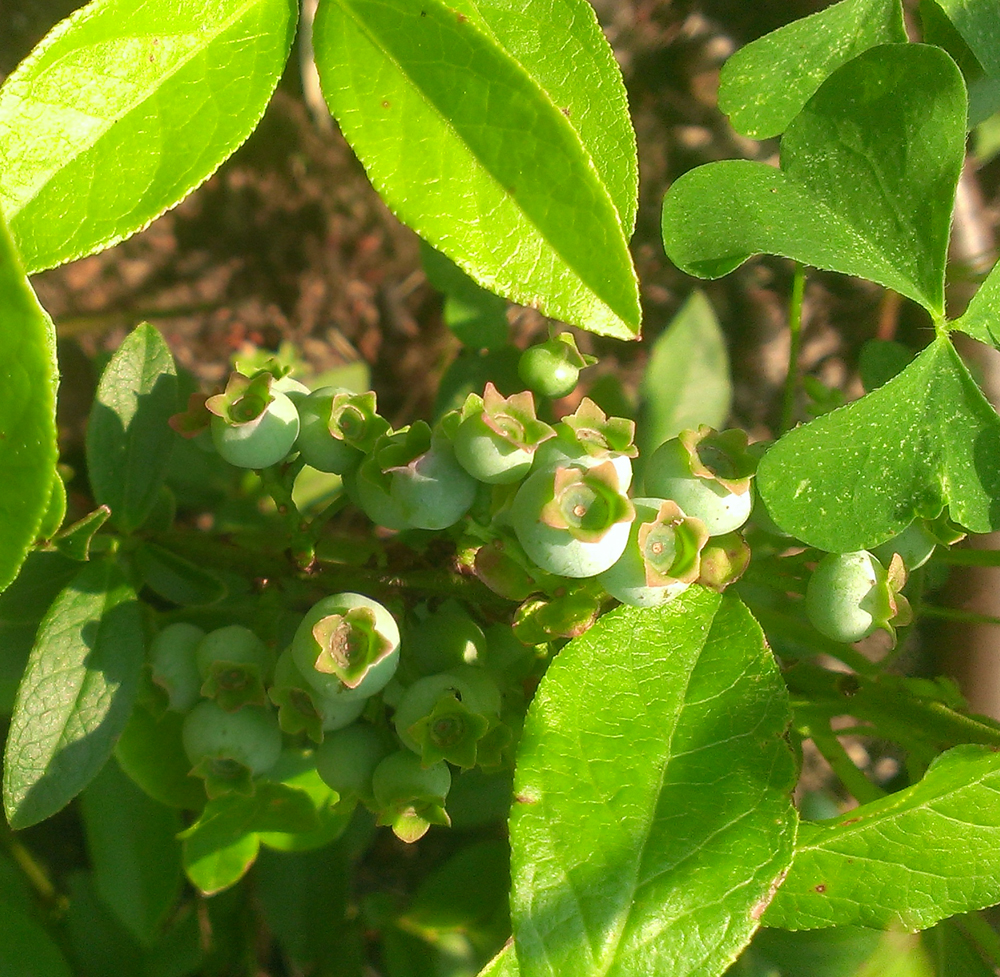
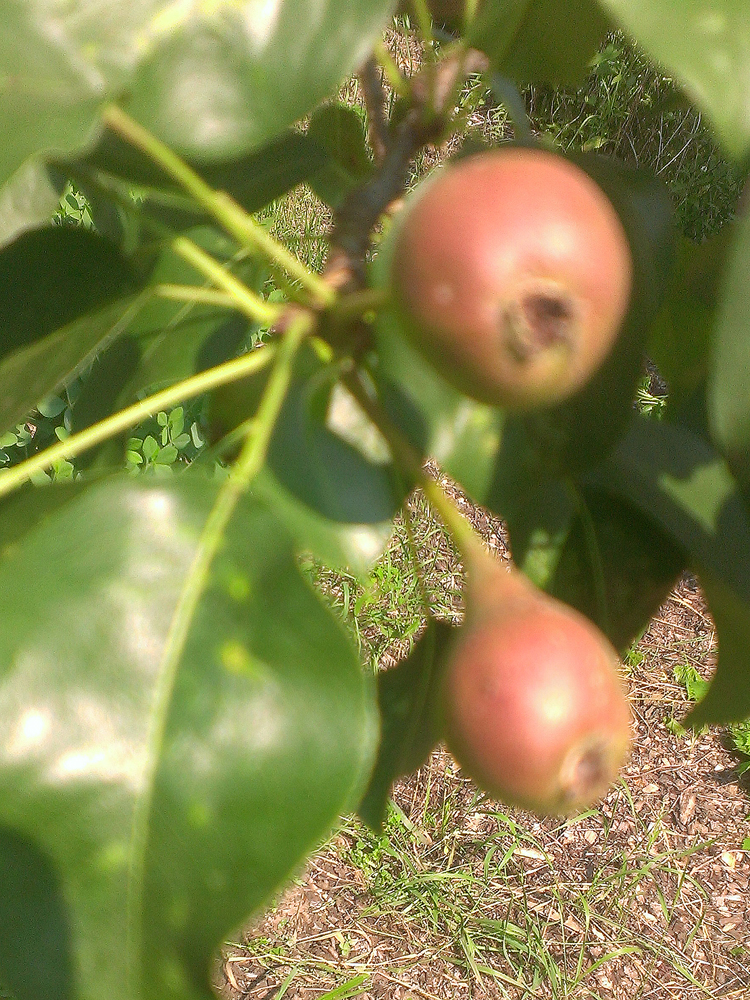
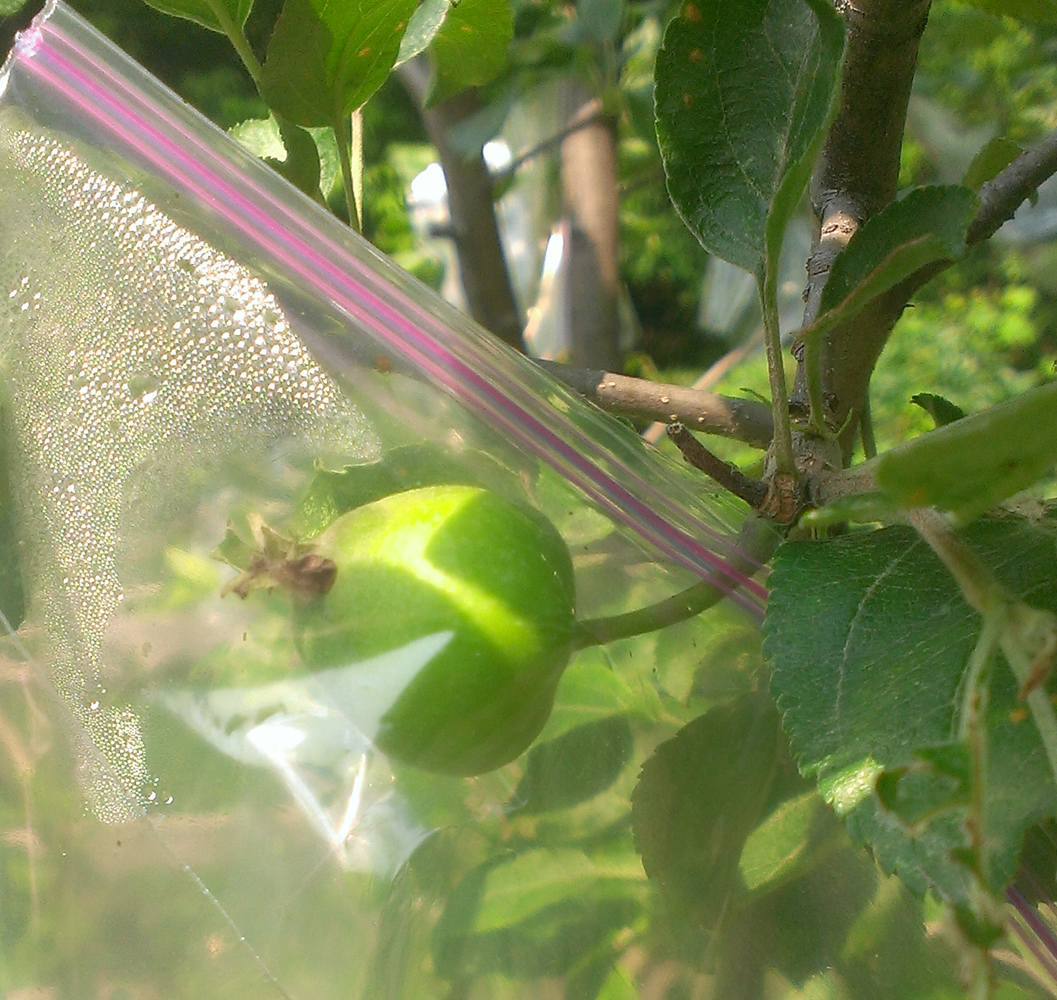
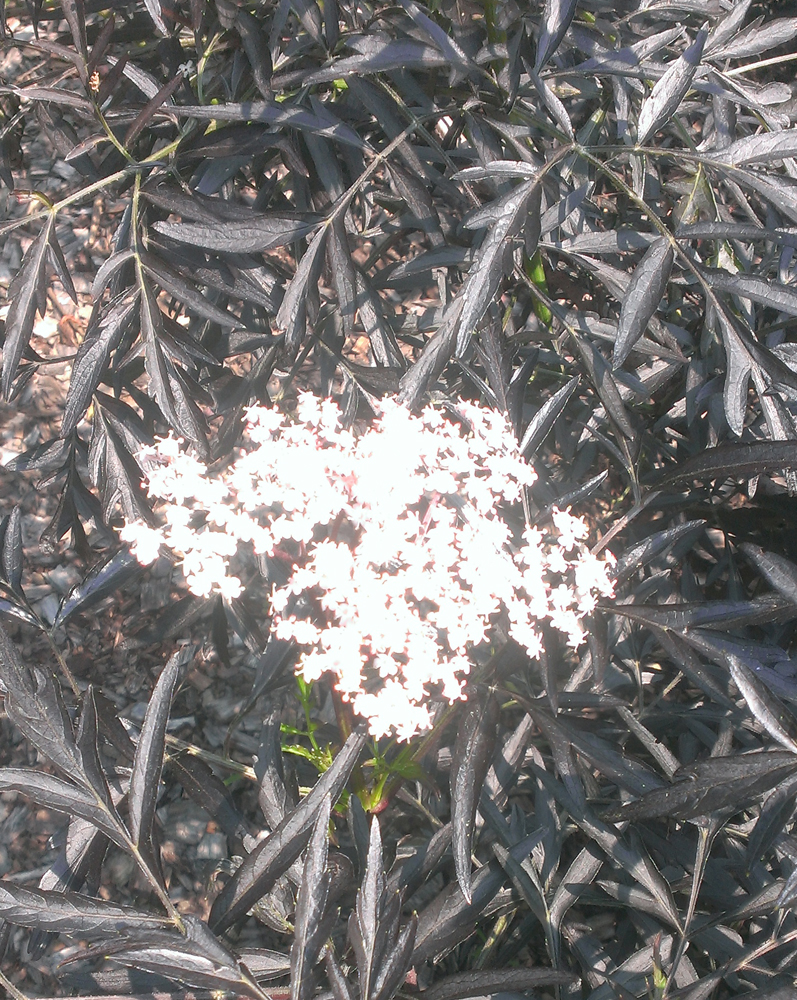
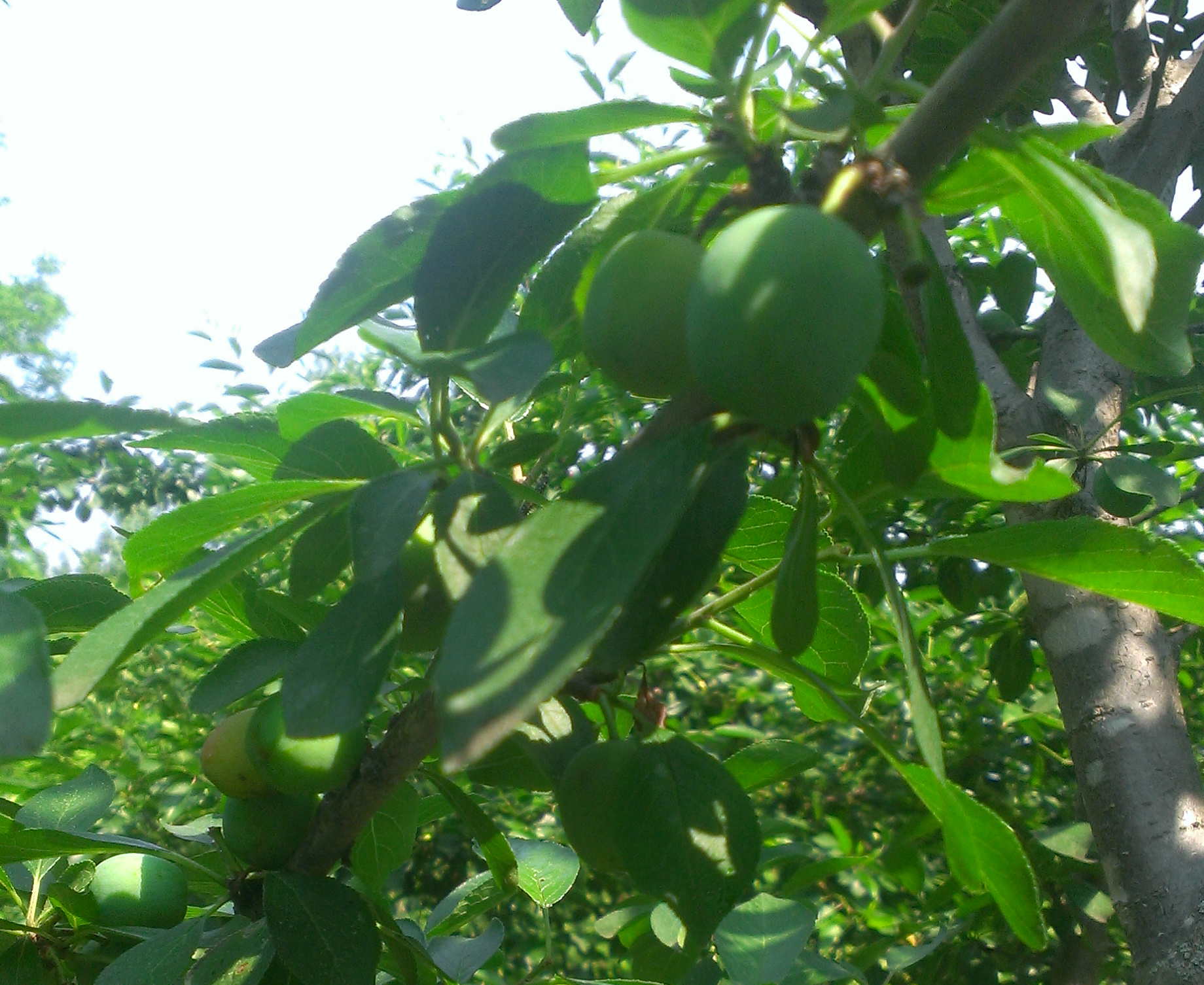
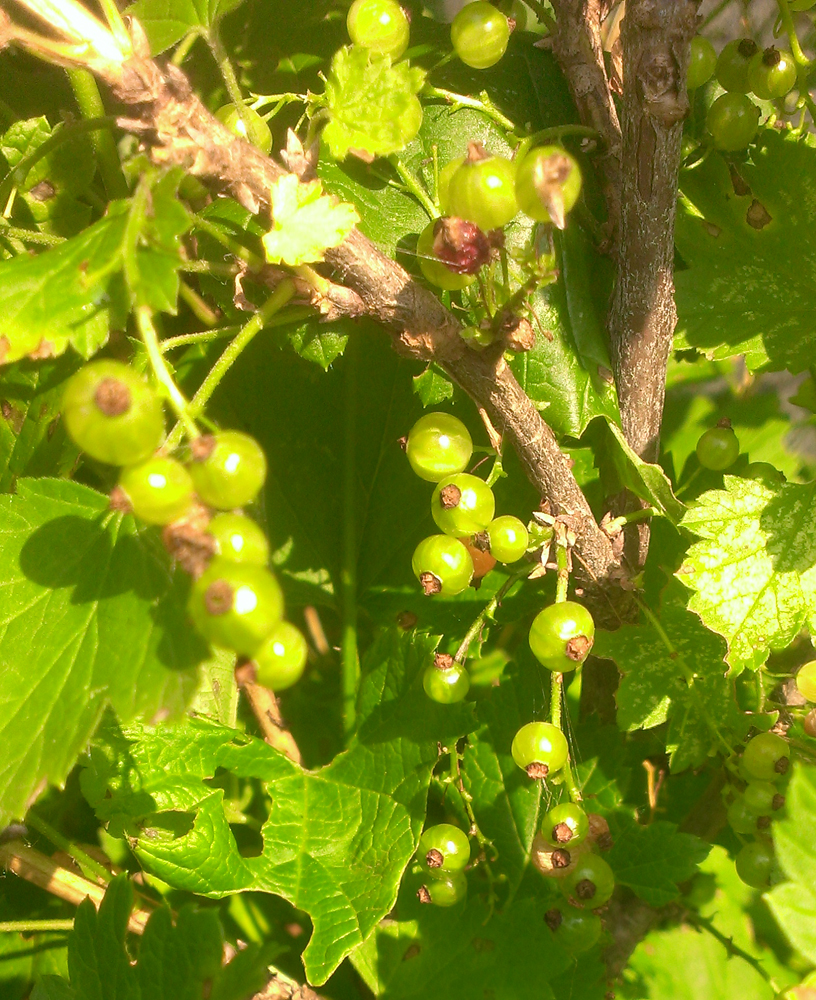
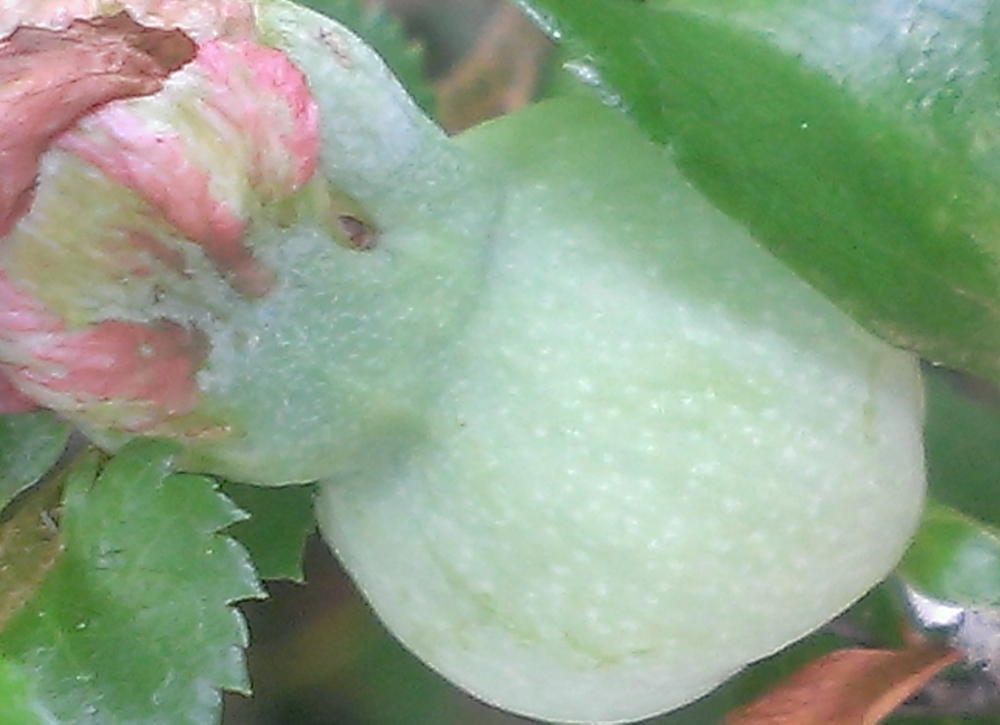
Here’s a fruit gallery from our orchard on July 1st:


Blueberries

Pears

Apples in a bag

Elderberries

Plums

Currants


Quince